Fay Steel: Life in Mongolia has taught me patience.
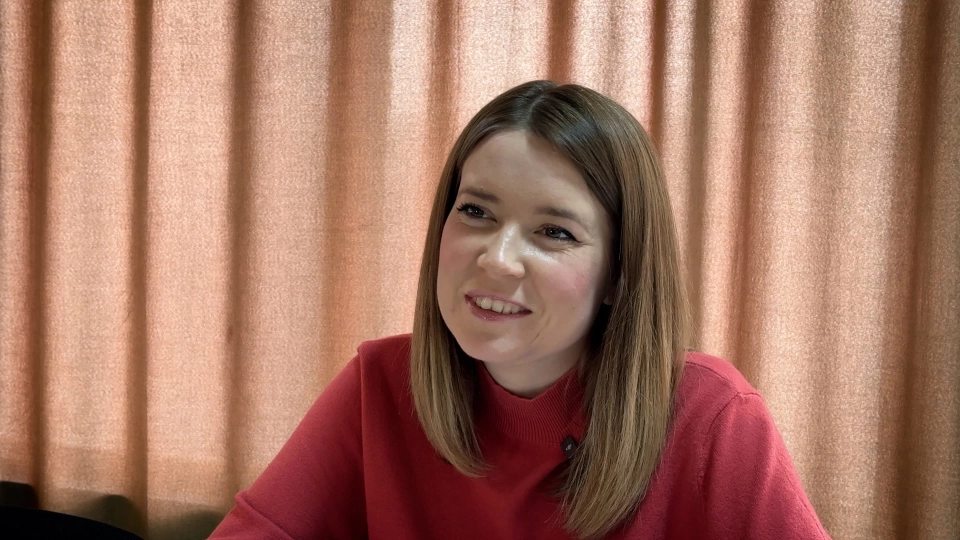
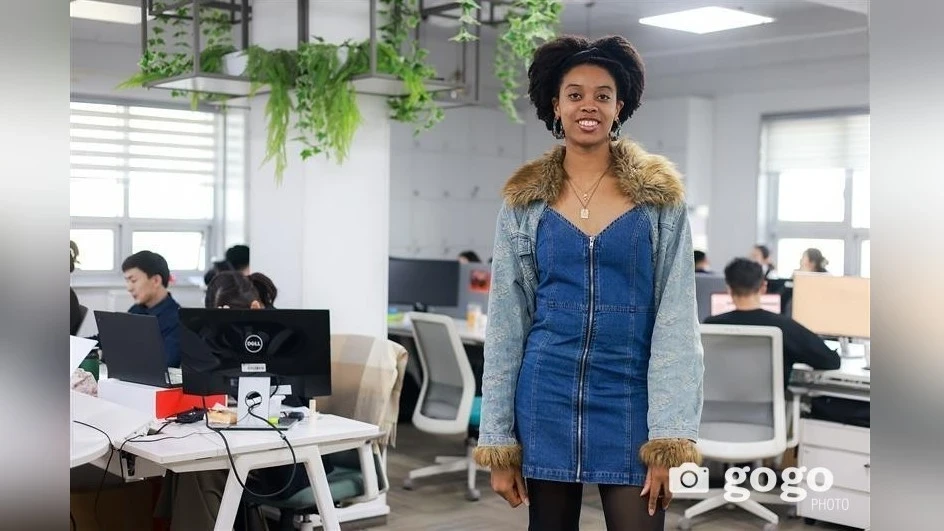
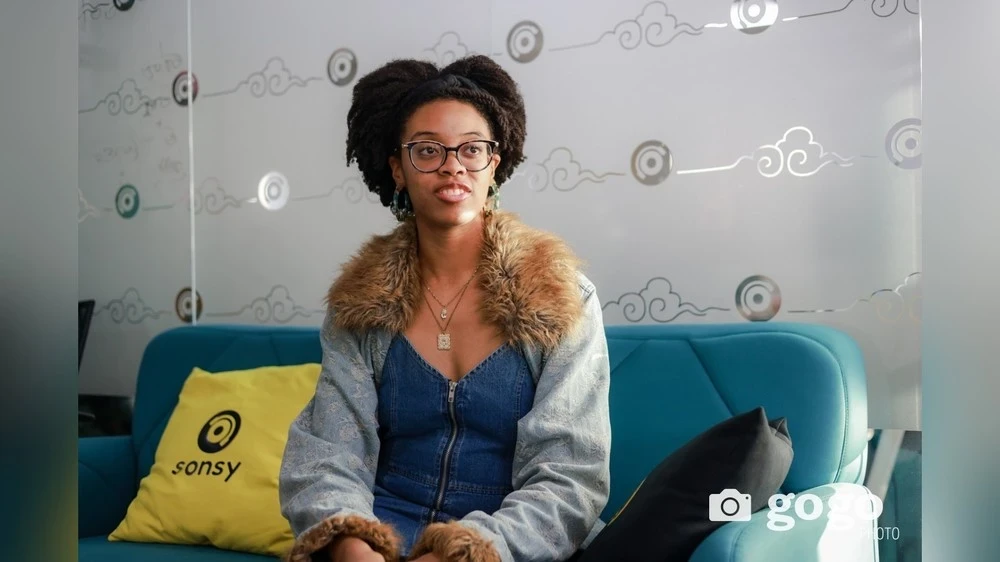
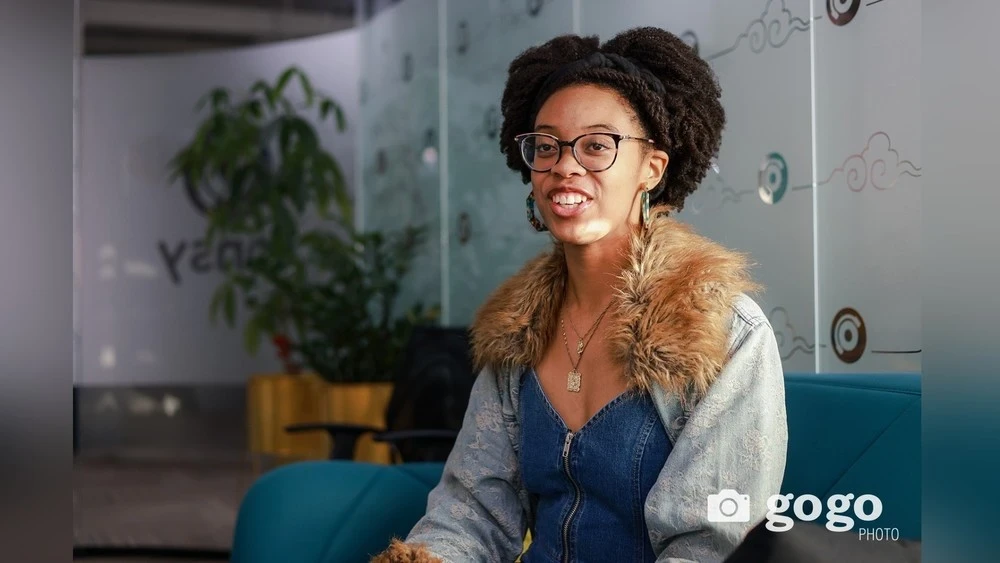
As part of the "Mongolia through the eyes of a foreigner" series, the site GOGO met with Fay Steel, a citizen of the USA. She is currently an ESG strategy specialist at Mobicom and has been living in Mongolia for over a year, reports MiddleAsianNews.
— Can you tell us a little about yourself?
— I am Fay Steel, originally from New York. When I tell people in Mongolia where I’m from, they often get excited and ask if I live near Times Square. I usually explain that I actually live on Long Island, which is a 30-minute train ride from the city.
Long Island is surrounded by the ocean and bays, so there are many beaches and national parks. The city is rich in history, and there are houses from the Gatsby era preserved. In the summer, I happily join my family on tours of these historical sites.
Professionally, I am a sustainable development specialist. I have over five years of experience in the nonprofit sector, where I worked on sustainable development research and collaborated with experts to understand environmental issues and opportunities.
Now I work at Mobicom, and this is my first job in a large company. I am learning a lot, as the tech sector is completely new to me. Previously, I mostly worked in the financial sector and dealt with sustainable development issues in the USA and other countries, but not in Mongolia. This gives me the opportunity to learn a lot about both Mongolia and the tech industry.
— What were your first impressions of arriving in Mongolia?
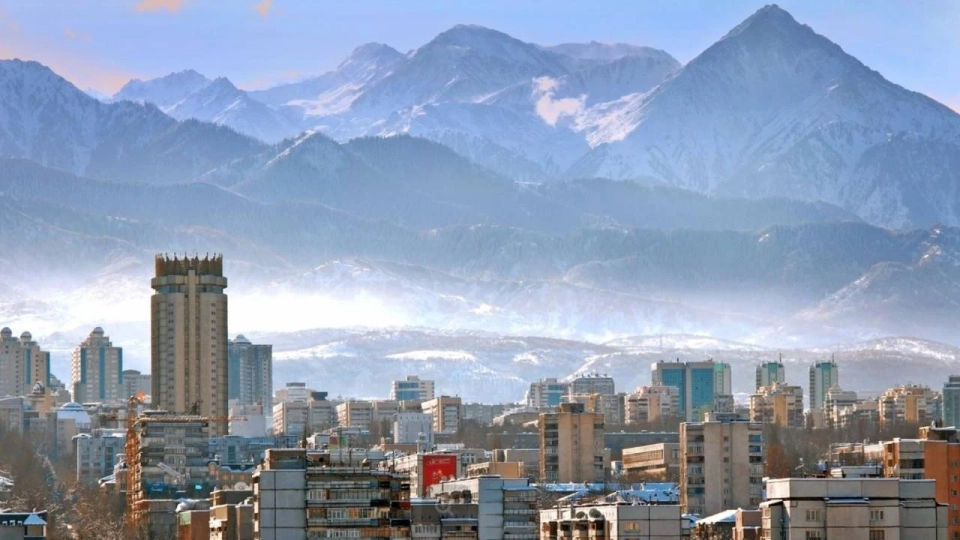
— I came here just over a year ago and landed at the new Chinggis Khaan International Airport. The first thing that struck me when I got into the taxi was the stunning mountains. They amazed me because we don’t have anything like that in my hometown, Long Island. I thought at the time, "How cool would it be to hike in those mountains or ski down them?"
I was also surprised by the modern appearance of the city, especially its buildings. Since I moved here, many new structures have appeared in Ulaanbaatar. New York is an old city, and new infrastructure is not built as often, so I was amazed at how quickly Ulaanbaatar is changing.
— What prompted you to move to Mongolia for work and life?
— I came to Mongolia through the Princeton in Asia Fellowship Program. Each year, this program selects up to ten fellows who work in Mongolia at companies, NGOs, and universities. This year, six were selected, and I am one of them.
The program also offers internships in other Asian countries like Japan and Thailand. But Mongolia was my top choice, as there are many opportunities in sustainable development here, which perfectly aligns with my career goals.
My first job in Mongolia was at the Mongolian Sustainable Finance Association. It served as a launching pad for my career in sustainable finance and development in the context of Mongolia.
— So this is your first job abroad, right?
— Yes, this is my first experience living abroad.
— How is your adaptation to the new conditions in Mongolia going?
— Life here is very different from what I am used to. One of the first aspects I noticed was the high altitude of Ulaanbaatar. It is at a much higher elevation than New York, and because of that, I initially had difficulty breathing and often felt fatigued. However, I have gotten used to it.
The air quality is another serious issue for adaptation. Even in New York, I did not encounter such a level of pollution. In winter, I wear a mask for protection, and I am surprised when I see foreigners without them. I try to be cautious about health matters.
The cold weather also presents its challenges. While it snows in New York, here the temperature can drop to minus 20 degrees Celsius or even lower. Fortunately, in Mongolia, you can find excellent winter clothing. I bought warm clothes made from yak wool, camel wool, and cashmere at the Naran Tuul market and Sunday Plaza shopping center.
— Where do you live and what transport do you use?
— I live close to my office, near an amusement park. The walk to work takes less than 10 minutes. I used to live near the office as well. This year I moved due to my new job. I usually only use public transport on weekends, as it’s better to walk on weekdays due to heavy traffic.
— How do you spend your free time in Mongolia?
— My colleagues say that I am an active person, but sometimes I feel like I don’t do enough, as there is so much interesting stuff in Mongolia!
I became a member of a badminton club and last year I attended the "Khatun" club located near the Wrestling Palace. This year I play in another club near the "Tengis" cinema two to three times a week. On weekends, I sometimes go with friends to local basketball or volleyball matches.
I also enjoy attending the opera, ballet, and movies. I am always on the lookout for new hobbies, and I have met many interesting people here. I try to stay open to new opportunities outside of work.
— What is your favorite Mongolian dish?
— My favorite dish is bantan, which is often seen as a hangover food. People are surprised when I say this, thinking it’s baby food. But I like its simple and pleasant taste. I often encounter it while traveling in the countryside, although it is quite hard to find in Ulaanbaatar.
— Have you traveled outside the city? What impressions do you have?
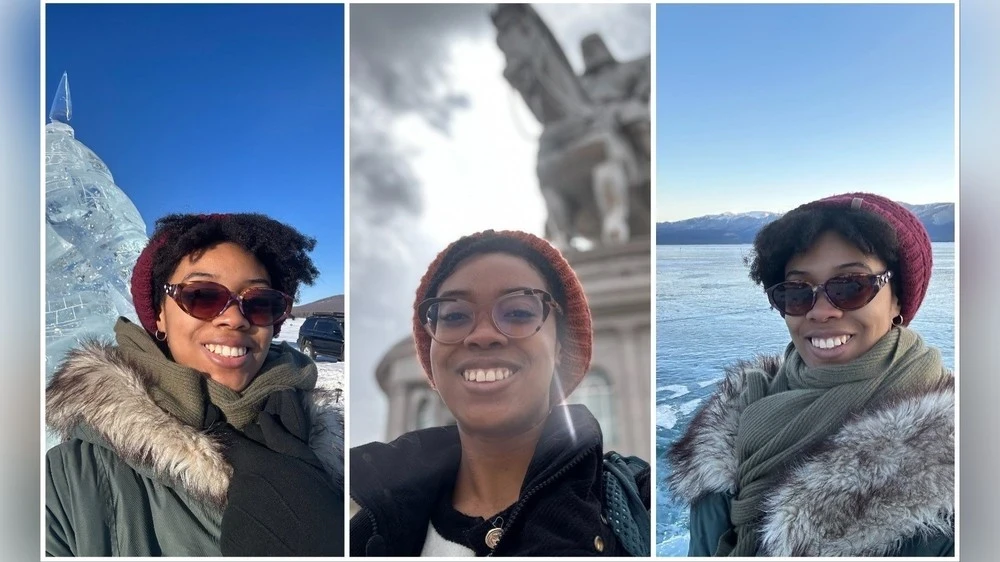
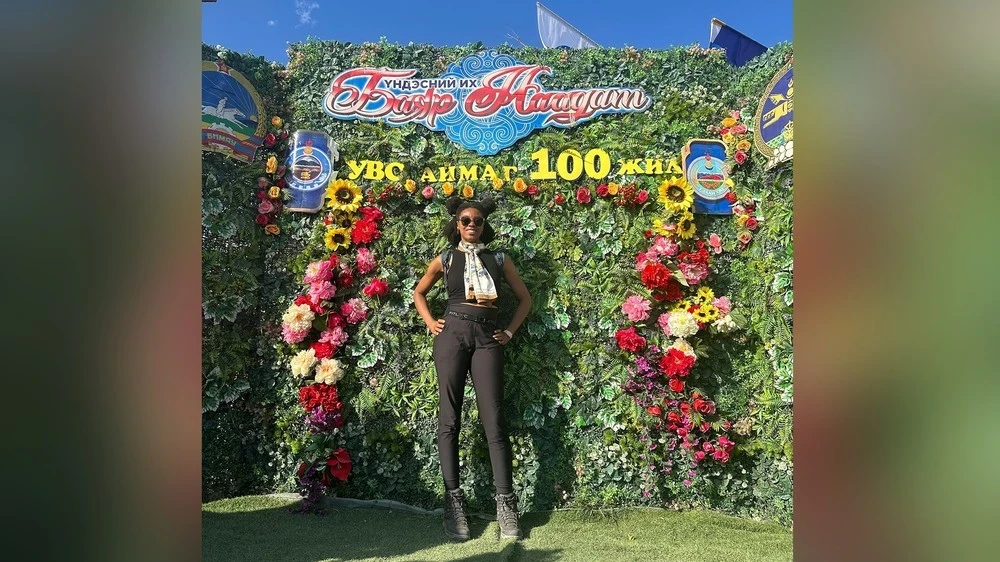
— Yes, I have visited several aimags. Recently, I was in Uvs aimag for the Naadam festival and in Khövsgöl aimag for the Ice Festival. I also participated in a countryside retreat with young professionals and rode camels with the Brilliant Tree Fund project team.
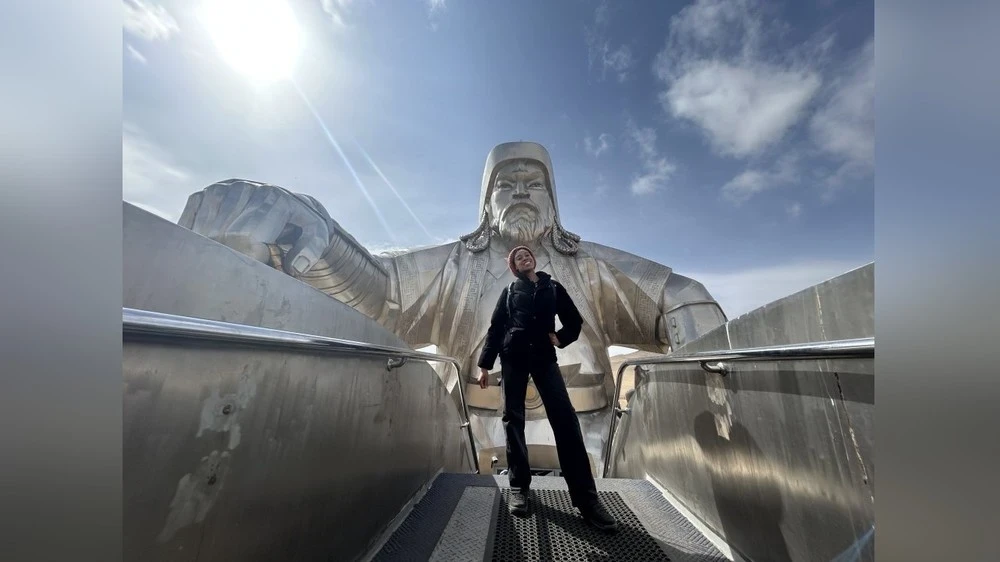
I visited the birthplace of Chinggis Khaan, and it left me with unforgettable impressions. I also visited Bulgan aimag. Each trip opened up new exciting aspects of Mongolia.
— Are you studying the Mongolian language?
— Yes, learning the Mongolian language is an important part of the Princeton in Asia Fellowship program. I started learning the language a month before moving and continue to take classes at the American Center for Mongolian Studies. My teacher is wonderful and helps me with pronunciation, which makes the learning process enjoyable.
— How difficult is the Mongolian language compared to others?
— I find Mongolian easier than Japanese or Chinese, which I have tried to learn. I speak English and a little Spanish, and Mongolian has become my third language.
I can speak a little Mongolian, although I am still shy. I find it easier to communicate through text, but my colleagues support me, and I hope to become more confident soon.
— What are your impressions of traditional holidays like Naadam and Tsagaan Sar?
— Naadam made a strong impression on me, especially the three traditional sports: wrestling, archery, and horse racing. At first, I didn’t understand how the competitions were held and how winners were determined, but once I figured it out, I started to celebrate along with others. The Naadam in Uvs aimag was particularly memorable — the atmosphere, food, and performances were incredible.

— How would you describe the corporate culture in Mongolian companies?
— I feel that the work culture in Mongolia is more flexible. There is a sense of hierarchy, especially in Mobicom, due to the Japanese influence from the parent company KDDI. But overall, there is more freedom here — for example, lunch breaks are often longer than in the USA.
In the USA, lunch usually lasts 30 minutes to an hour, after which everyone returns to work immediately. In Mongolia, colleagues are more supportive, and I find it easy to communicate with management for help and to discuss ideas. My suggestions have been well received, for which I am very grateful.
Corporate events also have their peculiarities.
Last year, I attended the Naadam ceremony in Ulaanbaatar and then participated in the 100th anniversary celebration of Uvs aimag. In Mongolia, management usually actively participates in corporate events, which creates a warmer atmosphere.
— What services or technologies would you like to see in Mongolia?
— I would like to improve the postal and parcel delivery system. Even now, it is quite complicated. I usually order delivery to the office to ensure that the package reaches the recipient.
When I returned to the USA last fall, my friends asked me to bring some items, as it was easier than ordering them online. I believe there is great potential for improvement in this area, especially after COVID-19.
— What have you learned since moving to Mongolia?
— I have learned patience. Life here requires patience both at work and in interactions with people. Mongolians can be slow to open up to strangers, especially foreigners. I have learned to be persistent, friendly, and open. Over time, people begin to trust, and meaningful relationships develop.
— How many friends do you have among Mongolians, aside from colleagues?
— I have met many people by leading an active lifestyle. I participate in the Global Shapers community, an initiative of the World Economic Forum that brings together young professionals in Ulaanbaatar. Our community has about 20-30 people, and we often organize events.
I have also made friends at events like Creative Mornings and in a running club. Although I don’t run in winter due to air pollution, I still keep in touch with those I met there.
— Do you have a boyfriend?
— No. In fact, this is one of the first questions my colleagues ask — whether I am married or have a boyfriend.
— Have you ever been invited on a date here?
— Yes, since I moved here, I have been on dates a few times. They were interesting and pleasant; the men were respectful and kind.
— What is your opinion of Mongolian youth, especially the Gen Z generation?
— I am technically on the cusp between Gen Z and millennials, and I am impressed by the Mongolian Gen Z generation. Many of them already own their own homes, obtain professional certifications, read a lot, and are very ambitious.
I admire their dedication to their country and its future. Even those who study or work abroad often return to contribute to Mongolia's development. Such a sense of responsibility and optimism is admirable.
— Would you like to add anything to conclude the interview?
— Many foreigners, even those who have lived here for decades, see the enormous potential of Mongolia and are genuinely inspired by its future. Sometimes Mongolians themselves should look at their country from a new perspective and appreciate its opportunities.
— Thank you for your time.