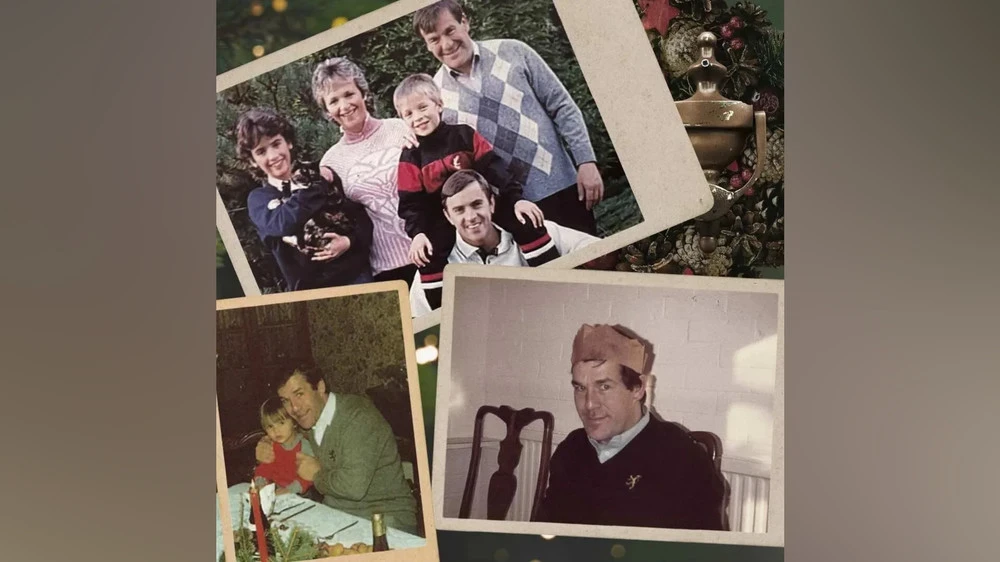
The situation that began as a temporary act of kindness led to 45 years of shared life filled with care and support.
Text excerpt:
Christmas is a time when many show kindness and support, but the actions of Robert and Diana Parsons 50 years ago radically changed their fate.
On December 23, 1975, the couple was preparing for the holiday when there was a knock at the door. A man stood on the doorstep with a garbage bag in one hand and a frozen chicken in the other.
Rob recognized Ronnie Lockwood, whom he had once seen in Sunday school and whom people said should be treated kindly because he was "a bit different from everyone else."
“I asked him what he was doing with the chicken. He replied that it was a Christmas gift. At that moment, I said the words that changed our lives: ‘Come in,’” recalls Rob.
At that time, Rob was 27 and Diana was 26. They decided to take Ronnie, who suffered from autism, under their care.
The couple cooked the chicken, gave Ronnie a chance to wash up, and agreed to keep him for Christmas.
Thus, what began as simple sympathy grew into a strong friendship that lasted 45 years—until Ronnie's death.
Today, Rob is 77 years old, and Diana is 76. At the time they took Ronnie in, the couple had been married for only four years.
Ronnie was almost 30 then. Since the age of 15, he had been living without a permanent home, getting by on odd jobs and wandering around Cardiff, where Rob sometimes saw him at a youth club.
To make Ronnie feel welcome, they asked relatives to bring him Christmas gifts—from socks to hygiene products.
“I remember that moment well. He sat at the Christmas table with gifts and cried with happiness because he had never felt such love,” shares Diana.
“It was amazing.”
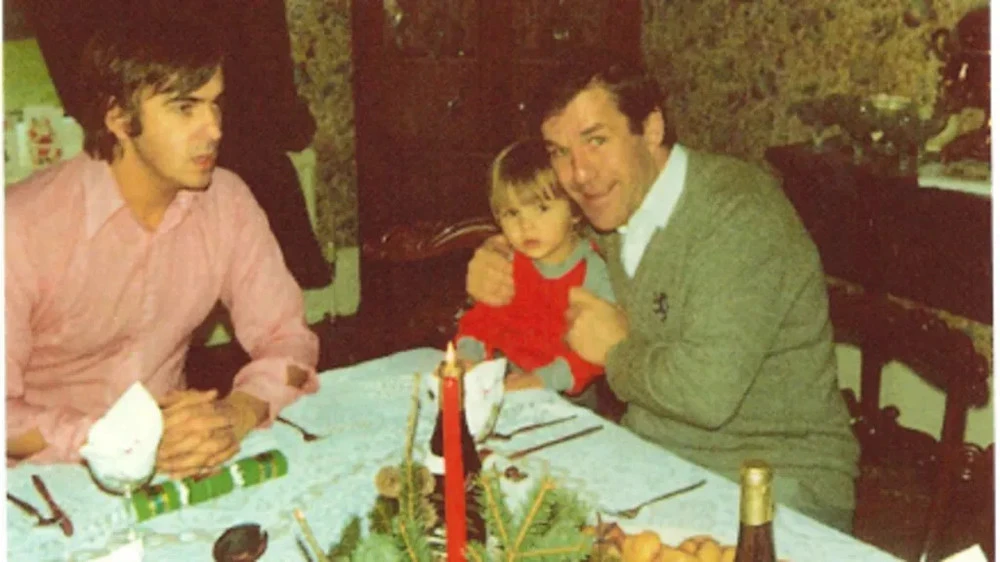
Initially, the couple planned to keep Ronnie only until Christmas, but when the day came, they could not turn him away and sought advice from social services.
As Rob recounted, at the homeless assistance center, they were told that Ronnie needed an address for employment, but "to get an address, you need a job." This was a vicious circle that many homeless people find themselves in.
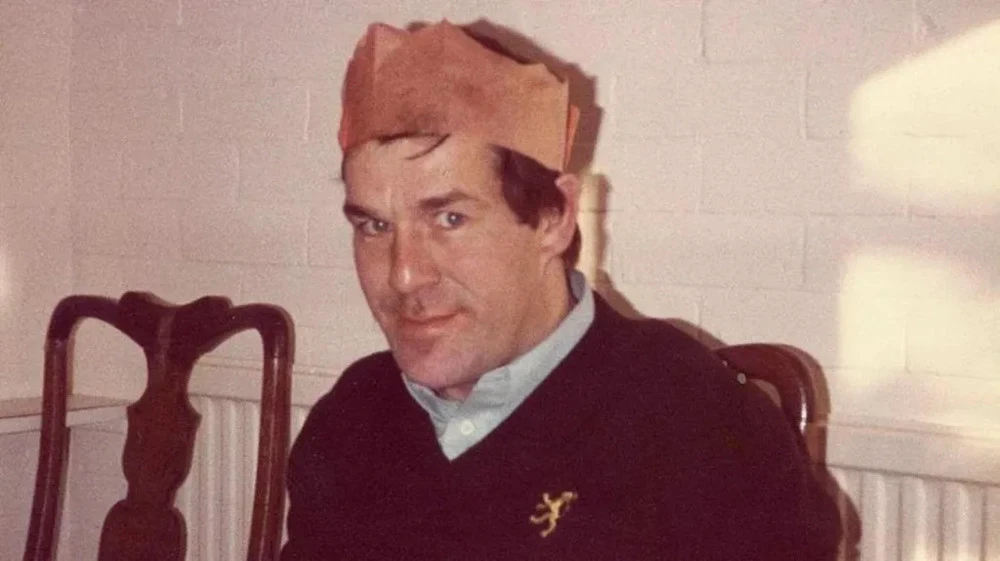
Rob also shared that Ronnie had been sent to a boarding school at the age of eight and disappeared from Cardiff at eleven. Only while working on his book "A Knock on the Door" did he learn what had happened to him.
Ronnie was sent 200 miles away to a school that was referred to in one report as "a school for mentally disabled boys" and spent five years there.
“He had no friends, no social worker who knew him, and no teachers who understood him,” Rob added.
According to him, Ronnie often asked the question: “Did I do something bad?” which they believe he learned in the boarding school.
“He always worried that he might have hurt someone or done something wrong.”
At 15, Ronnie returned to Cardiff—“to nowhere,” as they say.
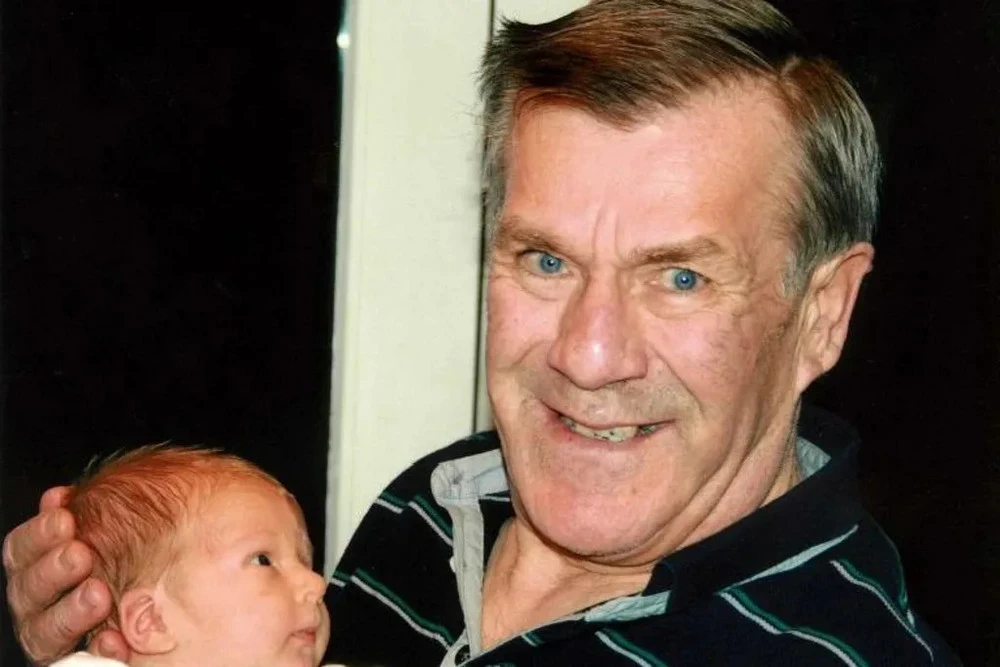
At first, Ronnie was a bit awkward: he found it hard to look people in the eye, and communication was minimal.
“But as we got to know him better, we truly loved him,” the couple shares.
Rob and Diana helped Ronnie get a job as a garbage collector and bought him new clothes, as he continued to wear the things issued to him at the boarding school.
“We didn’t have our own children, and it felt like getting a child ready for school. We were proud of it,” Rob recalls.
“When we came out of the store, Diana said, ‘He works as a garbage collector, and we dressed him like a representative from the Dorchester hotel,’” Rob laughs.
Rob, working as a lawyer, would get up an hour earlier to take Ronnie to his shift on the way to work.
When he returned home, Ronnie often waited for him with a smile. One day, Rob asked:
“Ronnie, what makes you so happy?”
Ronnie replied: “When you give me a ride to work, other men ask, ‘Who is that?’ And I answer: ‘That’s my lawyer.’”
“We don’t think he was proud that a lawyer was giving him a ride. Most likely, he just never had anyone to see him off on his first day of school,” Rob explains.
“And now he is almost 30… and finally someone is at the gate.”
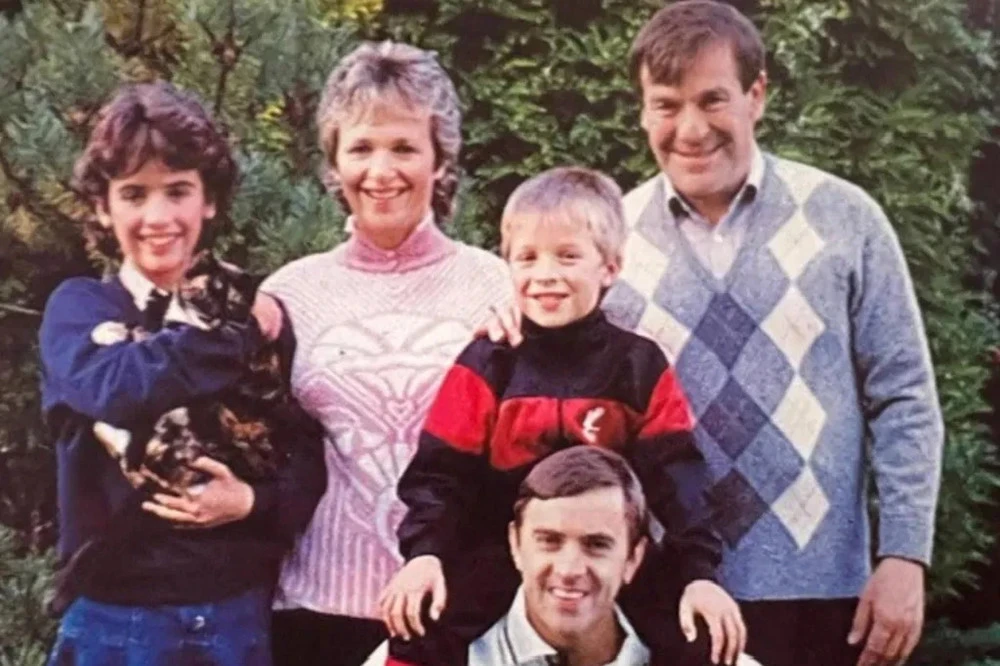
Ronnie had many rituals that they got used to, such as unloading the dishwasher every morning. Rob always feigned surprise so as not to upset Ronnie.
“It’s hard to pretend to be surprised when you get asked the same question on Monday and Tuesday. But that was Ronnie.”
“He couldn’t read or write, but every day he bought the South Wales Echo,” Diana added.
Every Christmas, Ronnie gave them the same Marks & Spencer gift cards, eagerly awaiting their reaction.
He spent much of his free time at the local church, helping collect donations for the homeless and preparing services, “meticulously” arranging the chairs.
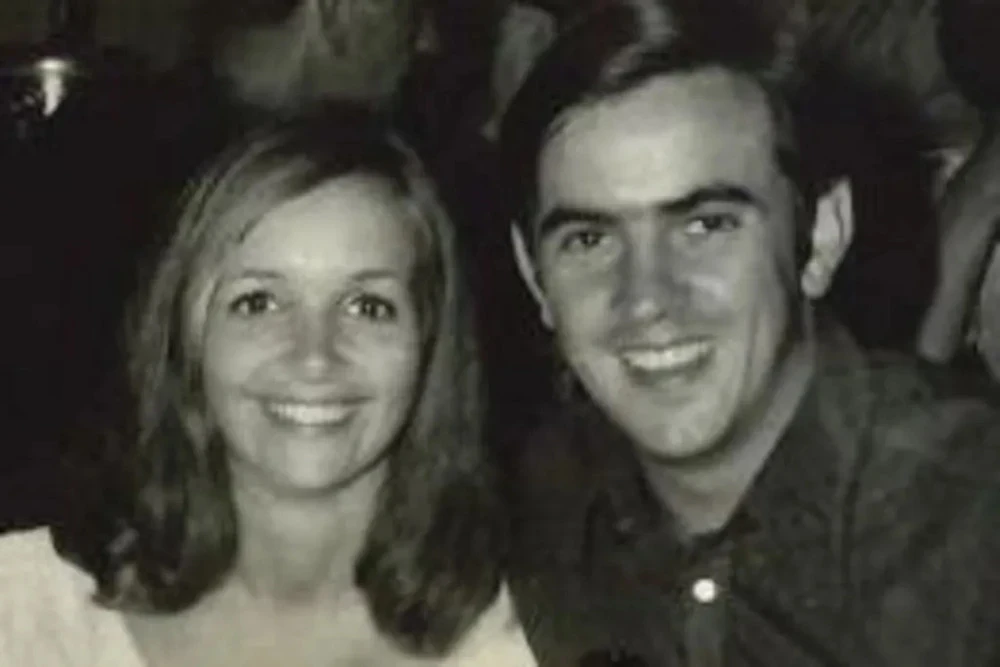
One day, Ronnie came home in a new pair of shoes, and Diana asked, “Where are your boots?”
He replied that he had given them to a homeless person.
“That’s the kind of person he was. He was wonderful,” the couple says.
One of the most challenging periods in their lives was Diana's illness—chronic fatigue syndrome. During those days, she couldn’t get out of bed.
“I had a little three-year-old daughter, and Rob was going to work,” she recalls.
Nevertheless, Ronnie was “incredible”: he prepared bottles for their son Lloyd, helped around the house, and played with their daughter Katie.
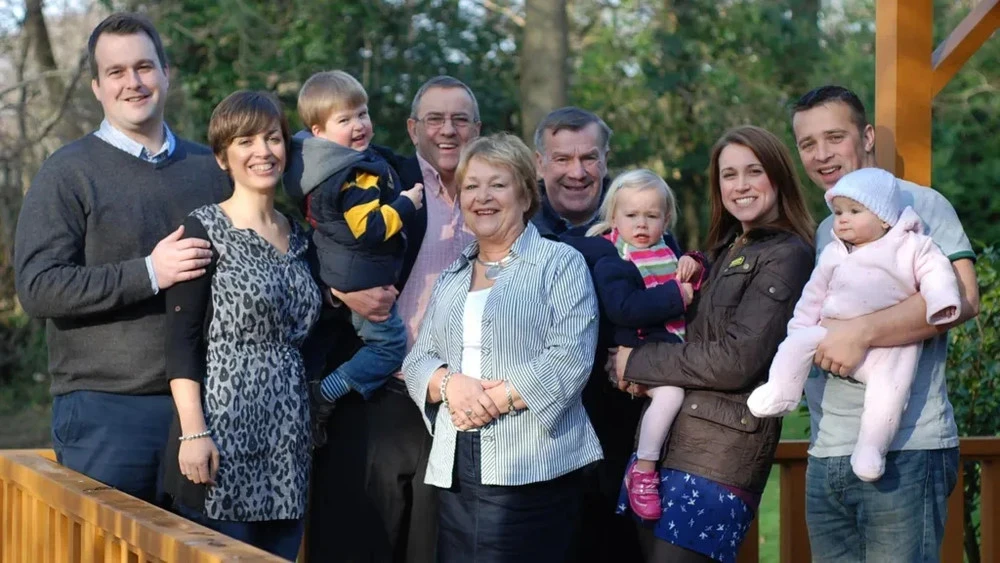
Although there were difficulties in their lives, including Ronnie's 20-year battle with gambling addiction, they cannot imagine their life without him.
“I wouldn’t recommend this as a universal model,” says Rob, “but Ronnie enriched our lives.”
“He had a kind heart; he was complex,” Diana added.
“Sometimes I was his mother, sometimes a social worker, sometimes a caregiver. One day our children were asked, ‘How did you cope with Ronnie when your friends came over?’ They replied, ‘We didn’t even think about it—he’s just Ronnie.’”
Rob adds: “Our children never knew life without Ronnie. He was with us before they were born and stayed when they grew up and started their own families.”
In the photo, Rob Parsons:
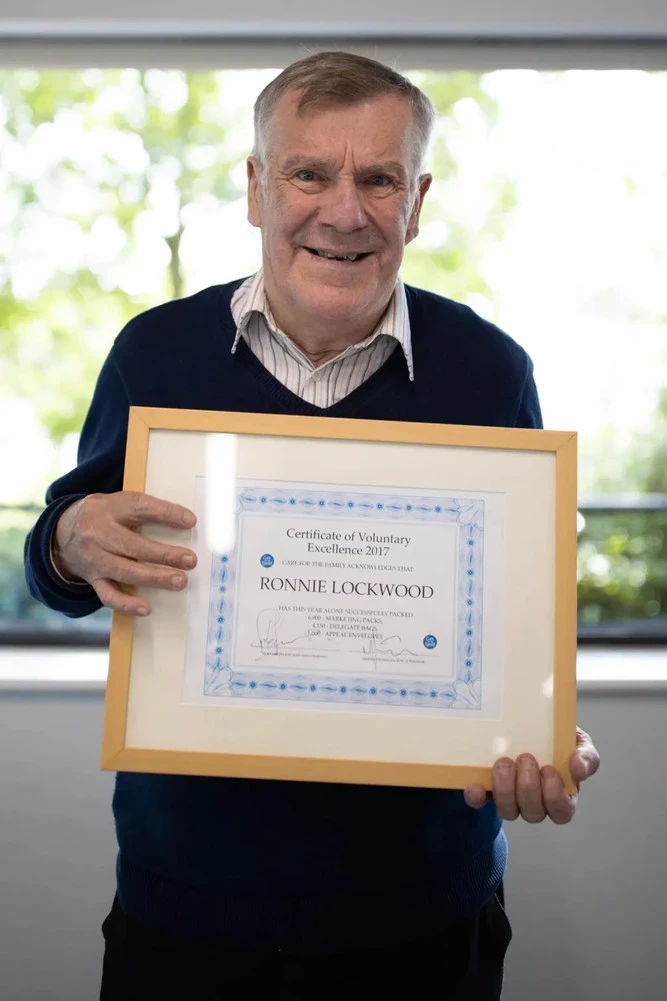
Only once did the couple consider helping Ronnie start an independent life—this happened a few years after he moved in with them.
When the children grew up and the house became crowded, they suggested that Ronnie rent an apartment nearby.
However, upon entering his room, they were again confronted with the question: “Did I do something bad?”
Rob recalls how Diana left the room and cried, saying, “I can’t.”
After a few nights, Ronnie came to their bedroom and asked, “We are real friends, right?”
“Yes, Ronnie, we are real friends,” Rob replied.
“And then he asked: ‘And we will always be together?’
I paused, perhaps too long, looked at Di and said, ‘Yes, Ronnie, we will always be together.’
And that’s how it happened.”
Ronnie passed away in 2020 at the age of 75 after a stroke. The couple says they miss him very much.
Due to the Covid pandemic, only 50 people could attend his funeral; however, as Rob jokes, “the tickets for the funeral were more in demand than for a Coldplay concert.”
The couple received over 100 condolence cards—“from Oxford professors to politicians and the unemployed.”
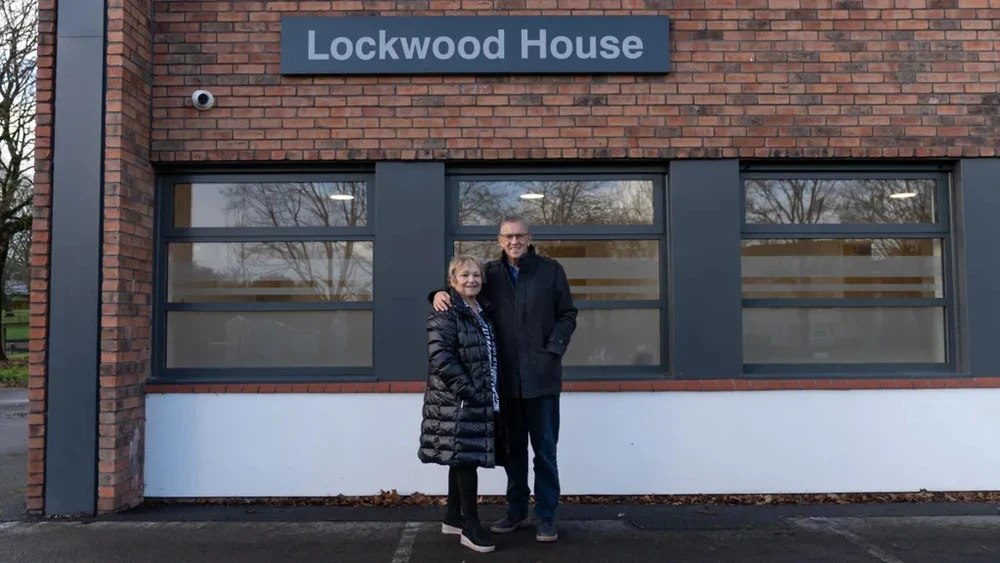
After Ronnie's death, a new £1.6 million wellness center at Glenwood Church in Cardiff was named Lockwood House in his honor.
However, the old and new buildings did not match, and additional funding was needed to complete the renovation.
“But, as it turned out, there was no need to worry,” Rob says.
“Almost to the last penny, the amount matched what Ronnie left in his will. In the end, a homeless man provided a roof over our heads.”
“Isn’t that amazing? I think it was meant to be,” Diana adds.
“People often ask how we managed to live together for 45 years, but honestly, it just happened day by day. Ronnie brought a special depth and value to our lives.”