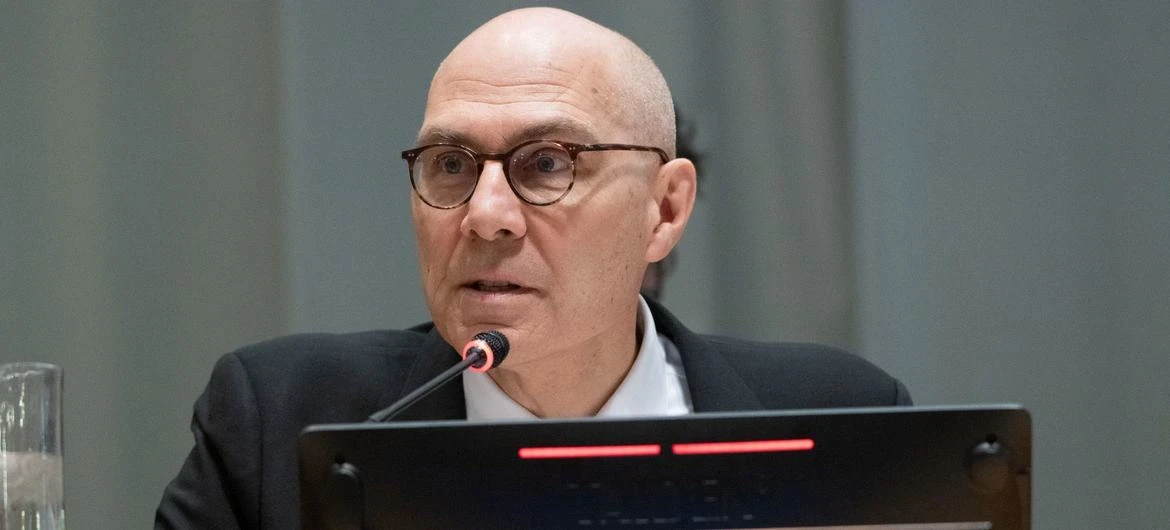
Volker Turk, the UN High Commissioner for Human Rights, stated that the discussion of this treaty represents a "unique opportunity that comes once in a generation." He noted that this is a chance to improve mechanisms for preventing serious crimes and ensuring accountability for them.
Turk emphasized that states must demonstrate maximum diligence in the process of drafting the text of the convention.
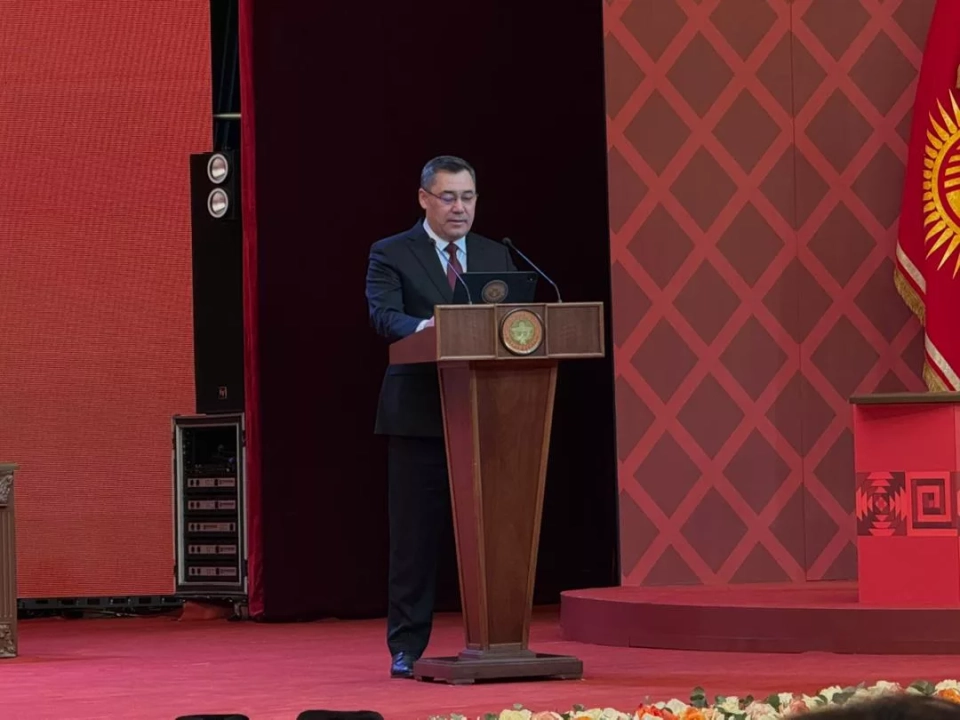
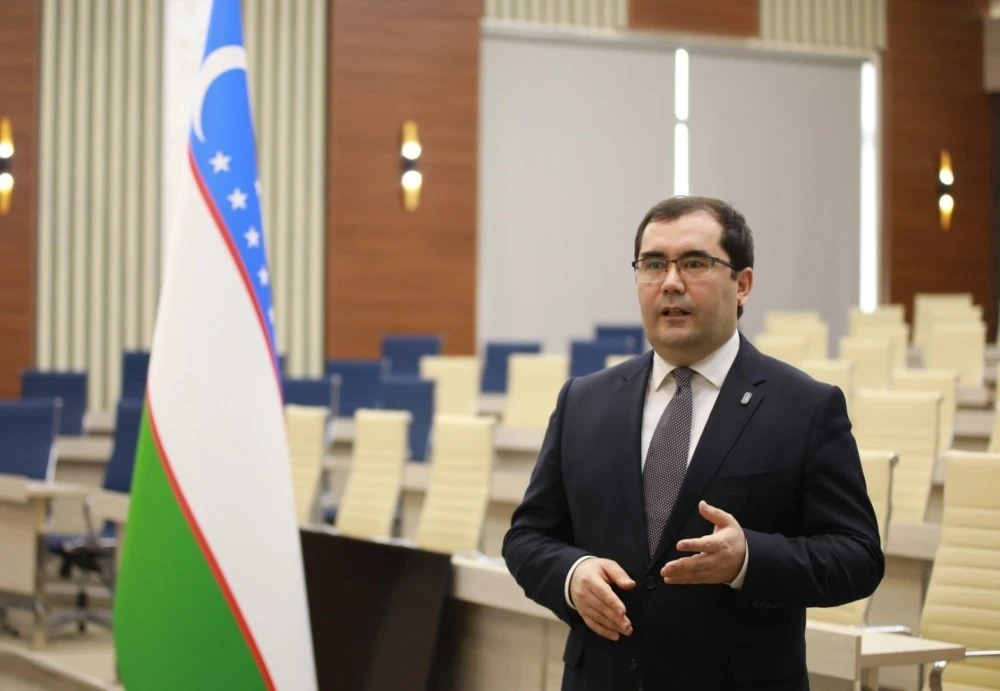
Photo UN. Volker Turk
He also stressed that the new convention should take into account the development of international law and include modern types of crimes. Turk expressed support for the idea of adding the concept of "gender apartheid" to the document and called for serious consideration of this and other initiatives by states.
Volker Turk highlighted the importance of an inclusive approach in the negotiation process, which should encompass various groups of civil society and experts. He also urged the participation of victims in the further process to ensure that the new treaty meets their expectations.
The High Commissioner added that delegates should consider mechanisms for implementing the convention, including the possibility of creating a relevant body. "This document must not remain just a set of words on paper. It must encourage states to take real action," concluded Volker Turk.
Reference 24.kg
Crimes against humanity are serious acts committed as part of a widespread or systematic attack against a civilian population, including murder, torture, sexual violence, and other forms of cruel treatment. Unlike war crimes, they can occur both in times of conflict and in peacetime. Currently, there is no separate universal convention dedicated exclusively to crimes against humanity.