The Pentagon informed Congress that it found no evidence indicating Iran's intention to attack the United States first, as reported by Al Jazeera.
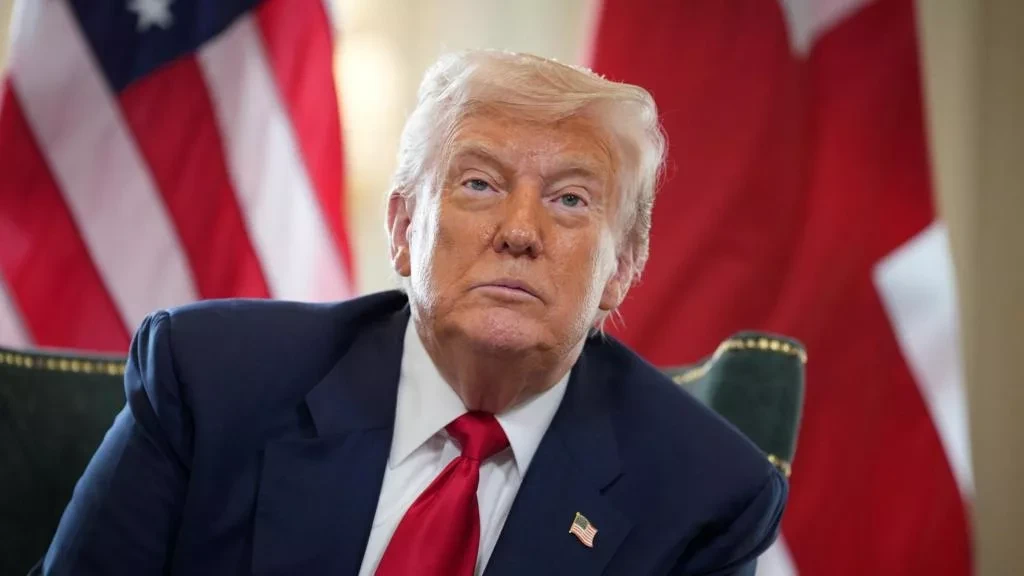
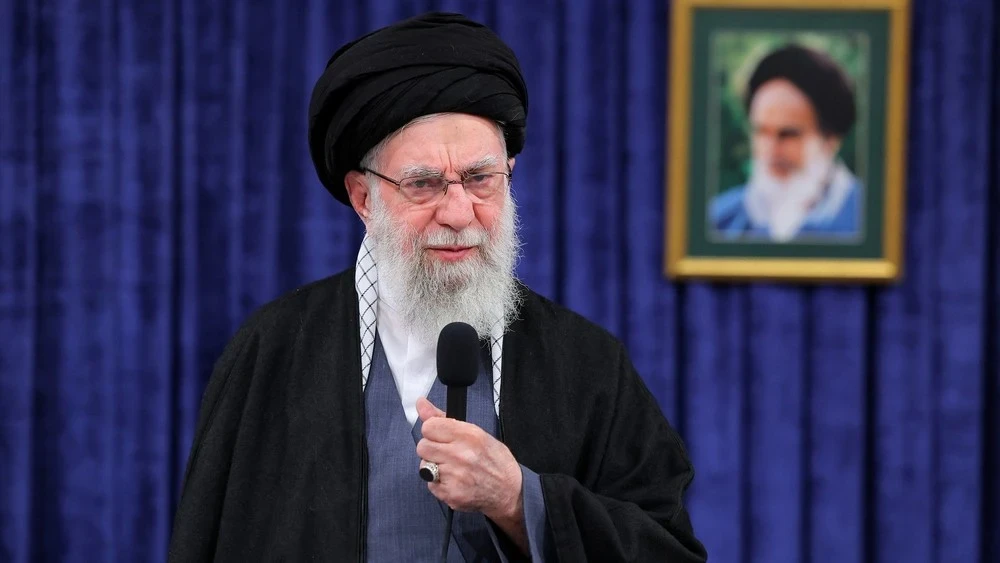
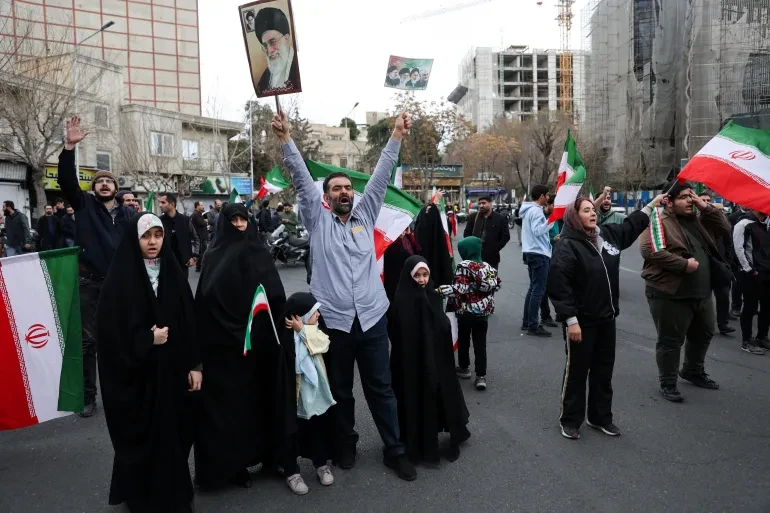
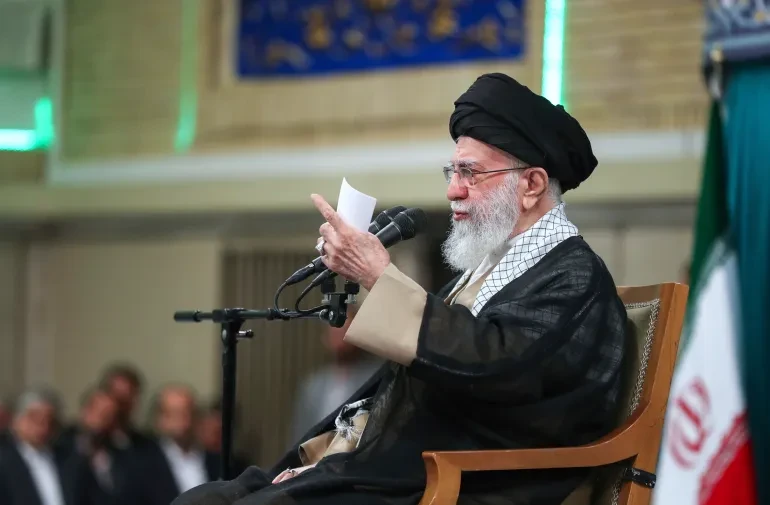
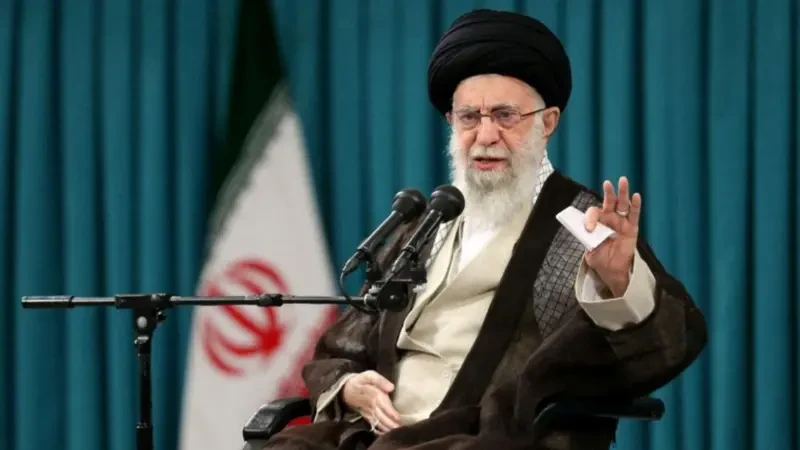
According to Reuters, representatives of former President Trump's administration confirmed to Congress that prior to the U.S. and Israeli strikes, which resulted in the elimination of Supreme Leader Ayatollah Ali Khamenei, there was no evidence of preparations for an attack by Iran.
In closed briefings, Pentagon officials told lawmakers that Iran's ballistic missiles and its proxy forces pose an immediate threat to American interests. However, they also noted that there is no intelligence data to confirm that Tehran intended to strike American troops first, as reported by the news agency citing two informed sources.
These conclusions cast doubt on earlier claims by Trump administration officials about signs of a possible "preventive" strike by Iran against American forces.
Iran's National Security Council Secretary Ali Larijani denied information from U.S. media that he initiated new attempts to resume nuclear negotiations with Washington.
“We do not intend to negotiate with the United States,” he stated in his message on X.
This statement was a response to a report by The Wall Street Journal that Larijani attempted to initiate a negotiation process through intermediaries from Oman after Khamenei's assassination.
Israeli military reported new Iranian missiles aimed at Israel.
The Israeli armed forces claim that Iran has launched new missiles towards Israel, and air defense systems are working to intercept them.
In this regard, residents who received notifications were advised to take shelter in safe places and remain in protected areas until further instructions.
Brief overview of events:
- After "Hezbollah" claimed responsibility for the rocket attack on northern Israel, Israeli forces began attacks on Beirut and southern cities of Lebanon.
- Israel issued an order for the relocation of the population in 53 Lebanese settlements, forcing hundreds of thousands of people to leave their homes at night.
- Israel also announced a new wave of attacks on the "heart of Tehran," with residents reporting strong explosions in the Iranian capital.
- As a result of Iran's retaliatory attacks, at least one person was killed in Bahrain, and there are also reports of explosions at an American base near Baghdad.
- Iran's National Security Council Secretary Ali Larijani denied rumors of his new attempts to resume nuclear negotiations with the U.S.
- United states, including the U.S., Bahrain, Jordan, Kuwait, Qatar, Saudi Arabia, and the UAE, issued a joint statement condemning Iranian attacks in the region and asserting their right to self-defense.
The Pentagon informed Congress of the absence of signs that Iran planned to attack the U.S. first appeared on K-News.