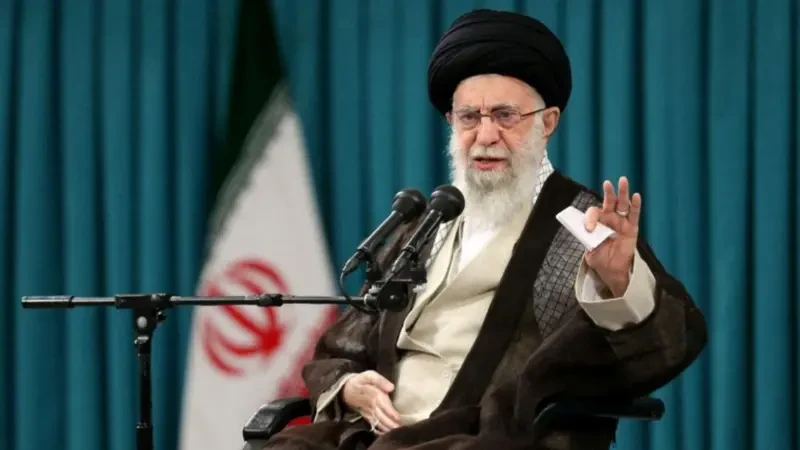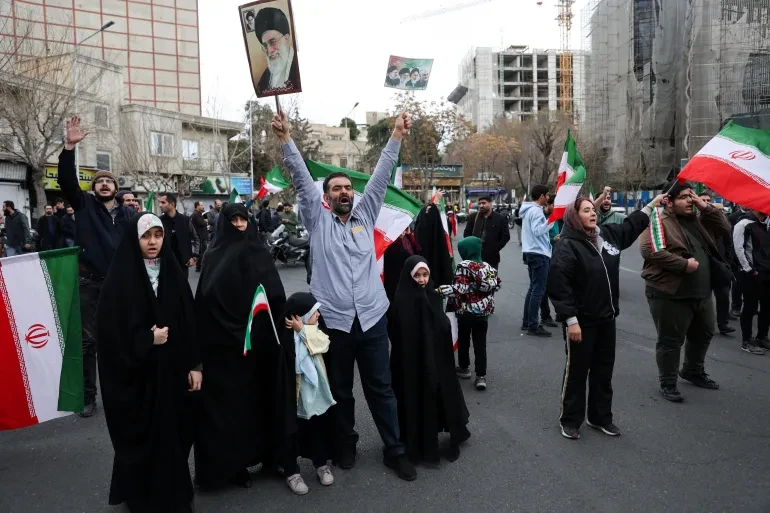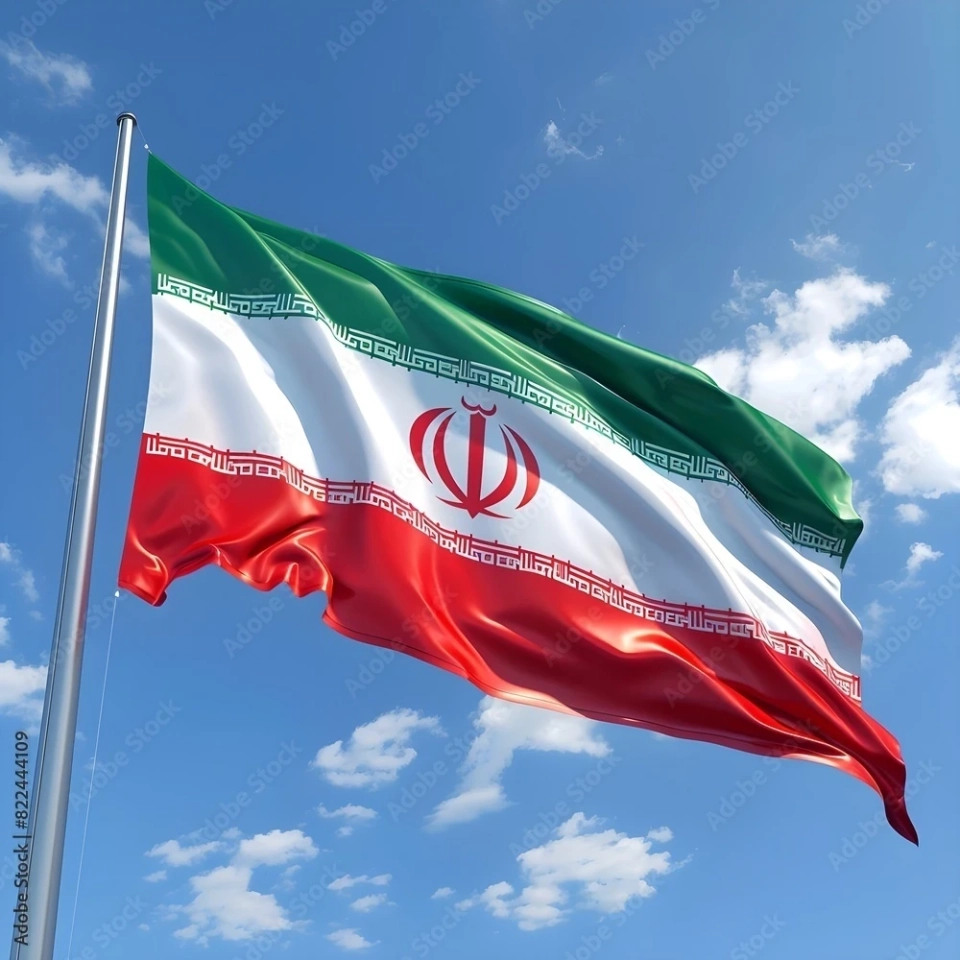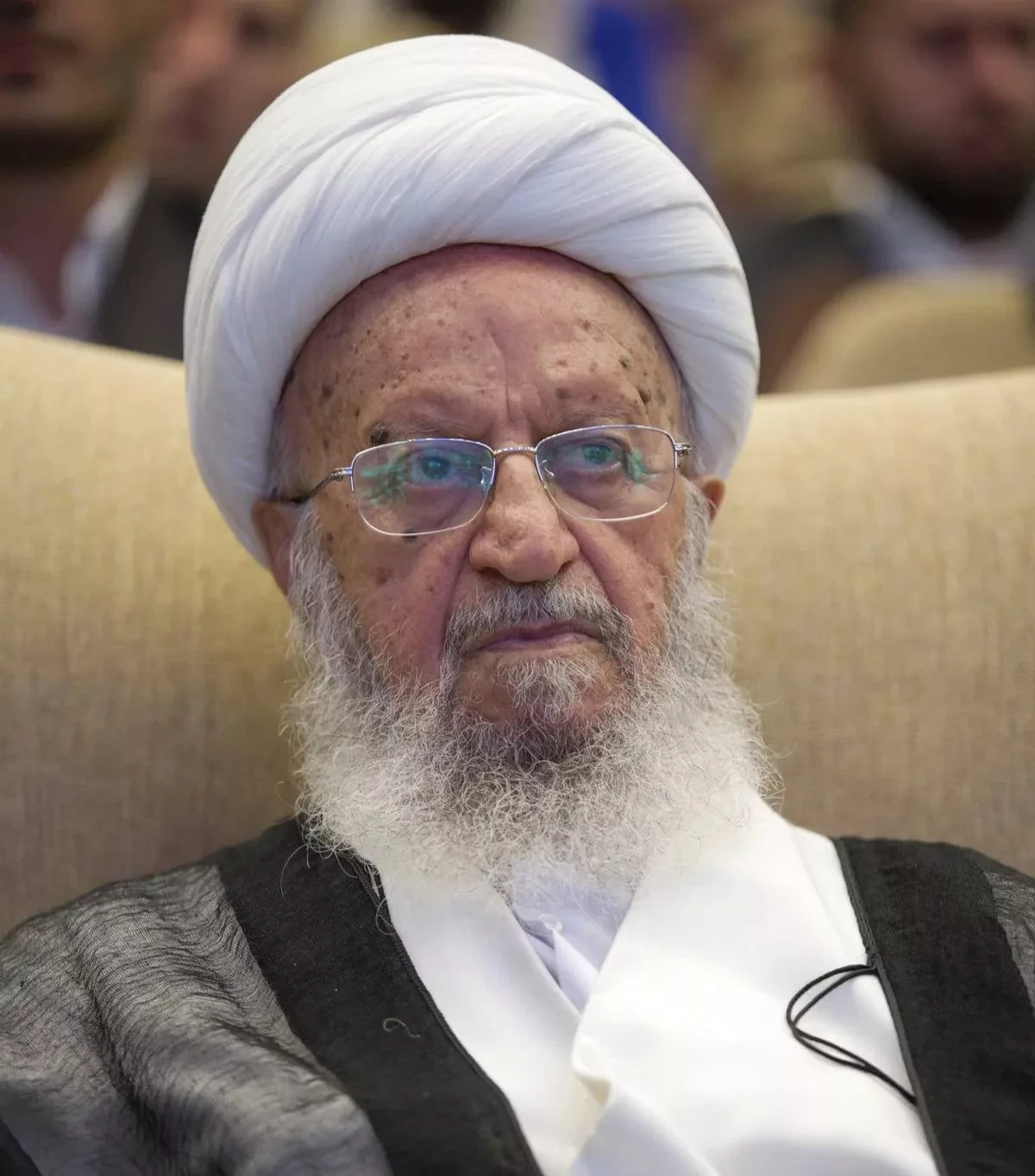
Ayatollah Shirazi from Iran has called for jihad (holy war) against the United States and Israel.
The Secretary of Iran's National Security Council previously stated that on the same day, the country would strike the USA and Israel with unprecedented force.
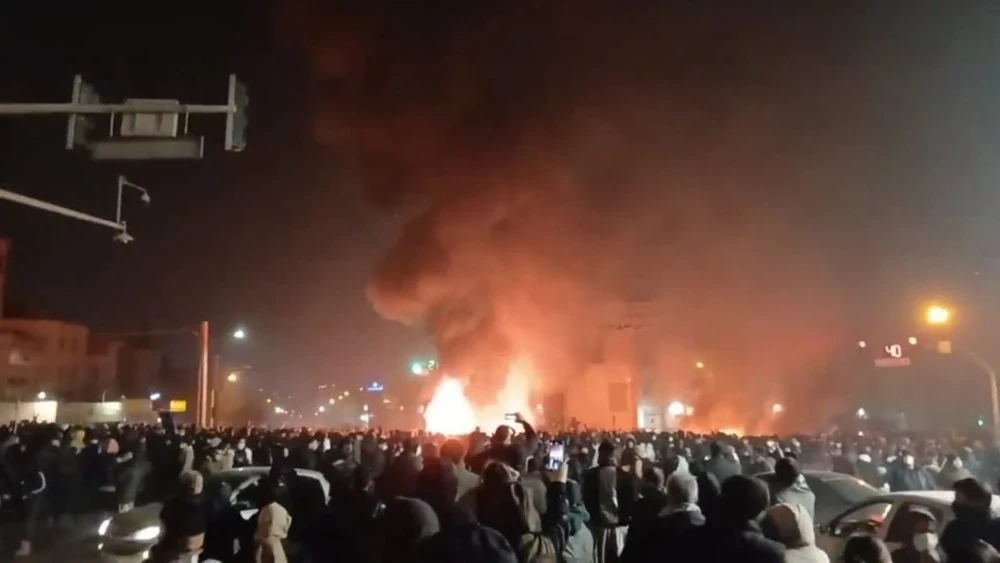
According to the Iranian news agency "IRNA," citing the Tehran branch of the Red Crescent, Tehran has faced 60 attacks in the past 24 hours, resulting in the deaths of 57 people.
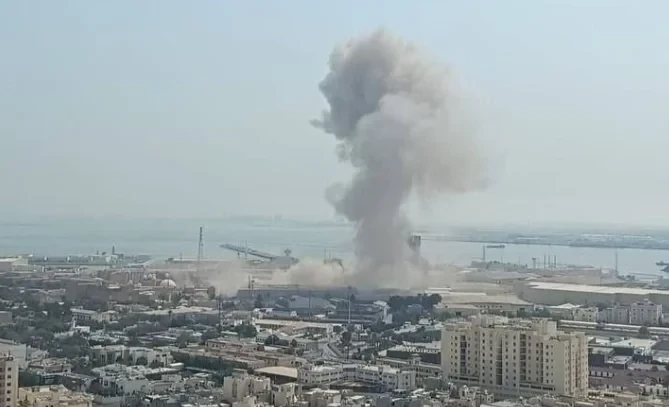
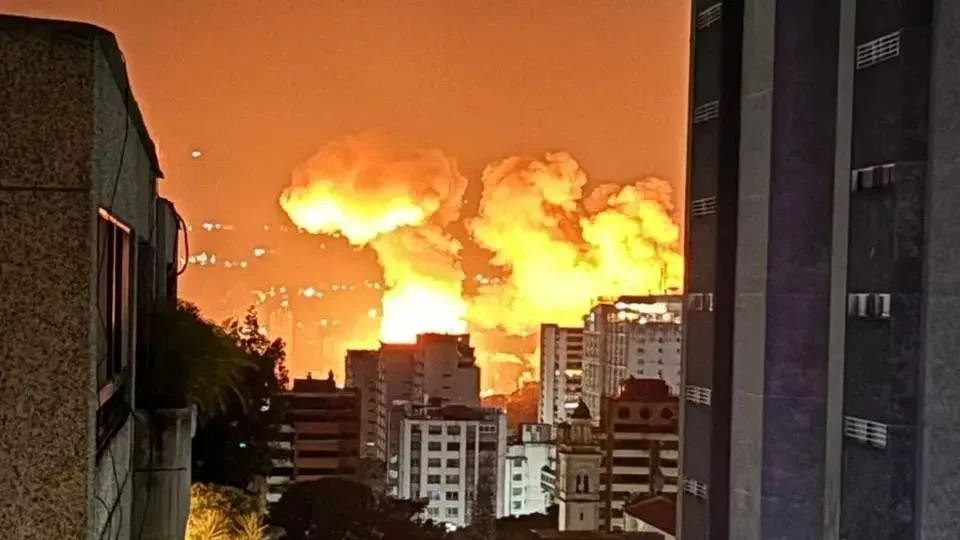
Israeli military confirms that they are striking the capital, with smoke rising over the city.
North Korea condemned the actions of the USA and Israel against Iran, calling them "illegal aggression."
A representative of North Korea's foreign ministry, as reported by the state agency "Korean Central News Agency," characterized the attacks as a violation of Iran's sovereignty. He added that the involvement of the USA was expected, given their "hegemonic and bandit" nature.
The statement also said that "aggressive war" between the USA and Israel is unacceptable under any circumstances.
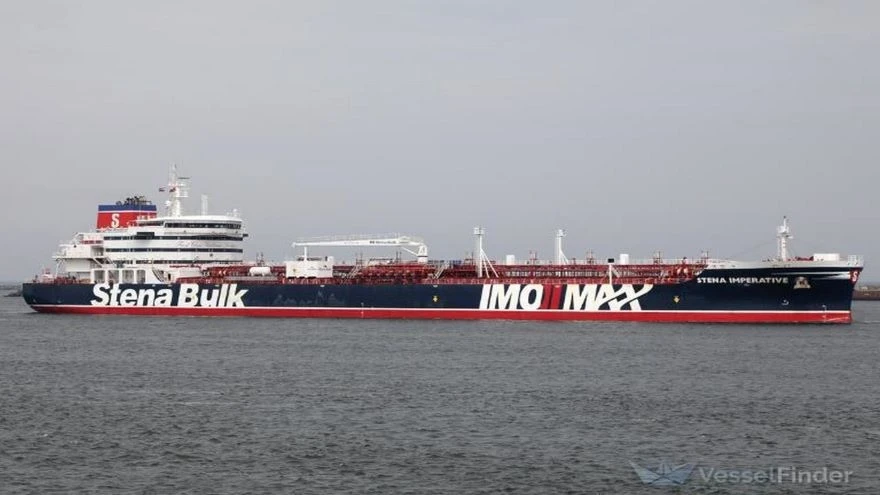
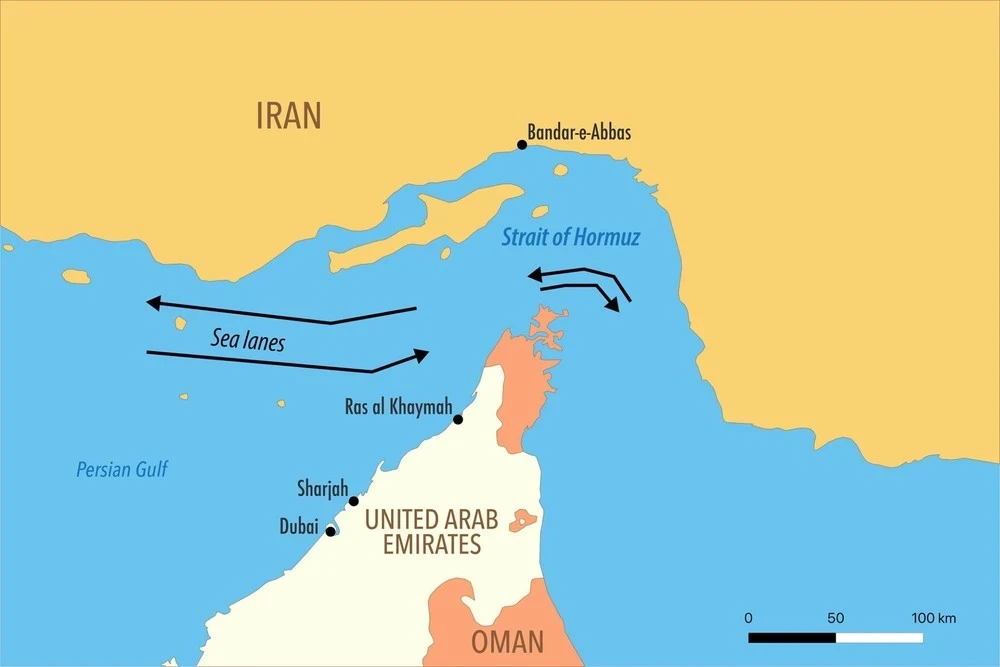
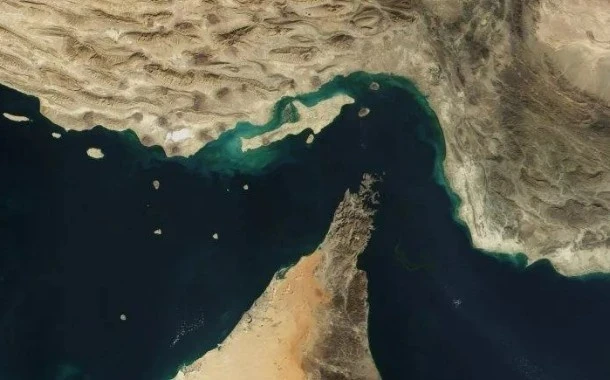
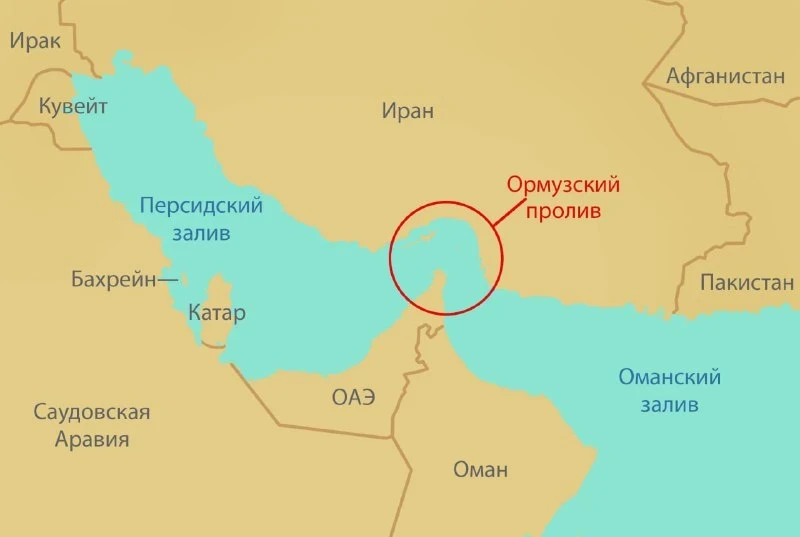
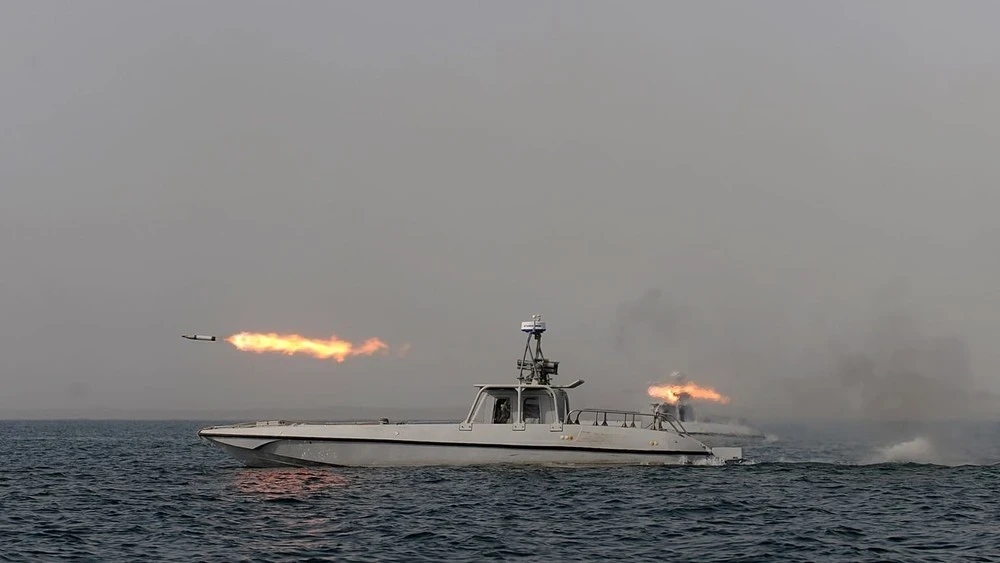
The British Meteorological Service MTO reports "significant military activity" in the Strait of Hormuz.
The UK Maritime Trade Operations (UKMTO) reported "significant military activity" in the "Persian Gulf, Gulf of Oman, northern Arabian Sea, and Strait of Hormuz."
In its latest report, UKMTO warned of an extremely unstable situation in maritime security in the region, where ongoing military actions increase risks for commercial shipping.
"The region is saturated with military presence and activity. Mariners should be cautious of risks from miscalculations and misidentifications, especially near military facilities and key maritime infrastructure," the agency stated.
"Reports of a possible closure of the Strait of Hormuz continue to come through open sources and VHF communication; however, no official notifications have been received regarding this," UKMTO added, clarifying that VHF reports of transit restrictions are not legally recognized suspensions under international maritime law.
Additionally, the British Meteorological Service MTO also noted threats beyond the Strait of Hormuz, particularly in Bab-el-Mandeb, where tensions remain "high."
Iran's governance system after the death of the Supreme Leader.

digital editor for the Middle East
The death of Iran's Supreme Leader Ayatollah Ali Khamenei will be a serious test for the country; however, it will not necessarily lead to a regime change or shorten the duration of the current conflict.
Khamenei has been a prominent figure and has ruled Iran for 37 years, but the power structure is designed to remain resilient even after his departure.
Since the 1979 revolution, Iran's authorities have been controlled by Shia religious leaders, and political and military structures have been created to protect this form of governance.
There is an established order for appointing Khamenei's successor, which is carried out by the Assembly of Experts—a body of 88 religious figures loyal to the regime, ready to choose a suitable candidate to continue his legacy.
However, the most powerful institution in the country remains the Islamic Revolutionary Guard Corps (IRGC), a military force focused on protecting Iran's Islamic system of governance and actively countering the USA and Israel, while preventing dissent within the country.
The IRGC is expected to have a significant influence on the succession process and will ensure that the new leader maintains its interests.
Gulf countries successfully intercepted the latest Iranian attacks, but reports of casualties have emerged.
Bahrain: Bahrain's air defense systems successfully intercepted and destroyed a new wave of Iranian ballistic missiles and drones, state media reported. Official sources noted that "small debris" fell in several areas.
Kuwait: Kuwaiti state media also reported that their air defense intercepted "several hostile aerial targets" on Sunday morning. The country's Ministry of Defense stated that the targets were successfully intercepted in the south, and there were no casualties, according to Kuwaiti media.
Qatar: Qatar's state news agency reports that a woman and her child were injured when a drone, intercepted by UAE air defense systems, crashed into a building in the Union Towers complex in Abu Dhabi. Qatar's Ministry of Defense stated that their fighters and air defense successfully repelled attacks from drones and missiles launched by Iran.
Naim Qassem, leader of "Hezbollah," expressed his condolences over the death of Iran's Supreme Leader Ali Khamenei, calling him a martyr and an inspiration for millions.
Qassem claimed that "the criminal American and Zionist aggression" against Khamenei embodies "the highest degree of crime" and assured that "we will fulfill our duty in resisting aggression, confident in our victory and the support of Allah."
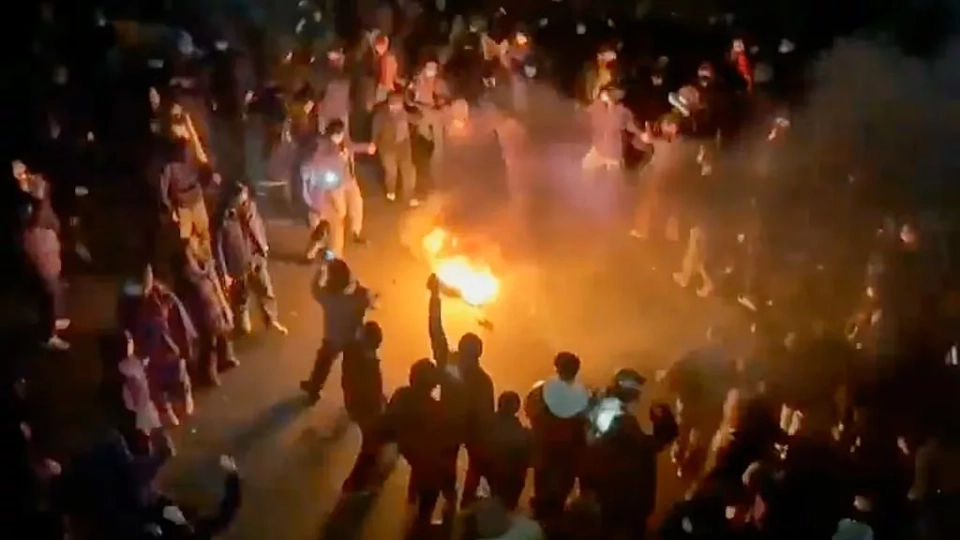
The Lebanese Shia group "Hezbollah," one of Iran's most influential allies in the region, is holding a public gathering today in support of Iran and in memory of Khamenei.