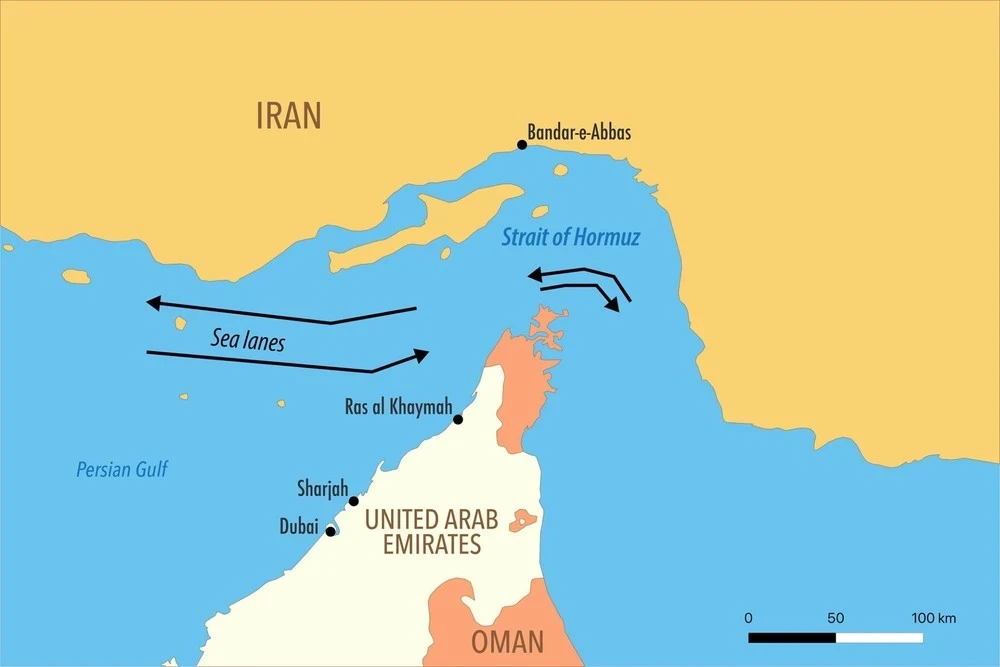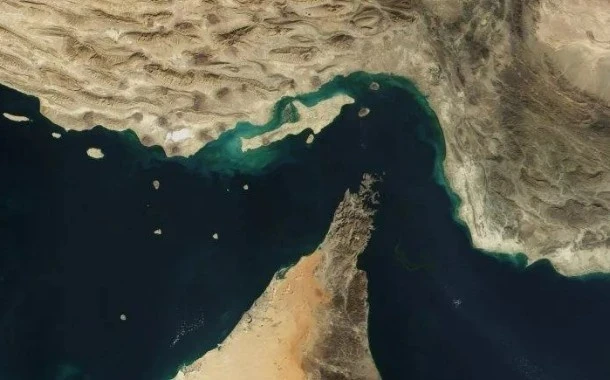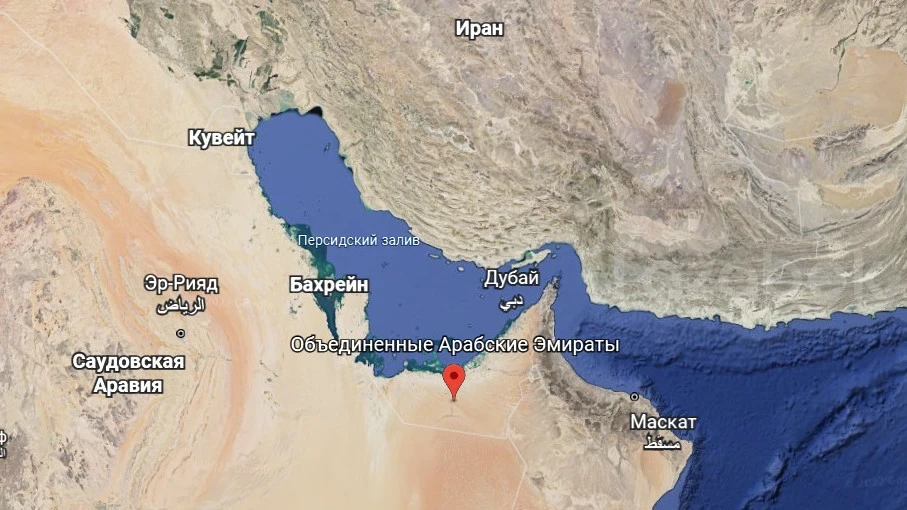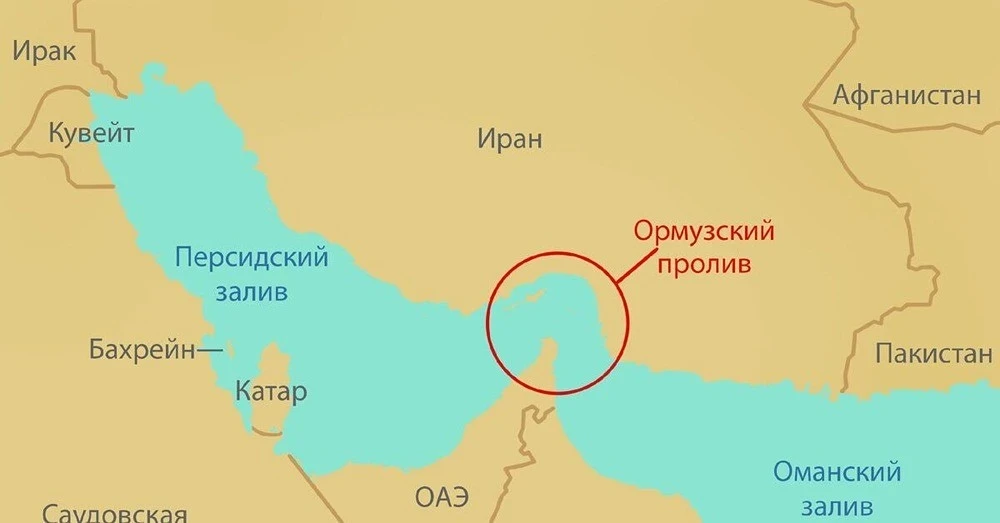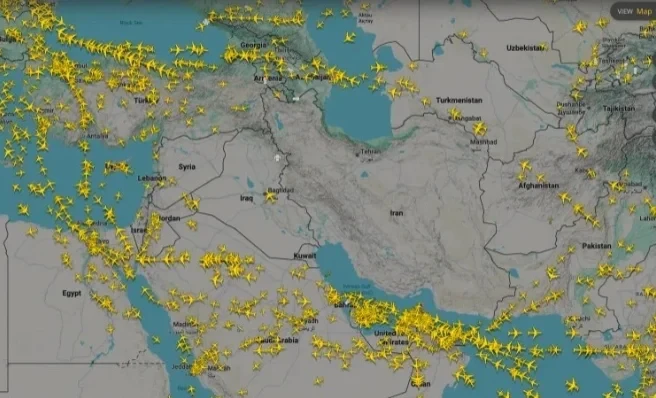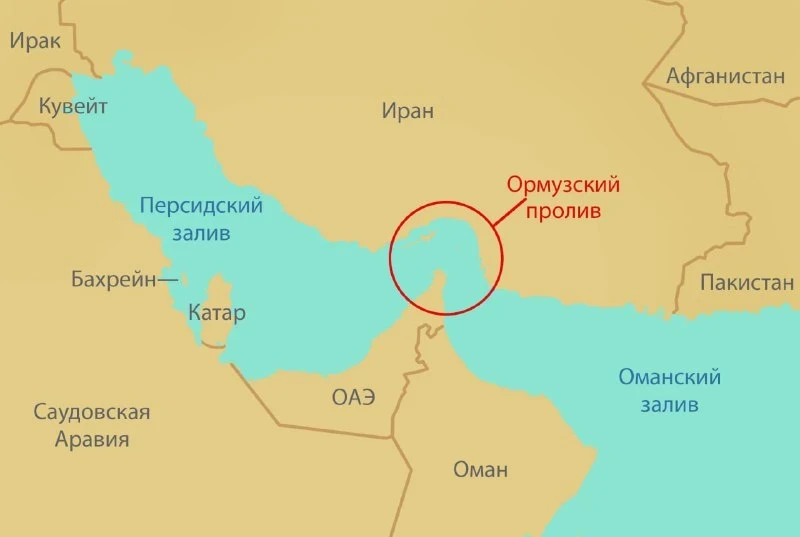
“Currently, the IRGC is blocking the Strait of Hormuz following the aggression against Iran,” Jabari stated.
It is worth noting that approximately 20% of the world's oil passes through this strategically important strait, as well as up to 30% of liquefied natural gas exported from Persian Gulf countries, including Iraq, Saudi Arabia, Kuwait, Bahrain, Qatar, and the UAE, to Asian markets.
The closure of this "corridor" could lead to a sharp rise in energy prices. Some experts predict that the price of oil could reach $100 per barrel.
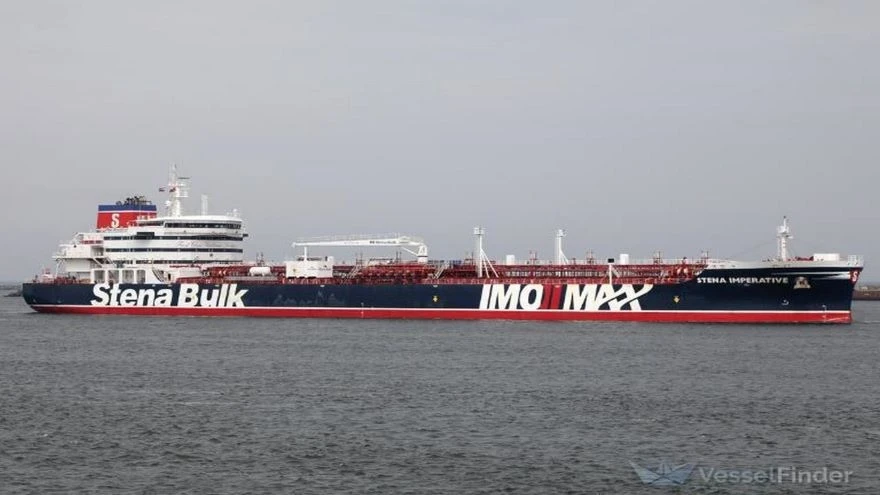
Reuters confirmed this information, citing a representative of the European Union's naval mission, who reported that the IRGC is warning vessels of the ban on crossing the strait via VHF radio communication.
As a result of the blockade, a significant traffic jam of ships has formed in the area of the port of Bandar Abbas, according to data from the MarineTraffic service.
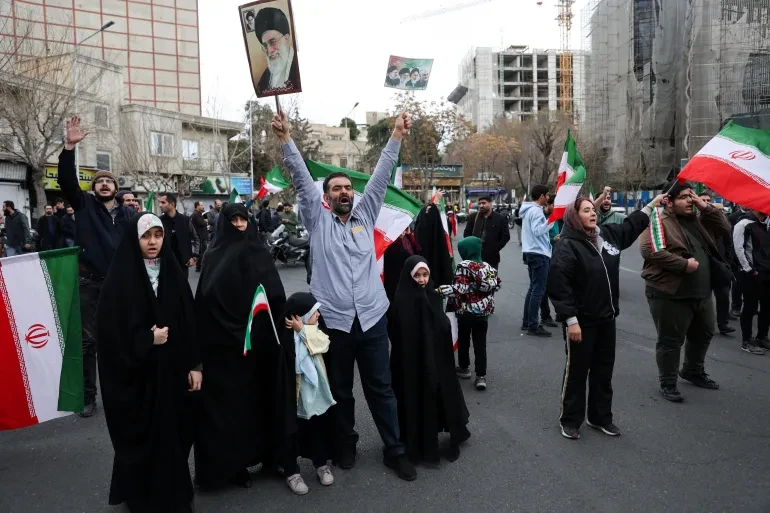
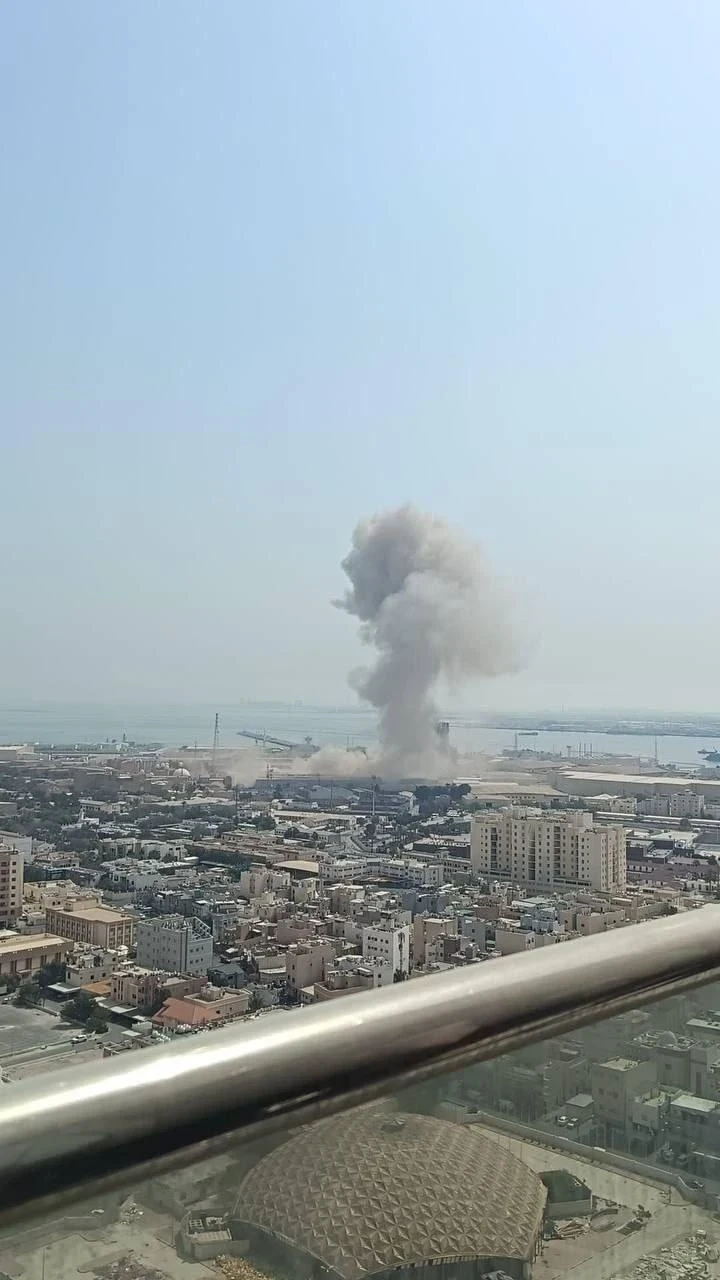
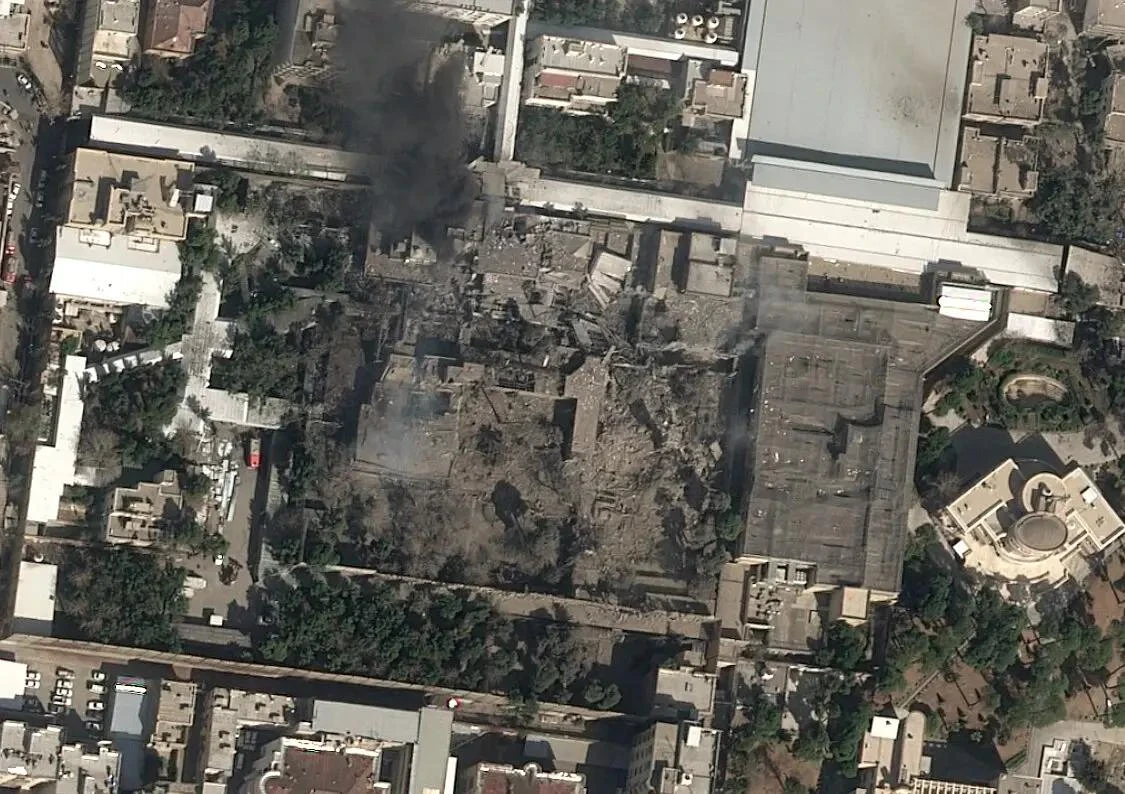
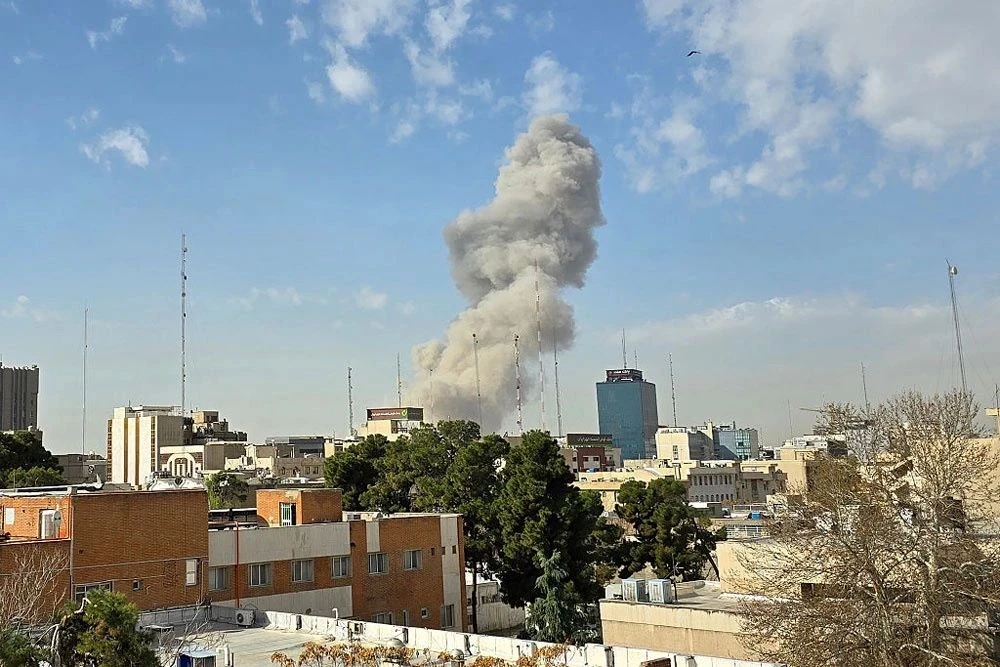
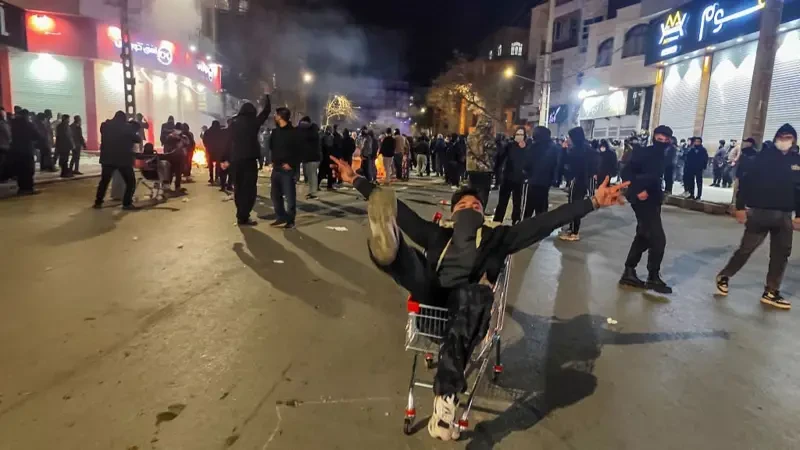
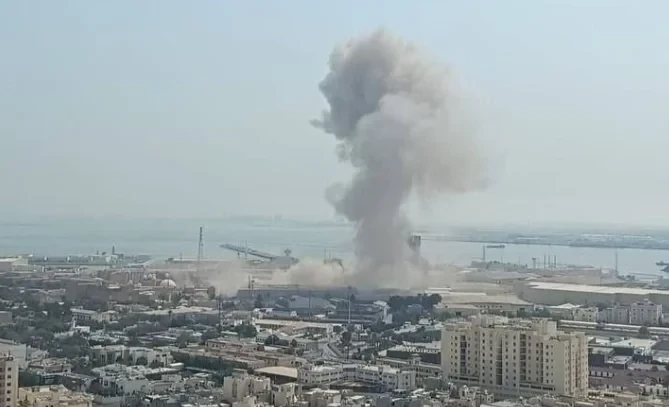
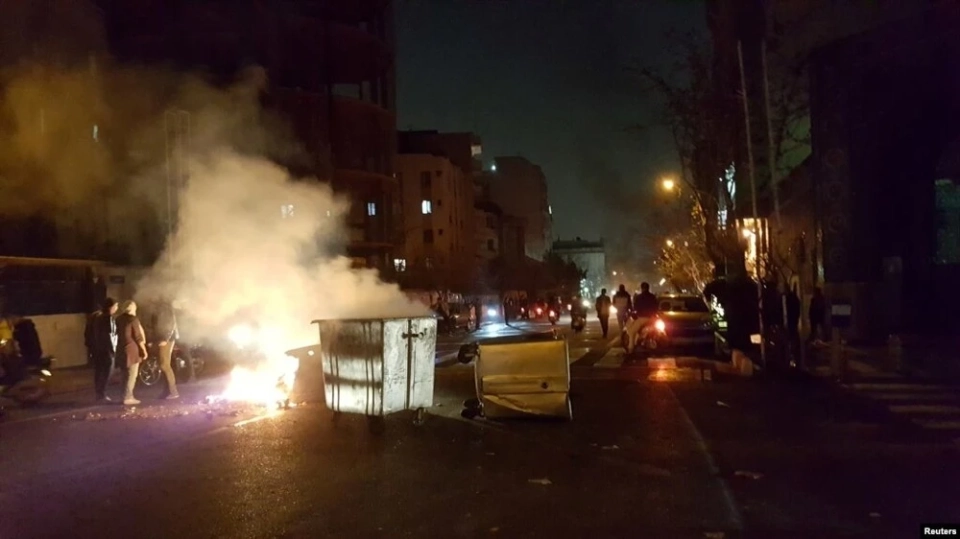
The military actions of Israel and the United States against Iran began on February 28 with numerous air and missile attacks on cities and military facilities. In response, Tehran attacked Israel and American bases in several countries in the Middle East. In the first hours of the attack, several high-ranking Iranian officials and military personnel were killed. Shortly after the operation, dubbed "Lion's Roar," U.S. President Donald Trump confirmed the information about the attack.
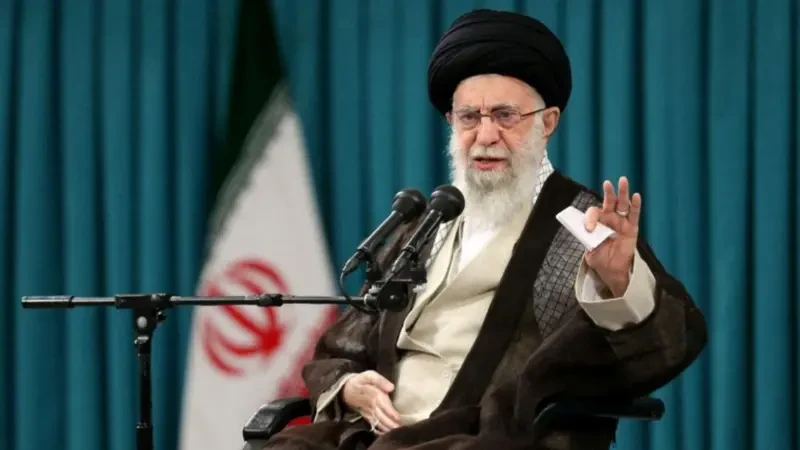
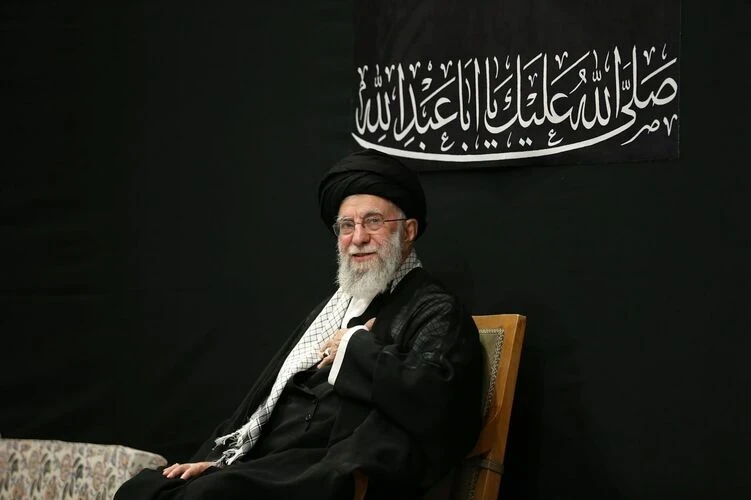
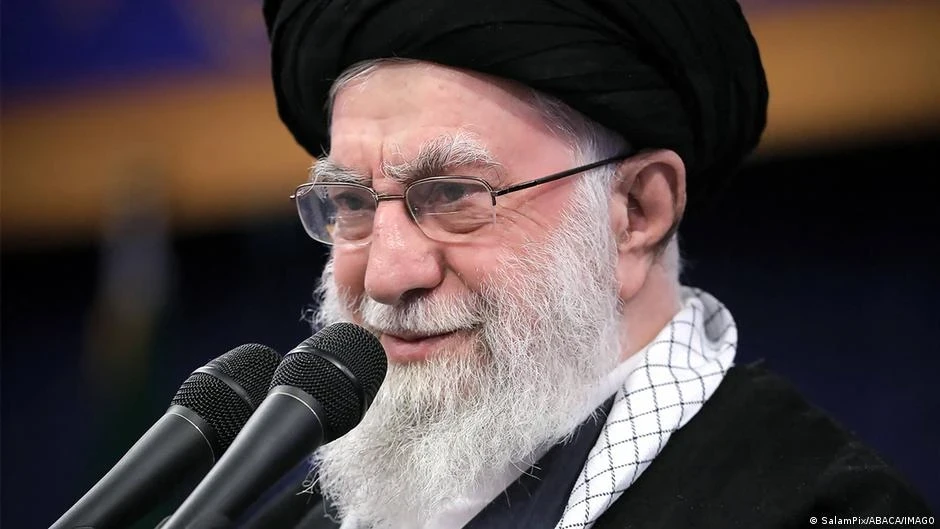
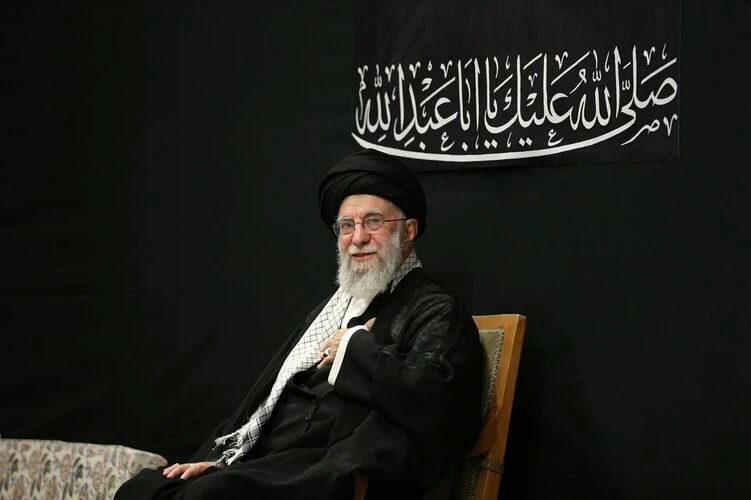
He also stated that Ayatollah Ali Khamenei has been killed.