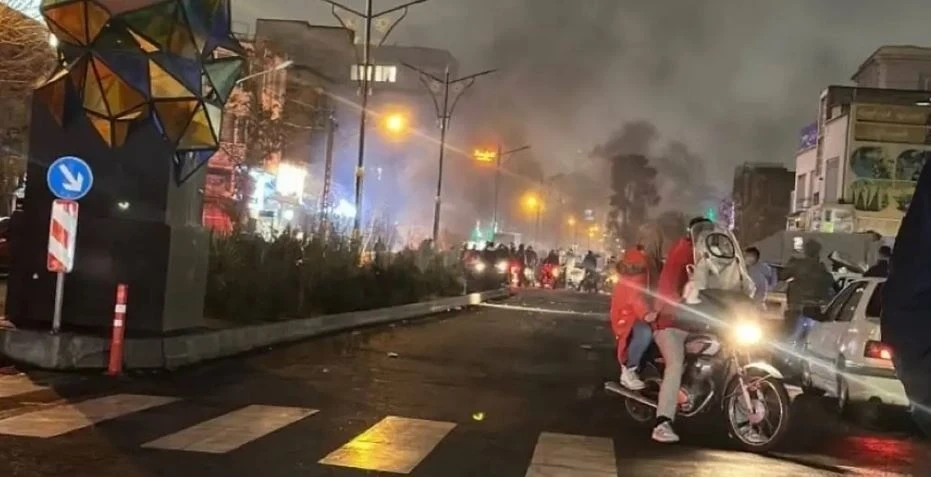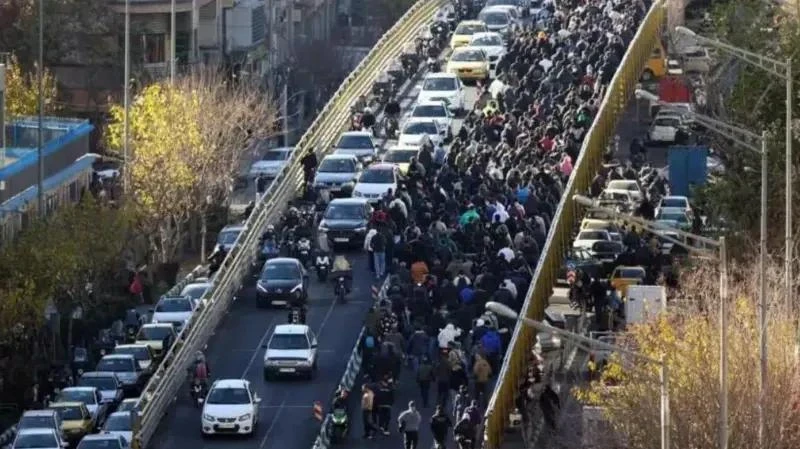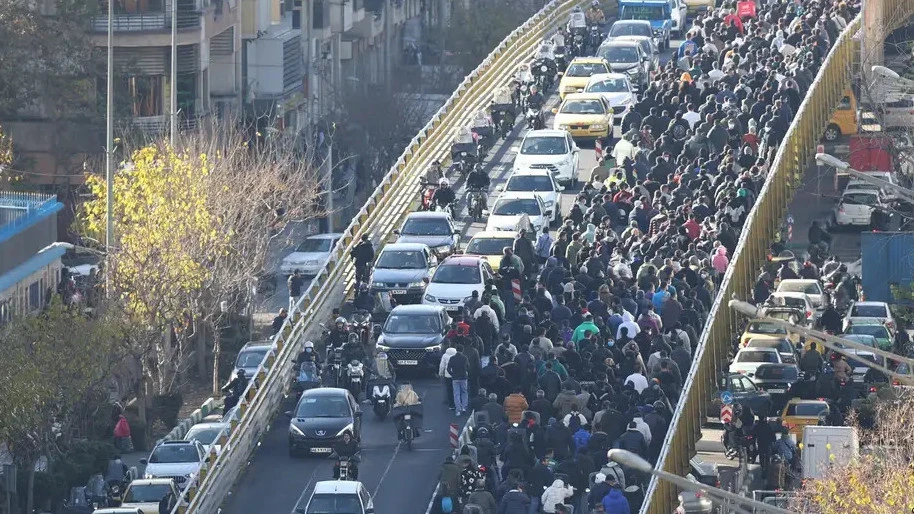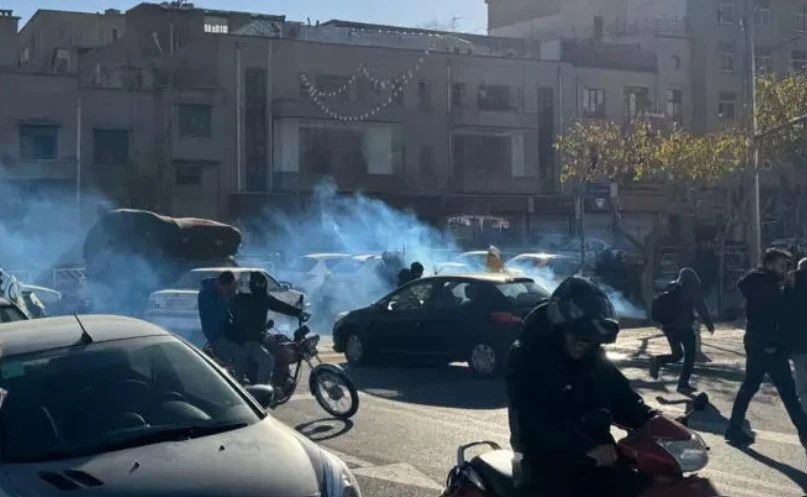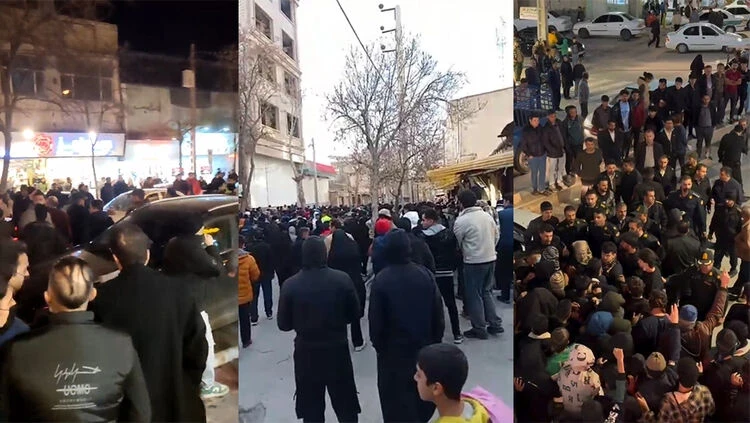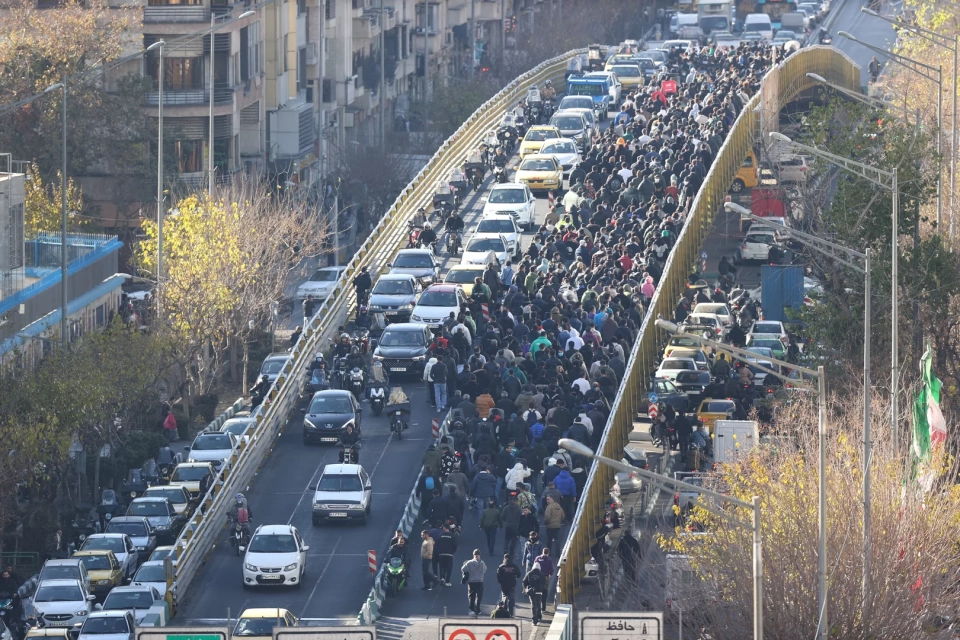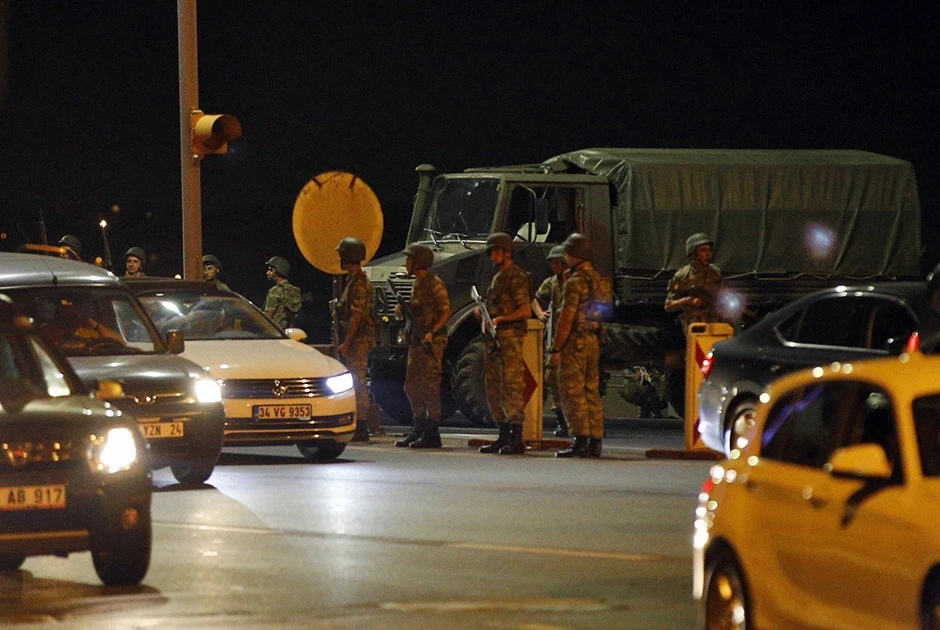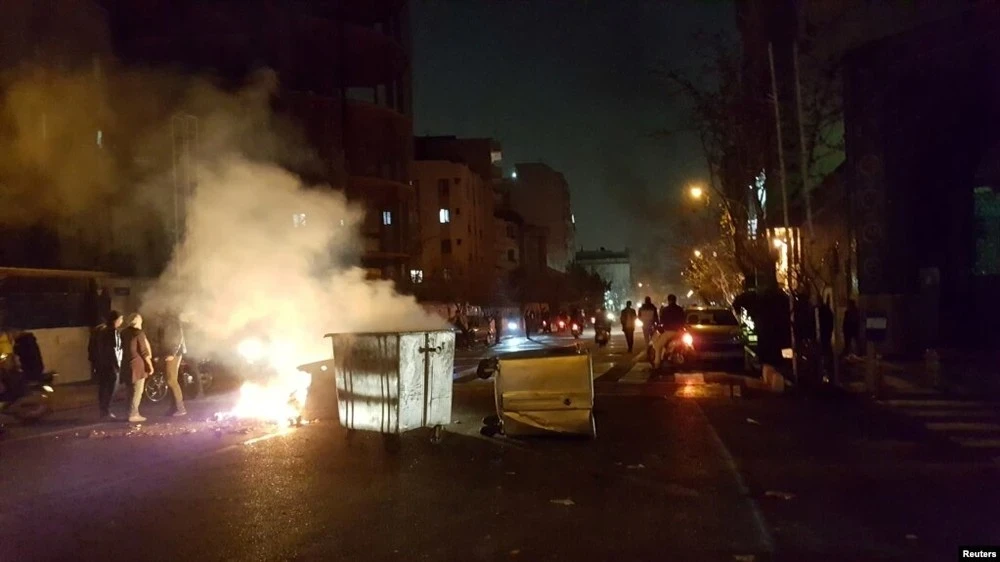
The protests that began in late December have spread to at least 88 cities, corresponding to 27 out of 31 provinces of Iran. According to human rights activists, in some cases, security forces used force, especially in smaller settlements.
The escalation of violence has provoked new protests in major cities, including Tehran and Mashhad, where students from at least 17 universities joined the demonstrations. In response, security forces began conducting raids on educational institutions. These events have become the largest protests in Iran since 2022, when the public was outraged by the death of 22-year-old Mahsa Amini after her detention by the "morality police."
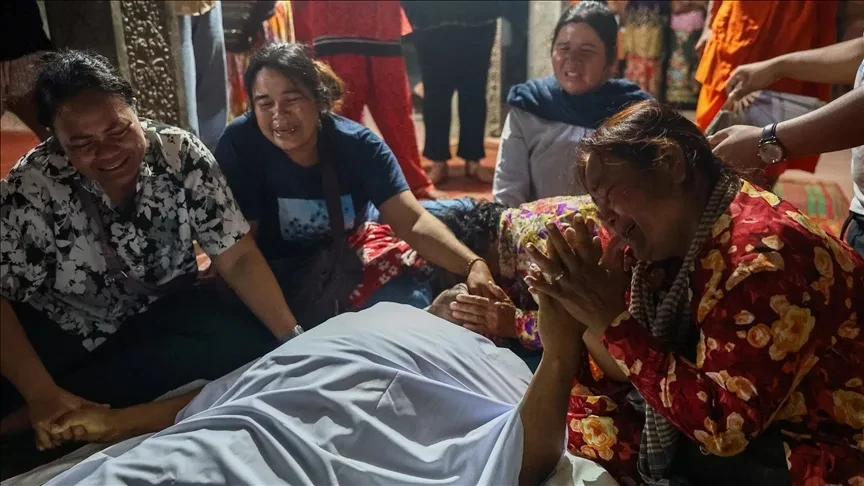
Among the 35 fatalities, according to human rights organizations, 29 were protesters, four were children, and two were security personnel. The official authorities of Iran have not made any statements regarding the number of dead or injured during the protests.
Earlier, Iranian state media reported the death of a 21-year-old member of the paramilitary force "Basij" in the city of Kuhdasht. He was killed during a demonstration when security forces attempted to disperse the protesters using weapons. In response, participants in the protests began throwing stones, which apparently led to his death.
On January 5, the Iranian judicial system confirmed that it would not show leniency towards those arrested during the protests.
According to The Times, 86-year-old Ayatollah Ali Khamenei is considering leaving Tehran if the army and security forces stop following his orders and side with the protesters. This so-called "Plan B" concerns not only Khamenei but also his inner circle, including his son Mojtaba.
Former Israeli intelligence officer Benny Sabti, who left Iran after the Islamic Revolution, believes that Khamenei may head to Moscow, as there are no longer safe places. He compared this to Syrian President Bashar al-Assad's escape to Moscow before the rebels captured Damascus.
The protests in Iran began on December 28 at the main bazaar in Tehran when many shop owners closed their stores in protest against hyperinflation and sharp price fluctuations. On December 29, the exchange rate of the Iranian rial fell to a record low, approximately equal to 0.00002 euros. According to World Bank data, food inflation in Iran in October was 64.2%, making the country one of the most affected in this regard, second only to South Sudan.
Note. The Human Rights Activists News Agency (HRANA) is a specialized human rights information agency operating under the non-governmental organization Human Rights Activists in Iran (HRAI).
The headquarters of HRAI/HRANA is actually located not in Iran, but in the USA — the organization is registered as a non-profit and is based in Virginia (Fairfax area), near Washington, USA.