According to information presented by MiddleAsianNews, the United States, together with allies and partners, seeks to change the global market for critical minerals and rare earth elements.
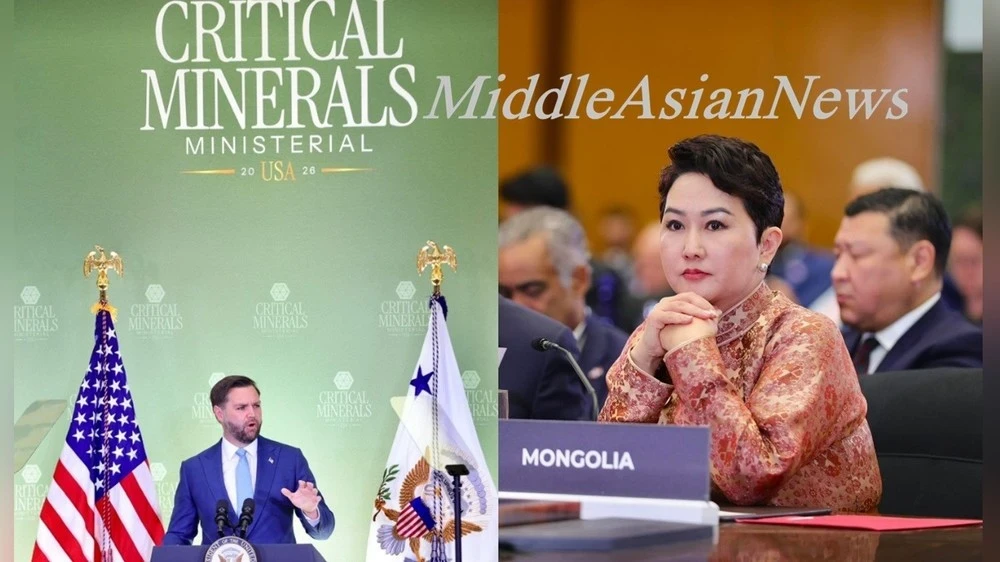
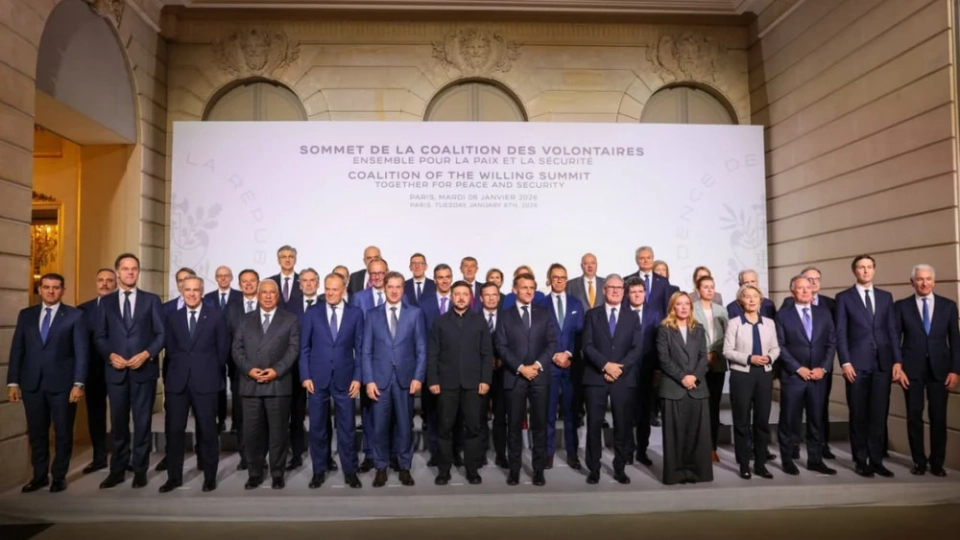
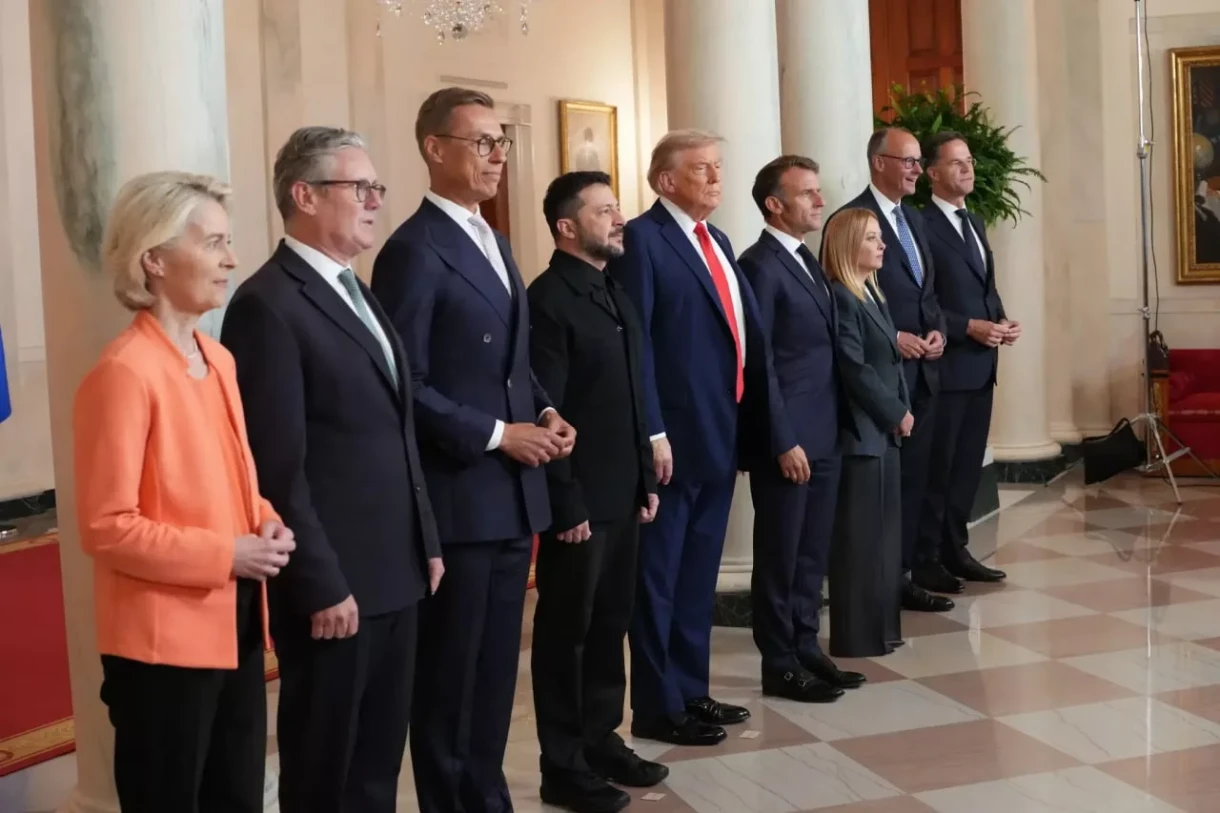
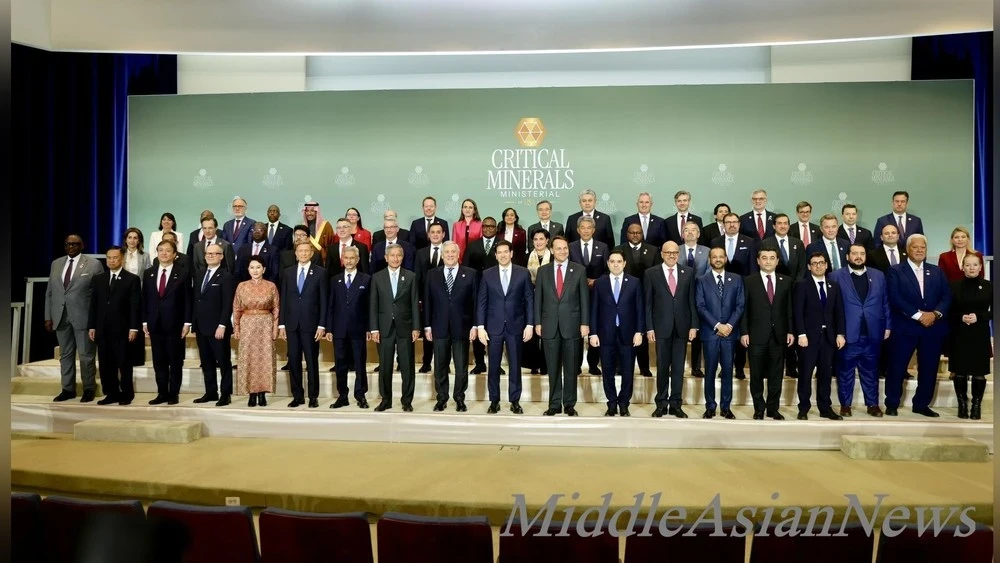
At the meeting organized by the United States, representatives from 54 countries and the European Commission gathered, marking a significant step in transforming the global market for rare earth elements and other critical minerals.
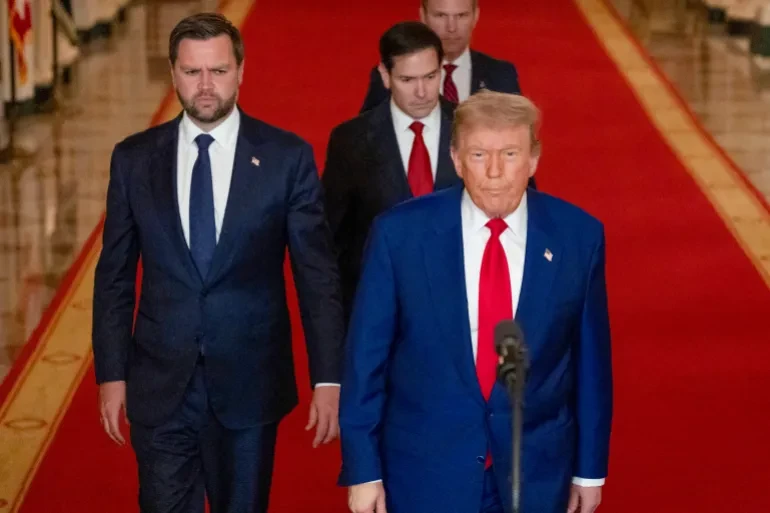
The 2026 Ministerial Meeting on Critical Mineral Resources was attended by Secretary of State Marco Rubio and other high-ranking U.S. officials, including Vice President J.D. Vance and ministers of finance, interior, and energy.
Delegations from numerous countries, including Angola, Argentina, Armenia, Australia, Bahrain, Belgium, and others, participated in the conference, which involved 43 foreign ministers and representatives from other agencies.
“Critical minerals and rare earth elements are becoming increasingly necessary for high technologies, and their significance will grow with the development of artificial intelligence and autonomous devices. Currently, the market is concentrated, which creates risks for our interests, and we intend to develop new supply sources and secure logistics networks,” stated the U.S. State Department.
As a result of the ministerial conference, the U.S. and its partners signed a number of agreements to create sustainable supply chains for critical minerals and announced the launch of the Forum for Geostrategic Interaction in the Resource Sector (FORGE).
The United States signed 11 new bilateral agreements on critical mineral resources with various countries, including Argentina, the Cook Islands, Ecuador, and others. These agreements aim to address pricing issues, develop fair markets, and eliminate gaps in supply chains.
Rubio announced the establishment of FORGE, which replaces the Partnership for Mineral Resource Security. The Republic of Korea will chair FORGE until June and will actively work on addressing pressing issues in critical minerals.
“We understand that government efforts are insufficient and intend to collaborate with the private sector to invest in the extraction and processing of minerals. In the lead-up to the ministerial meeting, we gathered leading experts to discuss supply chain issues. Deputy Secretary of State Landau was also present at the signing of a memorandum of understanding between Glencore and the Orion Critical Mineral Consortium,” the statement noted.
U.S. Export-Import Bank (EXIM)
On February 2, President Trump introduced the "Vault" project aimed at creating a strategic reserve for critical minerals. EXIM approved a loan of up to $10 billion to implement this initiative, marking a record financing in the bank's history.
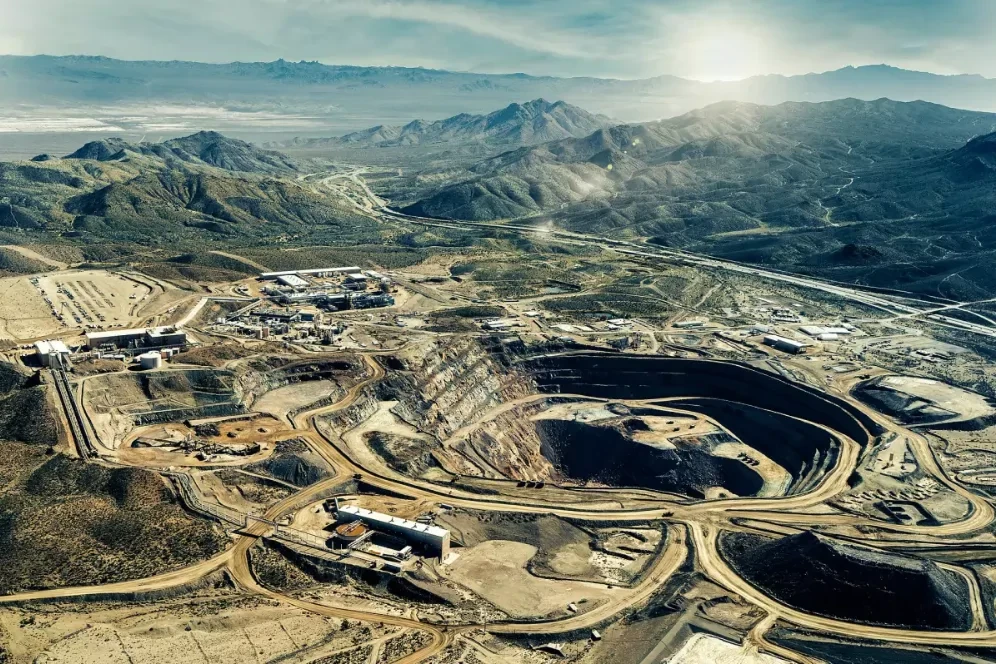
Over the past year, EXIM issued interest for $14.8 billion for critical mineral extraction projects, including recent investments in rare earth element processing and lithium extraction.
Among the approved EXIM transactions in the field of critical minerals:
$10 billion – Vault Project: Creation of a strategic reserve of critical minerals in the U.S. to support domestic producers and strengthen supply chain security
$1.3 billion – Reko Diq (Pakistan): Copper and gold production
$27.4 million – 6K Additive (Pennsylvania): Titanium, nickel, and advanced metal powders
$23.5 million – Amaero Advanced Materials (Tennessee): Processing of advanced materials and critical metals
$15.9 million – Empire State Mines (New York): Zinc extraction and production
$11.1 million – IperionX (Virginia): Titanium processing and production.
The Department of Energy also announced additional funding and partnership opportunities in 2025, including:
$134 million for the establishment of a rare earth element demonstration center to strengthen supply chains (NOFO, December 1, 2025);
$355 million to support the "Mine of the Future" initiative for developing next-generation mining technologies (NOFO, November 14, 2025);
$50 million for the creation of a critical mineral development acceleration program (NOI, August 13, 2025);
$500 million in grants for battery recycling and disposal (NOI, August 13, 2025);
$40 million for reliable ore characterization using Keystone Sensing (ROCKS) (NOFO, August 25, 2025);
$20 million for the "Magnetic Acceleration" project (MAGNITO) (NOFO, August 25, 2025);
$6 million for the "Technology for Extracting and Advanced Mining of Critical Materials – Gallium" project (TRACE-Ga) (PIA, September 15, 2025);
Department of Defense
Ambler Metals, raised $35 million in equity, October 2025, Alaska;
Alcoa-Sojitz, raised $93 million in equity, October 2025, Western Australia, raised $170.3 million in equity from foreign and private investors;
Vulcan Elements, raised $620 million in debt financing, November 2025, North Carolina, raised $550 million in equity from private investors;
ReElement, raised $80 million in debt financing, November 2025, Indiana, raised $200 million in equity from private investors;
Korea Zinc, raised and financed $1.25 billion in debt financing, conditionally raised $2.4 billion in debt financing in December 2025, Republic of Korea and Tennessee, raised $2.4 billion in debt financing from private investors;
Korea Zinc, financing of $150 million, December 2025, Republic of Korea and Tennessee, raised $540 million from private investors;
Atalco, financing of $150 million, December 2025, St. Ann, Jamaica and Louisiana, raised $300 million from private investors.
U.S. International Development Finance Corporation (DFC)
During the Trump administration, DFC directed over a billion dollars towards investments in mineral exploration and strengthening critical mineral supply chains, including:
Initial investments of $75 million in critical minerals in Ukraine, which attracted an additional $75 million in government funding;
$600 million in the Orion Critical Minerals consortium for investments in critical minerals worldwide, which secured an additional $1.2 billion in government funding;
$565 million for rare earth element extraction in Brazil;
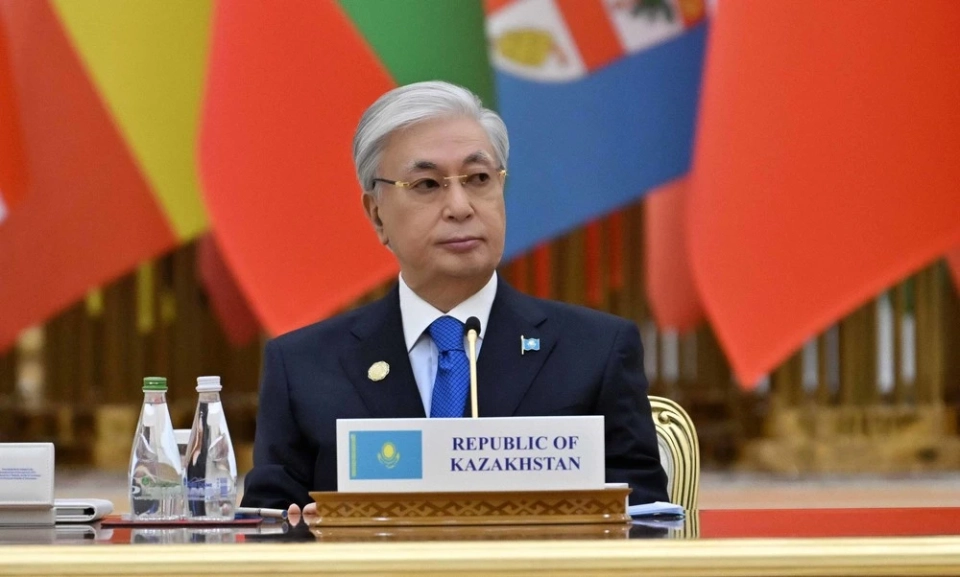
Letter of intent to raise up to $700 million for financing the development of tungsten deposits in Kazakhstan;
Negotiations for a joint venture with an African trading company that secured copper supplies for the U.S. and allies;
Strategic partnership to explore investment opportunities in critical mineral resources with leading companies in the Persian Gulf.
Office of the U.S. Trade Representative (USTR)
USTR presented an Action Plan on Critical Minerals with Mexico, which includes coordination of trade policies to enhance supply chain resilience.
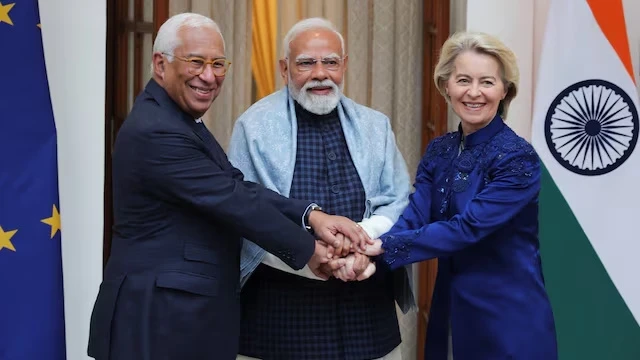
Additionally, USTR also announced cooperation between the U.S., the European Commission, and Japan to develop plans to enhance the resilience of critical mineral supply chains.