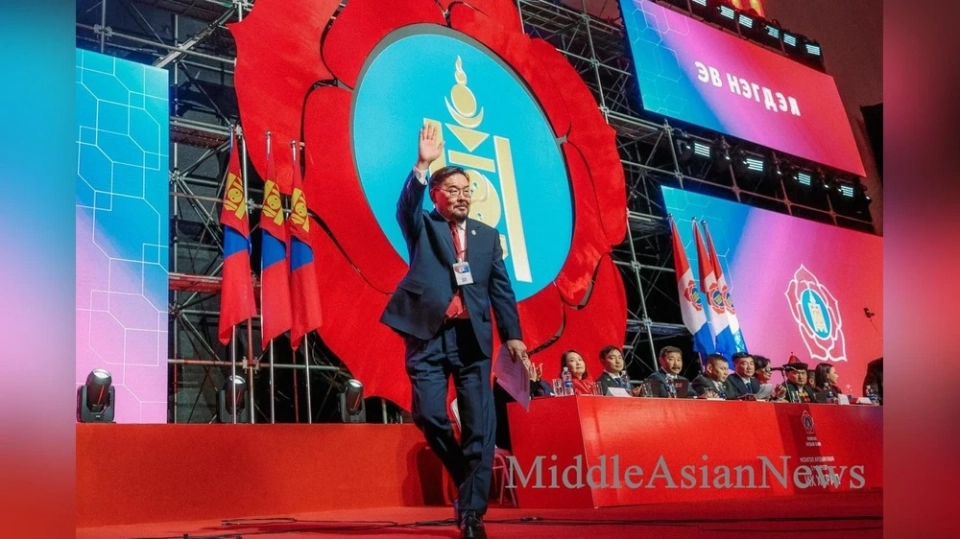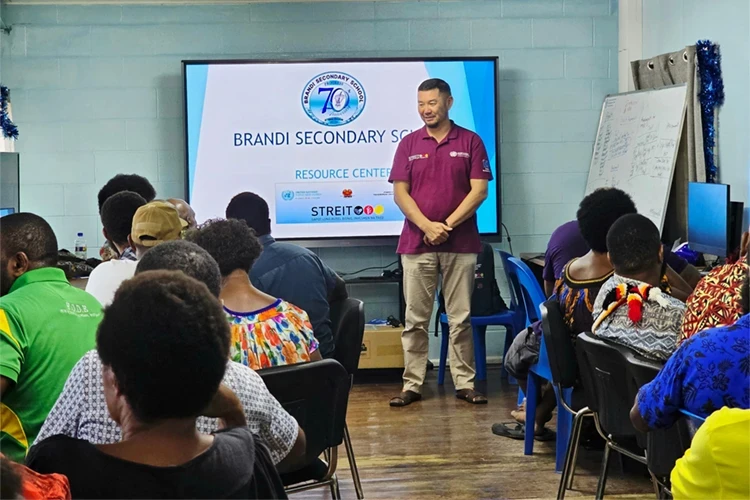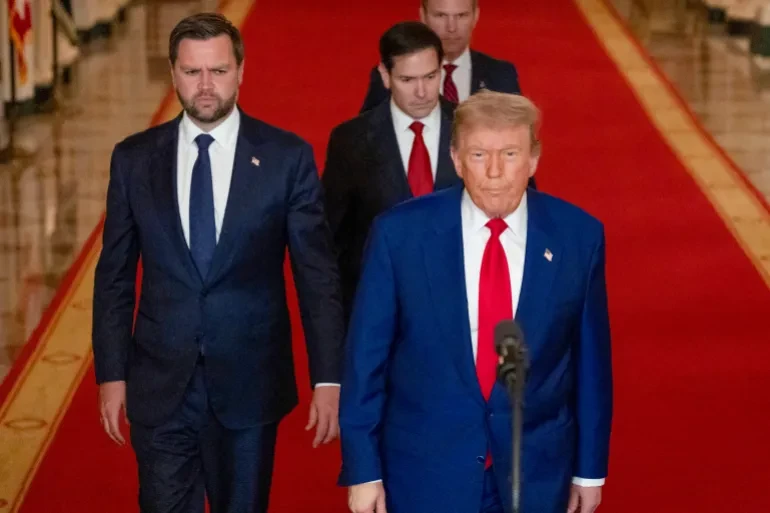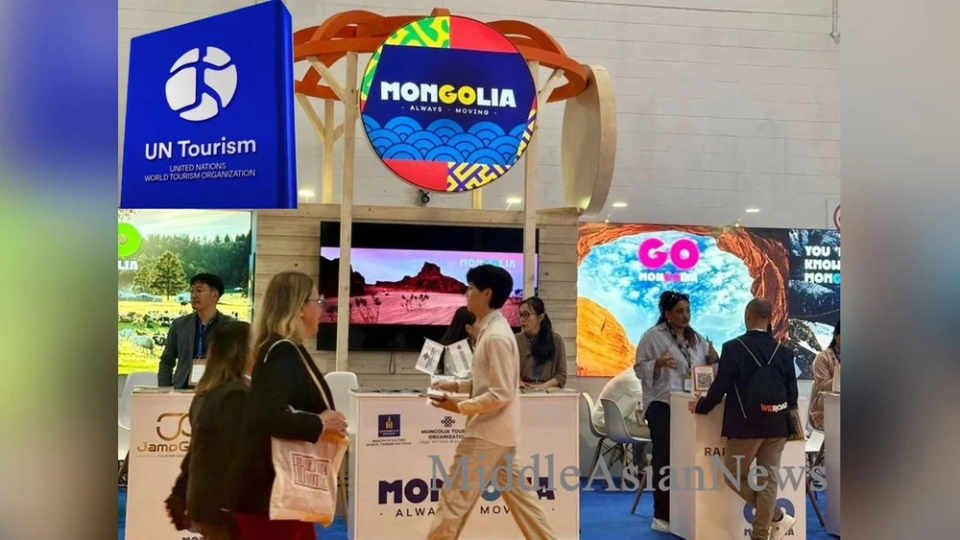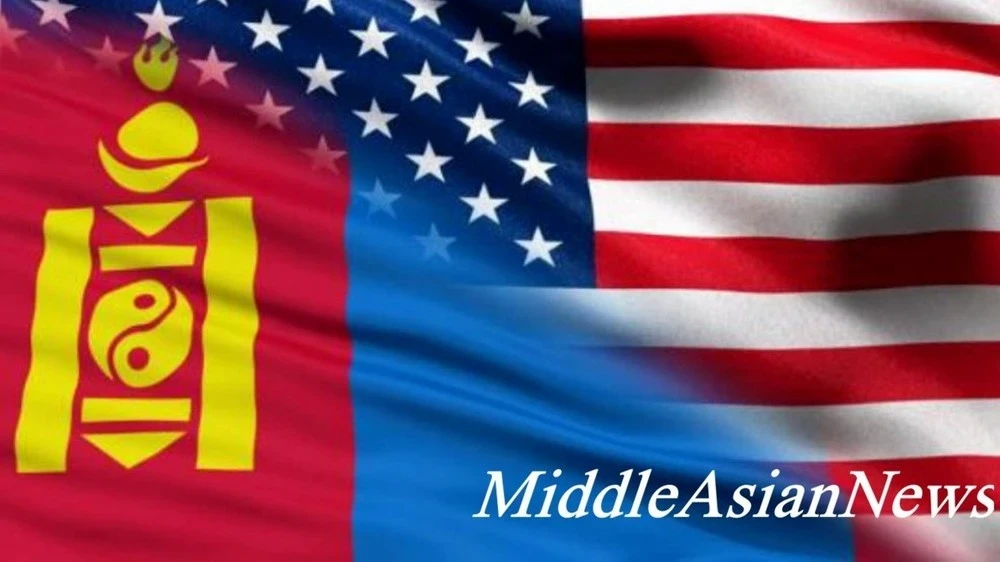
According to information from MiddleAsianNews, Mongolia views the United States as its "third neighbor." The democratic regime in Mongolia was established in 1990, which marked the beginning of regular presidential and parliamentary elections. The U.S., in turn, seeks to support Mongolia in implementing market reforms and strengthening cultural and economic ties.
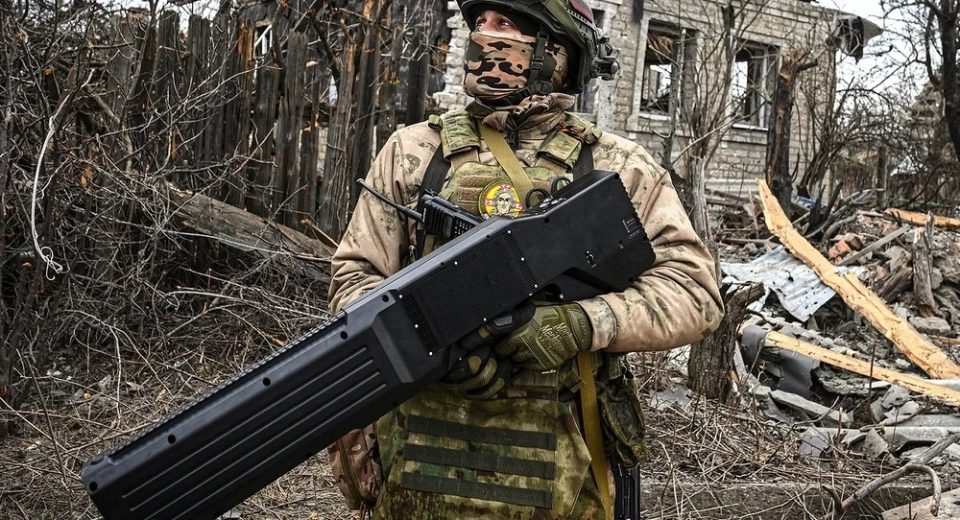
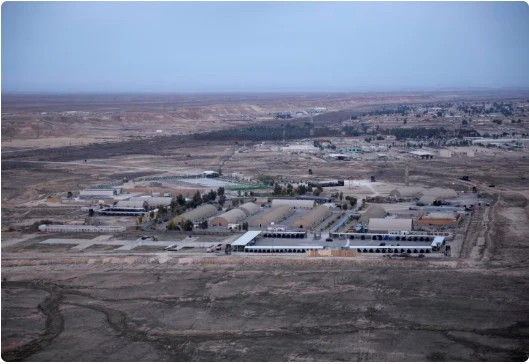
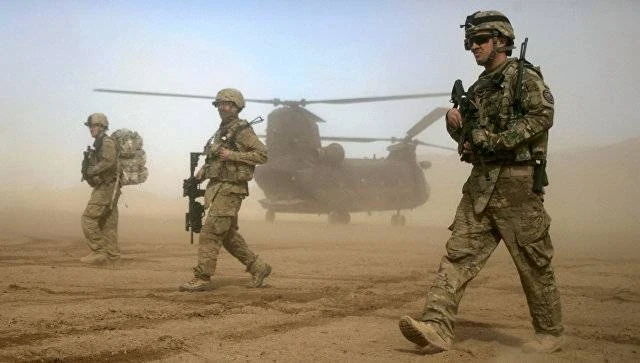
From August 2003 to September/October 2008, Mongolia sent over 2,000 of its military personnel to Iraq, participating in ten rotations in support of U.S.-led coalition operations. The primary task of the Mongolian troops, operating as part of the multinational Central-South division, was to ensure security and patrol the Kerbala area, including the protection of Camp Echo.
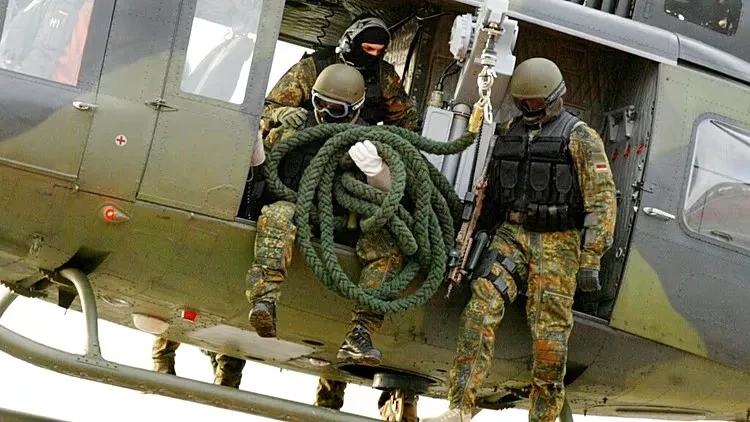
With increasing participation in coalition missions, in 2006 infantry units were sent to Kosovo alongside Belgian troops under the KFOR mandate. In 2010, two infantry companies were deployed in Kabul, where one provided security for the airport, while a group of instructors trained Afghan soldiers in operating Russian Mi-17 helicopters. That same year, Mongolia was recognized by NATO as a partner country.
In 2003, Mongolia and Alaska formalized an official partnership under the National Guard State Partnership Program. Since 2004, members of the Alaska National Guard have become part of the Mongolian Armed Forces, serving together in Iraq and Afghanistan. Additionally, from 2017 to 2021, 30 female soldiers from Mongolia participated in missions in Afghanistan.
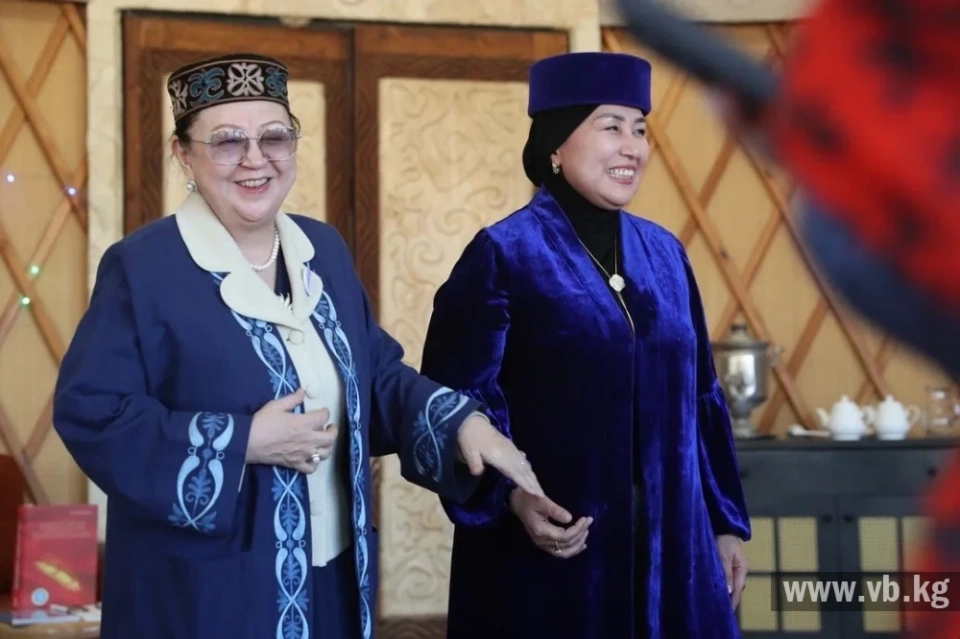
In August 2024, U.S. Secretary of State Antony Blinken visited Mongolia for closed negotiations with Foreign Minister Battsetseg Batmunkh. During the meeting, issues of expanding and strengthening strategic partnership were discussed in the context of Mongolia's foreign policy doctrine "Third Neighbor." Later that same day, Blinken met with Mongolian President Ukhnaagiin Khurelsukh and Prime Minister Oyun-Erdene Luvsannamsrai, where international and regional issues of mutual interest were also raised.
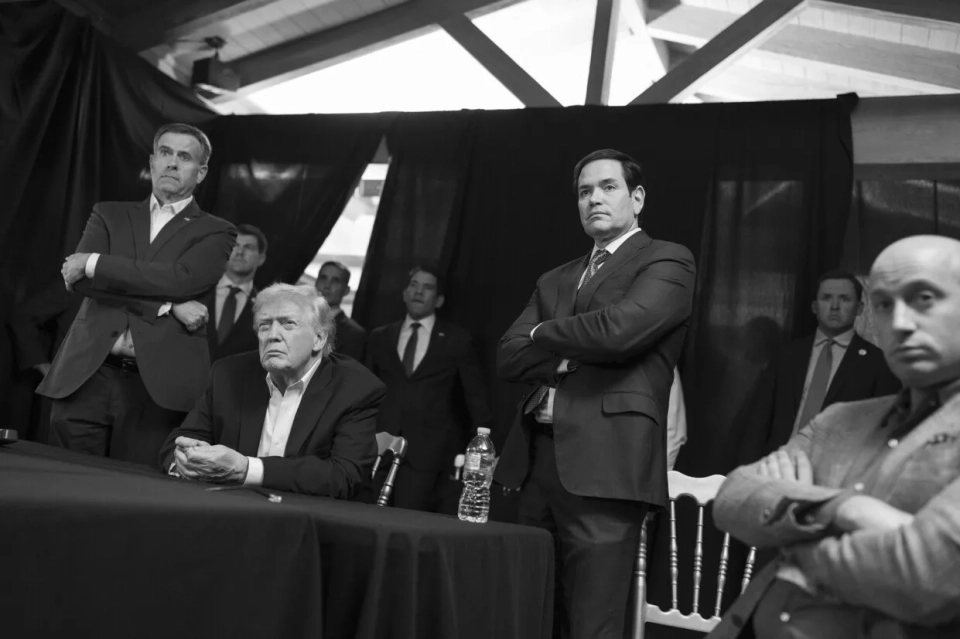
On May 30, 2025, U.S. Secretary of State Marco Rubio met with Battsetseg Batmunkh, the Foreign Minister of Mongolia, to discuss ways to expand economic cooperation between the two countries. Rubio emphasized the need to support Mongolia's democratic values and its independent foreign policy.
On September 25, 2025, on the sidelines of the UN General Assembly in New York, Deputy Secretary of State Christopher Landau met with Battsetseg Batmunkh. Both ministers reaffirmed their countries' shared interests and the democratic values that form the basis of the "Third Neighbor" strategic partnership between the U.S. and Mongolia, as well as discussed opportunities to expand economic relations.
U.S. exports to Mongolia include vehicles, machinery, agricultural products, optical and medical instruments, while imports from Mongolia to the U.S. consist of tungsten ore, antiques, knitted garments, jewelry, and agricultural products.
On the 39th anniversary of diplomatic relations between Mongolia and the U.S., there is a high level of interaction aimed at strengthening security and developing civil society.
On January 27 of this year, we celebrate 39 years of diplomatic relations between the United States and Mongolia. Since the establishment of our partnership in 1987, we have strengthened democratic values, developed people-to-people ties, and contributed to peace, security, and prosperity for both countries. "Congratulations on the anniversary of the strong friendship between the United States and Mongolia," said Ambassador Richard Buangan on his page on X.