Despite the dominance of oil, new realities require attention to rare earth elements, which are becoming an important resource in the context of electrification and digitalization of the economy.
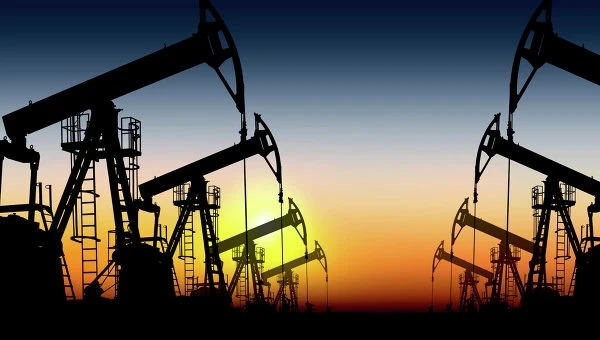
Oil continues to be a vital element of the global economy, with consumption exceeding 100 million barrels per day. Forecasts indicate that the demand for oil will remain high until the 2030s, despite the transition to alternative energy sources.
Oil markets are characterized by scale, flexibility, and storage capacity, allowing for rapid responses to supply disruptions. However, rare earth elements have a completely different nature. They are not used as fuel but are the foundation of technologies that enable automation and digital infrastructure.
Key components, such as permanent magnets made from rare earth materials, are essential for electric vehicles, wind turbines, robotics, and modern military technologies.
The shift from "black gold" to strategic metals
At the Rare Earth Mines, Magnets & Motors (REMM&M) conference held in October 2025 in Toronto, Lawson Winder, an analyst at Bank of America, discussed the growing risks.
According to Bank of America, global demand for neodymium magnets, one of the most sought-after types of rare earth elements, could grow by 9% per year until 2035. The passenger electric vehicle sector could grow by about 11% per year, while demand for robotics magnets could increase by nearly 29%.
In the United States, growth could reach 18% per year, leading to a fivefold increase in demand by 2035, while in Europe, this figure could reach 2.5 times over the same period. In the context of rising global oil demand, a slowdown to less than 1% per year is expected.
Demand exceeds supply
With the growing interest in rare earth elements, Europe faces a shortage of its own capacities for their extraction and processing. Bank of America predicts that the deficit in the region will increase.
China controls about 90% of the production of rare earth oxides, such as neodymium and praseodymium, and nearly all production of heavy rare earth oxides, including dysprosium and terbium. It also produces about 89% of the world's rare earth magnets.
According to Bank of America, China accounts for about 87% of rare earth element processing capacity. It holds approximately 49% of the world's oxide reserves and produces about 69% of unseparated products.
This dominance creates vulnerabilities for the global economy, as rare earth elements are not just raw materials but represent a complex manufacturing system that requires significant investments and technologies.
The challenges of processing and production, as highlighted by China's export restrictions in April 2025, underscore the complexity of the entire supply chain.
“Physical AI” is bringing attention back to critical materials, claims Jordi Visser from 22V Research. He notes that the deployment of technologies requires significant reliance on resources where China holds dominant positions.
AI is not limited to software; it includes hardware such as robots and sensors that require rare earth elements to function.
Visser emphasizes that dependence on Chinese processing capacities is a strategic vulnerability that cannot be quickly resolved.
Control over bottlenecks
Despite the push for decarbonization, oil remains an important element of the economy, influencing inflation and shaping international trade balances.
However, in a new industrial era where automation, electrification, and AI are becoming key, rare earth elements increasingly determine who is capable of building the future.
This creates both opportunities for manufacturers and challenges for governments trying to protect their supply chains. As control over resources becomes increasingly important, rare earth elements are beginning to play a crucial role in shaping the future.