Rising Tariffs
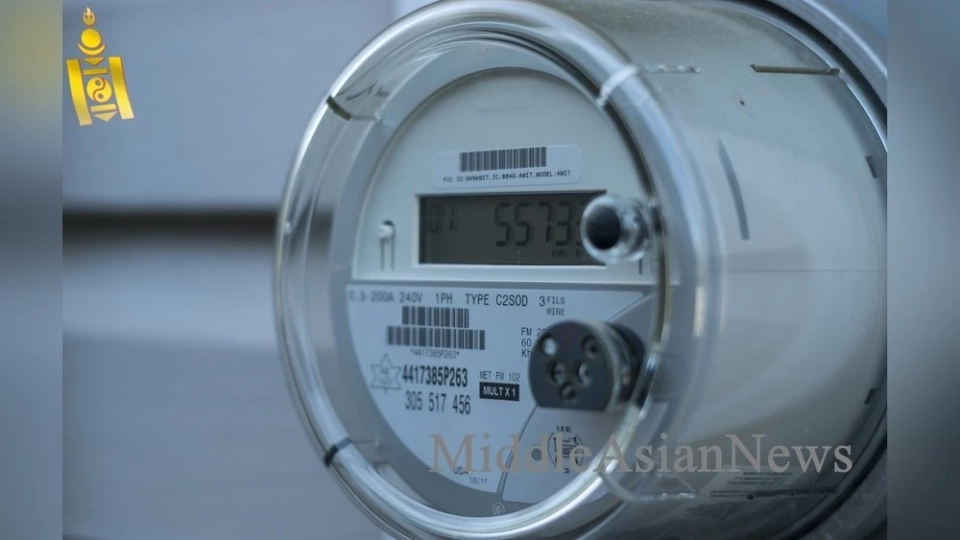
As of May 1, 2025, electricity tariffs in Kyrgyzstan increased again. The changes affected the following categories:1. For the population:
- for consumption up to 700 kWh, the tariff rose from 1.11 to 1.37 som/kWh, which is an increase of 23.8%, and will continue to rise annually by 20%;
- for consumption over 700 kWh, the cost increased from 2.39 to 2.60 som/kWh, rising by 8.5% (due to inflation and a 3.5% change in the dollar exchange rate).
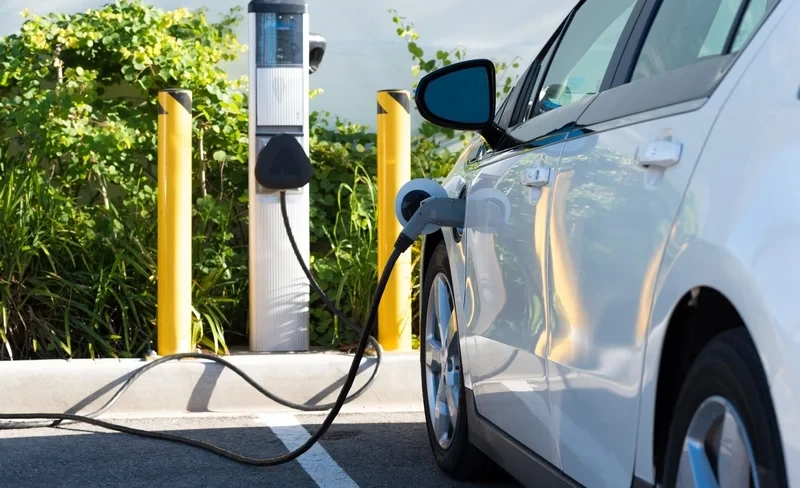
Additionally, the Ministry of Energy decided that annual tariff increases are insufficient and proposed to introduce differentiated tariffs for three groups of consumers: "Electric Vehicle Charging Stations," "Industrial Consumers," and "Commercial Consumers." Electricity prices will vary depending on the time of day, but this is still just a proposal.
Situation with Outages
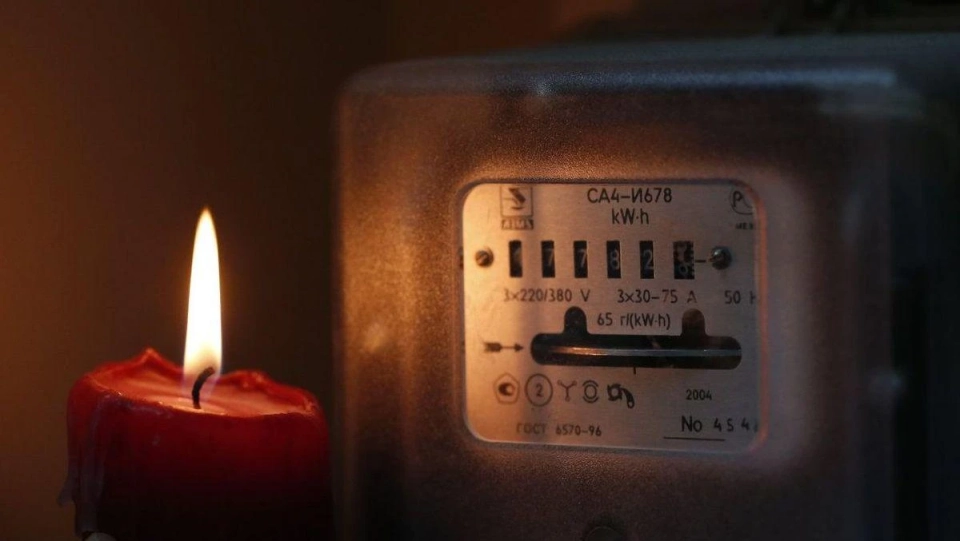
Despite the increase in tariffs, electricity issues persist. During the winter period, Kyrgyzstan once again faced a lack of capacity, which became particularly noticeable with the onset of cold weather. September 2025 was marked by a statement from Energy Minister Taalaibek Ibraev about critically low water levels in reservoirs, indicating a challenging winter ahead.Complaints from citizens about power outages began to arrive almost immediately. The Chui Electric Networks enterprise announced temporary regulatory measures due to equipment repairs. By November, the situation worsened: energy companies reduced the capacity of electricity meters, which became known only after mass complaints. Commercial entities were also prohibited from using outdoor lighting.
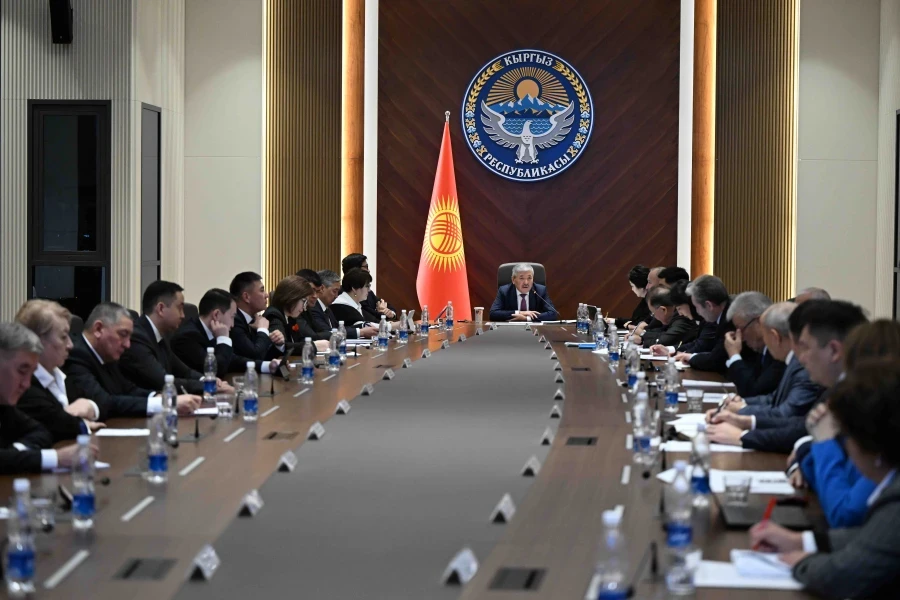
In early November, the government adopted a resolution introducing additional measures for electricity conservation: lighting in government buildings was prohibited after 6 PM. Restrictions even affected schools, which were switched to energy-saving modes. The head of the State Committee for National Security, Kamchybek Tashiev, banned events in cafes and restaurants after 10 PM; however, President Sadyr Japarov intervened and asked not to overdo it, leading to a softening of the requirements.
Despite all the difficulties, the energy minister assures that there is no energy crisis and urges citizens not to panic, as the ministry has previously successfully dealt with similar situations.
At the moment, no new electricity conservation restrictions have been introduced due to warm weather, but this may change in the event of severe frosts.
Development of New Energy Sources
The country continues to build new energy capacities to reduce the gap between electricity production and consumption. In 2025, several small projects were launched, while large power plants are in the process of signing financing agreements.Among the new facilities reported by Kaktus.media, the following can be highlighted:
- On December 24, 2025, President Sadyr Japarov participated in the opening of the first solar power station in Kemin, with a capacity of 100 MW and investments of $56 million.
- The launch of the small hydropower plant "Shamshy" in the Chui region, financed with $1 million from the Russian-Kyrgyz Development Fund.
- The completion of the reconstruction of hydro units at the Toktogul and Uch-Kurgan HPPs, which increased the capacity of the Toktogul HPP from 1,200 to 1,440 MW and modernized the Uch-Kurgan HPP by 18 MW. Full reconstruction is planned for 2026 after all stages are completed.
- The launch of the Kara-Kul HPP with two hydro units totaling 18 MW, implemented at a cost of $25 million.
- In anticipation of Independence Day, new HPPs were launched in the Issyk-Ata and Ak-Suu districts.
Kambar-Ata-1: Next Steps
The construction of the Kambar-Ata-1 HPP became the central project of 2025 for Kyrgyzstan. Work on the project began in 2020, and since then, the country has actively discussed at all levels the need for financing this large-scale construction.The master plan includes a rock-fill dam, a power station building with four hydro units, spillways, tunnels, a residential settlement, and treatment facilities. The project implementation period is nine years, with plans to commission the first hydro unit in seven years, provided funding is secured. A key element is the construction of a dam 256 meters high, which is recognized as the most challenging.
In January 2023, the energy ministers of Kyrgyzstan, Kazakhstan, and Uzbekistan signed an agreement on the project. In June 2024, the three countries signed a memorandum on joint implementation, creating a Coordination Committee for donors.
In 2025, an updated feasibility study for the project was presented, but its actual cost has not yet been disclosed. In October of last year, it became known that the European Union would provide $2.4 billion for the project for the three countries, and in December, President of Uzbekistan Shavkat Mirziyoyev announced the start of financing in 2026.