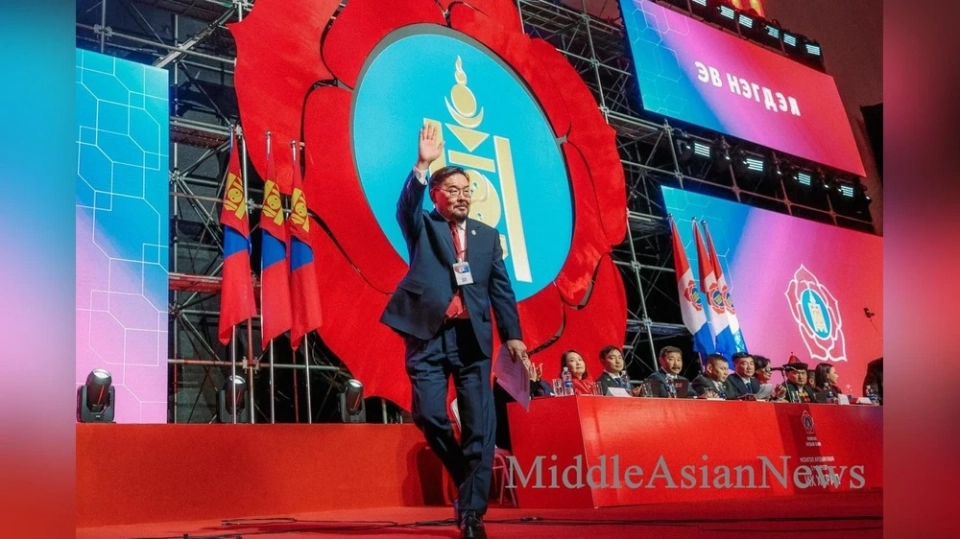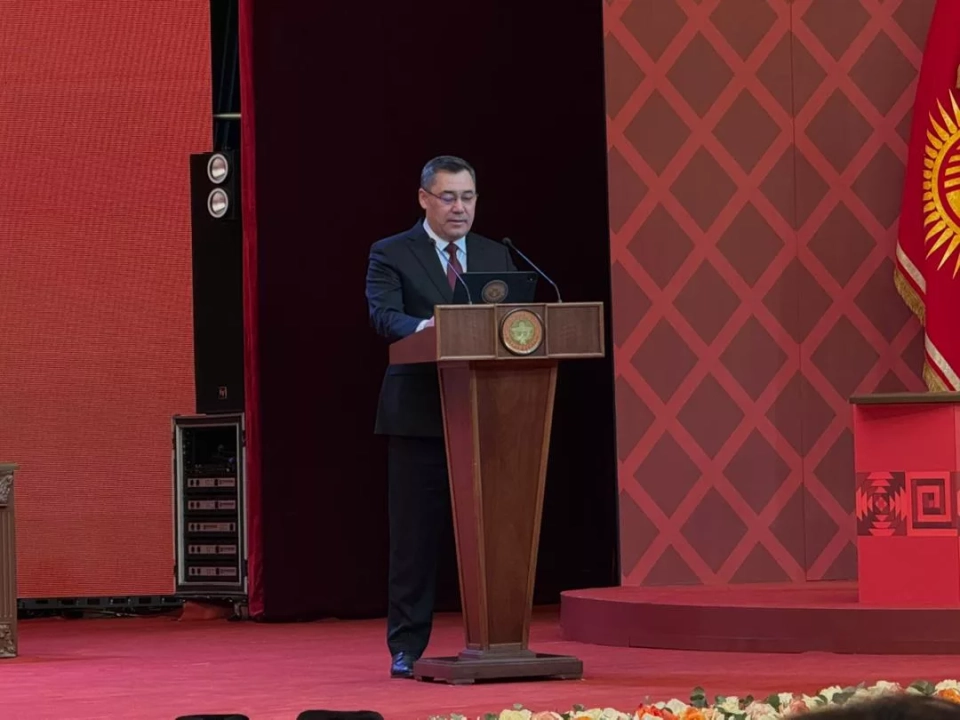
Although the democratic allies of the United States abstained from participation, the government of Zandanshatar became one of the founders of the new body.
The Prime Minister of Mongolia, Zandanshatar Gombojav, attended the 2026 World Economic Forum in Davos, Switzerland. During this visit, Mongolia officially became a founding member of the Council of Peace, initiated by the United States. The swift decision to join this international organization faced some criticism; however, the government claims that it aligns with Ulaanbaatar's flexible and multi-vector foreign policy and protects its national interests.
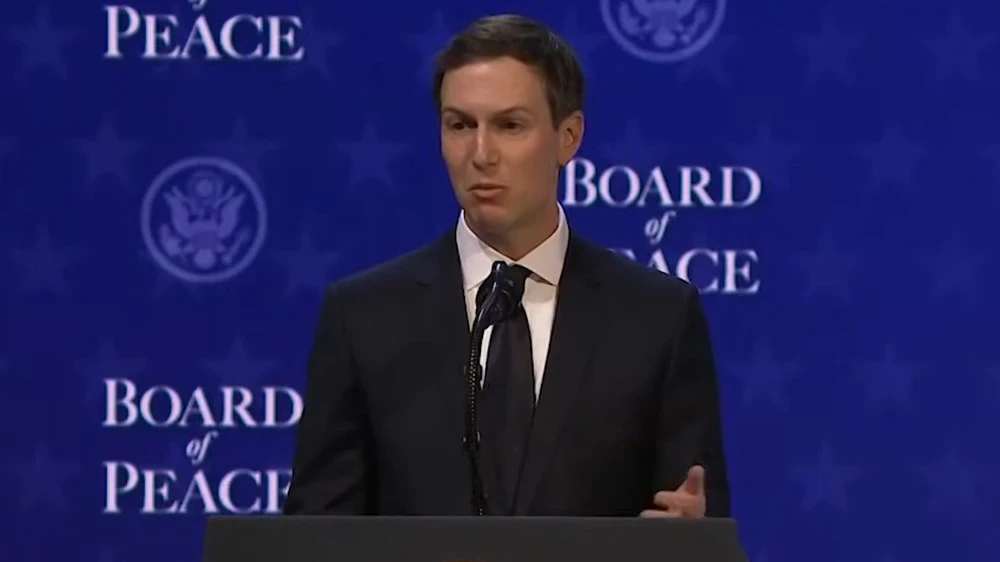
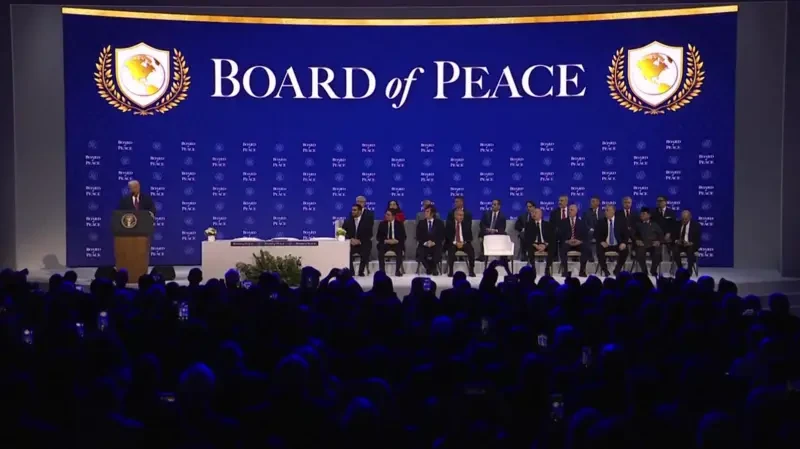
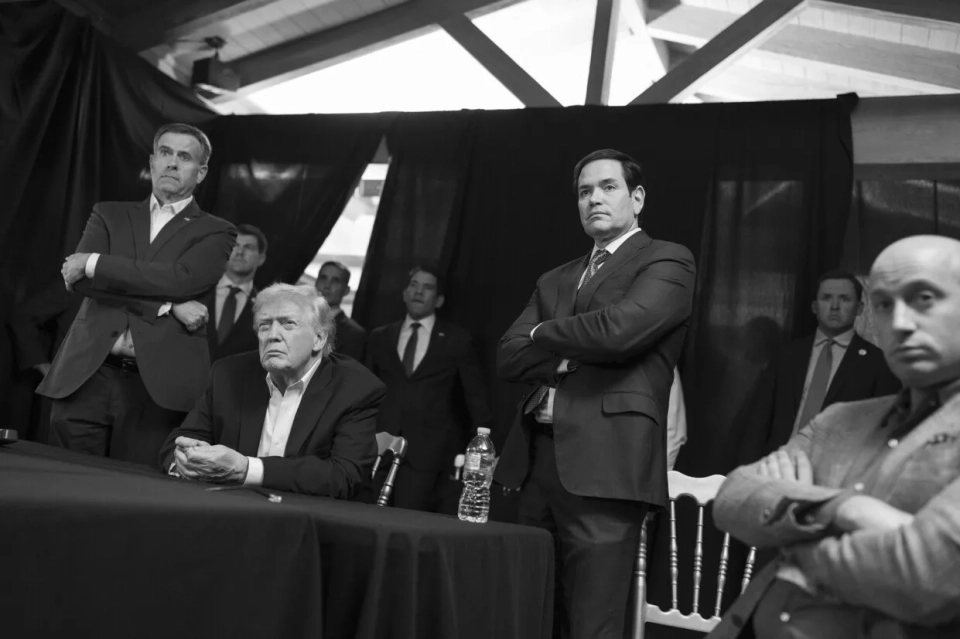
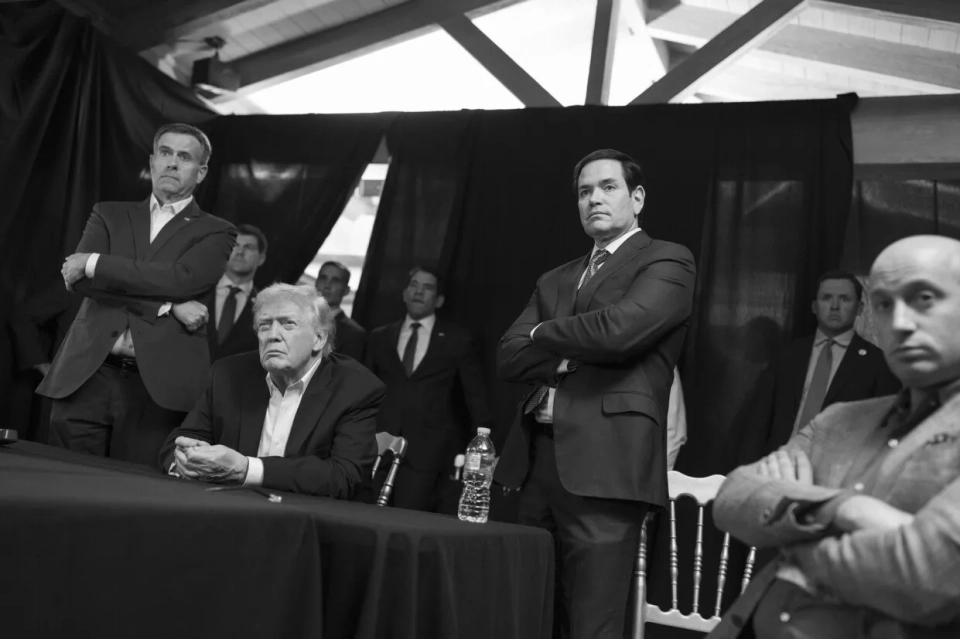
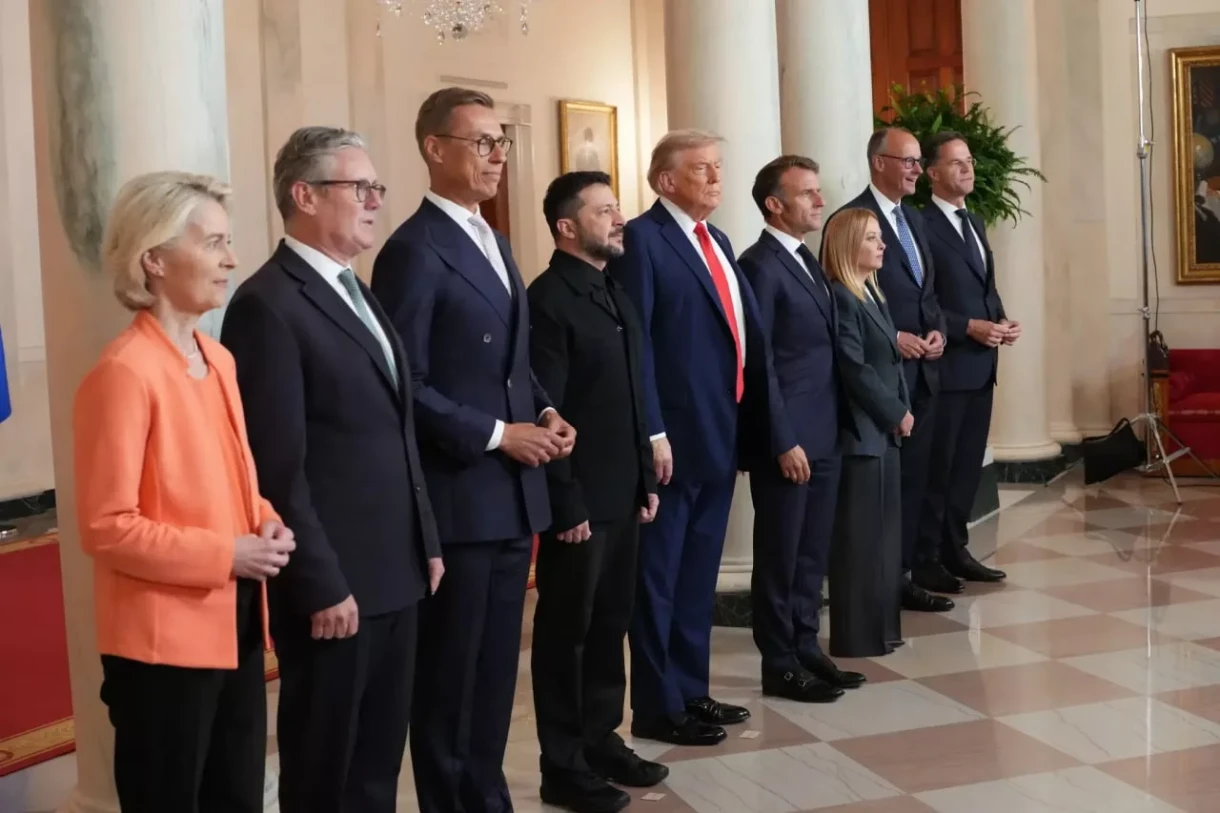
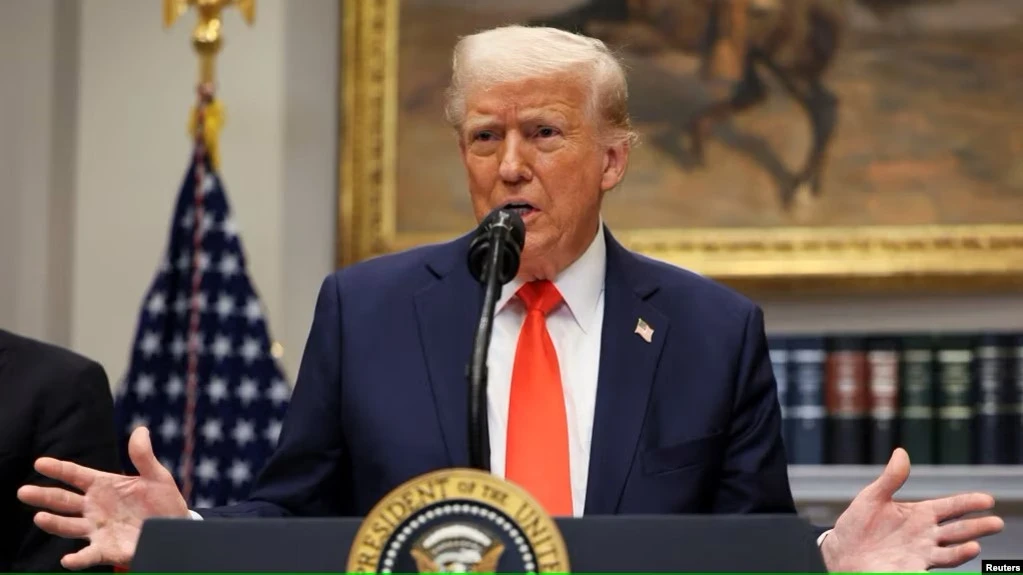
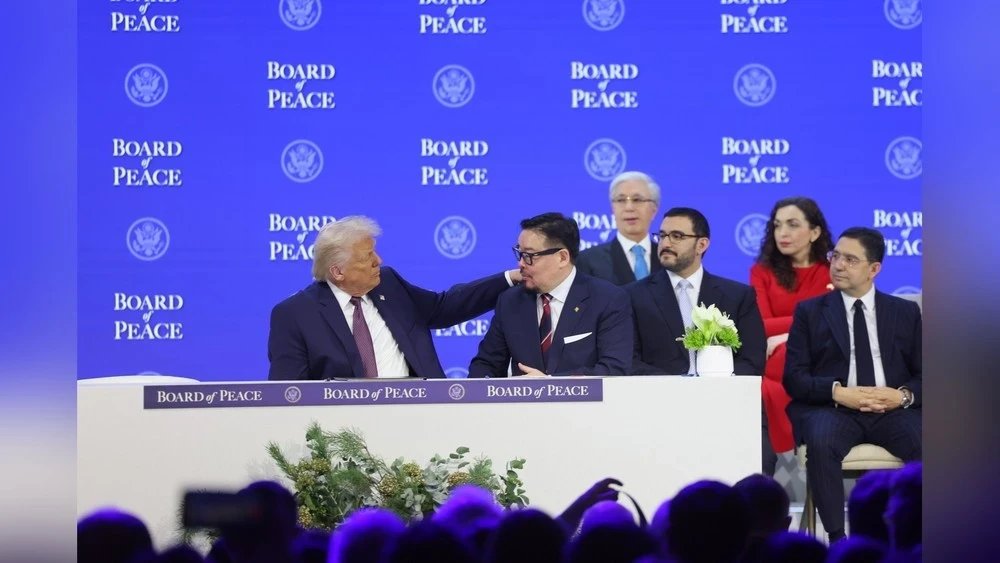
On January 22, at a meeting in Davos, U.S. President Donald Trump established the Council of Peace. Originally created to oversee the implementation of a 20-point peace plan for Gaza, it has now become an important international body aimed at resolving global conflicts. During the signing of the Charter, Mongolia, along with several other countries, became a core member.
After signing the agreement, the government of Mongolia stated that "the Council of Peace is not a military alliance, but a platform for cooperation based on respect for national sovereignty, which fully corresponds to Mongolia's independent and peaceful foreign policy."
The Prime Minister's Office informed researcher Bolor Lkhaajav that "Mongolia's accession to the Council of Peace demonstrates its independent approach to foreign policy."
In a press release from Zandanshatar's government, three main reasons were highlighted to support Mongolia's decision to become part of the Council of Peace:
"As a peacekeeping country on the international stage, Mongolia will support a new, flexible, and results-oriented peace mechanism, which will strengthen the country's international position and allow it to more clearly assert its interests, as well as ensure the security and independence of Mongolia through political and diplomatic means within the framework of international law."
Mongolia has experience participating in international peacekeeping missions. The Council of Peace is not a militarized alliance but represents voluntary cooperation among states with respect for their sovereignty, which fully aligns with Mongolia's independent and peace-building policy.
The threshold of 1 billion dollars specified in the Charter is a special condition for extending membership for three years and is not mandatory for Mongolia. The country can participate on a voluntary basis for three years without facing financial obligations of that magnitude, according to its capabilities and interests.
U.S. Ambassador to Mongolia Richard Buangan, in his congratulatory statement, noted: "Congratulations to Prime Minister Zandanshatar and thank you to Mongolia for its participation in the establishment of the Council of Peace." This initiative, implemented under President Trump's leadership, aims to bring peace to Gaza.
Observers of the situation in Mongolia may consider that Ulaanbaatar hastened to join new global initiatives while other countries are still analyzing the actions of the Council of Peace. Mongolia's strategic partners, such as Japan, South Korea, and Poland, are evaluating the Charter and potential actions of the new international organization.
From the perspective of bilateral relations with the United States, Mongolia's participation in the Council of Peace continues the development of the strategic partnership established during Trump's first term in 2019.
Deputy Head of the Mongolian Diplomatic Mission in the U.S. Battushig Zanabazar told The Diplomat: "Becoming a founding member of this initiative will provide Mongolia with a strategic advantage." Participation in the Council, which is a key initiative of the Trump administration to ensure peace and stability, will send a positive signal to the U.S. Battushig also noted that this will significantly strengthen Mongolia's strategic partnership with the United States within the framework of the "third neighbor" concept and deepen political trust.
In international historiography, Mongolia's contribution and its presence on the world stage have gained recognition since its accession to the United Nations in 1961. Diplomats of that era remember the difficulties Mongolia faced when trying to gain UN membership; these attempts often ended in refusals.
Thus, Mongolia's decision to join the Council of Peace echoes historical steps taken by the country at significant moments, such as the end of World War II and the establishment of a new international order.
Today, the world faces similar challenges, and Mongolia's decision to join the new body may be an important step in protecting its independence and sovereignty, as well as strengthening opportunities for conducting an independent foreign policy.
In recent decades, Mongolia has expanded its membership in international organizations, obtaining observer status in the Shanghai Cooperation Organization and temporary membership in the Eurasian Economic Union. The Zandanshatar government believes that participation in the Council of Peace could strengthen economic ties with member states, especially with Gulf countries such as the UAE, Bahrain, and Saudi Arabia. These aspects should not be overlooked when analyzing the benefits Mongolia may gain from participating in the Council.
However, despite Mongolia's desire to expand economic ties with the Council of Peace, policymakers need to consider the country's international obligations. It is important that membership in the Council does not contradict Mongolia's commitments to the United Nations, which remains an important channel for diplomacy. The decision to join the Council of Peace, while it may seem hasty, does not imply a revision of the country's foreign policy strategy.
At the same time, any new agreements and cooperation mechanisms should be discussed at the legislative level to ensure their compliance with Mongolia's democratic principles and support for peace and security on a global scale.
Author: Bolor Lkhaajav — a researcher specializing in Mongolia, China, Russia, Japan, East Asia, and America. She holds a Master's degree in Asian-Pacific Studies from the University of San Francisco.
Translation: Tatar S.Maidar
Source: The Diplomat