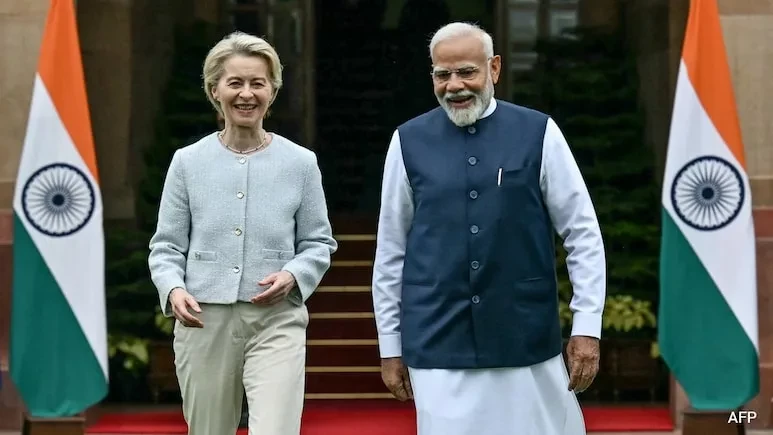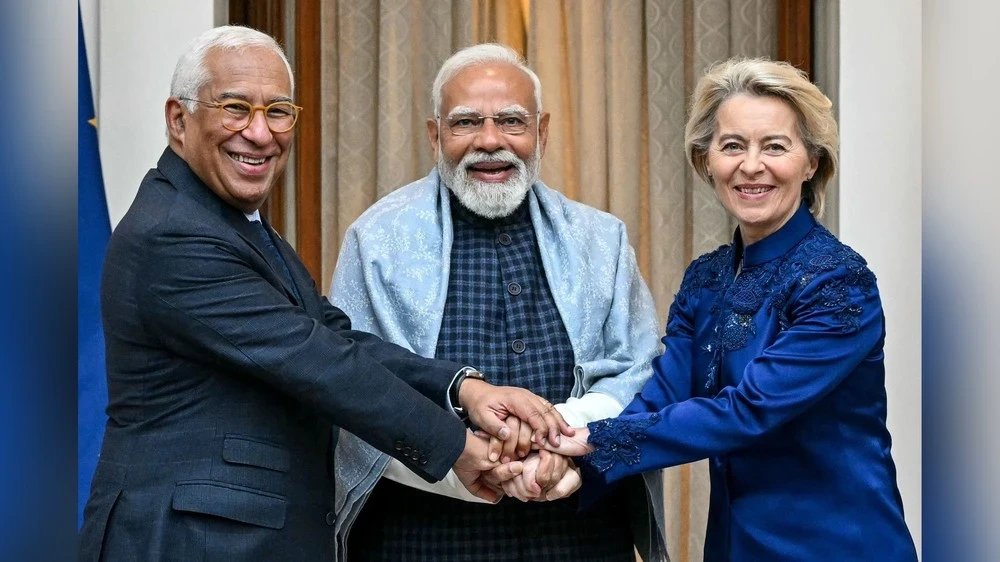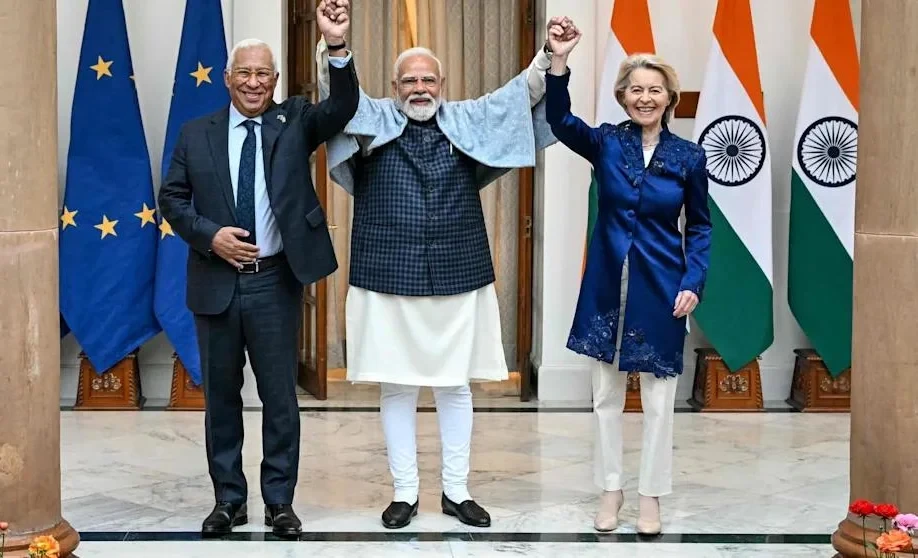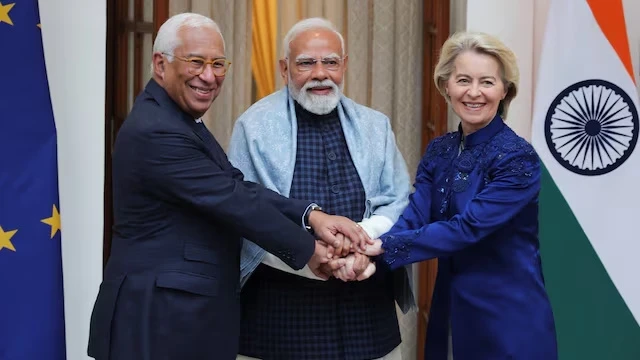
The meeting to discuss the agreement took place on January 27, 2026, in New Delhi. In the photo are the President of the European Council, António Costa, the President of the European Commission, Ursula von der Leyen, and the Prime Minister of India, Narendra Modi. Photo by Reuters / Altaf Hussain.
The free trade agreement between India and the European Union is seen as one of the most significant strategic and economic partnerships in the world. Details can be found in the publication Geopolitico.
The preparation for the visit of high-ranking EU officials to India, timed to coincide with the Republic Day celebrations, creates a positive political climate for breakthroughs in negotiations. This comprehensive trade and investment agreement promises to be the largest and most complex in India's history, signaling a transformation in global trade relations amid rising protectionism and geopolitical tensions.
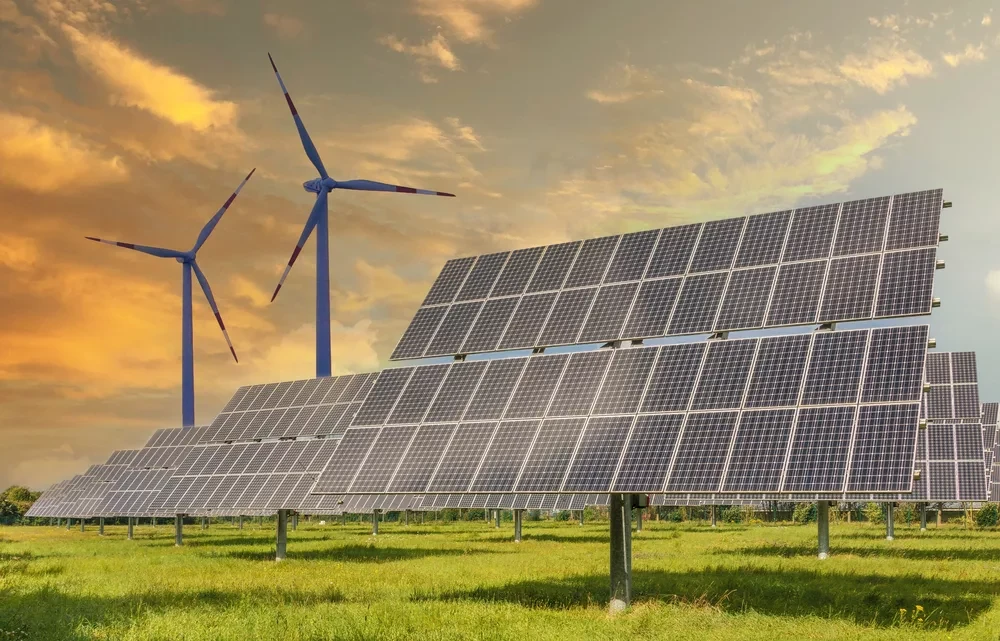
The significance of this agreement extends beyond merely increasing trade volumes. It also implies strategic changes in global value chains, deepening technological cooperation, and developing sustainable, environmentally-oriented models. This will enhance economic security and reduce vulnerability to external crises for both parties.
A Long Road to Agreement
Negotiations on free trade between India and the EU began more than ten years ago, with the intention of establishing broad frameworks for cooperation in trade in goods and services, investment, intellectual property protection, and sustainable development.Disagreements over tariffs, regulations, mobility of professionals, and environmental standards led to a temporary halt in negotiations. The resumption of dialogue reflects a new level of strategic understanding between the parties amid global changes. Since then, the process has become more active.
Economic Significance of the Agreement
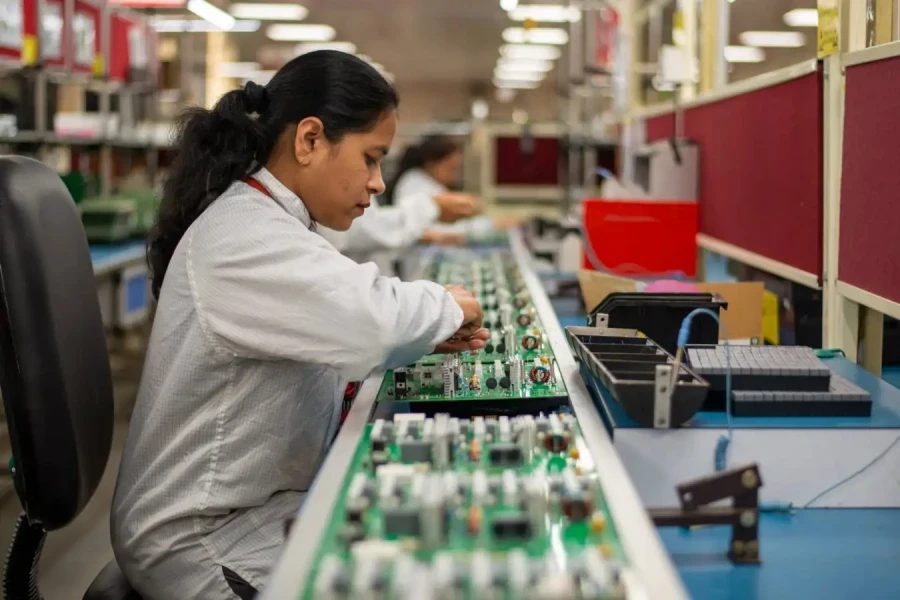
The potential agreement could become one of the largest in the world in terms of its scope and significance. Despite the complementarity of the Indian and EU economies, bilateral trade has long remained below its potential. This agreement is intended to provide a new impetus at a time when global trade is facing serious challenges.Indian manufacturers and exporters, primarily, will benefit from the agreement in sectors such as textiles, pharmaceuticals, machinery, and food processing. For the EU, opening the Indian market will create new opportunities in automotive, high technology, green technology, and professional services.
Dynamics of Bilateral Trade
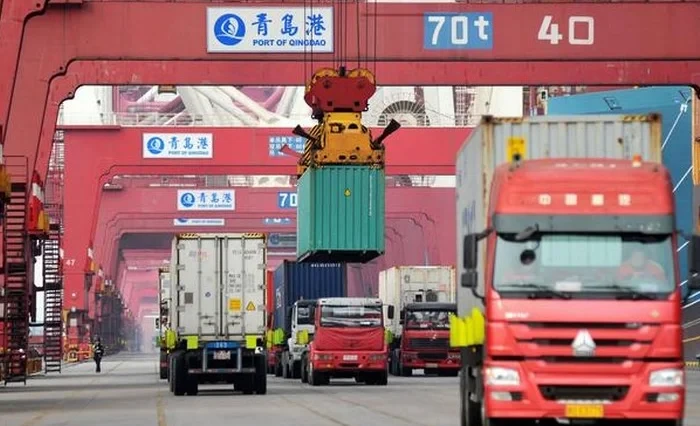
The European Union remains one of the most reliable and important trading partners for India. Indian exports to the EU are characterized by high diversification and a significant share of value-added products, including energy resources, industrial equipment, and light industry goods.Trade covers numerous sectors, including machinery, electronics, pharmaceuticals, and textiles, which gives it stability and scale. At the same time, imports from the EU also include high-tech equipment and goods, contributing to the modernization of the Indian economy.
Despite this, India's contribution to the EU's external trade remains relatively small, highlighting the untapped potential for expanding India's presence in European markets. A comprehensive agreement could accelerate this process by improving access conditions and enhancing competitiveness.
Services and Investments
The services sector is becoming increasingly important in relations between India and the EU. The agreement will significantly improve access for Indian IT, digital, and financial services to the European market, as well as create mobility mechanisms for skilled professionals, contributing to economic growth in India and addressing the labor shortage issue in Europe.Investment cooperation also plays a key role in the partnership. European companies are already actively involved in the Indian economy, while Indian investments in the EU are gradually increasing. Enhancing regulatory transparency and creating reliable dispute resolution mechanisms under the agreement should stimulate greater participation of European businesses in Indian industry and innovation.
Geopolitical Significance of the Agreement
This agreement is significant not only from an economic perspective but also in terms of security, defense, and supply chain resilience. Security partnerships can strengthen maritime cooperation and provide new opportunities for collaboration in defense initiatives.In the context of global political instability, the agreement underscores both parties' commitment to an open, multipolar order. It strengthens India's position as a reliable economic partner in an era when countries are reassessing their dependencies on limited markets.
Changes in India's Trade Strategy
For India, this agreement symbolizes a shift towards a more active and strategically oriented trade policy. Combined with other recent agreements, it emphasizes the desire to use trade as a tool for economic growth and modernization. Expanding access to profitable markets and protecting national interests reflect a new maturity in India's trade strategy.Conclusion
The free trade agreement between India and the EU is an important milestone that goes beyond merely removing trade barriers. In the context of global uncertainty, it creates a predictable corridor for cooperation between two significant democratic economies. This agreement opens up opportunities for India in the European market, enhances export competitiveness, promotes technology and green initiatives, and attracts quality investments from Europe. Strategically, it supports the diversification of supply chains and strengthens the multilateral global order, opening new horizons for India in the international economy and providing the EU with a reliable partner in a dynamically developing region.