India has become the first among G20 countries to fulfill its climate commitments for 2030 five years earlier than planned. By the end of 2025, the share of non-fossil sources in the total installed capacity of the country's energy system reached 50%, which corresponds to 484 GW. This achievement is considered an important step within the framework of Nationally Determined Contributions (NDC) and is significant for the global climate agenda.
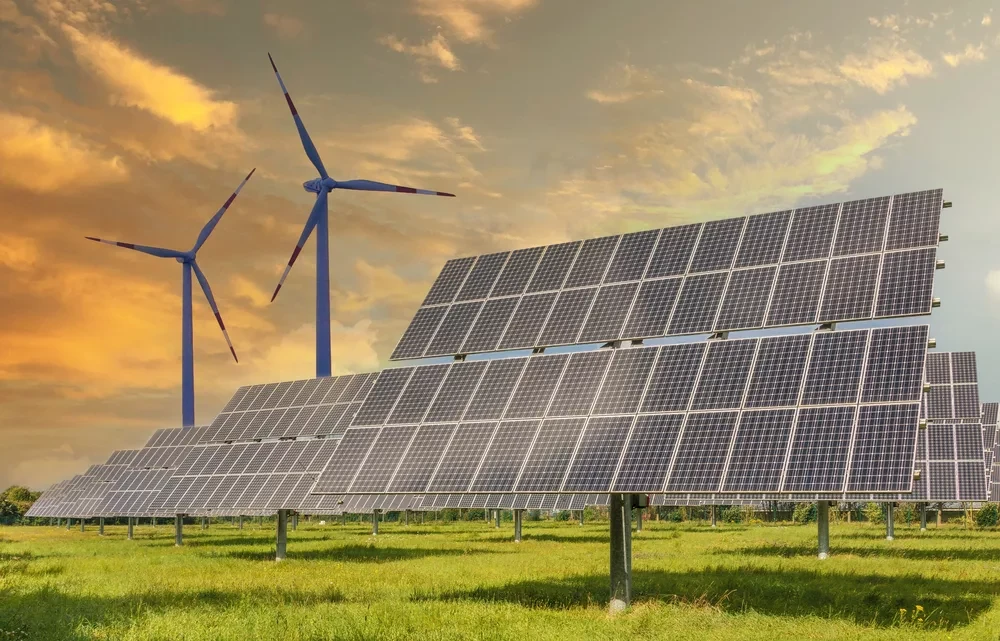
The growth of clean energy in the country was driven by a record addition of new capacities: in 2025, India added 44.5 GW of renewable sources, marking the largest annual increase in history and nearly double last year's results. Solar energy showed the greatest growth, increasing to 135 GW, while wind power capacity approached 54 GW. In light of this dynamic, Prime Minister Narendra Modi noted that India reaffirms its "deep commitment to a green and sustainable future."
This achievement was made possible by a combination of various regulatory initiatives, institutional support, and accessible financial instruments. Over the past decade, auctions and reverse auctions have led to a nearly 80% reduction in prices for solar projects, while production incentive programs have increased solar module output to 144 GW. Of this volume, 81 GW was added in 2025 alone, contributing to the development of the domestic manufacturing chain and reducing dependence on imported equipment.
The transition to renewable energy has had a noticeable impact on the economy. India avoided emissions of 410.9 million tons of CO₂ and saved over $46 billion in pollution and fuel-related costs. Of this amount, $14.9 billion was saved due to reduced consumption of fossil sources, while another $31.7 billion came from health benefits and improved air quality. These economic advantages serve as an important argument for other Global South countries to accelerate the transition to carbon-free sources.
India continues to strive for a new goal—achieving 500 GW of renewable capacity by 2030. Various programs are being implemented to reach this ambitious target: the PM Surya Ghar Muft Bijli Yojana, which provides households with solar roofs, PM Kusum, which helps farmers transition to solar energy, and the National Hydrogen Mission, which creates a new competitive hydrogen production industry.
The Indian experience has become a topic of discussion at international climate events such as COP, the IRENA Assembly, and the Sustainable Development Week in Abu Dhabi. Amid the growing gap between declared climate goals and their actual implementation, India is beginning to be perceived as a country offering a replicable model for states with limited access to capital and technology.
As the chair of the International Solar Alliance Assembly, India actively shares its experience with Global South countries and small island states. At the alliance level, the focus is on financing, digitalization, demand aggregation, and the development of new models of distributed generation. This approach is seen as a link between climate commitments and their practical implementation.
Source: https://www.newsweek.com/g20-benchmark-indias-journey-from-clean-energy-pledges-to-real-impact-11377100