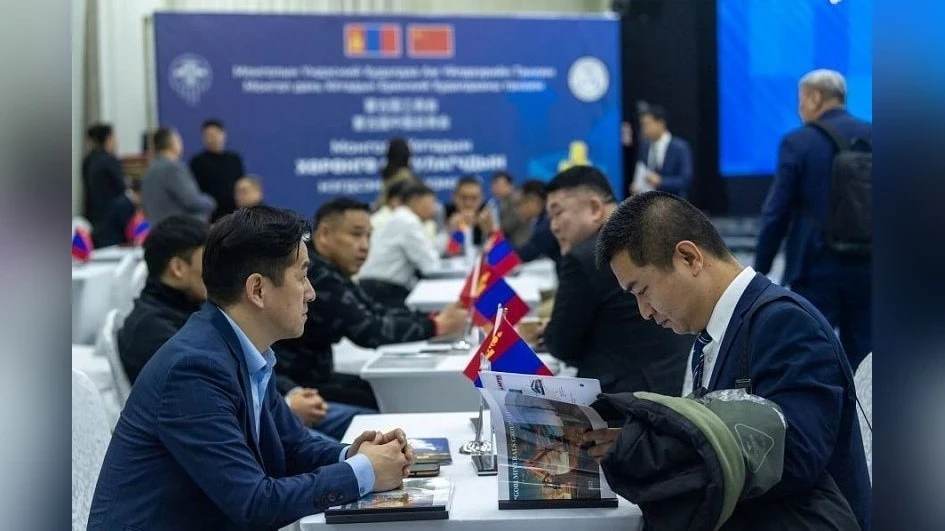
Central Asia is the region where the "Belt and Road Initiative" was first proposed, and it serves as a demonstration platform for high-quality joint construction within this concept.
Under the strategic leadership of the heads of state in the "China – Central Asia" format, cooperation mechanisms are steadily developing, and trade and economic ties are gradually reaching a new level.
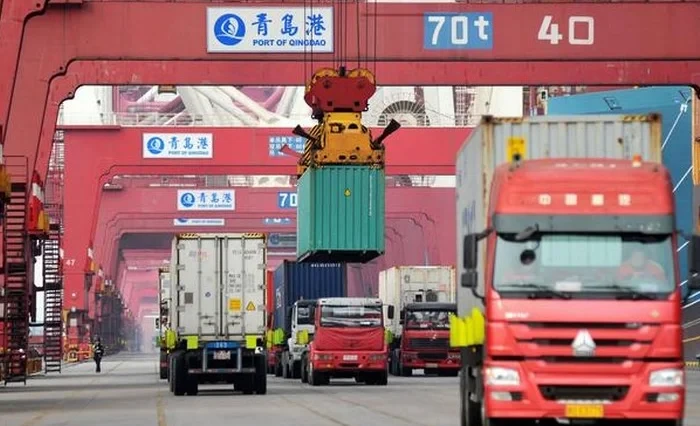
According to Chinese statistics, in 2025, the trade volume between China and Central Asia reached 106.3 billion US dollars, which is 12% more compared to the previous year. This marks the first time this figure has exceeded 100 billion dollars, and positive dynamics have been observed for five consecutive years. China has become the largest trading partner for all countries in the region, which serves as compelling evidence of the resilience of trade and economic relations and their significant potential for further development.
Firstly, cooperation mechanisms continue to improve. At the second "China – Central Asia" summit, important documents were signed, including the "Action Plan for Strengthening Trade and Economic Cooperation" and the "Memorandum of Understanding on Deepening Cooperation in Unimpeded Trade." The parties agreed to more actively use the Working Group on Unimpeded Trade to enhance the quality and level of interaction, as well as to jointly support the multilateral trading system, the main pillar of which is the World Trade Organization. The platform for cooperation in unimpeded trade in the "China – Central Asia" format officially began its work in Nanjing, Jiangsu Province. The "Silk Road E-commerce" serves as an effective tool to facilitate unimpeded trade, while management mechanisms at border crossings are improving, and the development of warehousing infrastructure and cooperation in cross-border payments continues to gain momentum, allowing for more efficient satisfaction of market demand in both China and Central Asian countries.
Secondly, the structure of trade is also being optimized. In 2025, China's exports to Central Asia amounted to 71.2 billion US dollars, an increase of 11% compared to the previous year. Significant growth is observed in the fields of machinery and high technology, the share of "new three" products continues to increase, and the environmental friendliness of exported goods has significantly improved. Imports from Central Asia to China reached 35.1 billion US dollars, increasing by 14% compared to the previous year. At the same time, the structure of imports is becoming increasingly diverse. In addition to traditional resources, supplies of chemical products, metallurgical products, and agricultural goods are also growing. More than 4,000 companies from the region have gained access to the Chinese market, and over a hundred types of agricultural and food products have been officially approved for export, allowing quality goods from Central Asia to find their consumers in China.
Thirdly, investment and trade-economic cooperation are developing in an interconnected format. High-quality joint construction under the "Belt and Road Initiative" between China and Central Asia is deepening. Chinese investments and technologies have a significant impact on the economic revival and sustainable development of the countries in the region. The implementation of key projects, such as the "China – Kyrgyzstan – Uzbekistan" railway, as well as other initiatives in transport connectivity, equipment manufacturing, environmentally friendly minerals, and modern agriculture is accelerating. These measures contribute to stabilizing production and sales chains, modernizing industries, and fostering economic growth in Central Asian countries, while simultaneously stimulating mutual trade.
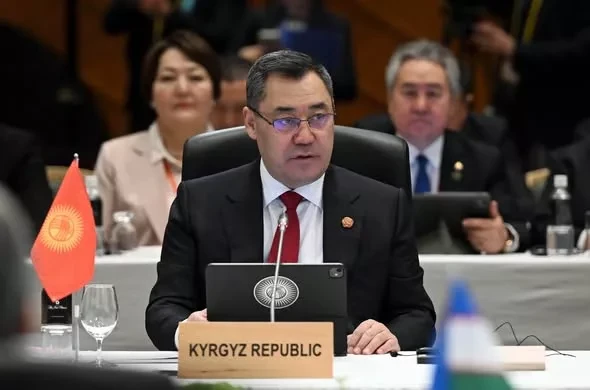
Fourthly, trade between China and Kyrgyzstan demonstrates particular dynamism. Kyrgyzstan ranks second in trade volume with China in Central Asia, with the share of bilateral trade accounting for about 25% of China's total trade with the region. In 2025, the trade volume between the two countries reached 27.2 billion US dollars, which is 20% more compared to the previous year, setting a new historical record. The growth rate of trade has become the highest in Central Asia. Imports from Kyrgyzstan increased by 86%, while the trade balance between the two states continues to improve. The trade and economic authorities of China and Kyrgyzstan are actively working on implementing the agreements reached between the leaders of the two countries and accelerating negotiations on signing the "Agreement on Trade in Services and Investments between China and Kyrgyzstan," which will strengthen the institutional foundation for further development of bilateral cooperation.
"Bravely overcoming difficult frontiers, we move forward, starting from a new beginning." At this new historical starting point, China is ready to move forward together with Kyrgyzstan and other Central Asian countries, leveraging positive development trends, strengthening the alignment of China's "15th Five-Year Plan" with the national strategies of its partners, and consistently forming the "Spirit of China – Central Asia," striving for practical results from the summits in this format. This will significantly enhance the quality and efficiency of trade and economic cooperation and contribute to the creation of a community of shared destiny between China and Central Asia.
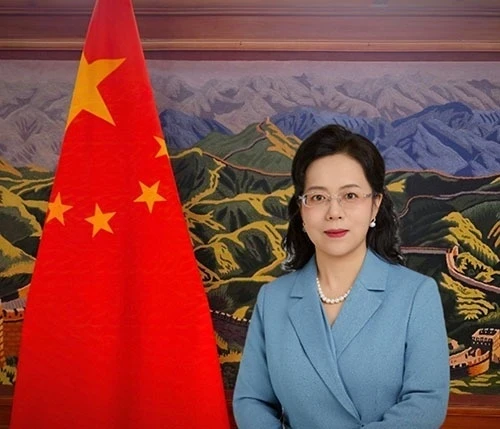
His Excellency Liu Jiangping, Ambassador Extraordinary and Plenipotentiary of the People's Republic of China to the Kyrgyz Republic