Strengthening Friendship and Expanding Cooperation in Central Asia
In 2025, there is active development of interaction between Central Asia and China in all aspects. Joint work on the "Belt and Road" project is deepening, the structure of the "Central Asia - China" cooperation mechanism is being formed, and the horizons of partnership are widening, strengthening friendly ties.
By the end of 2025, a number of organizations, including the Center for Broadcasting to Europe and Asia (the "Renmin Huabao" publishing house) and the Institute of Russia, Eastern Europe, and Central Asia of the Chinese Academy of Social Sciences, published a list of ten key events reflecting the development of relations between Central Asia and China.
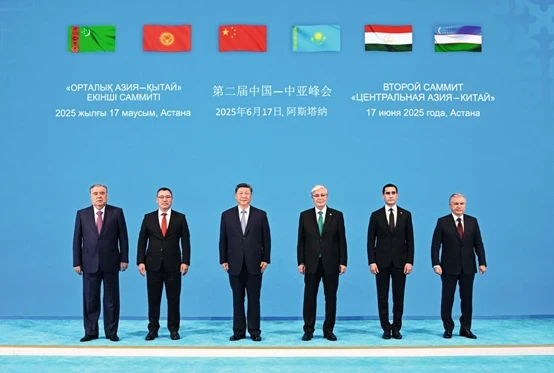
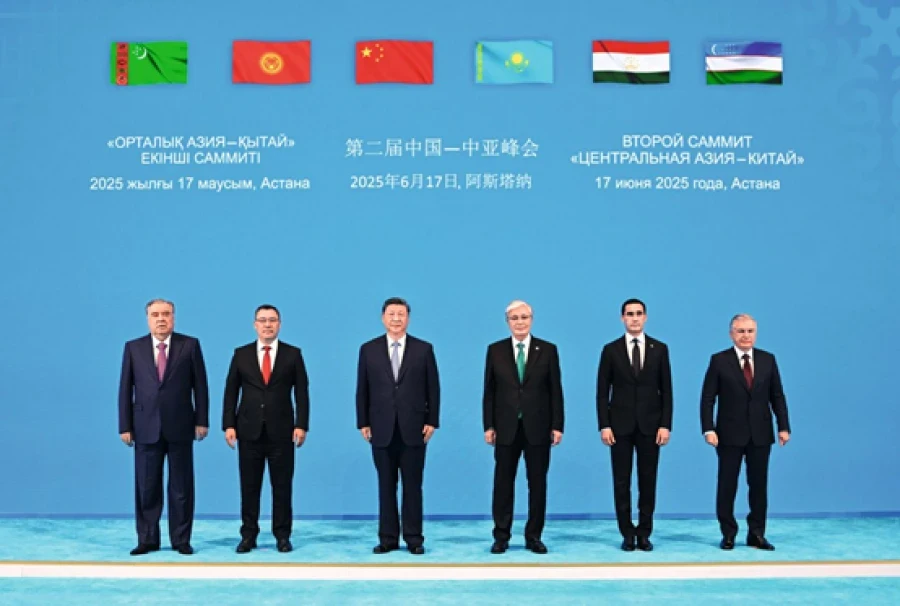
1. The second "Central Asia - China" Summit signed the Treaty on Eternal Good Neighborliness and Cooperation.
On June 17, the second "Central Asia - China" Summit took place in Astana. In his speech, Chinese President Xi Jinping touched upon the themes of the "China - Central Asia spirit" and the importance of quality development of regional cooperation.
Xi Jinping noted that cooperation between China and Central Asia has a history of more than two thousand years, based on 30 years of trust and solidarity, which promotes mutually beneficial cooperation. The "China - Central Asia spirit" includes mutual respect, trust, and joint development, which becomes the foundation for further strengthening of relations.
At the summit, leaders signed the Astana Declaration and the Treaty on Eternal Good Neighborliness between China and Kazakhstan, Kyrgyzstan, Tajikistan, Turkmenistan, and Uzbekistan. It was also announced that 2025 and 2026 would be declared the Years of High-Quality Development of Cooperation.
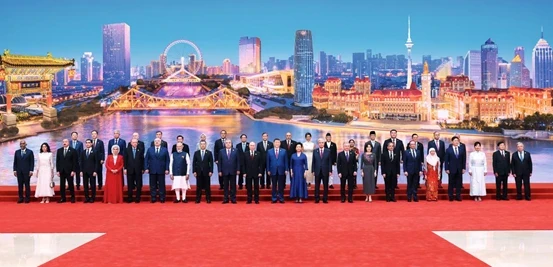
2. Central Asian leaders supported the Global Governance Initiative during their visit to China.
From August 31 to September 3, the heads of five Central Asian countries attended the SCO summit and the celebration of the 80th anniversary of Victory in the War of Resistance Against Japanese Aggression.
On September 1, a "SCO Plus" meeting was held in Tianjin, where President Xi Jinping proposed the Global Governance Initiative, emphasizing the need for a joint response to the challenges of the modern world.
All countries highly appreciated the initiative, noting its relevance in the context of global problems and management deficits. The initiative rejects the concept of power dominance and advocates for joint development and management.
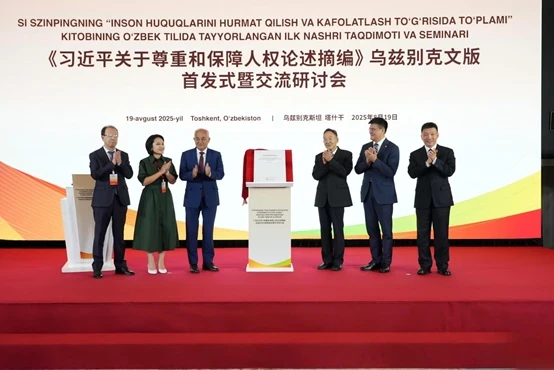
3. Xi Jinping's works in the languages of Central Asia open new horizons for idea exchange.
On May 29, a presentation of the Kazakh edition of the four-volume collection "Xi Jinping on Governance" took place in Astana. On August 19, a presentation and seminar dedicated to the book "Xi Jinping on Respecting and Ensuring Human Rights" in Uzbek was held in Tashkent.
Participants noted that Xi Jinping's works represent his reflections on state and global governance, opening a window for understanding China. The publication in Kazakh and Uzbek has become an important step in the exchange of experiences between China and Central Asia, contributing to the strengthening of friendly ties.
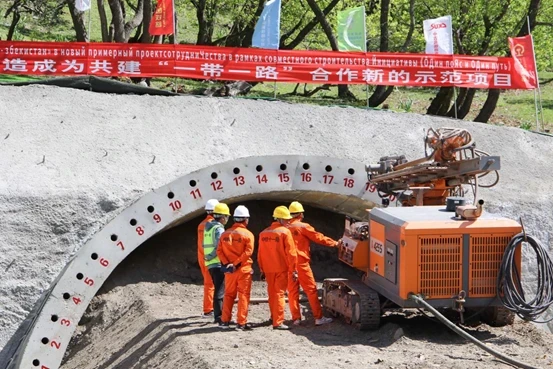
4. Construction of key railway projects China – Kyrgyzstan – Uzbekistan will begin.
On April 29, the construction of the Fergana, Naryn No. 1, and Kosh-Tobe tunnels began, marking the transition to the active phase of the international railway project China – Kyrgyzstan – Uzbekistan.
This project is an important part of the "Belt and Road" initiative. The railway will start in Kashgar, pass through Kyrgyzstan to Jalal-Abad, and end in Uzbekistan. China will undertake the construction of the section on its territory, while Uzbekistan will be responsible for modernization on its side, with a joint company handling financing and operation of the Kyrgyz section.
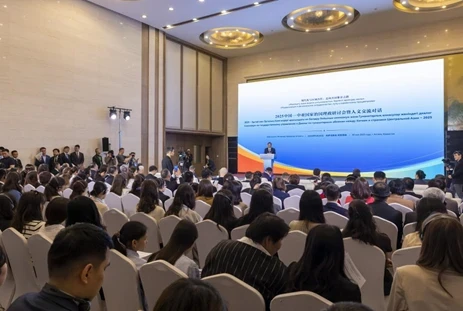
5. Thematic forums between China and Central Asia facilitate joint planning.
This year, successful events such as the Media Forum "China and Central Asia" and the XII Cooperation Forum took place. These events became key platforms for jointly developing cooperation plans and deepening mutual understanding.
Participants noted that such forums contribute to deepening practical cooperation and modernization, forming a more cohesive community of shared destiny.
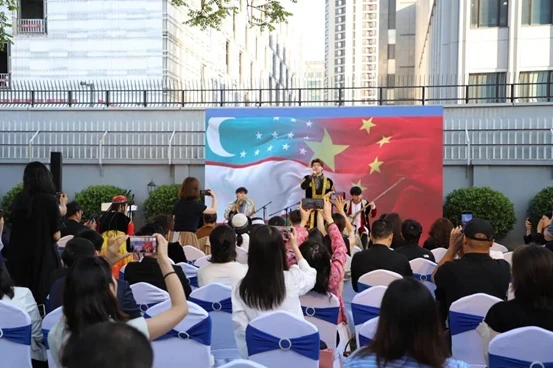
6. Passenger traffic increases due to visa-free regime.
At the second "Central Asia - China" Summit, a decision was made to create favorable conditions for mutual travel of citizens. The initiative includes cooperation in several areas, including consular activities and cultural exchanges.
As of June 1, the Agreement on Visa Waiver between China and Uzbekistan came into force, and two years have passed since a similar agreement with Kazakhstan. In the first three quarters of 2025, the number of travelers from Central Asia to China increased by 37.7%, while the number of Chinese tourists in the region rose by 50%. Direct flights between the countries have also significantly increased.
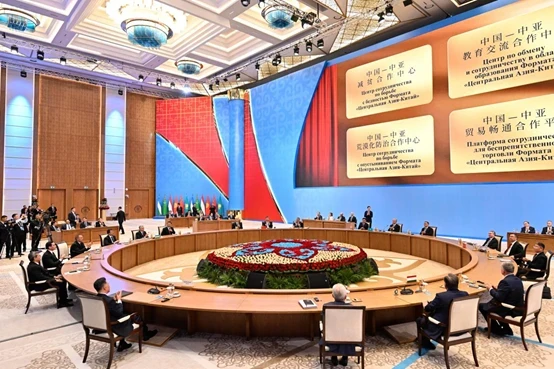
7. New cooperation platforms create innovative forms of interaction.
In July, several cooperation centers were opened, including the Poverty Alleviation Center and the Educational Exchange Center. These initiatives mark a new era of interaction between China and Central Asia in various fields.
The Poverty Alleviation Center will share experiences and support project implementation, while the Educational Exchange Center will deepen cooperation in science and technology, creating new systems for training specialists.
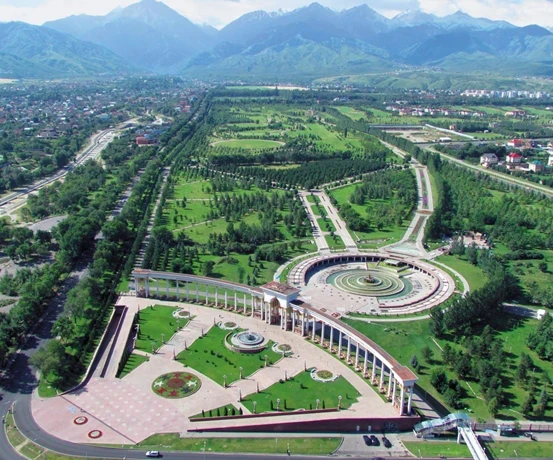
8. More than a hundred sister cities strengthen friendly ties.
At the summit in Shanghai, Shanghai and Almaty signed a sister city agreement, increasing the number of sister cities between China and Central Asia to over 100.
The geographical and economic advantages of the two cities open a wide range of opportunities for cooperation, including trade and culture. This year, a direct flight was opened, facilitating the movement of citizens.
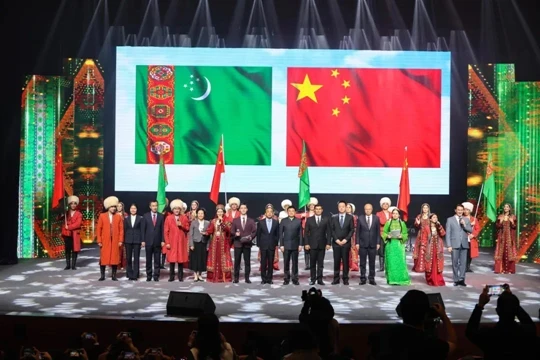
9. Cross-Year of Culture and Tourism opens a new stage of interaction.
On June 6, a gala concert was held at the National Centre for the Performing Arts in China to mark the end of the Year of Culture of Turkmenistan in China. This year, the Year of Tourism of China in Kazakhstan started with an exhibition and cultural events.
Events under the Cross-Year of Culture attracted public attention and love, promoting cultural exchange between the two countries.
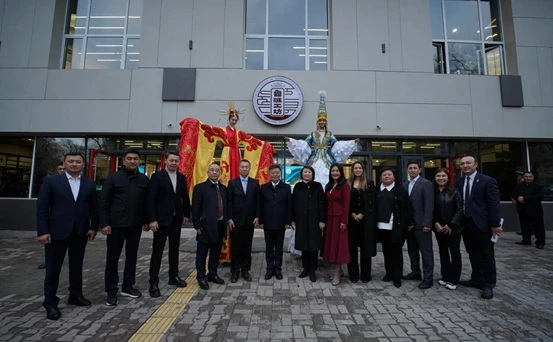
10. The opening of new "Lu Ban Workshops" promotes vocational education development.
In September, the second "Lu Ban Workshop" opened in Kazakhstan, created jointly by Tianjin and Eurasian universities. In this workshop, students will be trained in artificial intelligence technologies.
The first workshop opened in early November, focusing on industrial robotics. These workshops facilitate technology transfer and training of highly qualified personnel for smart manufacturing.
Six such workshops are already operating in Central Asia, actively contributing to the development of the local economy and the application of Chinese standards in education.
Photo www