The European Union expects that by 2032, exports of goods to India will double, allowing companies to save up to 4 billion euros annually on customs duties. German automakers, such as Volkswagen, Mercedes-Benz, and BMW, will particularly benefit from the agreement, as India has agreed to gradually reduce import duties on cars from the current 110% to 10%.
Significant reductions in tariffs are also planned for alcoholic beverages: customs duties on wine will be immediately reduced from 150% to 75%, and then gradually to 20%. Additionally, tariffs on machinery, equipment, electronics, chemicals, as well as iron and steel will also be reduced.
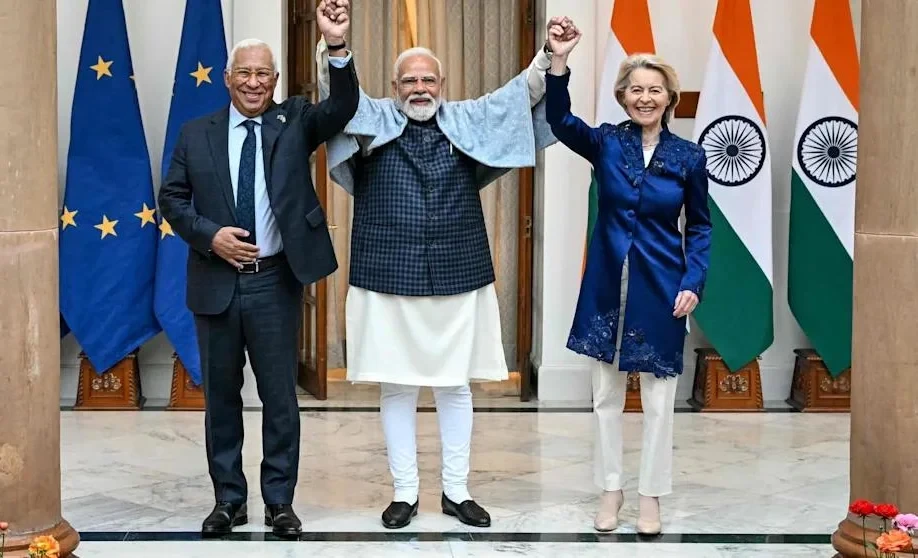
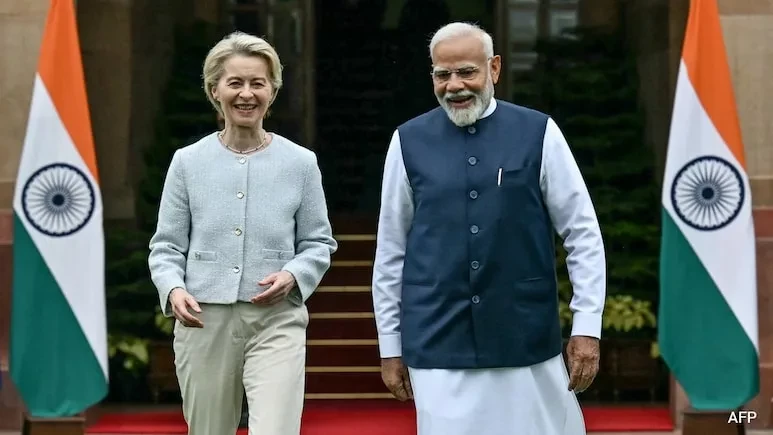
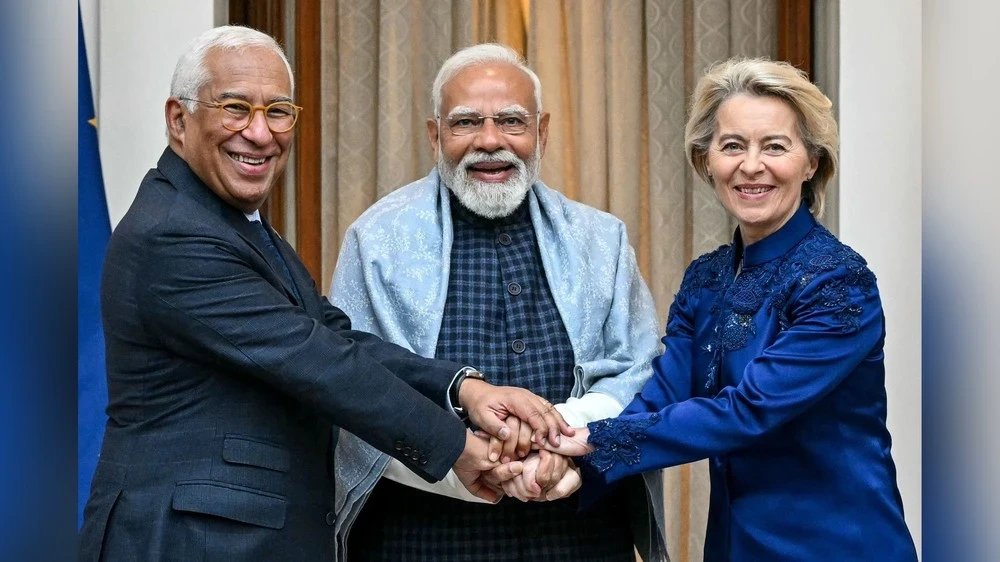
The President of the European Commission, Ursula von der Leyen, noted that "Europe and India are writing a new chapter in history today." She emphasized the creation of a free trade area covering around two billion people.
Indian Prime Minister Narendra Modi described the agreement as "the mother of all deals," highlighting that it opens new horizons for 1.4 billion residents of India and millions of Europeans.
According to Volker Treier, the foreign economic director of the German Chamber of Commerce and Industry, this agreement will be a "true game changer" for companies looking to enter the Indian market.
Before the agreement comes into force, a legal review of the texts must be conducted, which may take five to six months, as reported by Reuters. The implementation of the agreement is expected to occur within a year. The trade volume between the EU and India in the financial year ending in March 2025 was $136.5 billion.
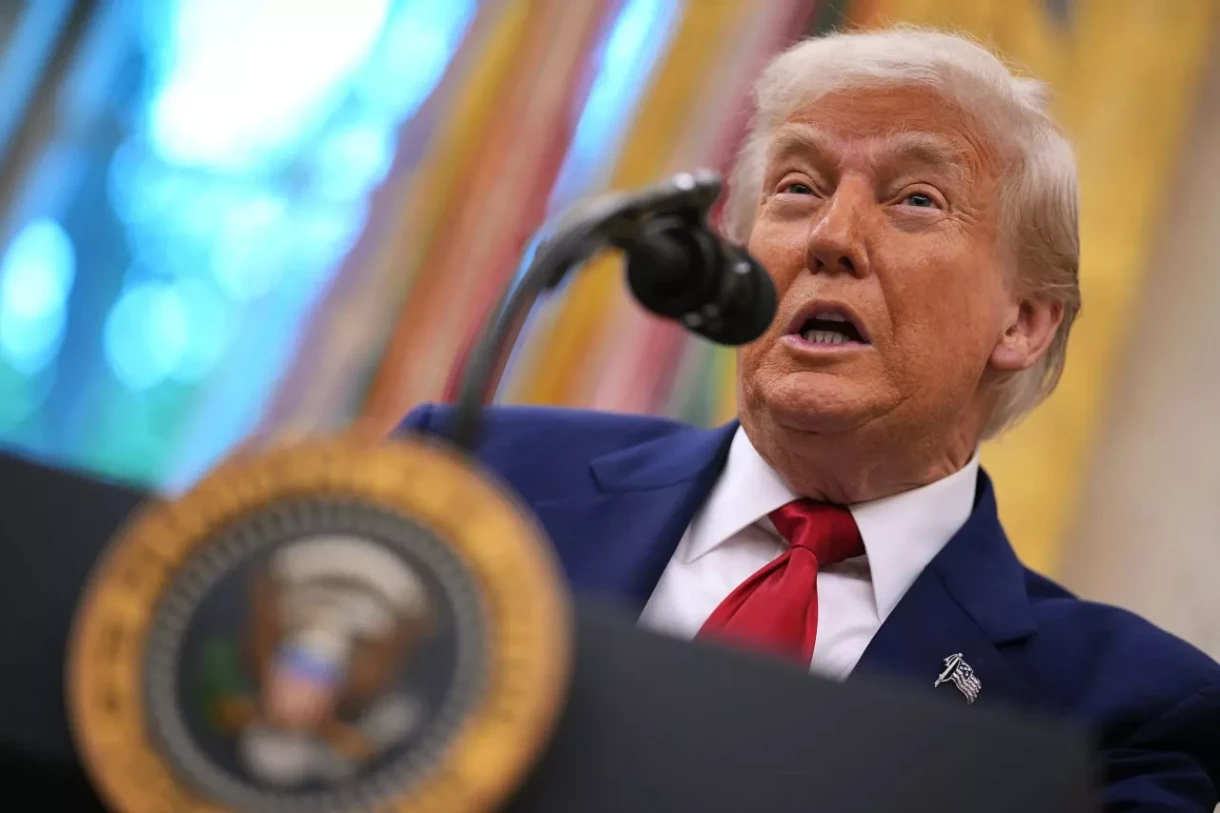
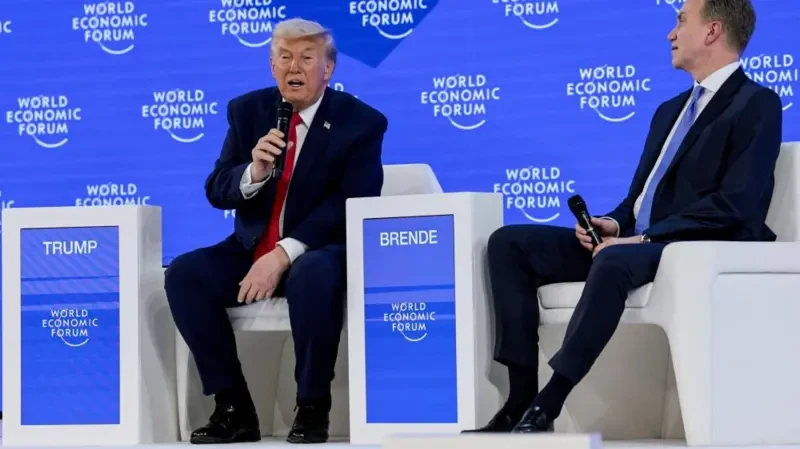
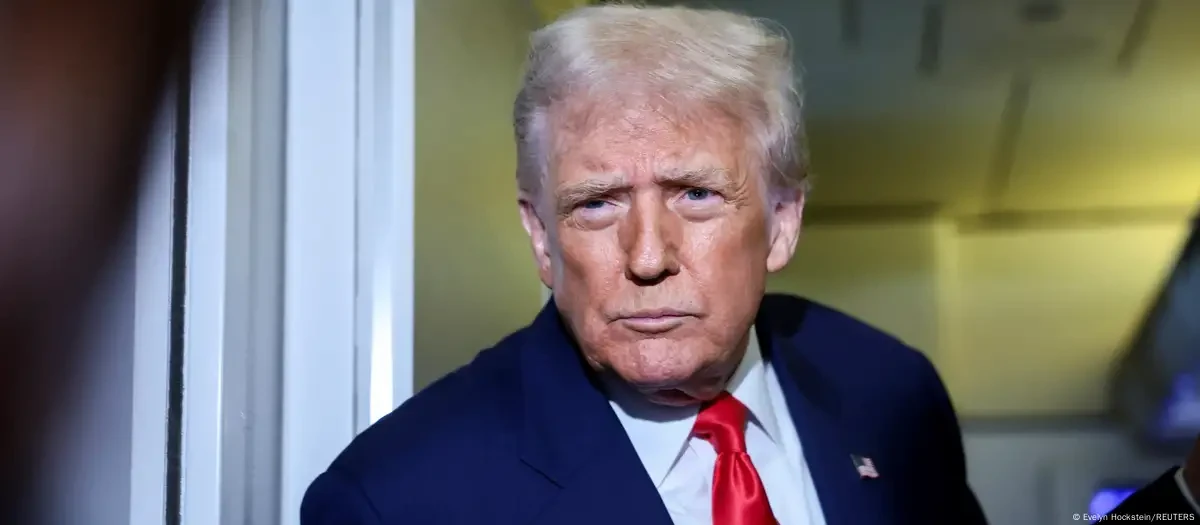
The signing of the agreement comes against the backdrop of global changes in trade. The EU and India are seeking to strengthen their economic ties in response to pressure from U.S. President Donald Trump, who imposed new tariffs and threatened further ones. Previous negotiations for a trade agreement between India and the U.S. have not yielded results.
Negotiations between the EU and India resumed in 2022 after a nine-year hiatus and intensified following the U.S. imposing 50% tariffs on a number of Indian goods.
According to expert Ajay Shrivastava, this agreement with the EU will be an important tool for India to offset the impact of U.S. measures, especially in labor-intensive industries.
For the EU, this is already the second significant success in trade in a short time: earlier, Brussels completed negotiations with the Latin American bloc Mercosur and signed agreements with Indonesia, Mexico, and Switzerland. India, in turn, is actively developing its trade relations with the UK, New Zealand, and Oman.