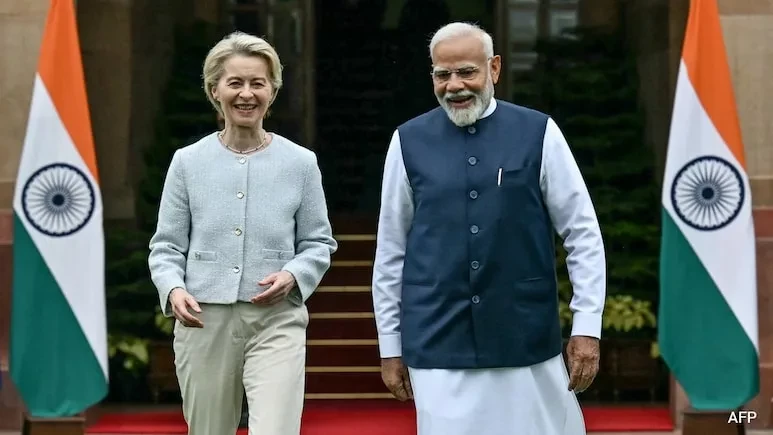
As reported by Ndtv.com, the upcoming summit will be an important step towards signing a Free Trade Agreement between the EU and India. The EU's High Representative for Foreign Affairs and Security Policy, Kaja Kallas, noted in her speech to the European Parliament that India is becoming "indispensable" for Europe's economic stability. She also emphasized that the EU is ready to create a new extensive agenda for interaction with New Delhi, covering areas such as trade, security, technology, and humanitarian ties.
Kallas characterized the upcoming meeting as a "turning point," highlighting that the EU and India are coming closer together at a time when the international order is facing unprecedented challenges. She noted the importance of both sides in upholding international law and a multilateral system capable of addressing the challenges of the 21st century.
On the summit's agenda is the adoption of a new strategic agenda that will define the direction of cooperation between the EU and India until 2030. Kallas stated that leaders will not just adopt declarations but will approve "concrete results" to move relations "from words to actions."
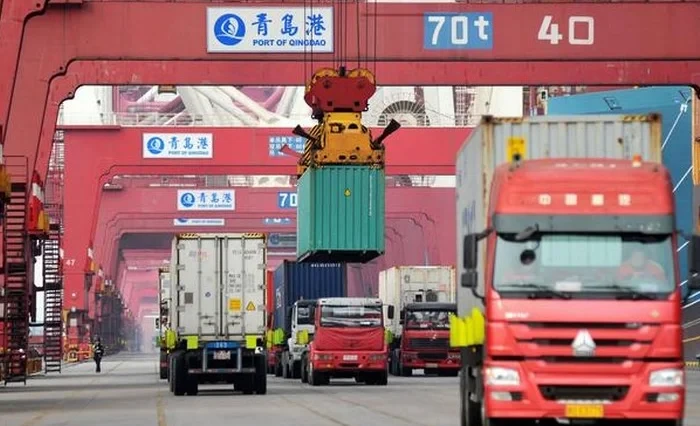
Among the key initiatives, three main directions stand out. The first is the completion of negotiations on the Free Trade Agreement, which, according to Kallas, should eliminate barriers and strengthen important supply chains in sectors such as clean technologies, pharmaceuticals, and semiconductors. These areas have become particularly relevant in light of global supply chain disruptions.
The second direction is the signing of a new Partnership in Security and Defense, which is expected to be signed in New Delhi next week. This agreement will expand cooperation in maritime security, counter-terrorism, and cyber defense, as well as open negotiations on information protection.
The third direction involves concluding a memorandum of understanding that will facilitate the movement of seasonal workers, students, and researchers between the countries. This will also enhance collaboration in research and innovation, which both sides consider key to long-term competitiveness.
Kallas emphasized that the EU is already one of India's largest trading partners and noted that India is becoming an important pillar for Europe's economic stability. The partnership in clean energy links climate goals with industrial competitiveness, including cooperation in renewable energy and sustainable production.
In the technology and defense sectors, cooperation is being established in artificial intelligence, semiconductors, and cybersecurity. The strategic goal, according to Kallas, is to create reliable standards that will shape global markets.
Kallas also highlighted the importance of the Indo-Pacific dimension of the partnership, emphasizing that both sides can strengthen stability by protecting open sea routes and countering coercion.
Despite difficulties in negotiations and preparing a joint statement, Kallas is confident that work continues productively, considering the need to achieve concrete results in a rapidly changing geopolitical environment.
The preparation for the celebration of Republic Day and the summit in New Delhi demonstrates that for Brussels, India is becoming not just an important partner but an indispensable element in Europe's strategic, economic, and defense calculations.