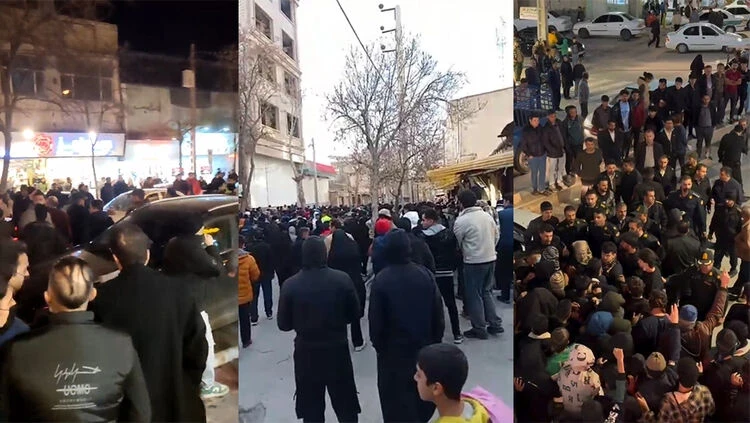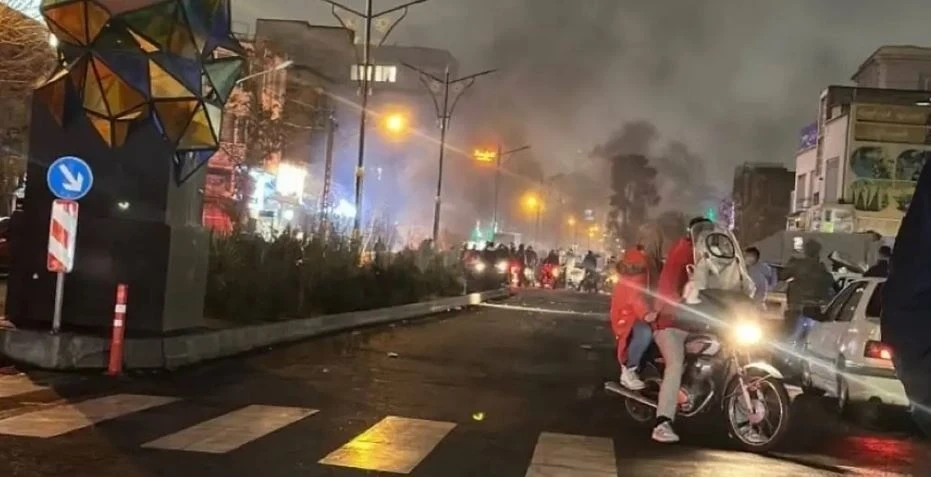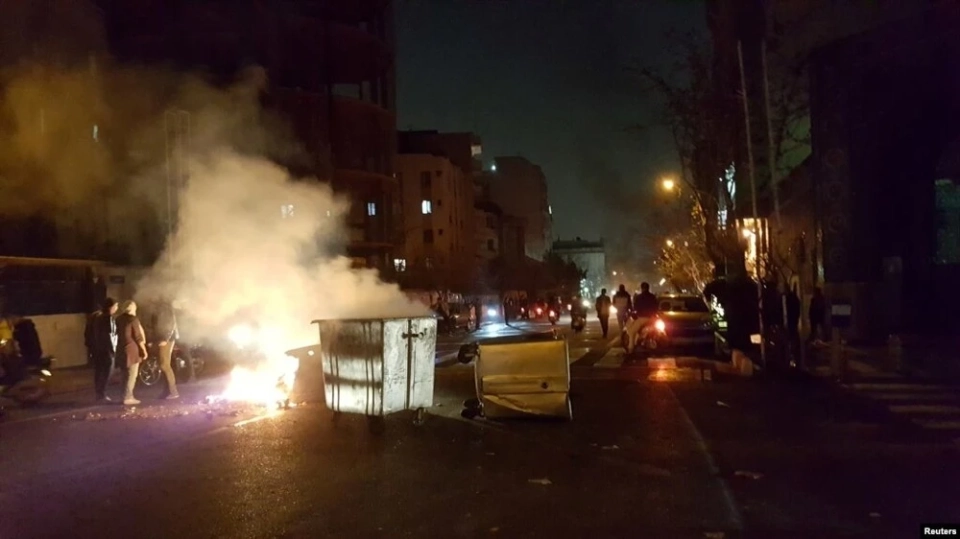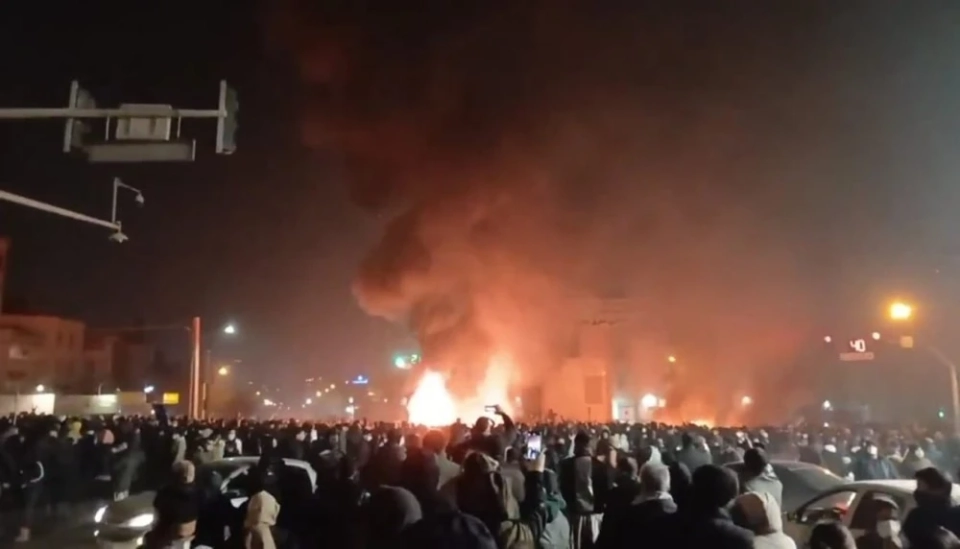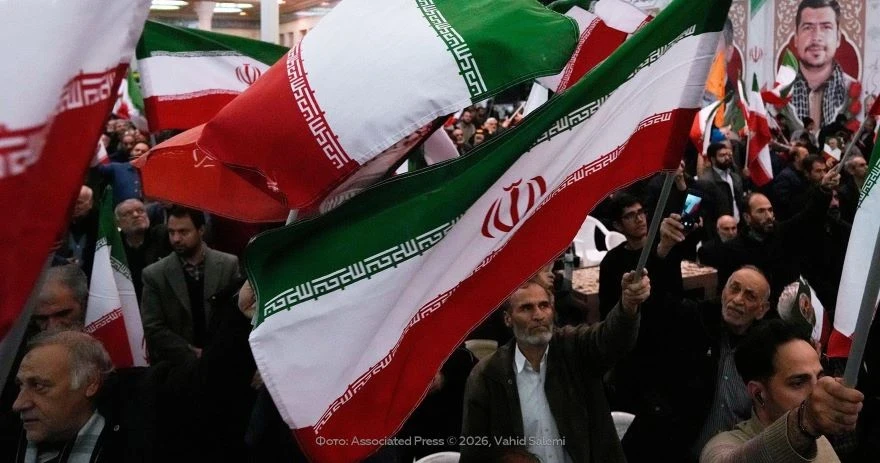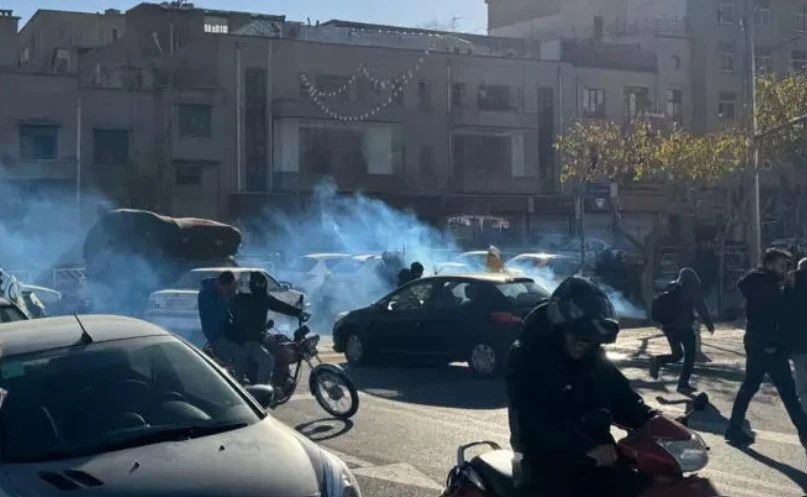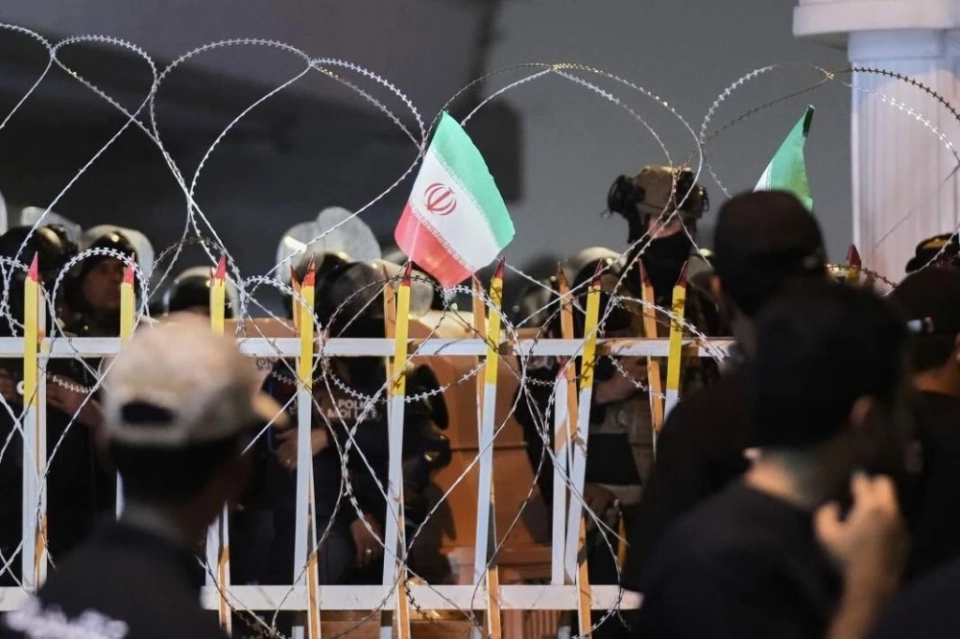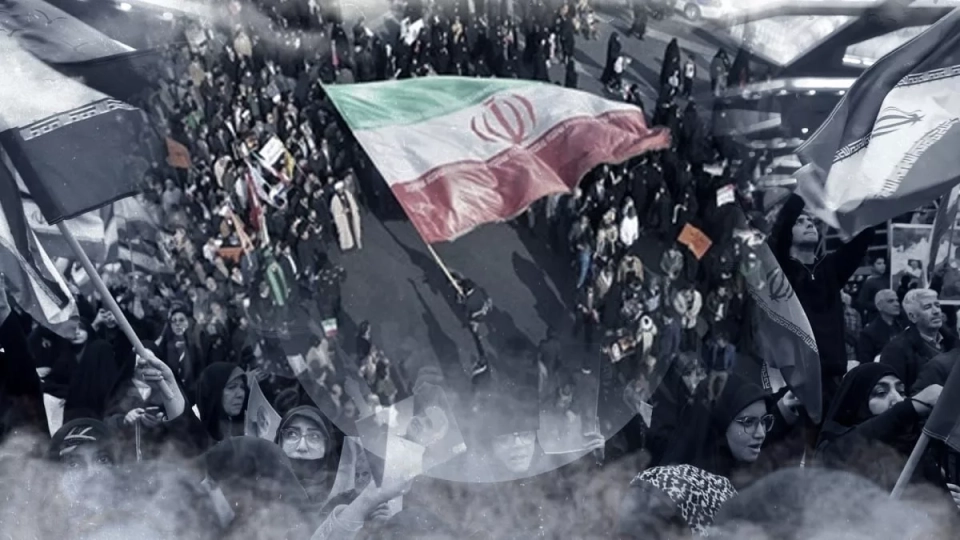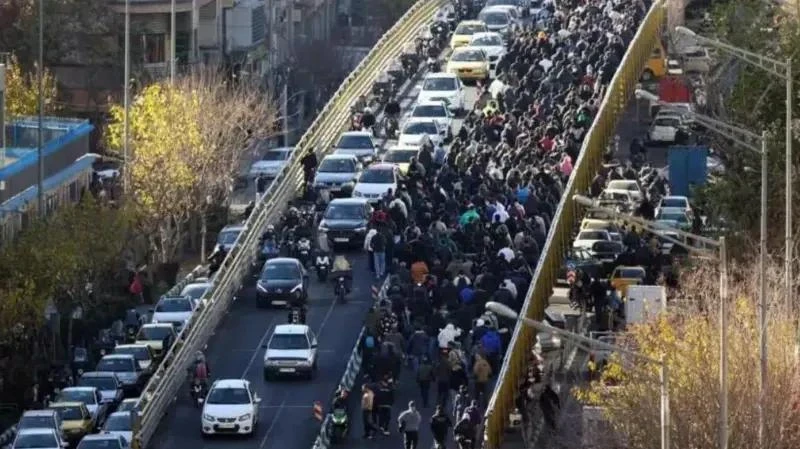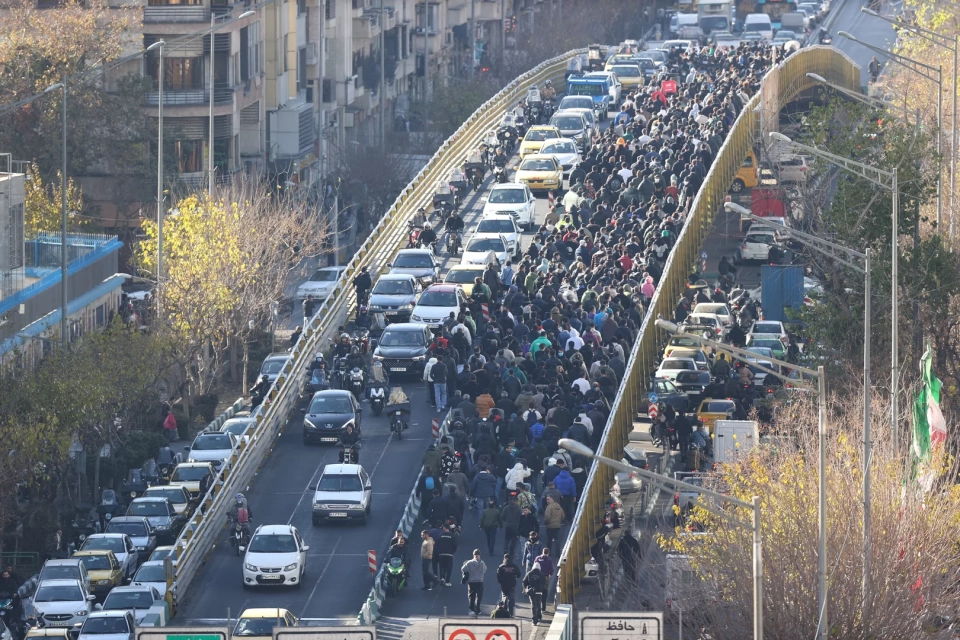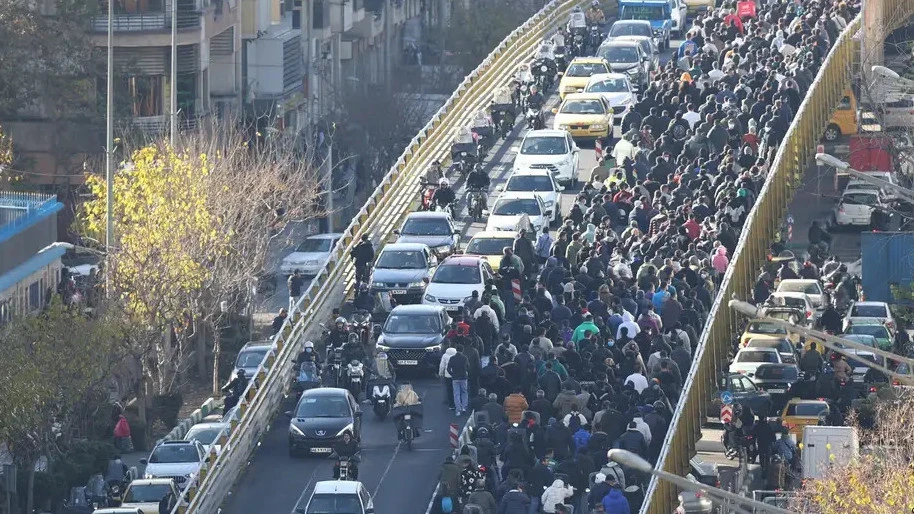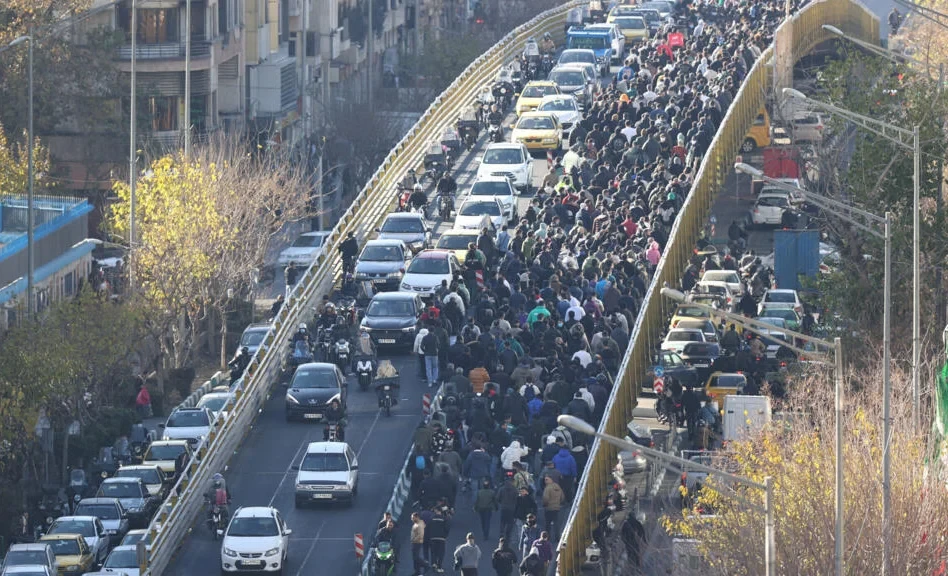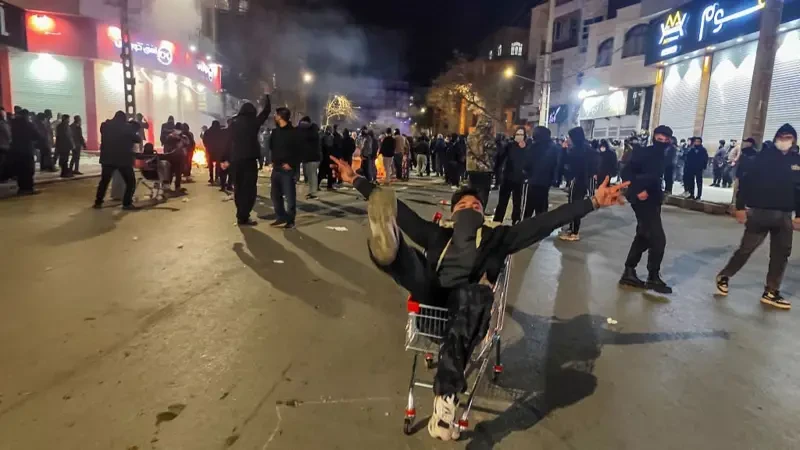
Protests in Iran, triggered by economic difficulties, have been ongoing for nearly two weeks. Clashes between protesters and police are becoming regular, and human rights organizations accuse Iranian security forces of shooting at demonstrators. The country is experiencing internet outages.
The Persian service of the BBC confirmed reports of 22 fatalities, while Iranian authorities reported six killed security personnel.
The human rights organization Iran Human Rights, based in Norway, claims that the number of killed protesters is at least 45, including eight minors.
According to the Human Rights Activists News Agency (HRANA), at least 34 protesters and four security personnel have been reported dead, along with over 2,200 detained. Protests have spread to 111 cities and towns across Iran, including universities, where exams at Amir Kabir University in Tehran have been postponed, according to ISNA.
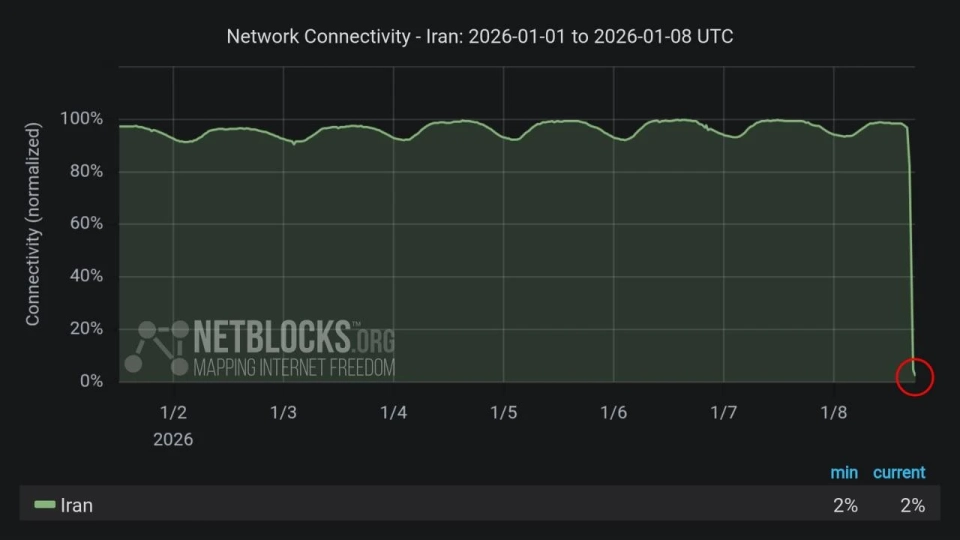
On Thursday, Iran faced a nationwide internet shutdown, as reported by the monitoring group NetBlocks. Phone services were also affected, leading to delays in information dissemination.
On Friday, Ayatollah Khamenei, in a televised address, labeled the protesters as vandals, claiming they were destroying their own streets to please foreign leaders. He stated that the Islamic Republic would not back down in the face of threats and condemned Trump's actions, accusing him of having blood on his hands and that his fate would be similar to that of the Shahs.
Reasons for the Iranian Protests
The protests began on December 28, when shop owners took to the streets of Tehran to express their dissatisfaction with the sharp decline in the national currency's value. Over the past year, the Iranian rial has lost value, and inflation has reached 40% — the economy is undermined by sanctions and internal issues such as corruption and ineffective governance.
Over time, students began to support the protests, spreading to other cities where slogans against Ayatollah Khamenei and in support of Reza Pahlavi, the son of the ousted Shah, were heard.
Reza Pahlavi, who is abroad, supported the protesters and called for new mass demonstrations on Thursday and Friday.
“The great people of Iran, the world is watching you. Go out into the streets and unite in your demands,” he said, addressing the protesters.
Trump, in turn, threatened tough measures if Iranian authorities continued to brutally suppress protests.
Kurdish opposition parties from Iraq called for a general strike in the Kurdish areas of Iran.
The human rights group Hengaw reported support for this strike in 30 cities, releasing footage of closed shops. In the Kurdish provinces of Ilam, Kermanshah, and Lorestan, 17 protesters have been reported killed, many of whom belong to Kurdish or Lur ethnic minorities.
The Persian service of the BBC confirmed that protests in Tehran and Mashhad continue despite attempts to disperse them.
In one video, a crowd of protesters can be seen chanting slogans and attempting to take down surveillance cameras.
In Mashhad, protesters also chanted slogans in support of the Shah, while in other areas cries of “Death to the dictator” and “Don’t be afraid, we are all together” were heard after clashes with police.
In Dezful, footage was recorded showing demonstrators and security personnel firing at each other.
On Thursday, Trump reiterated his threats to Iranian authorities if they continued to kill protesters.
Airlines began canceling flights to Iran: Turkish Airlines canceled five flights, and other airlines also changed their routes.
On Wednesday, the human rights organization Iran Human Rights announced that this day had become the bloodiest since the protests began, confirming the death of at least 13 protesters.
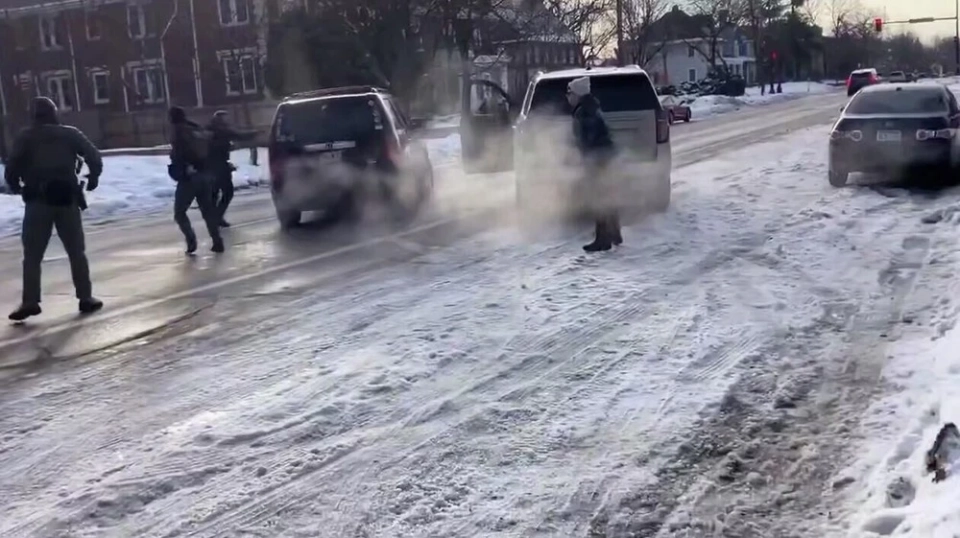
Videos on social media captured clashes between protesters and police, where gunfire and the use of tear gas could be heard.
In Qazvin, protesters chanted “Death to the dictator,” while in Bandar Abbas, calls for support of the police were heard before they were dispersed by security forces.
In Mashhad, protesters clashed with police, forcing them to retreat, and also chanted slogans in support of the ousted Pahlavi dynasty.
A large demonstration also took place in Abadan, where slogans against the spiritual leadership were voiced.
In other footage, security forces were seen firing in an attempt to contain protesters who were throwing stones and other objects at them.
At night, security forces used tear gas to disperse protesters in Aligudarze.
In Kayemiyye, protesters toppled a statue of Qasem Soleimani, who was killed in a U.S. strike in 2020.
The Iranian agency Fars reported two police officers killed in Lordegan, which is linked to the actions of “rebels.”
There were also reports of an attack on a police officer in the Mallard district.
However, verifying this information is difficult as independent media face serious restrictions in Iran.
Response of the Iranian Authorities
After a cabinet meeting, Vice President Mohammad Jafar Kayeempanah stated that the president had not issued orders regarding peaceful protesters.
“Rebels attacking security forces must be distinguished from peaceful demonstrators,” he added.
State media reported the introduction of a new allowance of $7 for 71 million citizens in an attempt to alleviate the financial burden.
The head of the judiciary, Gholamhossein Mohseni Ejei, stated that “rebels” would be swiftly punished to prevent further unrest.
Ayatollah Khamenei on Saturday called on the authorities to engage in dialogue with the protesters but emphasized the need to “punish the rebels.”
Opinions of Local Residents
An activist based in the UK conveyed to the BBC the words of one Tehran resident who described the protests as a manifestation of despair.
“I feel suspended. Life has become unbearable,” she said.
Another woman noted that she joined the protests because her dreams had been “stolen” by the authorities, and she wanted to show that the people have a voice.
A young woman from Ilam spoke about her acquaintances who, despite connections with the authorities, participate in the protests.
25-year-old Mina from Kuhdasht expressed a desire to live a peaceful life rather than engage in politics.
According to her, the current political priorities are outdated and do not reflect today’s realities.
The reaction to possible foreign interference in the protests divided opinions among Iranians. Some oppose it, fearing new suffering.
“50 years of this regime's rule have led to poverty and disappointment,” noted a resident of Isfahan.
He does not want his country to suffer from military conflicts and seeks peace without the Islamic Republic.
Expert Opinions
Sanam Vakil from Chatham House emphasized that the protests have taken on a political hue, reflecting widespread discontent among the population.
“People are tired. They have no hope for the future. Problems are worsening every day,” she noted.
Sadegh Zibakalam, a professor at Tehran University, believes that the authorities are cautious due to threats from the U.S.
These protests have become the largest since 2022, when unrest began following the death of Mahsa Amini, who was detained by the morality police.
According to human rights defenders, more than 550 people died as a result of the suppression of the 2022 protests.
The current protests have not yet reached the scale of those unrests.
In response to the mass unrest, Iranian authorities have restricted internet access. Communities have called for the use of the encrypted messenger BitChat, developed by Jack Dorsey.
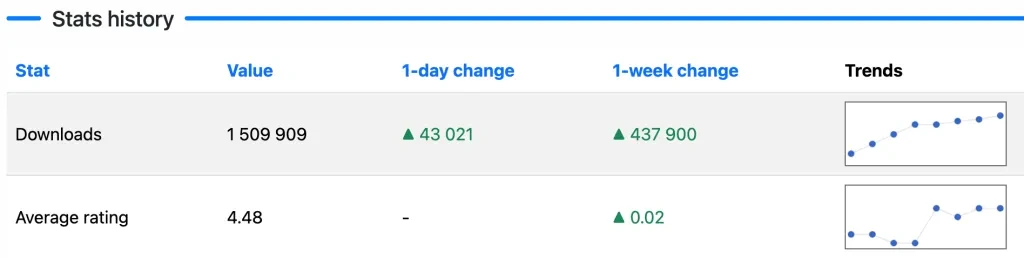
According to Chromestats, downloads of the app increased by 43,000 in one day and by 437,900 in a week, but it is unclear how many of these were from Iran.
The app previously gained attention in Nepal and Indonesia during protests against the government.
BitChat does not require the internet: each Bluetooth device in the network functions as a client and relay, transmitting encrypted messages up to 30 meters away.
Elon Musk also offered the possibility of connecting via Starlink satellites, and users have already reached out to him requesting to deploy equipment in Iran.
Reports indicate that Musk has responded to these requests.