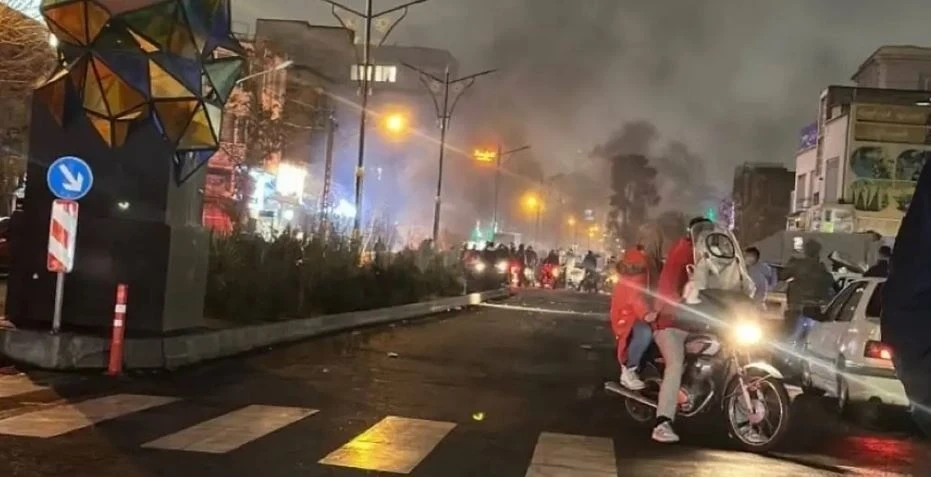
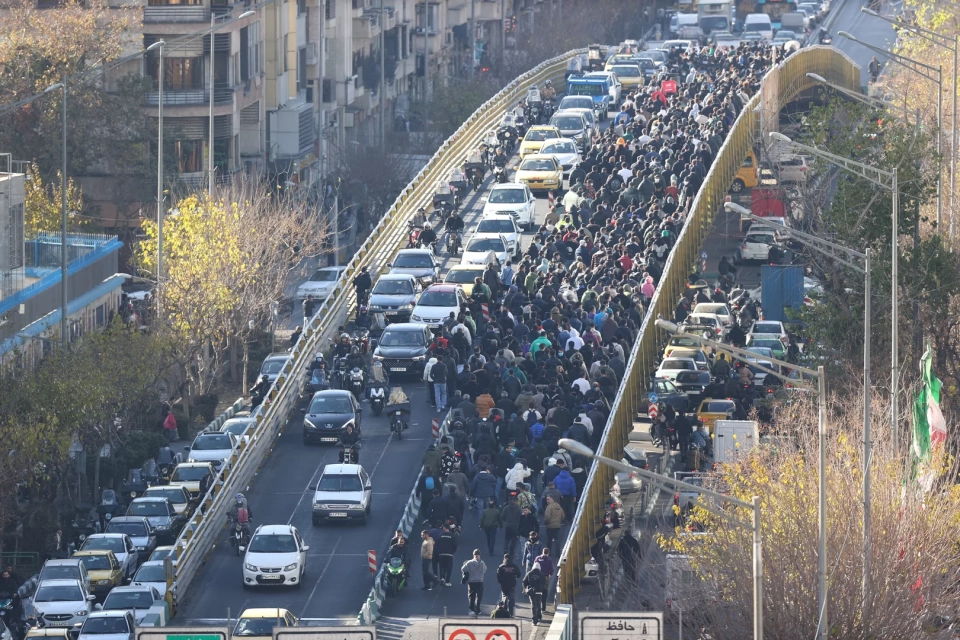
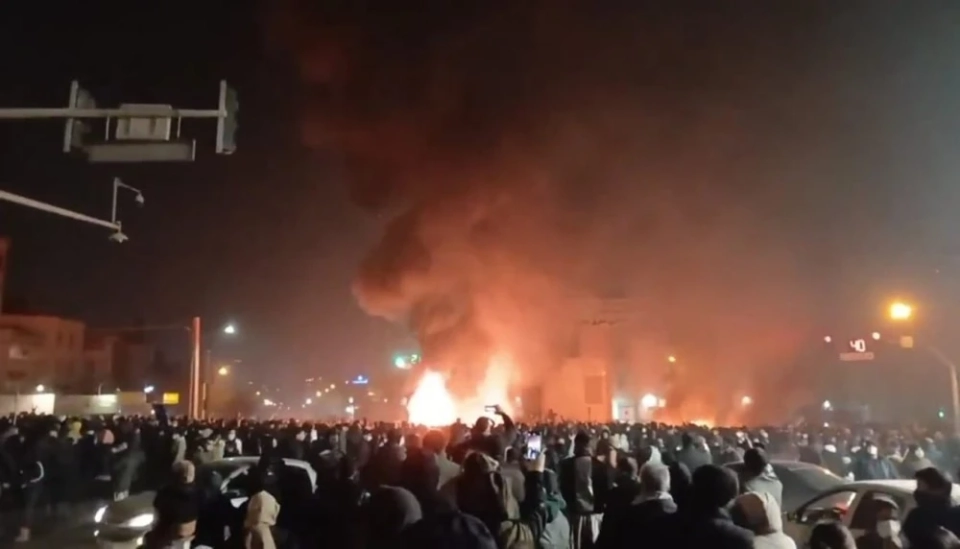
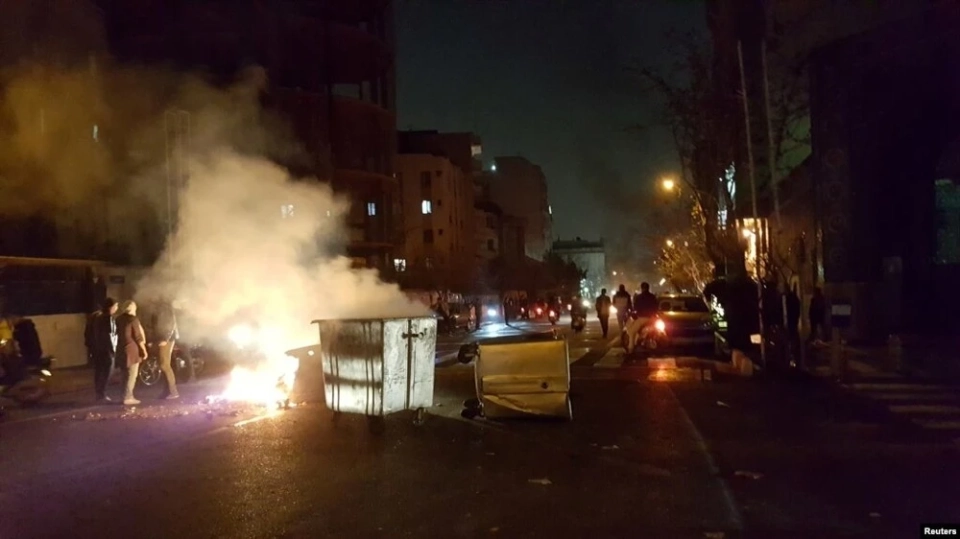
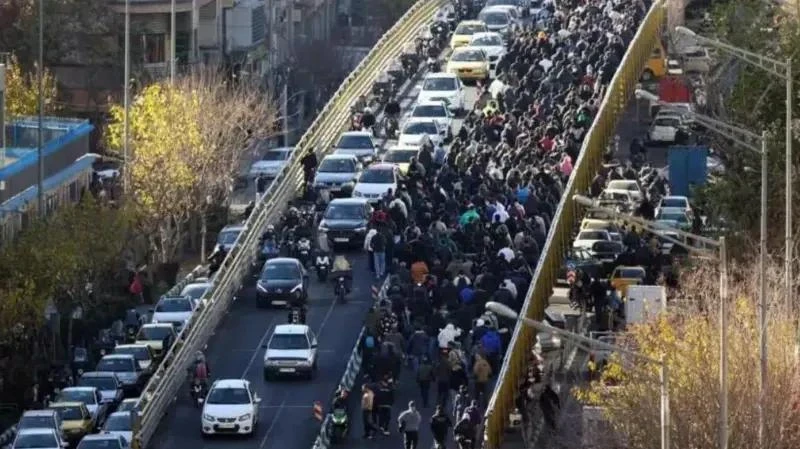
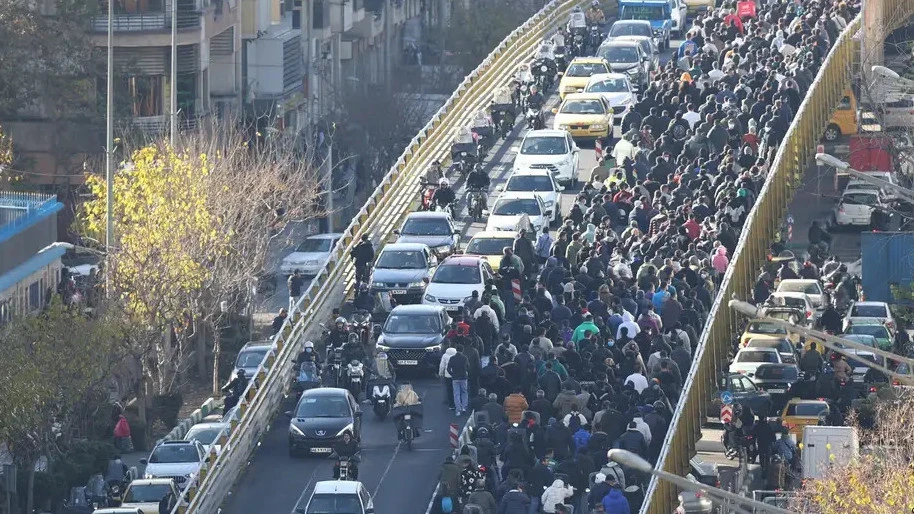
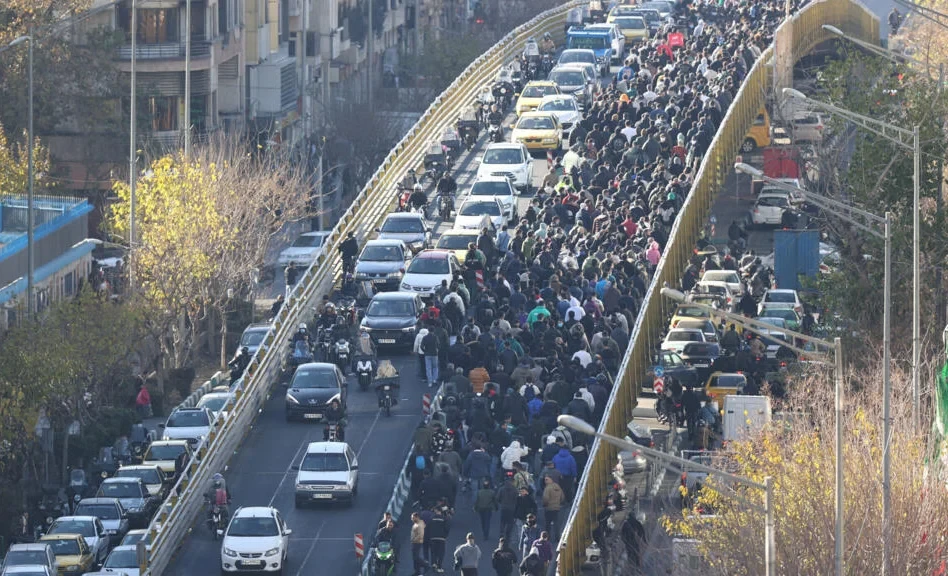
Protest sentiments in Iran are becoming increasingly pronounced. Experts believe that there is a high likelihood that Israel and the USA may attempt to exploit interethnic conflicts in the country for intervention. Their intention is to create conditions under which the Iranian authorities will be forced to suppress protests harshly, paving the way for external influence. From January 6 to 7, the escalation of the situation shifted from central provinces to the outskirts, where ethnic minorities live. Some media reported that protesters allegedly seized several settlements, but the authorities denied this information. Details about the situation in Iran can be found in the material from "Izvestia".
The Second Week of Protests in Iran
It has been almost 10 days since the protests began, and they continue to gain strength. The situation is most acute in Ilam province, where economic problems are exacerbated by ethnic conflicts. Areas populated by Kurds and Loris were the first to feel the consequences of the crisis and are actively participating in the protests. According to Western analysts, Ilam is currently responsible for up to 60% of all protest actions, and it is here that cases of the use of firearms are most frequently recorded.
The escalation of protests at the border with Iraq has become noticeable to Tehran's opponents. On the night of January 6 to 7, Fox News reported that protesters allegedly took control of the Kurdish city of Abdanan and the Malekshahi district, drawing local forces to their side. The source of this information was the "National Council of Resistance of Iran" — an émigré organization rumored to be closely linked to the protesters. However, Iranian authorities denied this information, providing their own reports.
Nevertheless, Western media continued to spread information about the protesters' seizure of neighboring settlements and even about the renaming of streets in honor of Donald Trump.
Grigory Lukyanov, an employee of the Center for Arab and Islamic Studies at the Institute of Oriental Studies of the Russian Academy of Sciences, noted that for the forces opposing Tehran, it is important to convince society of the unsustainability of the current regime.
Iranians Demand Stabilization of the National Currency
Although the situation in the country has not yet reached a critical point, experts strongly urge Iranian authorities to exercise caution.
- The formation of such an opinion could provoke the collapse of the system from within, which will occur not only due to the transition of individual representatives of the security forces to the side of the protesters but also due to a possible split in the political elite, - the expert added.
Interaction with the Population
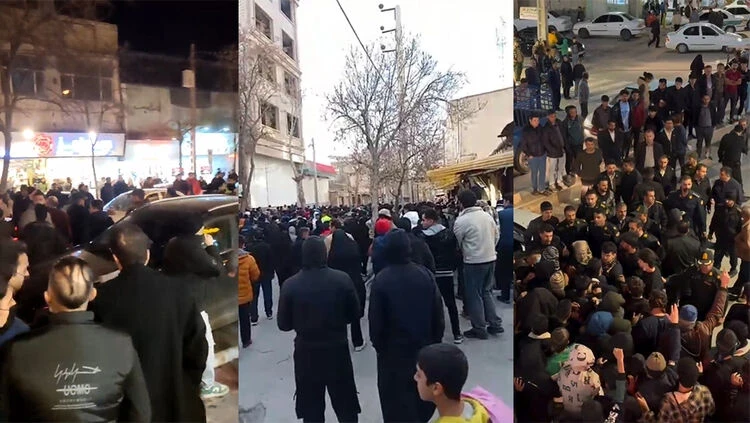
The protests in Iran began in late December 2025, triggered by the devaluation of the national currency and rising prices. By the middle of the second week, the nature of the unrest changed: the number of protests in major cities decreased, and they shifted to smaller settlements and rural areas, where the protest movement turned out to be more numerous but less organized.
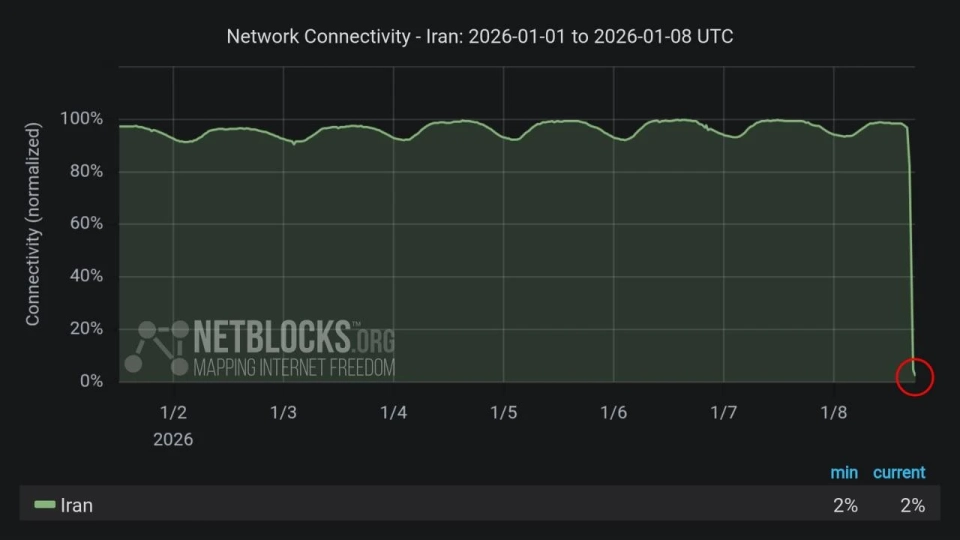
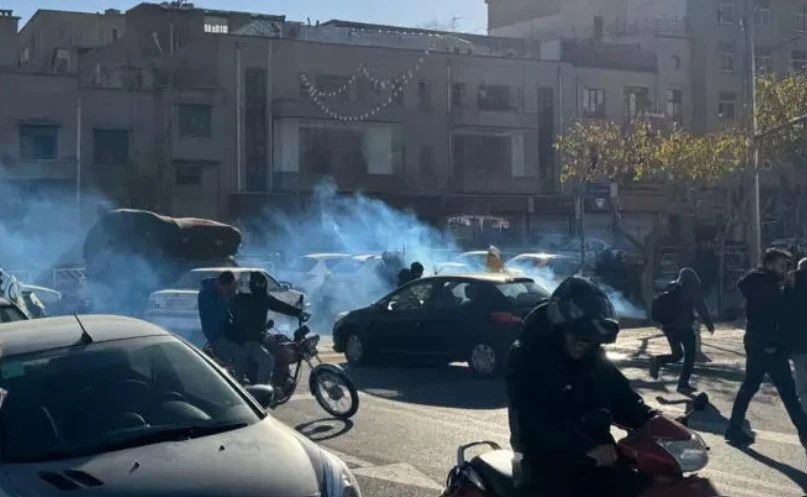
As a result, mass demonstrations gradually transformed into short-term actions. Attempts by protesters to revive unrest in the capital, for example, at the Grand Bazaar, were quickly suppressed by security forces, who used tear gas and stun grenades, as well as restricted communication and internet access in problematic areas.
An important feature of the current protests is that the authorities have been trying to establish a dialogue with citizens from the first days of the crisis and demonstrate a willingness to compromise. Iran's Supreme Leader Ali Khamenei, acknowledging the mistakes of the economic bloc, promised to find ways to solve the problem and called on the population to remain calm and obedient.
New financial support measures have also been introduced, including a subsidy of 10 million rials (approximately $8) for each resident, which will require about $720 million monthly from the state budget. Skeptics point out that such measures may only temporarily address the problem without bringing long-term stability.
Experts compare the current risks surrounding Iran to the situation in Iraq and its possible consequences.
Despite the apparent willingness of the Iranian leadership to engage in dialogue, the authorities clearly define their boundaries regarding threats. The commander of the Iranian army, Amir Hatami, stated that protests may be normal, but their rapid transformation into disorder is abnormal and planned by enemies.
On the other hand, the head of Iran's judiciary, Gholam-Hossein Mohseni-Ejei, emphasized that the authorities will not show leniency towards participants in the protests, as enemies openly support the rioters.
Possibility of External Intervention
As the situation in Iran worsens, the rhetoric from the USA intensifies. American officials demand that Iranian authorities stop the repression and emphasize that in a short period, the number of civilian casualties has increased almost sixfold, and the number of unlawfully detained protest participants has reached 1,200. If the warnings from the White House are ignored, Republicans promise to support the protesters.
Political scientist Dastan Tokoldoshev notes that the USA is not seeking military intervention but is trying to push Tehran into actions that could be condemned by the international community, which would create a "morally justified" reason for military confrontation.
An interesting point: shortly before the surge in protests, on January 5, an underground congress of Kurdish parties took place in Eastern Kurdistan, many of which are banned in Iran. At the congress, it was decided to support the protests and unite efforts against Tehran.
The consolidation of the Kurdish underground has raised concerns in Tehran, as it could become a tool for destabilization in the hands of the USA and Israel. However, using both ethnic and émigré factors to undermine power in Iran may prove to be a challenging task, given the low support for monarchists among the Kurdish population.