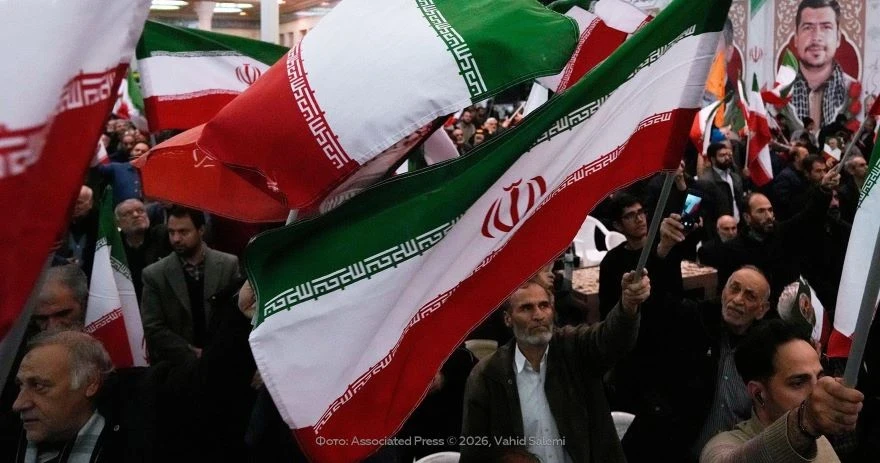
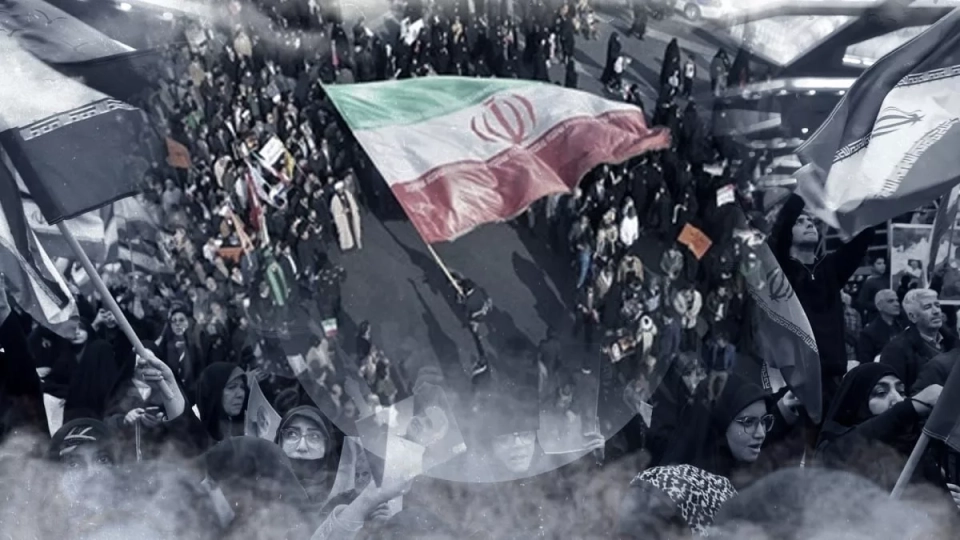
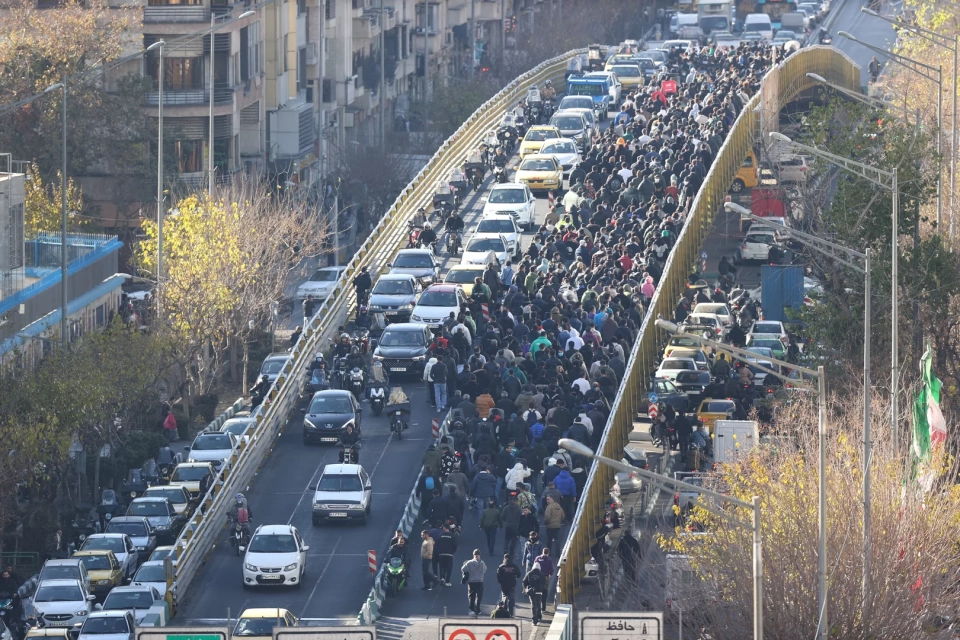
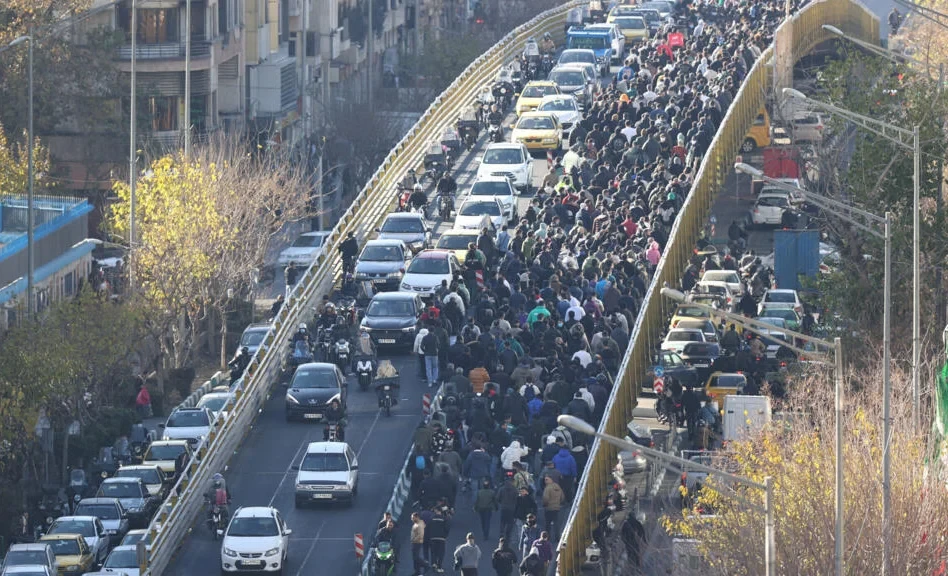
It should be noted that protests in Iran began in late December and were triggered by an economic crisis and the fall of the local currency.
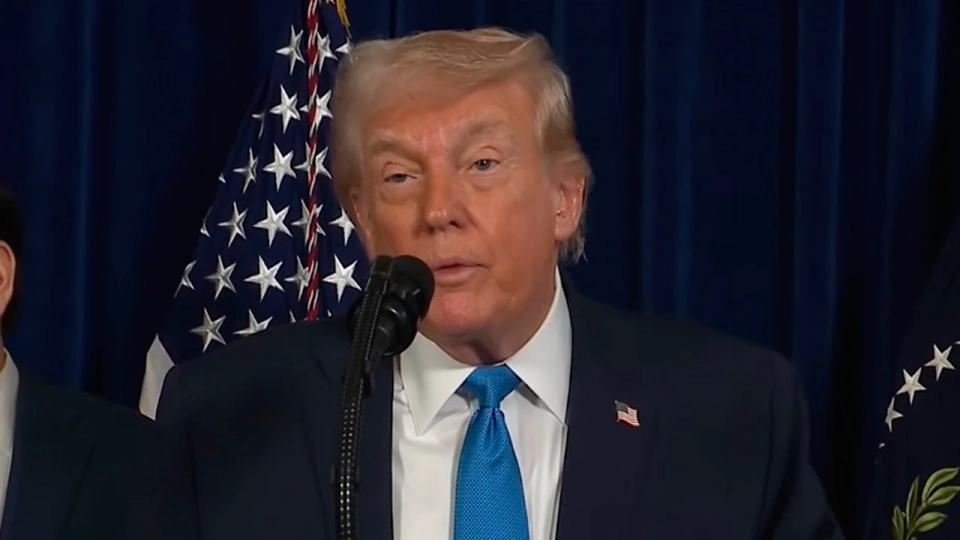
U.S. President Donald Trump has stated that serious actions against Iran could be taken if there are reports of protesters being killed.
Currently, the following information is known:
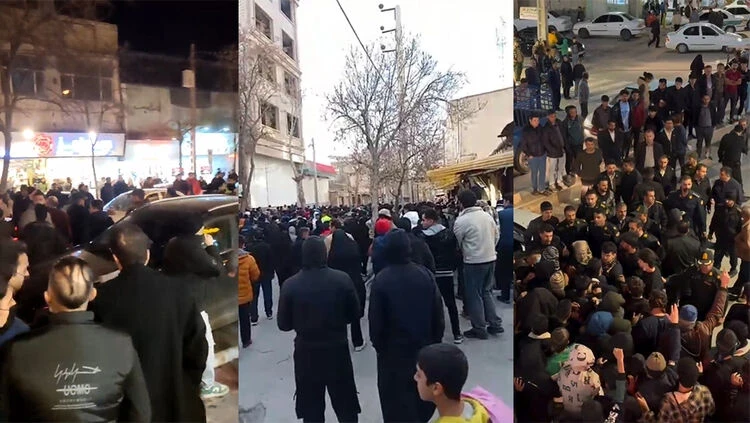
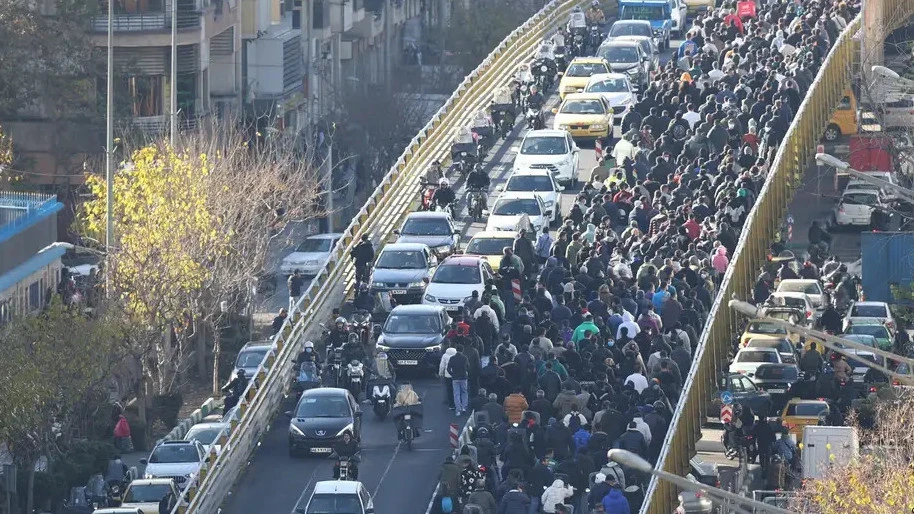
- Protests are taking place in each of the 31 provinces of the country; according to human rights defenders, the number of casualties has reached at least 45 people, including police officers, and the number of arrests exceeds 2,200;
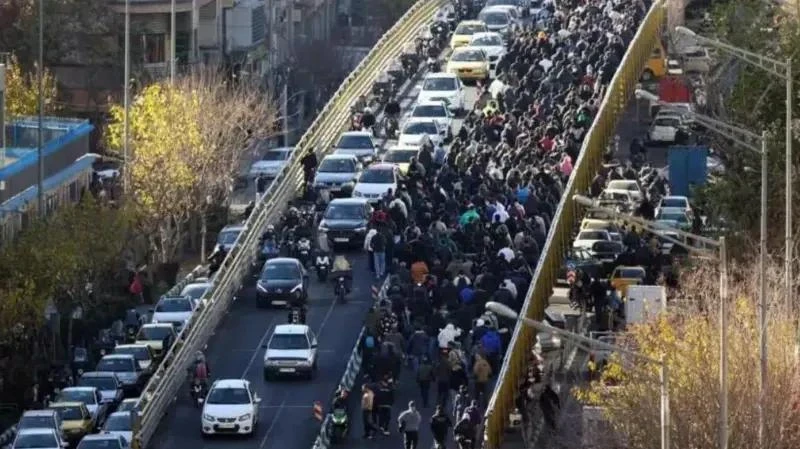
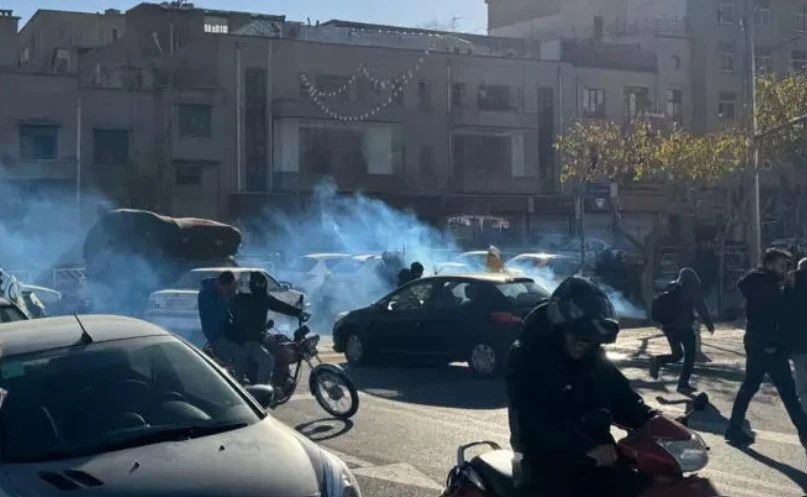
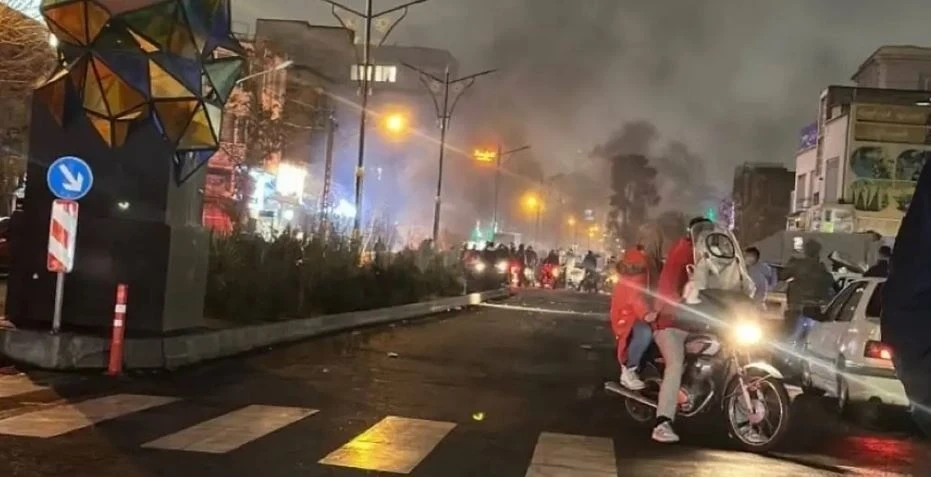
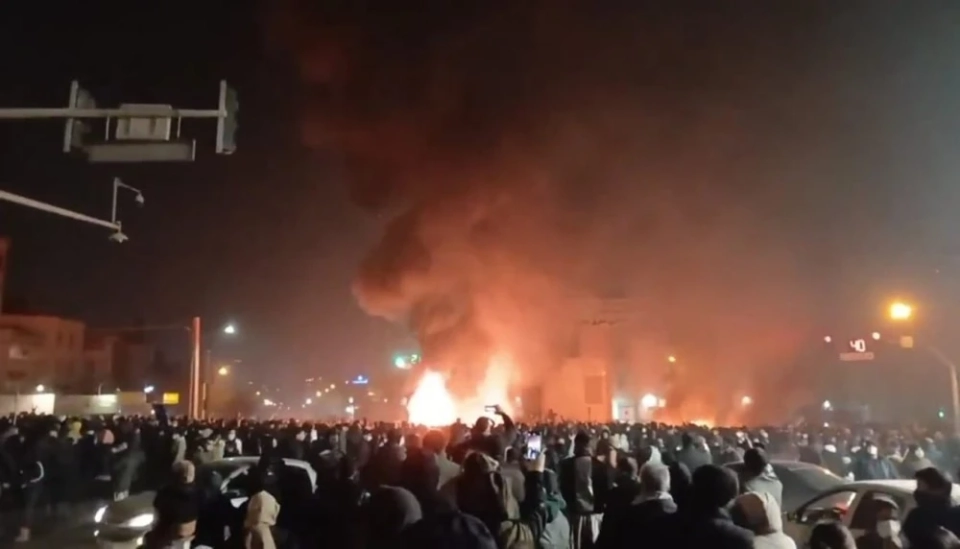
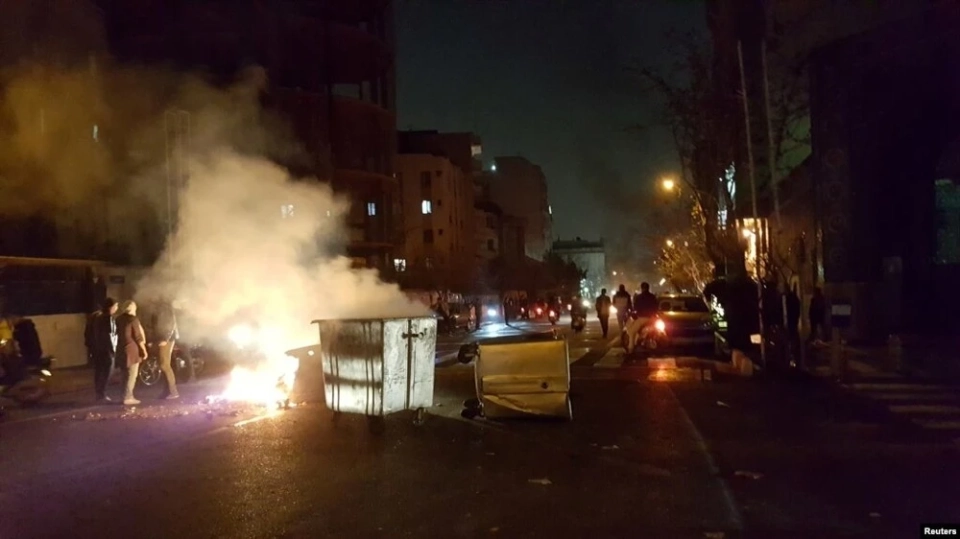
- In central Tehran, protesters have blocked several streets; gunfire can be heard in the city, and people are setting police vehicles on fire;
- In the city of Karaj, located near Tehran, protesters blocked a street, to which security forces responded by opening fire;
- The city of Abdanan, located near the Iraqi border, is completely controlled by protesters;
- In Lordegan, in the southwest of the country, armed individuals shot two police officers;
- The head of the Central Bank of Iran, Mohammad Farzin, has resigned due to the sharp decline in the national currency;
- The Supreme Leader of the country, Ayatollah Ali Khamenei, noted that Iran's economic problems are a result of pressure from adversaries, calling for an intensified fight against their agents in the country.
Global media report on blocked streets in Tehran, where protesters are setting vehicles on fire. Slogans can be heard in the crowd: "Long live the Shah!", "Death to the dictator!" and "This is the last battle, Pahlavi will return."
Mohammad Reza Pahlavi, the former Shah of Iran, was overthrown during the Islamic Revolution of 1979, organized by Ayatollah Khomeini. After the fall of the monarchy, Iran became an Islamic republic. Pahlavi left the country and died in exile in 1980 in Egypt.