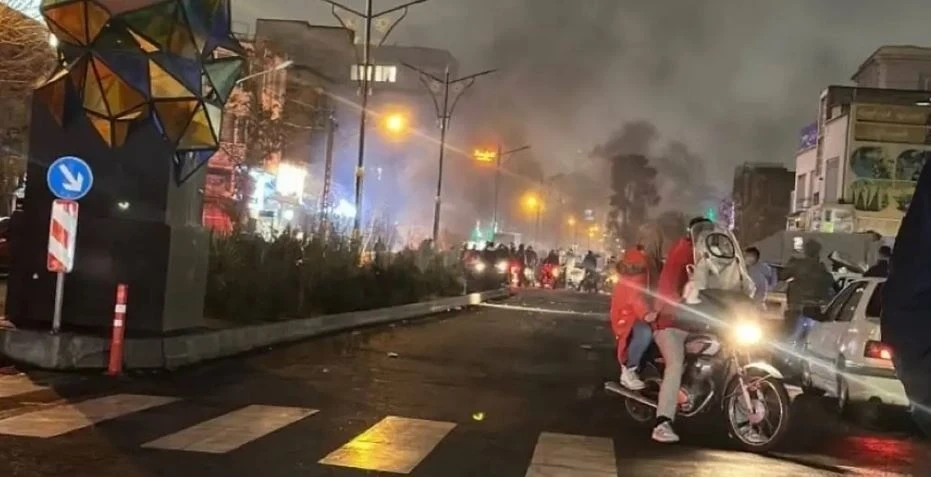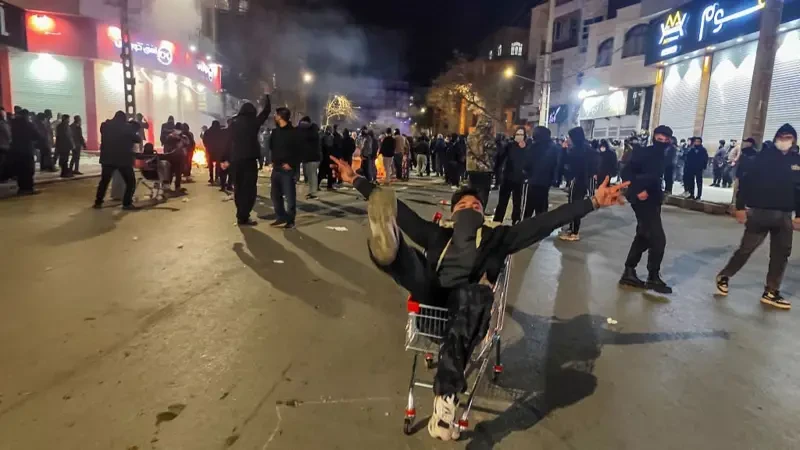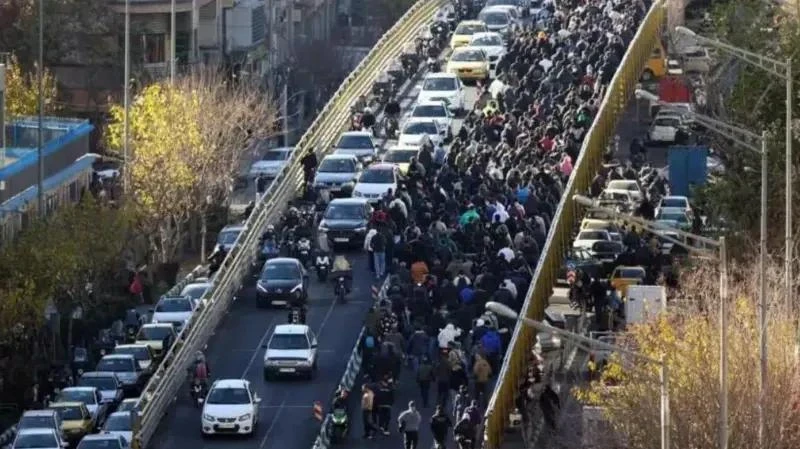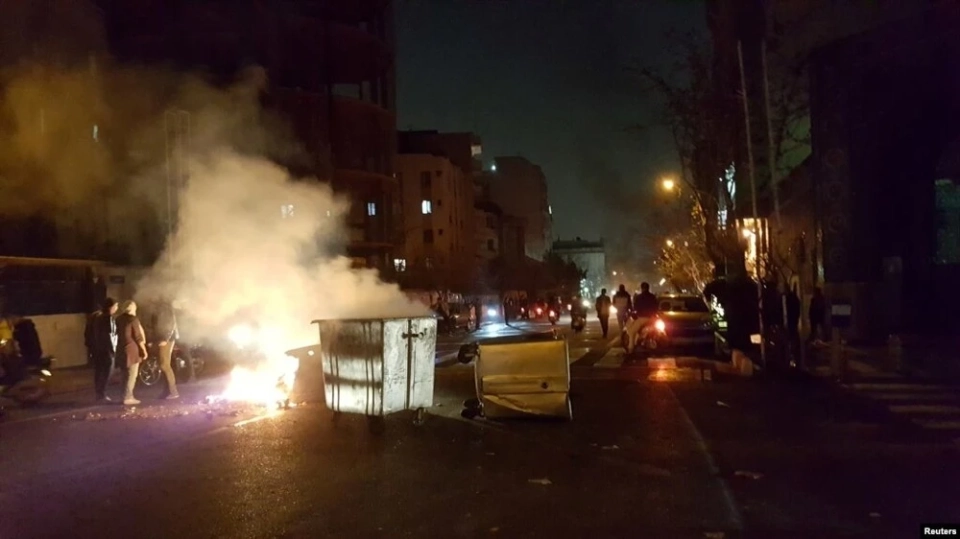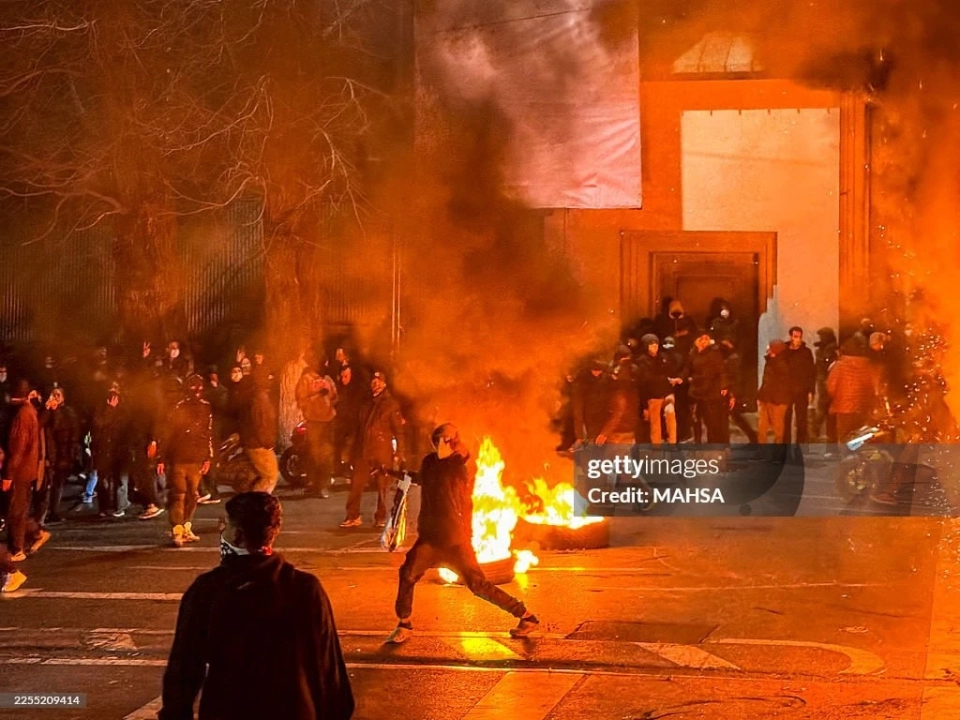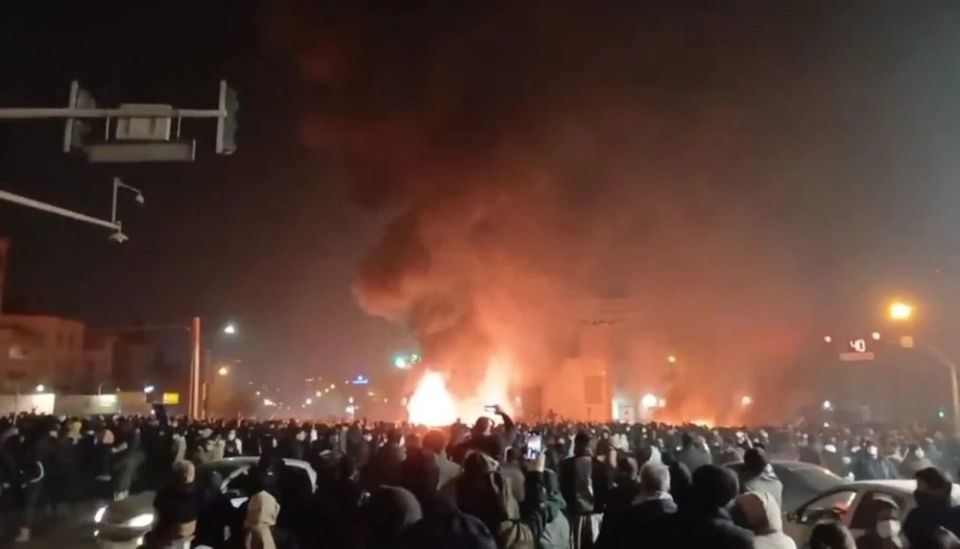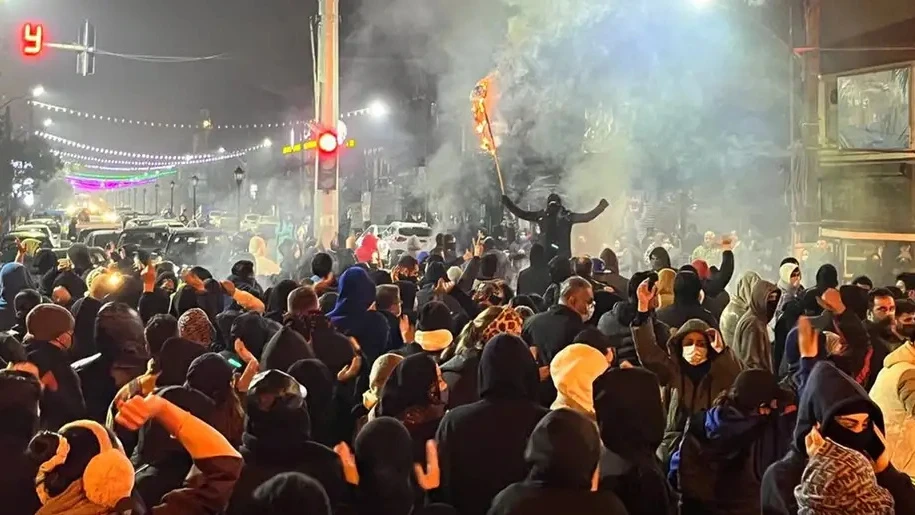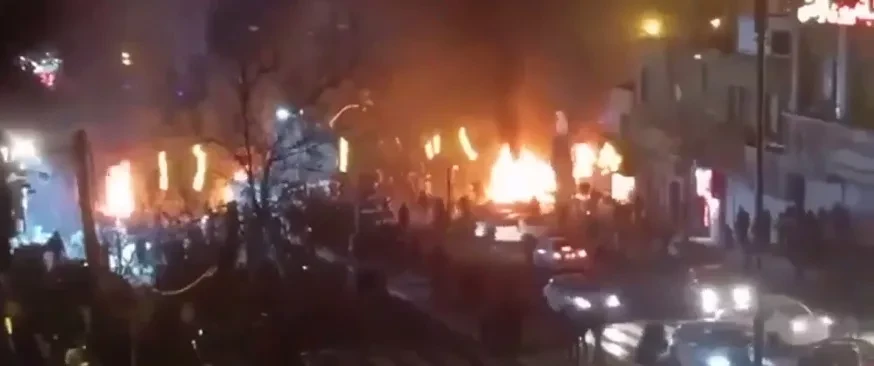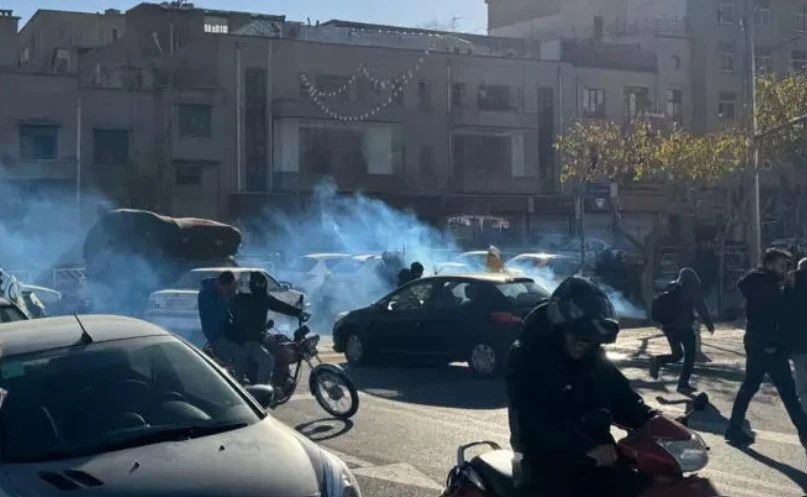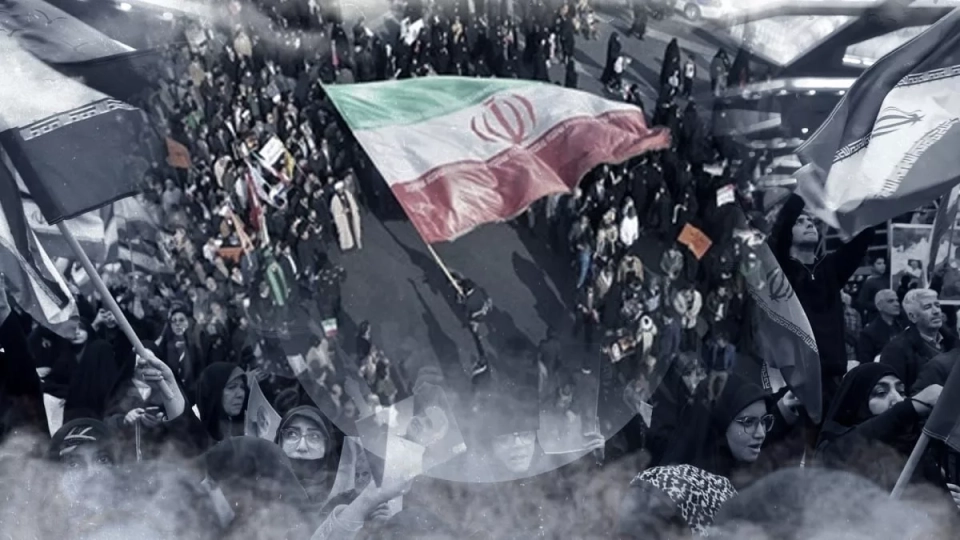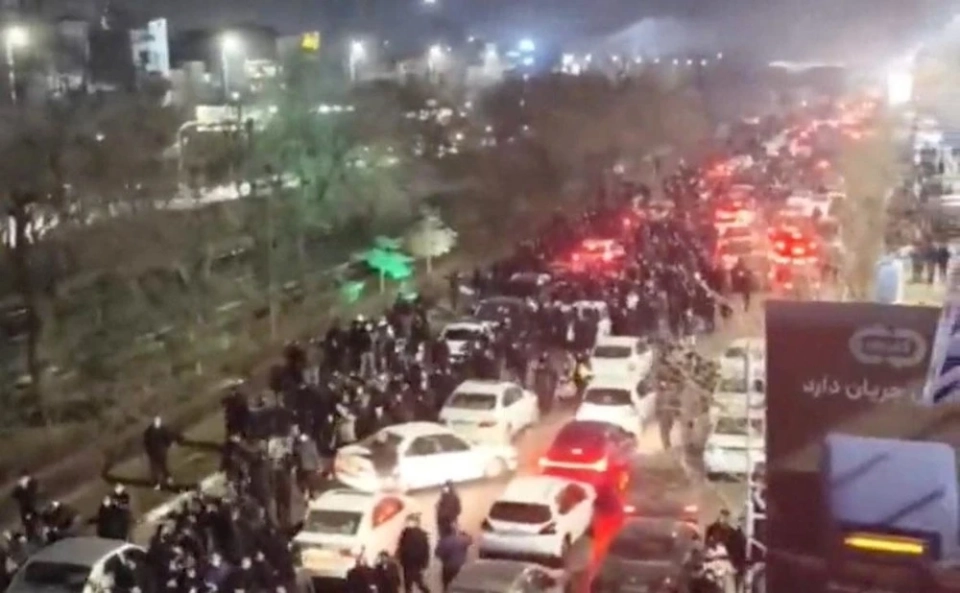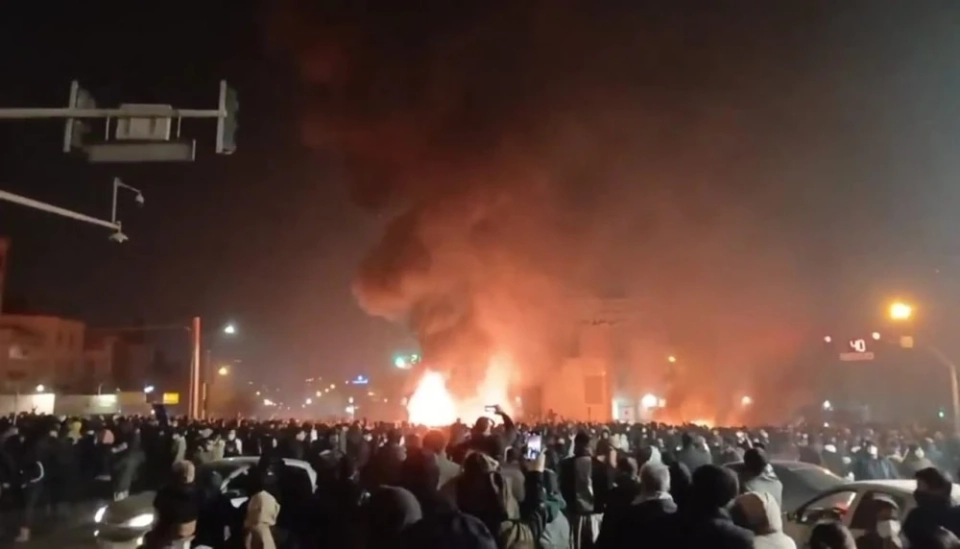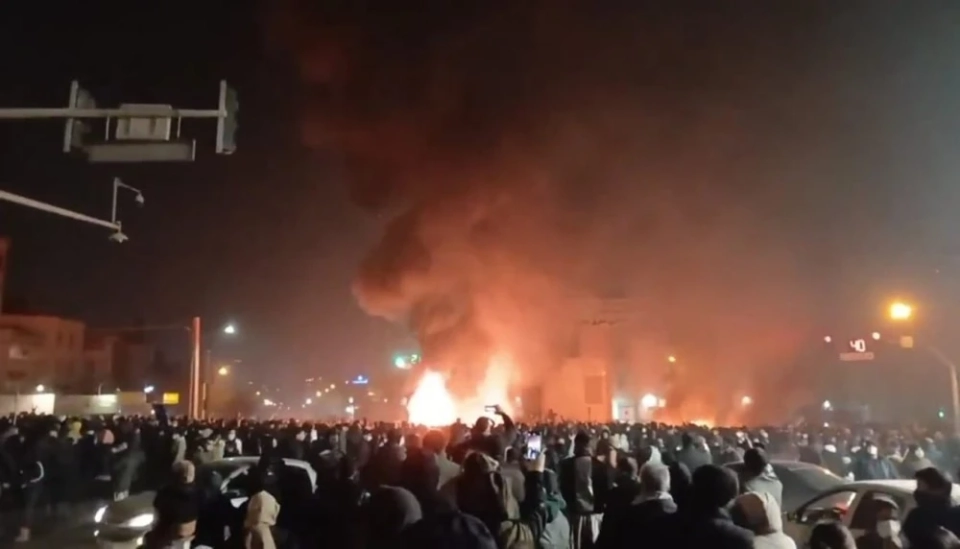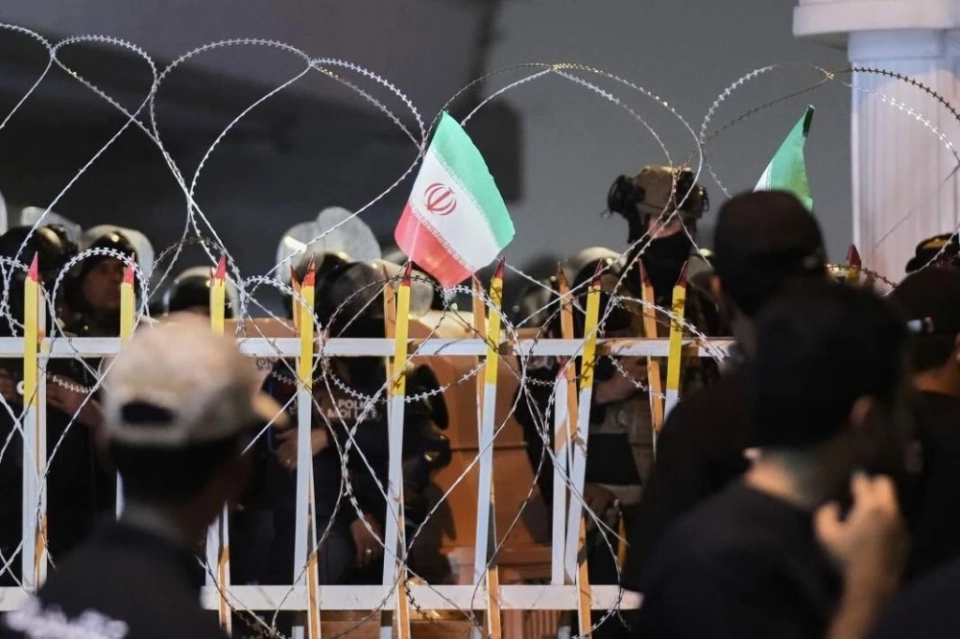
The rallies have become a response to waves of anti-government protests. Ayatollah Ali Khamenei characterized them as a "warning" to the United States.
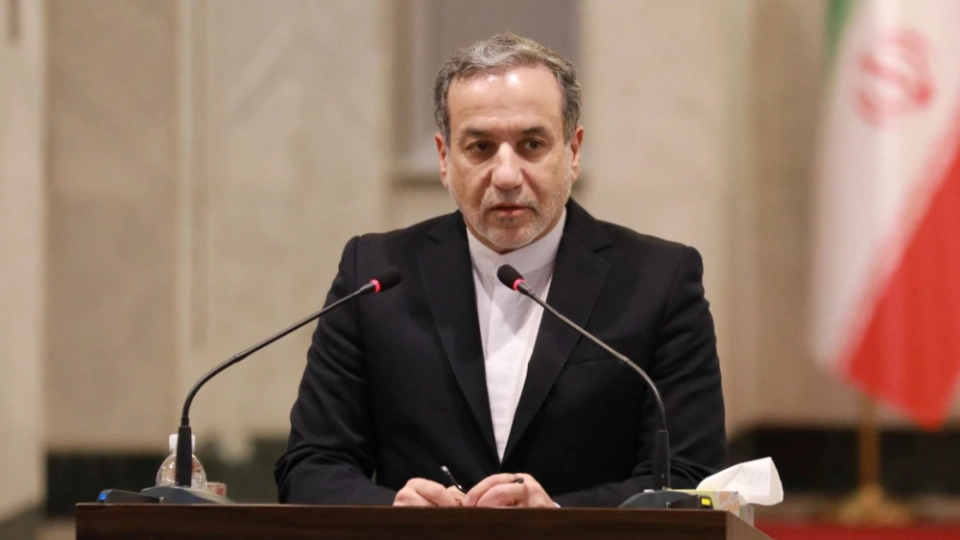
On Monday, the Iranian Foreign Ministry summoned the ambassadors of Western countries to express dissatisfaction with their support for the protesters that have swept the country.
The diplomats were shown video footage of the unrest and information about the damage caused, as well as a call for European governments to "retract their official statements in support of the protesters." This was reported by the ministry, citing state television.
Western countries condemned Iran's actions after the organization Iran Human Rights (IHR), based in Norway, released data indicating that at least 648 demonstrators had died as a result of repression by Iranian security forces.
The group also noted that the actual number of casualties could be significantly higher.
Western countries condemn
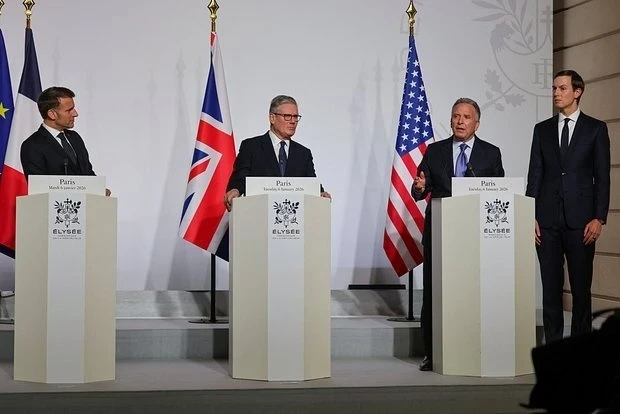
French President Emmanuel Macron condemned the "state violence" against the protesters.
"I condemn the violence directed against Iranian women and men who bravely demand respect for their rights," Macron wrote on his X page. "Respect for fundamental freedoms is a universal demand, and we support those who defend them."
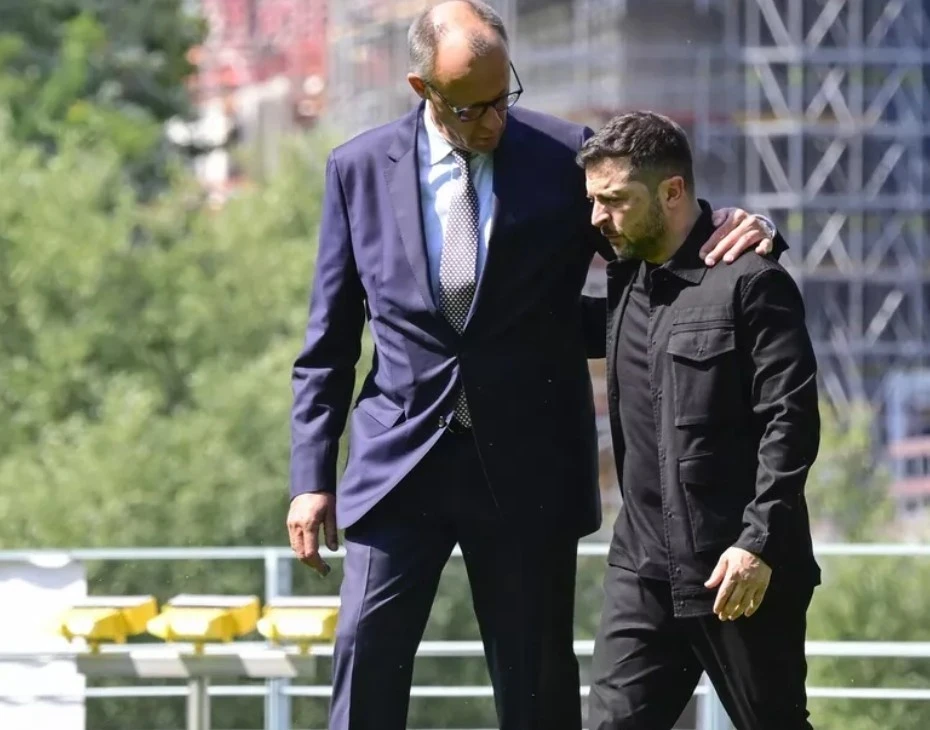
German Chancellor Friedrich Merz stated that Iran's use of "disproportionate and brutal violence" against the demonstrators is indicative of the regime's "weakness."
"We strongly condemn this violence," Merz noted during a visit to India. "This is not a display of strength, but a sign of weakness."
A representative of the German Foreign Ministry stated that the country insists on including the Islamic Revolutionary Guard Corps of Iran on the EU's list of terrorist sanctions.
According to him, Germany "is working within the EU to achieve consensus" on this issue.
UK Foreign Secretary Yvette Cooper called for an end to the brutal repression by Iranian authorities.
"The killings and brutal repression of peaceful protesters in Iran are horrific," Cooper wrote on X. "I spoke with Iranian Foreign Minister Abbas Araghchi and made it clear to him: the Iranian government must immediately stop the violence, uphold fundamental rights and freedoms, and protect the safety of British citizens."
The European Union stated that new sanctions against Iran are being considered in light of the suppression of protests.
"We are ready to impose new, tougher measures in response to the brutal suppression of protests," noted EU representative Anouar El-Anouni.
Collapse of the national currency
The protests began on December 28 after the closure of the bazaar in Tehran, when the exchange rate of the Iranian rial fell to a record low.
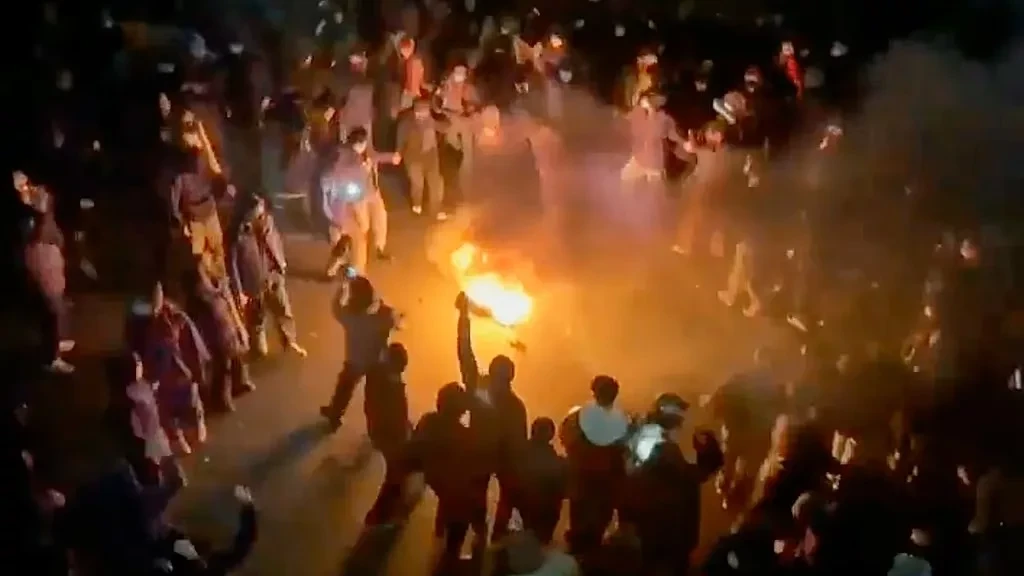
Soon, the protests spread to other regions of the country. Demonstrators demanded a change of regime, which became one of the most serious challenges to the theocracy since the Islamic Revolution of 1979.
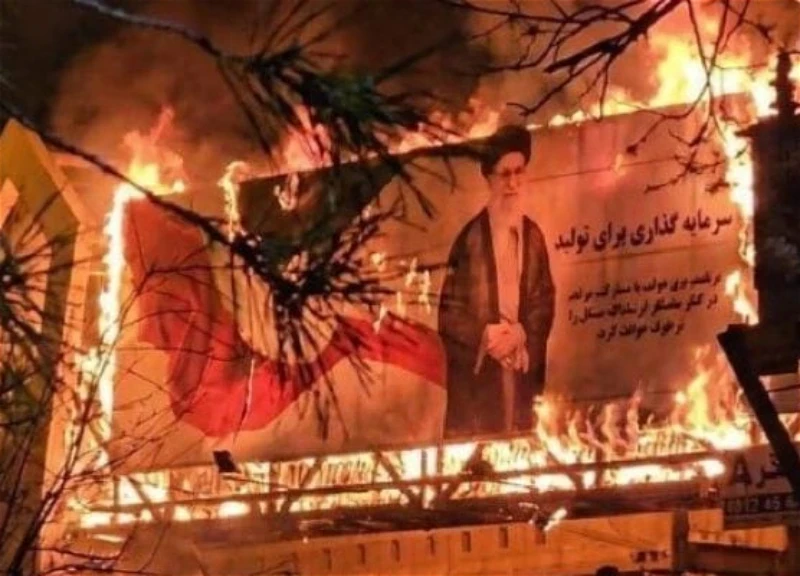
Some protesters shouted "Death to the dictator!" and "Death to the Islamic Republic!", as well as burned images of Ayatollah Ali Khamenei.
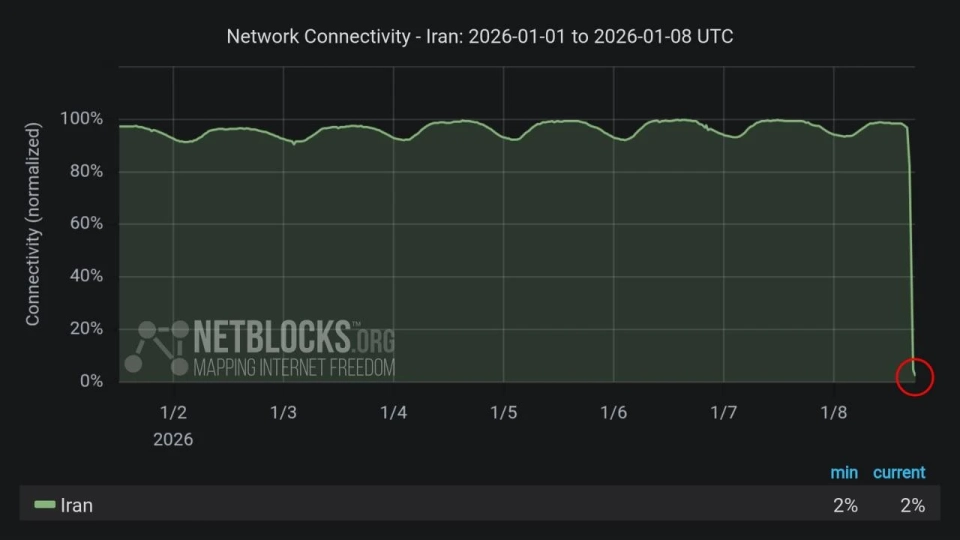
Internet and phone lines were cut off almost immediately after the protests began, which, according to the network company CloudFlare and the human rights group NetBlocks, is related to the intervention of the Iranian government.
Pro-government rallies
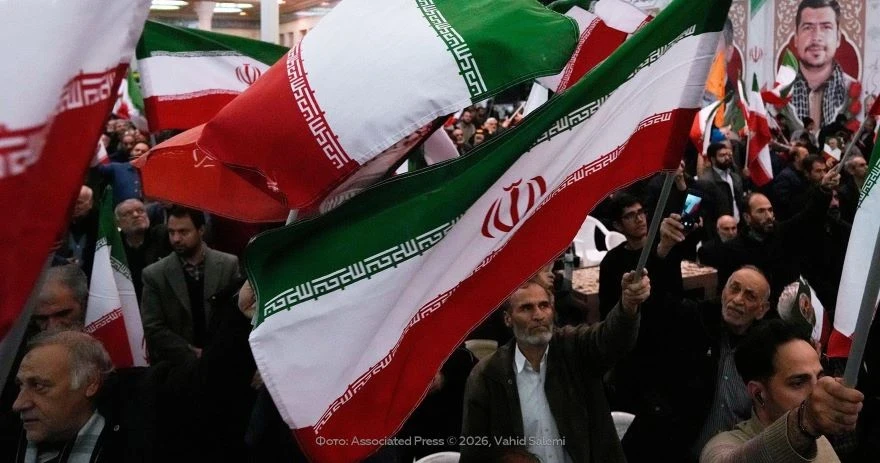
In response to the protests, the government called for nationwide rallies in support of the Islamic Republic.
Thousands of people gathered in Revolution Square in Tehran with national flags, praying for the victims of what the government called "unrest."
Ayatollah Ali Khamenei praised these pro-government actions, characterizing them as a "warning" to the U.S.
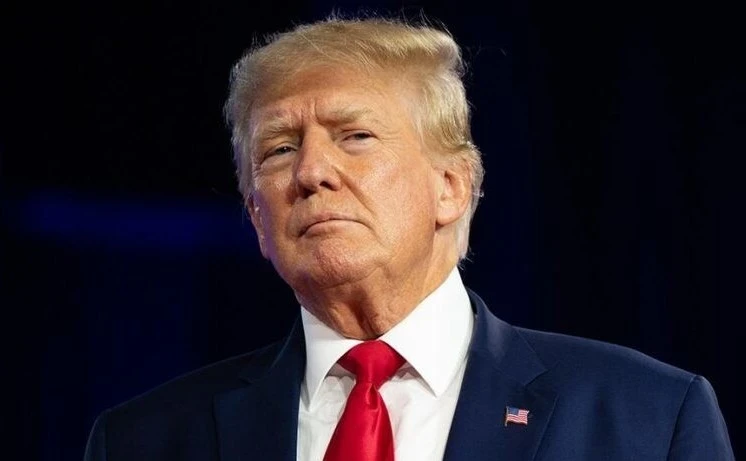
"This is a warning to American politicians to stop deceiving and not to rely on treacherous mercenaries," he stated in response to U.S. President Donald Trump's threats of military intervention if Tehran continues to kill protesters.
"These mass rallies, full of determination, thwarted the plans of foreign enemies, who were supposed to be carried out by internal mercenaries," he added.
Iranian Parliament Speaker Mohammad Bagher Ghalibaf stated that the response to the protests is a "war against terrorists."
He noted that Iran is waging a "war on four fronts": economic, psychological, against the U.S. and Israel, and a "war against terrorists."
"The Iranian nation will never allow the enemy to achieve its goals," he said, emphasizing the slogans "Death to Israel, death to America!" in Persian, and promised that Iranian military forces would teach President Trump an "unforgettable lesson" in the event of a new attack.
Trump is considering a strike against Iran as punishment for the regime's actions against protesters, Axios reports.
Donald Trump announced that countries cooperating with Iran would be burdened with a 25% tariff on all operations with the U.S.
"As of today, any country doing business with the Islamic Republic of Iran will pay a 25% tariff on all business operations with the United States," he wrote on the social network Truth Social.
According to Trump, this order is final and mandatory.
Ayatollah Khamenei commented on Trump's statement, writing on social media:
Power and tyranny, striving for world domination, have always fallen at the peak of their power. And this too will be overthrown.
Iran announced the confiscation of property from participants in the unrest. The head of the judiciary stated that these individuals would have to compensate for the damage caused.
Iran warned that commercial shipping and maritime infrastructure could become legitimate targets if the U.S. begins a military attack on Tehran.
Iranian Parliament Speaker Mohammad Bagher Ghalibaf noted that in the event of military action by the U.S., the targets would be Israel, U.S. military facilities, and "supply centers." Iran will not limit its retaliatory actions only after a strike, considering any actions as "legitimate defense."