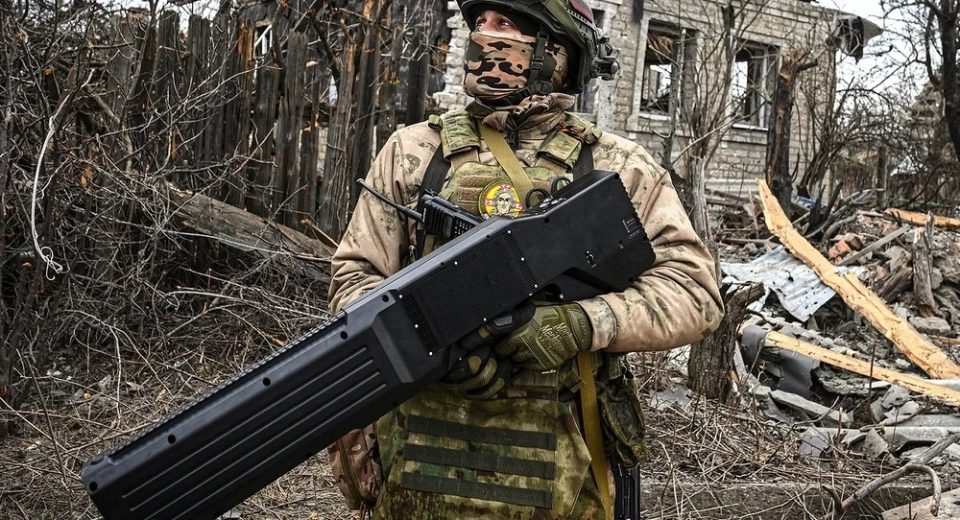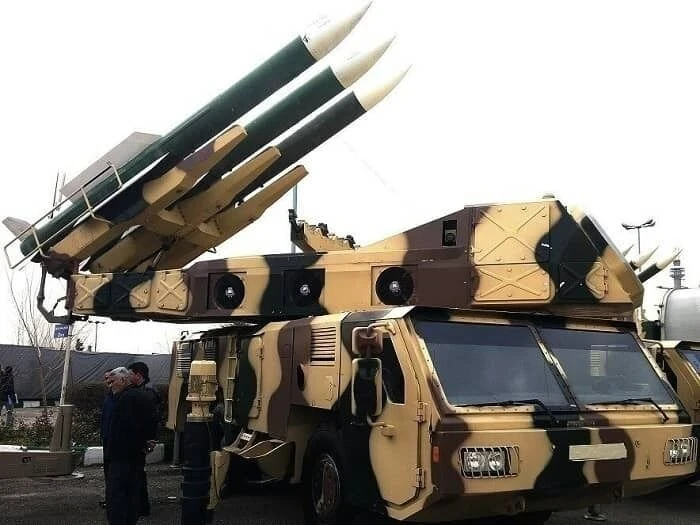
A few years ago, similar military technology exhibitions on the streets of Munich would have been unthinkable, but the changing global situation has forced Germany to adapt to new conditions.
Bavaria, the southern region of Germany, is now considered a key center for defense technologies, including artificial intelligence, drones, and aerospace technologies.
Local residents note that they feel an increasing vulnerability, being caught between an aggressive Russia to the east and unpredictable United States to the west. According to a recent Eurobarometer survey, 68% of Europeans believe their countries are under threat.
This autumn, the Federal Office of Civil Protection of Germany stated for the first time since the Cold War that war is no longer "unlikely." It urged citizens to stockpile food for a period of three to ten days to be prepared for any surprises.
Germany has become the largest supplier of military aid to Ukraine, while the U.S. has reduced its supplies. Polls show that the German population demands greater security in their homes.
For Germany and other European countries, the question arises: are traditional alliances with the U.S., NATO, and the EU sufficient, or is it necessary to seek new coalitions with countries like Australia, South Korea, and Japan?
Uncertainty in Relations
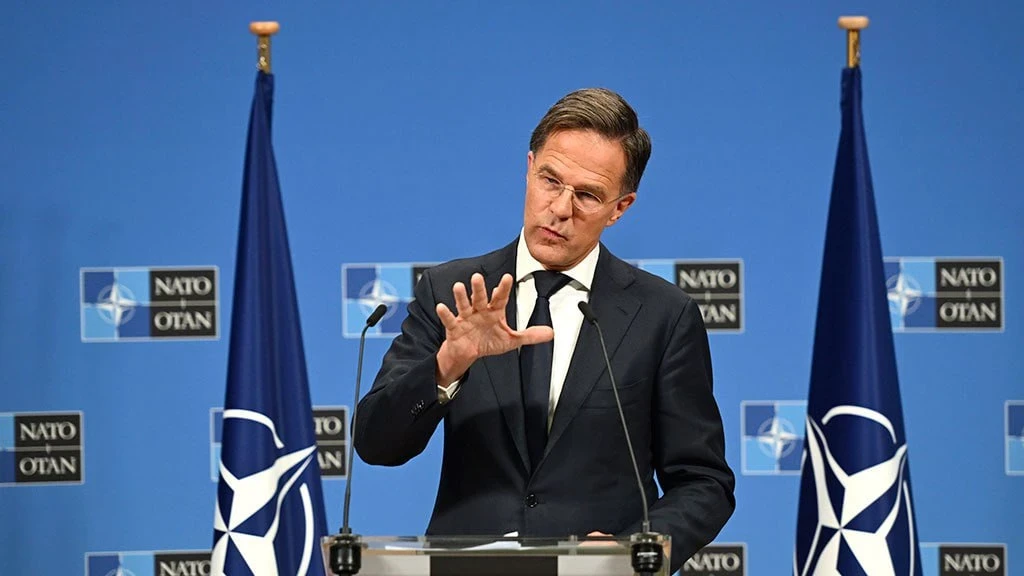
It is predicted that by 2029, Germany's defense budget will exceed the total expenditures of the United Kingdom and France, as stated by NATO Secretary General Mark Rutte.
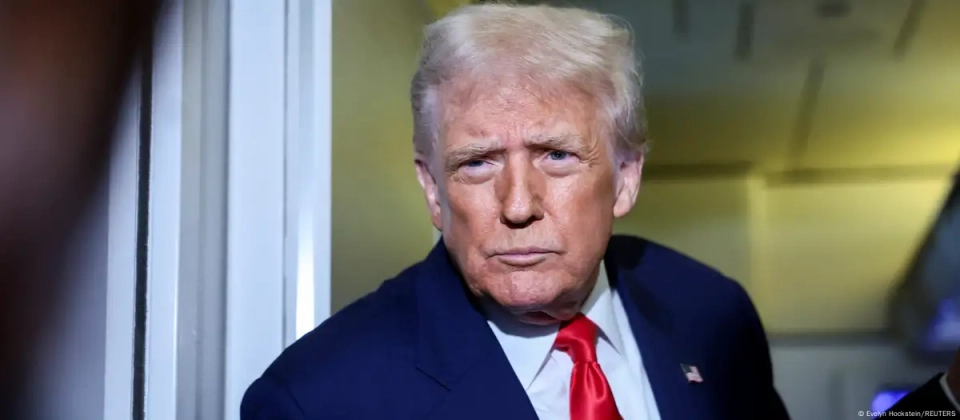
He mentioned a sum of 150 billion euros that will be spent on defense, calling it "staggering." "This is noticed and appreciated in the U.S.," he added. Donald Trump is not the first president to demand more security efforts from Europe, but his approach is more stringent.
The uncertainty in transatlantic relations has become a central theme of the Munich Security Conference (MSC), the world's largest defense forum, gathering leaders and experts in the field.
Despite possible distrust of such meetings, they matter in the current conditions, especially due to informal negotiations between key players taking place out of the media's sight.
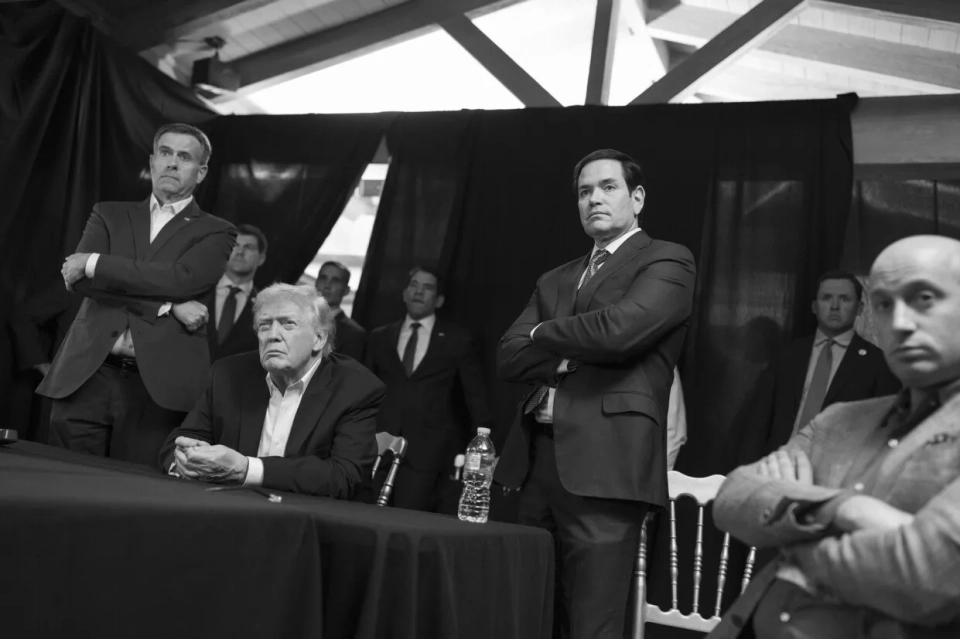
One of the most anticipated speeches at the conference was that of U.S. Secretary of State Marco Rubio, representing the Trump administration.
European leaders and diplomats were tense. But why did the 30-minute speech generate such interest?
As the dialogue between Europe and the U.S. has never been so strained in the last eight decades since World War II, this is not just a temporary misunderstanding.
Denmark Maintains Discontent
After Trump's return to the White House, he repeatedly questioned the authority of European leaders, imposed high tariffs on their products, and, most shockingly, threatened Denmark regarding its sovereignty over Greenland, not ruling out the possibility of seizing the island.
At the conference, Danish Prime Minister Mette Frederiksen, still clearly displeased, confirmed that Trump's plans for Greenland remain "unchanged," despite trilateral negotiations between Denmark, the U.S., and Greenland.
Although Trump has currently ruled out the possibility of a military seizure of Greenland and has not imposed sanctions against allies, trust between Atlantic countries has been undermined.
European states view Trump as a president who is unafraid to use economic and military ties with close allies for his own interests. For example, before the elections, he stated that the U.S. would not defend countries that do not provide for their own defense.
Nevertheless, Europe has relied on American protection for decades. Critics argue that European countries could afford generous social programs while Washington covered security costs.
German Defense Minister Boris Pistorius stated: "We have become accustomed to strong support from the U.S.; that time has passed, definitely passed. Washington was right."
However, the crisis surrounding Greenland and other actions by the Trump administration, such as the temporary suspension of intelligence sharing with Ukrainian forces, have created deep wounds and a sense of caution in transatlantic relations.
This explains the excitement in Munich before Rubio's speech.
In his speech, he emphasized the historical connection: "We want Europe to be strong. The two great wars of the last century remind us that our fate is always intertwined."
Misconceptions and Hopes
I was surprised that many European politicians, inspired by his speech, stood up and began to applaud the U.S. Secretary of State. They clearly felt relief that he did not threaten Europe, as was the case at last year's conference with Vice President J.D. Vance.
However, for those who listened more closely, Rubio's speech reflected the core themes of the Trump administration, and many European leaders found it difficult to accept: anti-climate positions, skepticism towards globalization, and support for a new era of Christian Western civilization.
Rubio made it clear that the U.S. is not interested in maintaining the old order. They are seeking a new path, but only if Europe shares these values.
His proposal for cooperation was conditional and did not imply compromises.
“It feels like psychological pressure,” noted one European diplomat on the condition of anonymity. “He reminded Europe of the former glory of transatlantic relations, and then moved to an ultimatum: if you want everything to be fine, follow my instructions!”
Another diplomat noted that the choice of countries Rubio visited after Germany, such as Slovakia and Hungary, highlights his preference for problematic EU members who oppose military aid to Ukraine and adhere to strict migration policies.
Fragile New Alliances
The soft tone of Rubio's speech divided European leaders, who had previously unanimously supported Denmark in the Greenland crisis.
European Commission President Ursula von der Leyen noted that despite Rubio's softer rhetoric, relations with the U.S. have become fragile. "Some boundaries have already been crossed and cannot be returned," she emphasized. "Europe has undergone shock therapy."
However, will some European countries perceive Rubio's warm speech as a reason to delay increasing defense spending? The financial burden on governments and voter priorities, such as the cost of living, may complicate this decision.
Rachel Ellehuus, head of the RUSI think tank, points to the growing division of opinions in Europe.
On one hand, Scandinavian and Baltic countries, as well as Germany and the Netherlands, are actively increasing their defense spending, while Southern Europe, such as Spain, is reluctant to meet Trump's demands.
As Ellehuus notes, France and the UK have promised to increase their defense spending but are still looking for a "political payoff" to explain to voters what compromises this will require: tax increases or cuts to social benefits.
“Europeans should have started working on this yesterday,” she says. “They have 5-10 years to strengthen their defensive capabilities.”
Last week, U.S. Deputy Defense Secretary Elbridge Colby stated at a NATO meeting in Brussels that the U.S. priority has shifted from the European continent to the Indo-Pacific region.
“Under President Trump, we are once again focused on protecting our interests in our hemisphere,” he noted.
Emphasizing that the U.S. remains committed to the principle of NATO mutual defense, Colby stressed that America will be reducing its capabilities in Europe, becoming "more limited and targeted" in its participation.
Europe must become a partner, not a dependent entity, he stated, calling for the creation of a new "NATO 3.0." The old world order based on the West is fading, but the UN Security Council meeting held over the weekend showed that the future of Europe and the U.S. remains uncertain.
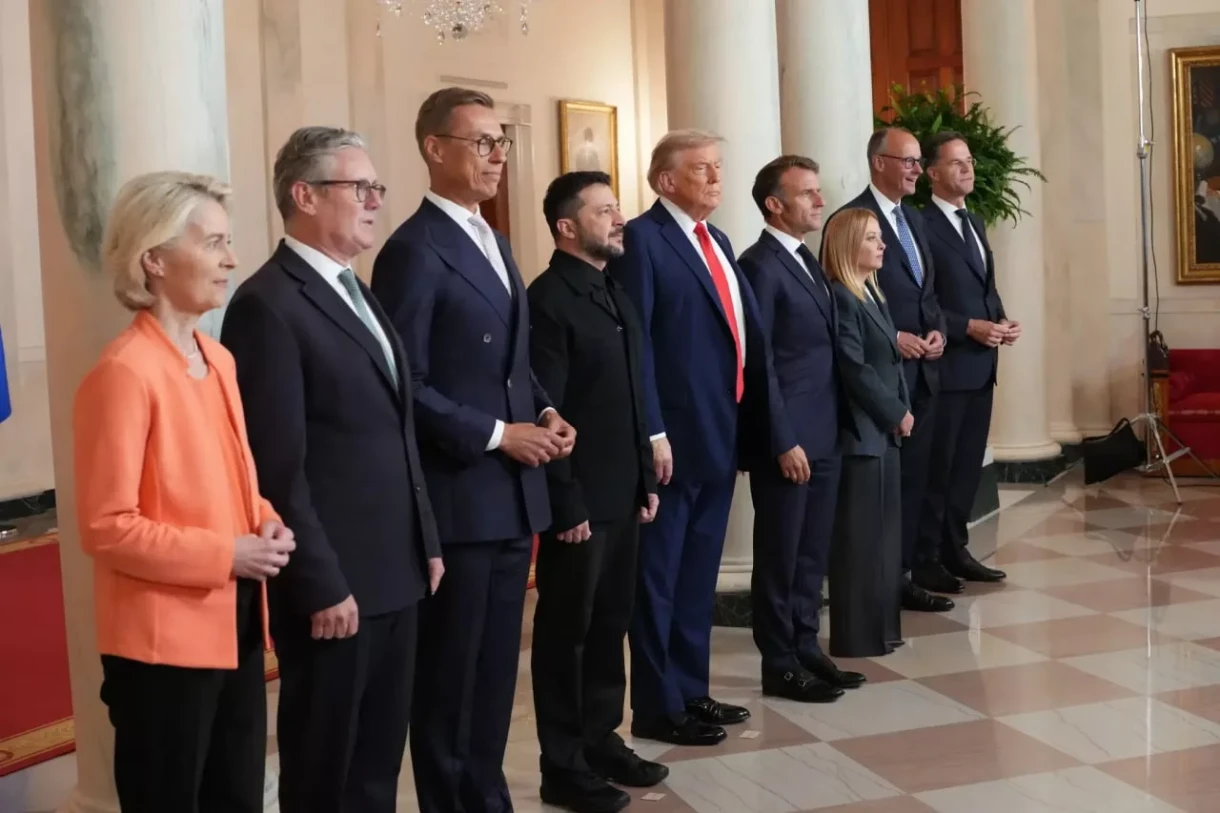
Marco Rubio called for a new century of Western civilization, Elbridge Colby wants to revive NATO, and the British Prime Minister at the Munich conference called for the creation of a new Western alliance.
Starmer's Approach
Unlike Marco Rubio's persistent demands for national sovereignty, Sir Keir Starmer advocates for closer integration between the UK and Europe in defense to reduce rearmament costs, while emphasizing that this does not mean abandoning the U.S.
Sophia Gaston, a national security expert from King's College London, noted that Starmer articulates the UK's strategic position better.
“Other allies in Europe may be more inclined to discuss differences with Washington,” she says, “but for the UK, it is important to develop triangulation in transatlantic relations. There will also be moments when the UK will have to make difficult choices, and Starmer seems to look more confidently at this reality.”
“The key point is a deep understanding of national interests and tools of influence. This requires a more competitive approach, which has not always seemed natural for the UK, accustomed to consensus-oriented diplomacy.”
In a rapidly changing world, European leaders are increasingly turning to create coalitions beyond traditional organizations like NATO or the EU, which often respond more slowly. These coalitions may include countries outside Europe.
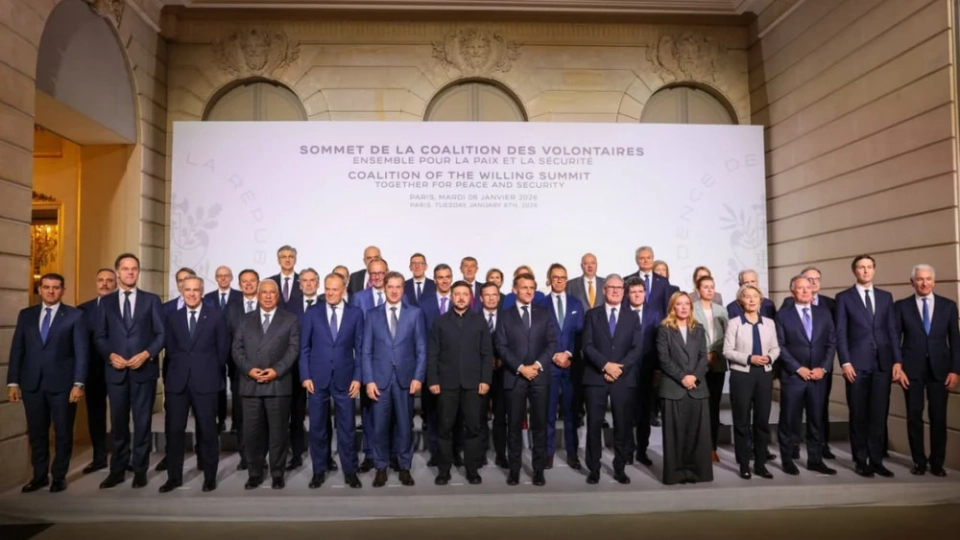
For example, the so-called Coalition of the Willing, led by the UK and France, was established to ensure Ukraine's sovereignty in the event of a possible peace agreement with Russia, with Turkey, New Zealand, and Australia participating in the meetings.
Canada is also ramping up cooperation with Scandinavian and Baltic states facing similar geopolitical challenges and sharing common values, aiming for stability and deterrence through the Baltic Sea and Canadian Arctic.
One European politician, wishing to remain anonymous, noted that Canada is "becoming more European by the day." Japan and South Korea are also viewed as part of the "family of like-minded countries."
Not Just About Defense
These coalitions are not limited to defense issues. French President Macron has long called for expanding Europe's strategic autonomy — in security, energy, supply chains, and new technologies. In Munich, he recommended that Europe reduce risks associated with external forces.
Over the weekend, even the President of the European Commission acknowledged that if the EU cannot quickly enhance its competitiveness, "some member states will have to act independently."
Attempts by small groups of European countries to cooperate to promote strategic independence have not always been successful. For example, the current conflict between France and Germany over the joint development of a next-generation fighter — the Future Combat Air System (FCAS).
It should be noted that despite discussions about creating European independence, the conference highlighted how much Europe still depends on the U.S. for security — from nuclear protection to intelligence sharing and governance structures. It also underscores Europe's lag behind the U.S. in high technologies.
Nevertheless, the changes occurring in Europe, including closer alliances with other states, are likely to be long-term rather than just short-term measures aimed at "surviving" Trump. The world seems to be currently governed by the politics of great powers, and even slowly evolving Europe is forced to adapt to new conditions.