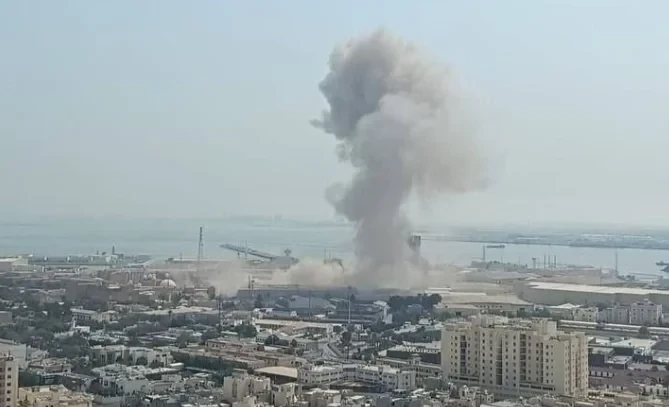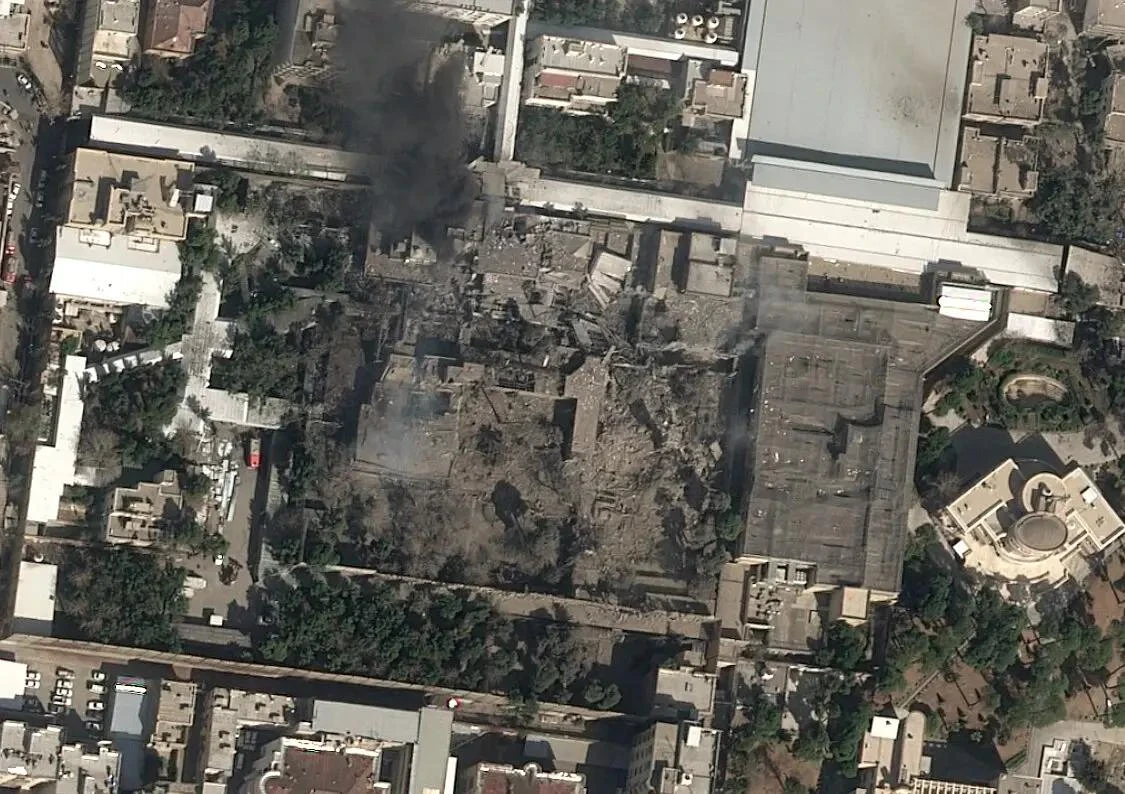
According to international media, at least 50 children were killed as a result of a strike on a girls' school in Hormozgan province.
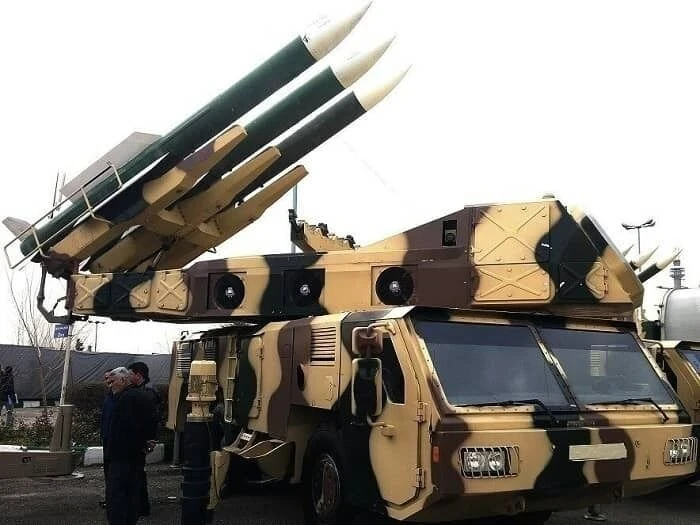
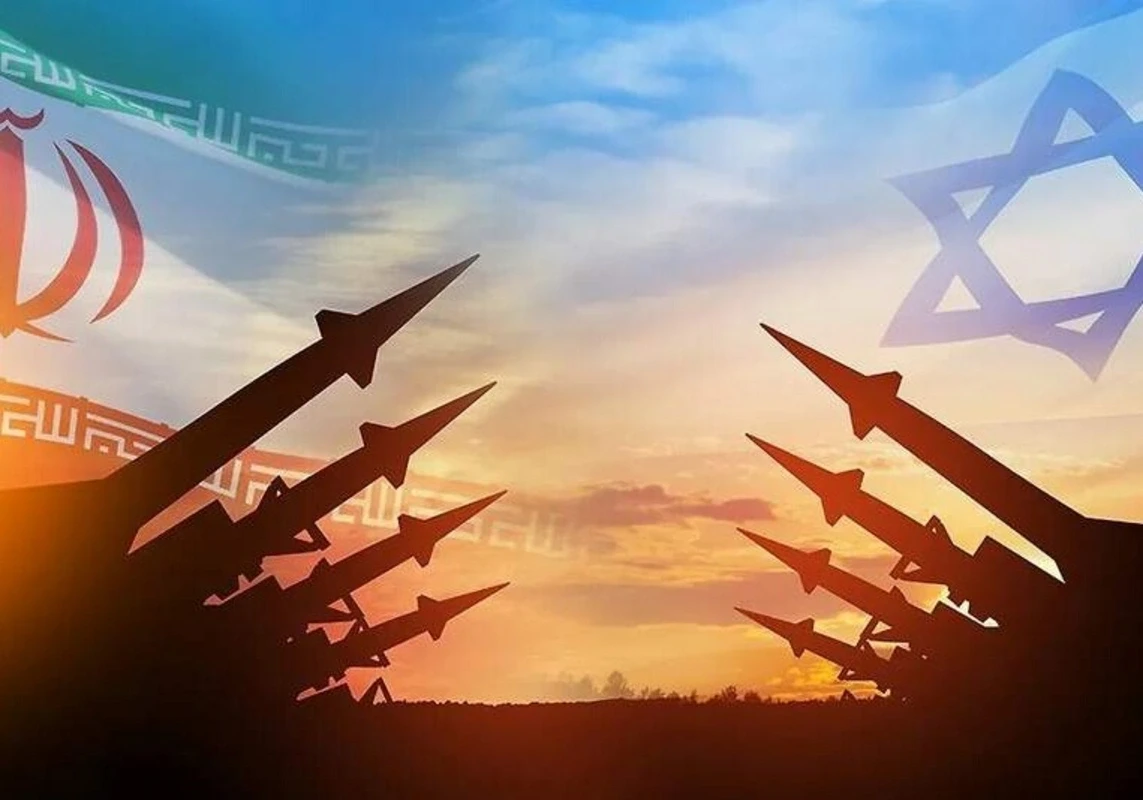
In response, Tehran began launching missile and drone attacks on Israel and American bases located in the Persian Gulf.
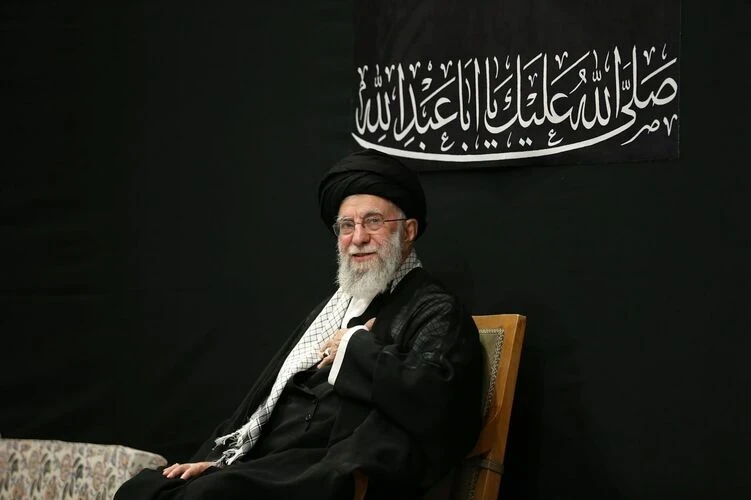
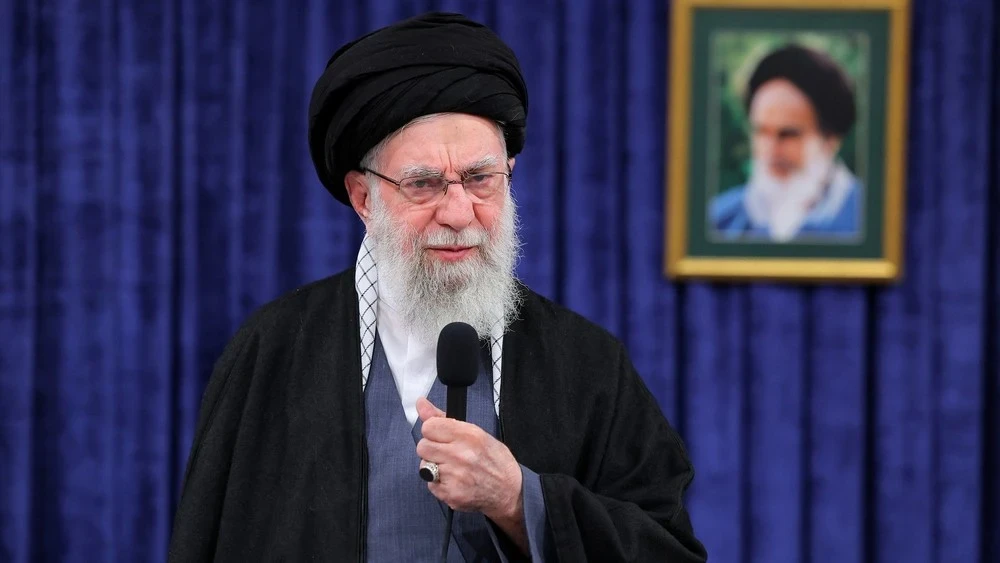
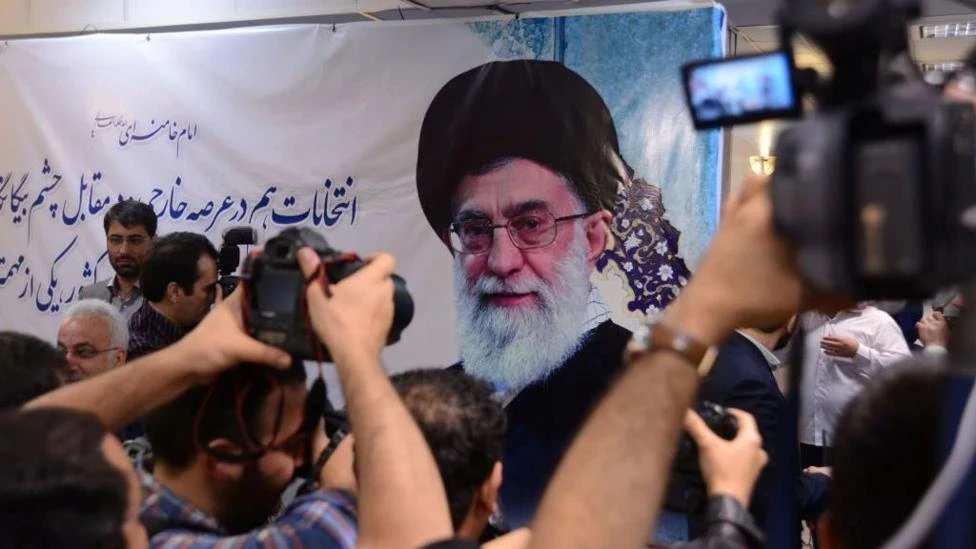
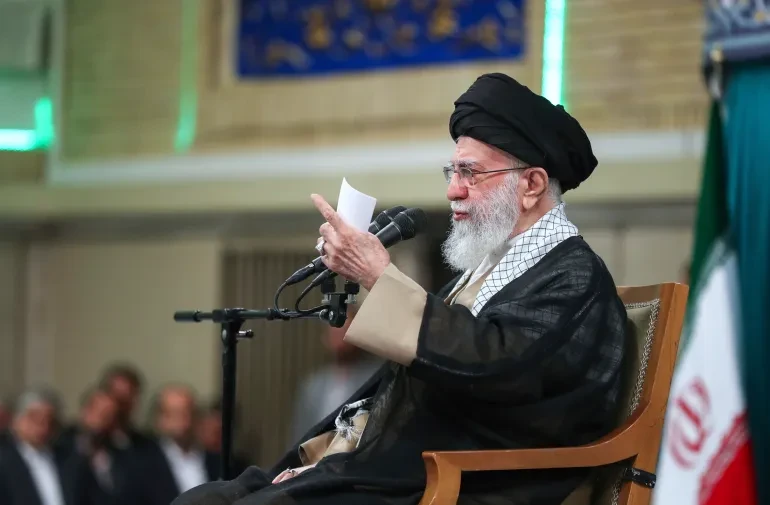
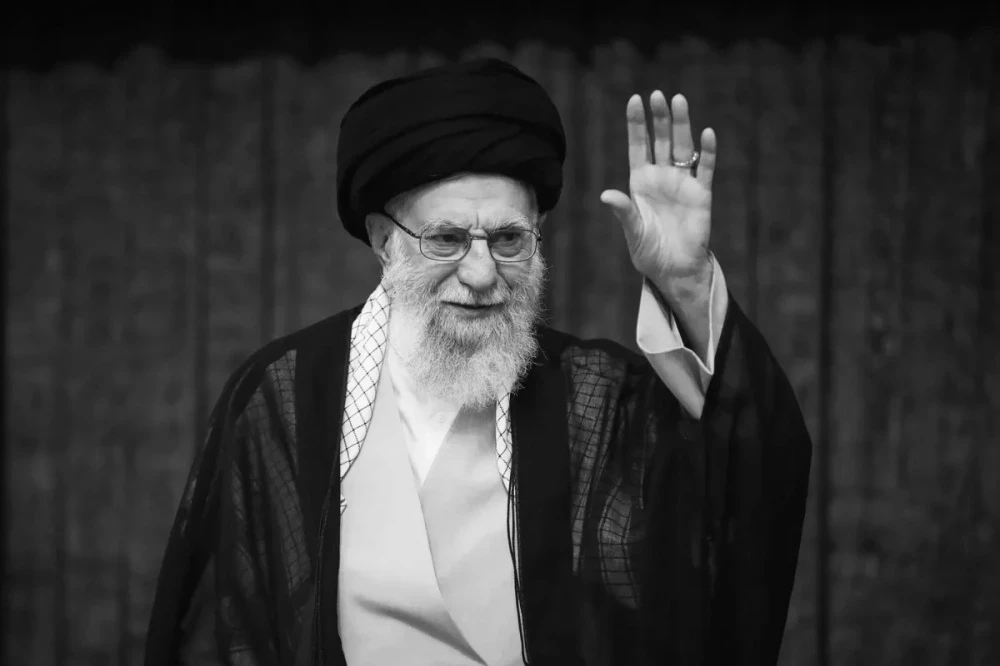
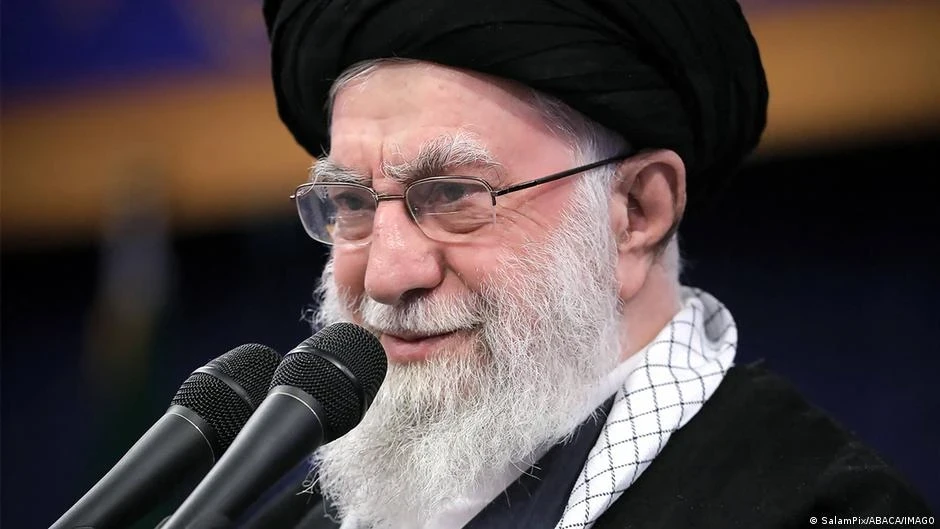
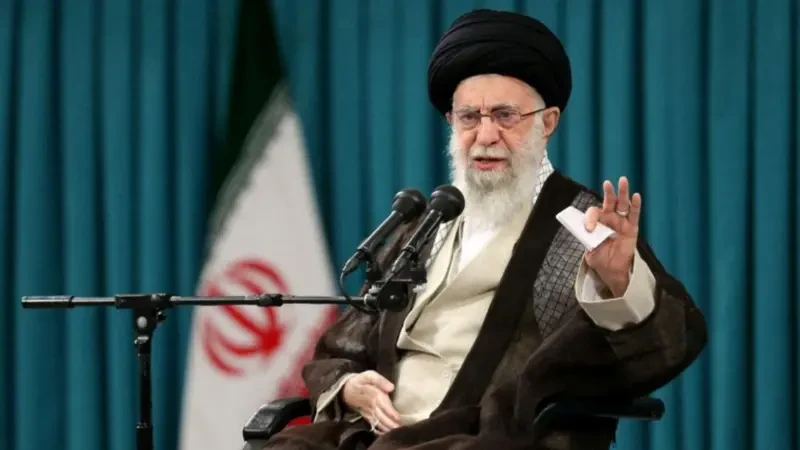
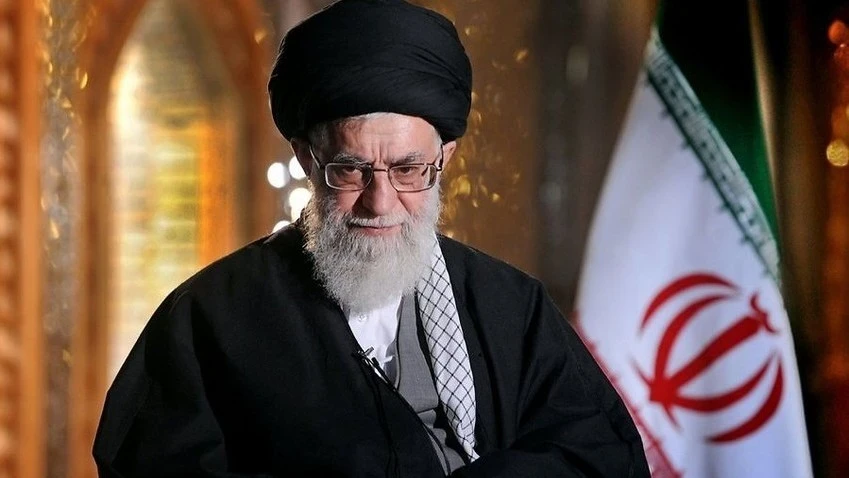
By the evening of the same day, official reports emerged about the death of the country's Supreme Leader, Ayatollah Ali Khamenei, who had ruled the Islamic Republic for over 35 years and was considered a key figure in its foreign and military policy.
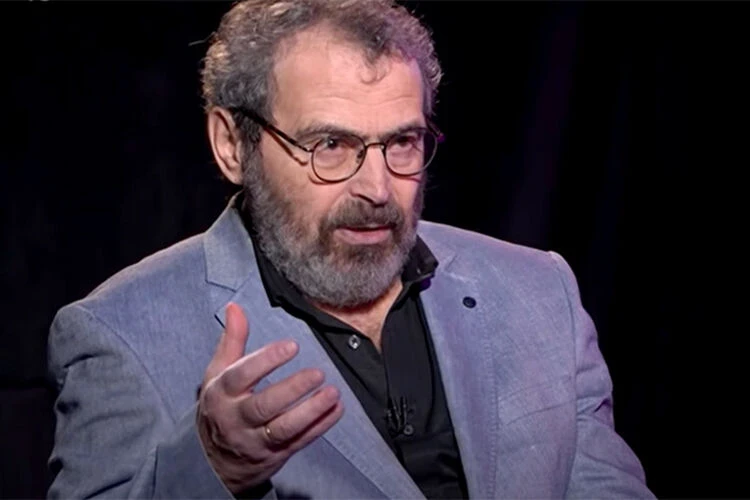
Arkadi Dubnov, expert on Central Asia and the Middle East:
Photo from the internet. Arkadi Dubnov
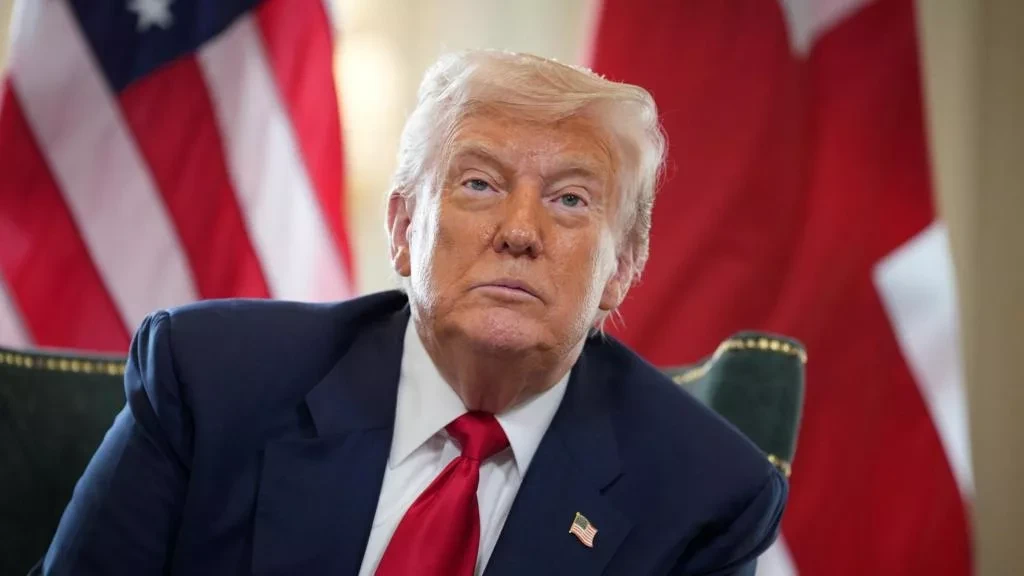
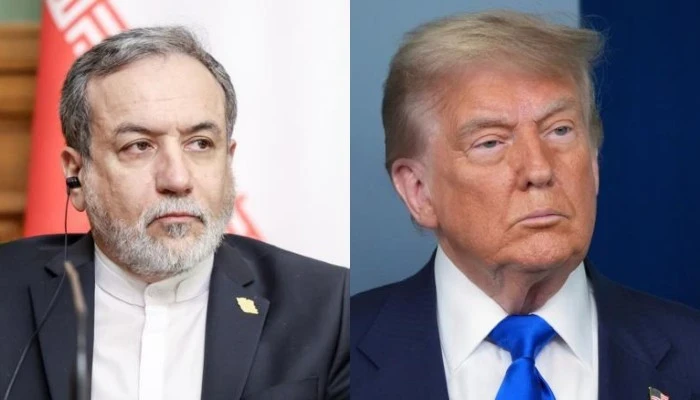
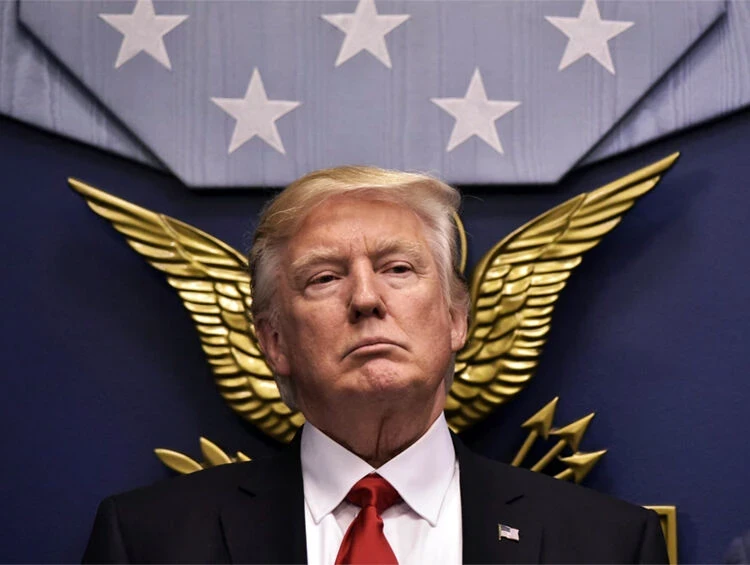
— The situation has escalated, as expected. I remind you that on February 18, Donald Trump stated: "In 10 days, I will tell you what will happen to Iran." And now 10 days have passed, negotiations have failed, and it is time for action. All necessary resources for conducting military operations have been gathered.
We were unable to reach an agreement, as the Iranian regime, based on faith rather than pragmatism, is incapable of compromise.
Arkadi Dubnov
The ideology of this regime implies the destruction of the "infidels," which puts its existence at risk. No matter how long this regime lasts, every ideology has an expiration date, and it seems that the ayatollahs' time is coming to an end.
The refusal of the Iranian authorities to discuss the U.S. demands regarding the nuclear program and Israel's demands regarding the missile program has become a sign of their inability to negotiate.
Israeli Prime Minister Benjamin Netanyahu characterized this war as existential for Israel, emphasizing that the goal is to eliminate the threat to the country's existence — the overthrow of the ayatollah regime.
Experts note that the consequences of these events could be not only military but also economic, affecting global politics and relations in the UN. Analysts point to the possibility of other countries, such as Russia and China, becoming involved in the conflict.
Emil Dzhuraev, expert:

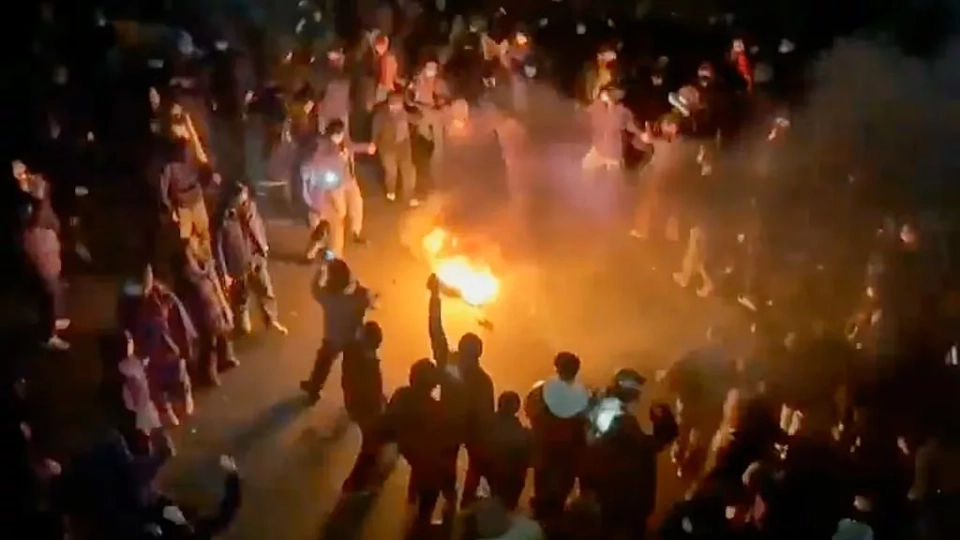
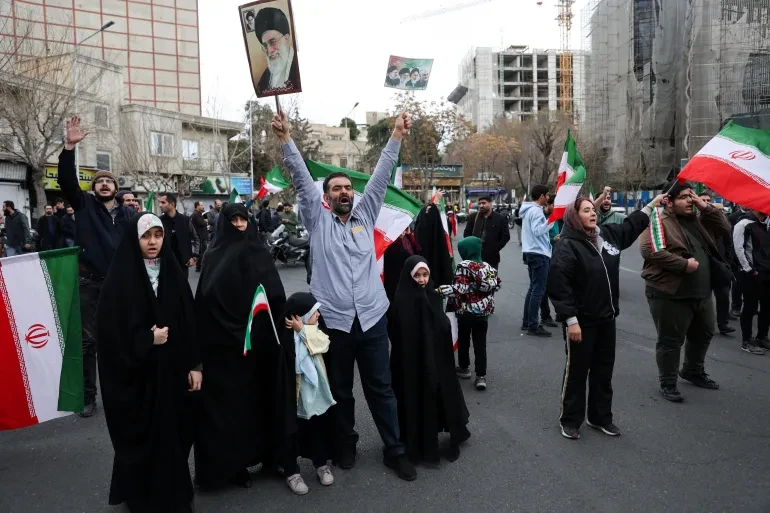
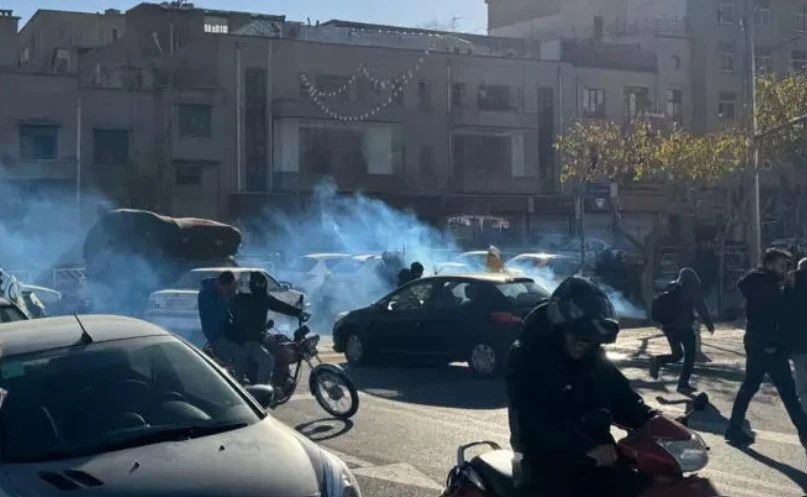
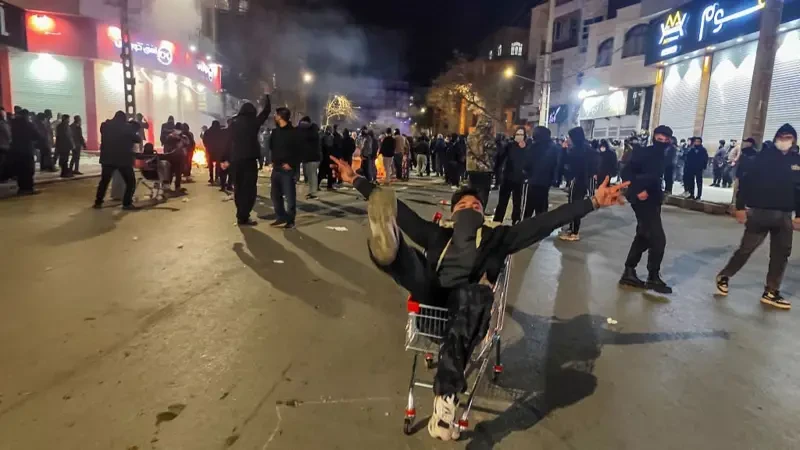
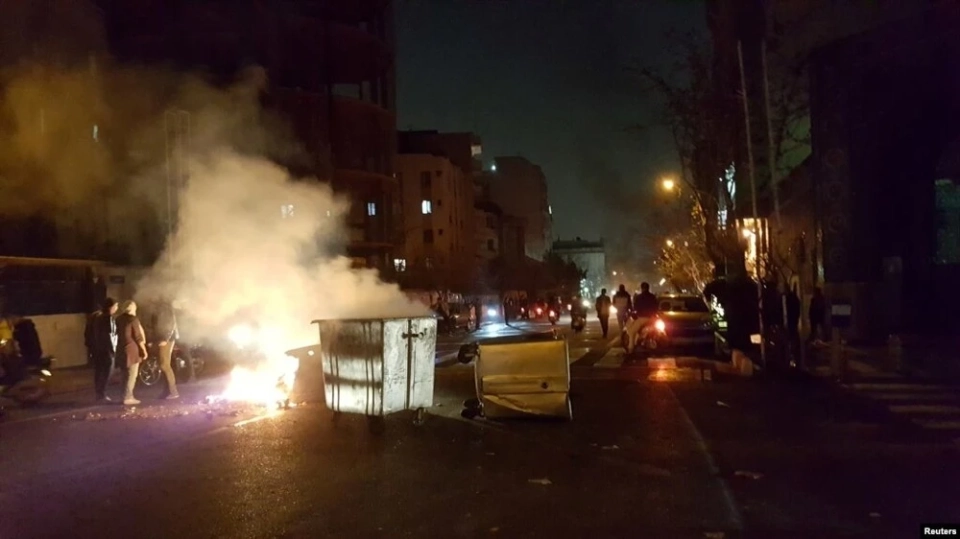
— The escalation of the conflict is a consequence of events that preceded it. It began with a short-term war in which the Americans used several bombs, after which mass protests in Iran followed, which did not yield the expected results for the U.S.
Washington hoped that popular unrest would lead to the fall of the regime; however, this did not happen. In response, the United States sent its troops to the Persian Gulf.
Internal problems in the U.S. also exacerbated the situation, and Trump decided to divert attention by initiating international actions.
Emil Dzhuraev
Israel's policy also played an important role in escalating the conflict. Benjamin Netanyahu actively worked with the Trump administration, and it is likely that the issue of overthrowing the Iranian regime was on the agenda of their negotiations.
It is currently difficult to predict the consequences of the conflict, but Iran is not a puppet state, and its significance in international politics is substantial.
Currently, there are hostilities between Afghanistan and Pakistan, which could also exacerbate the situation in the region.
Emil Dzhuraev
Ruslan Suleimanov, orientalist:

— The current situation is a result of Trump's inconsistent policy towards Iran. His actions create confusion and ambiguity, which heightens tension in the region.
In conditions where troops are in the Persian Gulf without a clear strategy, this appears as a weakness on Trump's part, which prompted him to take military action.
Ruslan Suleimanov
I do not think that Trump is interested in a full-scale war with Iran. What is happening is more about saving face and not appearing weak.
It is difficult to predict how the conflict will develop, but it seems that the war will not be large-scale, and Trump may declare victory at any moment.
Nikita Smagin, orientalist:
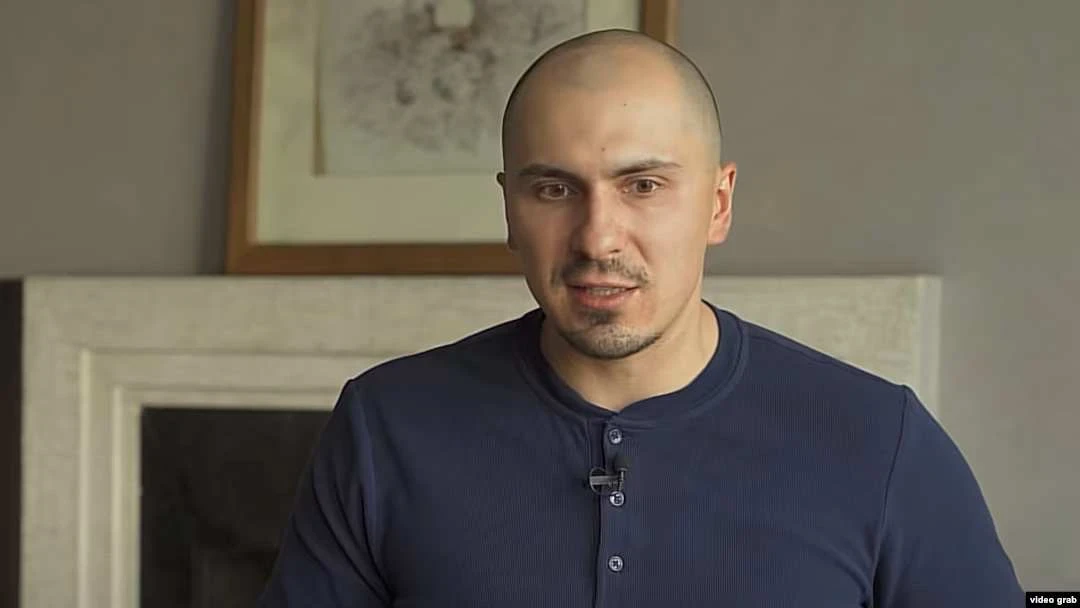
— The negotiations between the U.S. and Iran ended in failure. Trump decided to act since there was no hope left for a diplomatic resolution to the conflict.
Trump demands Iran's capitulation on numerous issues, which is impossible for Tehran.
Nikita Smagin
Most likely, a ground operation will not be carried out, as it would require significant resources and support. Options involving special forces seem unlikely.
Conclusion
The death of Ali Khamenei has become a turning point in the conflict. The removal of such a significant figure in Iran is a symbolic step, but it does not mean that power will be easy to change.
Even with the departure of the Supreme Leader, important questions about the future of Iran and the governance of the country remain unresolved.
The escalation of the conflict will continue, and military confrontations are merely a consequence of the failure of negotiations and the conflicting interests of the parties. Experts predict that the consequences will be long-lasting and will affect the balance of power in the Middle East.
The question of whether Khamenei's death will mark the beginning of a new era or simply another stage in the struggle for influence in the region remains open.