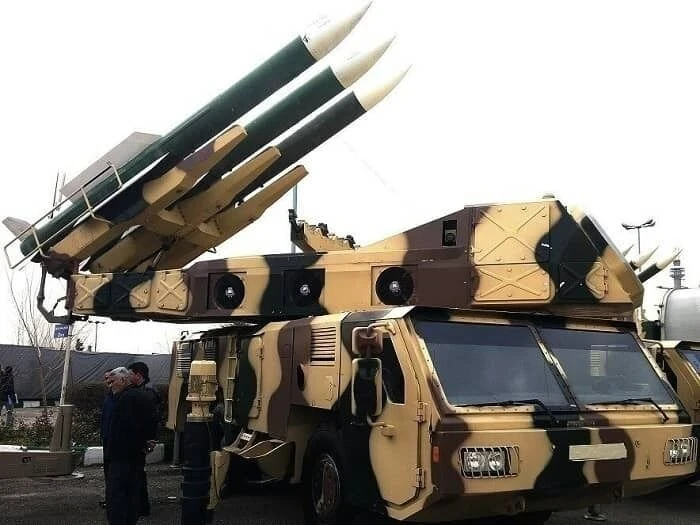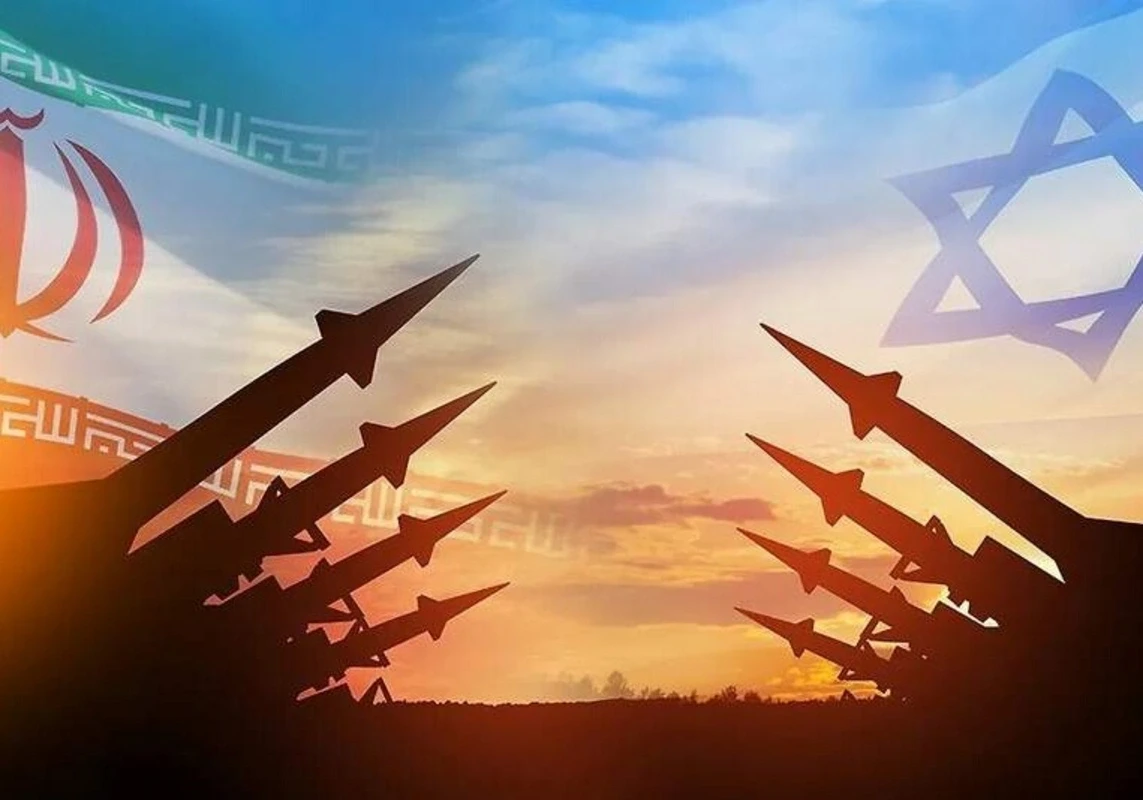
Israeli military officials also presented a number of plans to their American counterparts aimed at destroying Iranian missile sites, stating that the current situation provides a "historic opportunity" for a significant strike on Iran's missile infrastructure and the elimination of threats to both Israel and its neighbors.
However, the Israeli side expressed concerns that the US might conduct only limited strikes in the event of an attack, which would not address the underlying problem. One Israeli military official commented, "There is concern that Washington may choose a few targets, declare victory, and leave Israel to deal with the consequences."
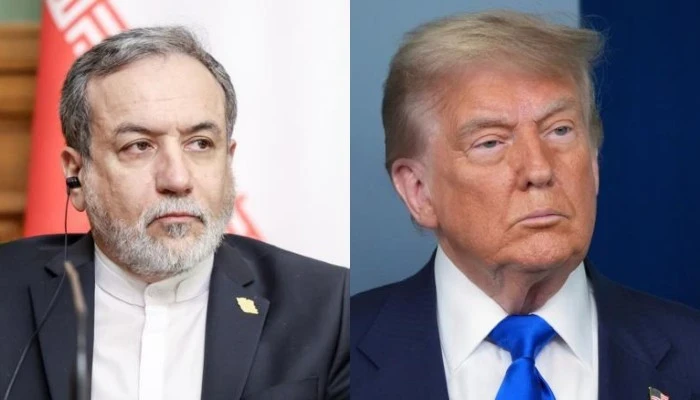
On February 11, Benjamin Netanyahu, the Prime Minister of Israel, is scheduled to meet with US President Donald Trump to discuss recent negotiations between Washington and Tehran regarding the nuclear deal. Netanyahu's office emphasized that "any discussions must include restrictions on Iran's ballistic missiles." According to Axios, Netanyahu's visit to the US has become "urgent," as it was originally planned for February 18, but the Israeli side requested to move the meeting up by a week.
On February 6, negotiations took place between the US and Iran mediated by Oman, which both sides assessed as positive and agreed on further cooperation. However, disagreements remained. Tehran expressed a willingness to consider an agreement on uranium enrichment but refused to discuss its missile program, calling the issue "defensive." Trump, for his part, noted that an acceptable agreement for the US requires Iran to completely abandon the development of nuclear weapons.