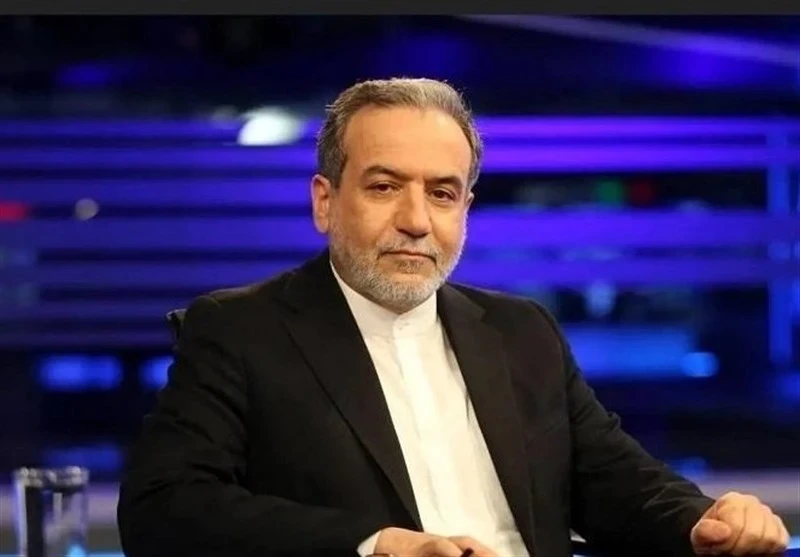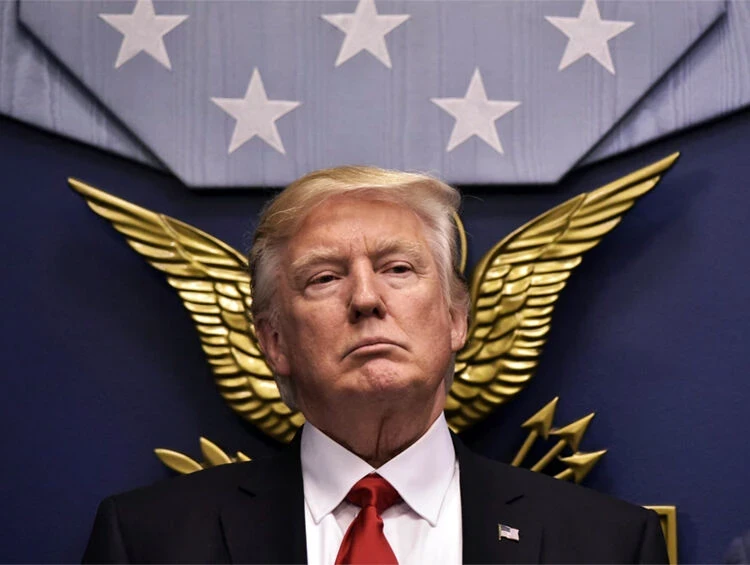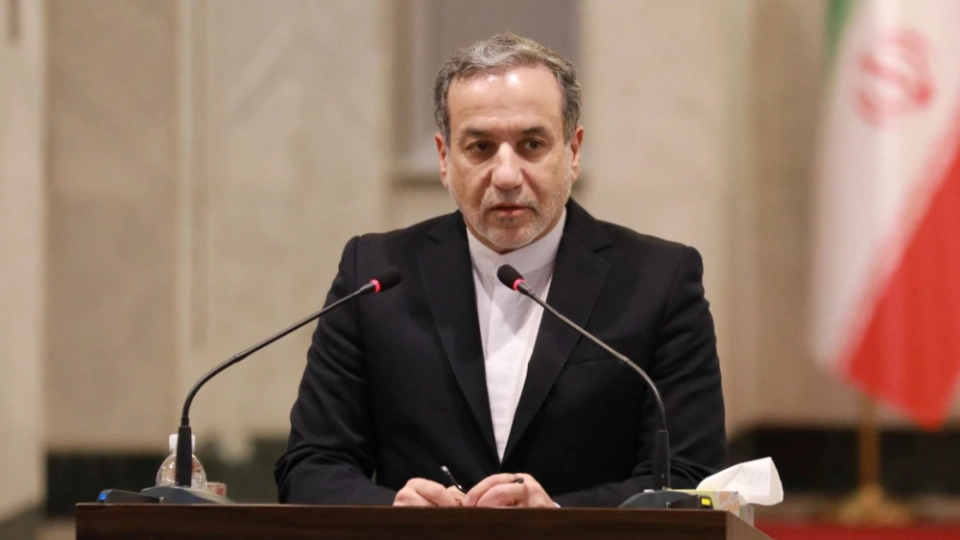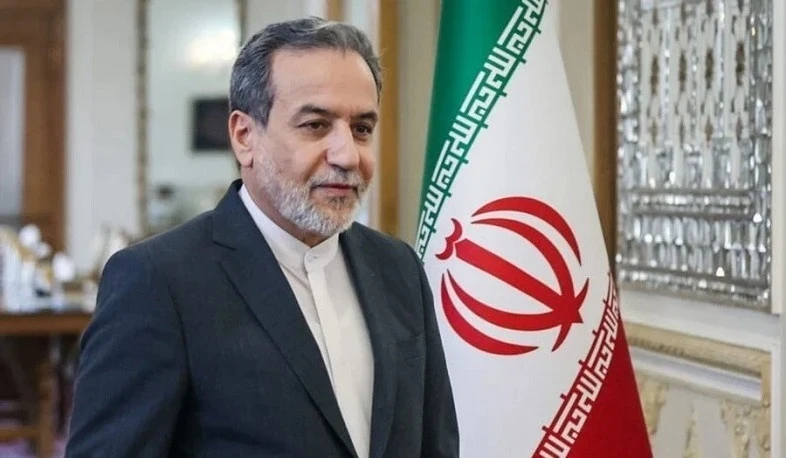
Seyed Abbas Araghchi, Iran's Foreign Minister, sharply criticized the actions of U.S. President Donald Trump in his article for the Wall Street Journal, noting that Washington's hostile measures against Iran have proven ineffective. He called for a change in approach, which should be based on respect rather than pressure.
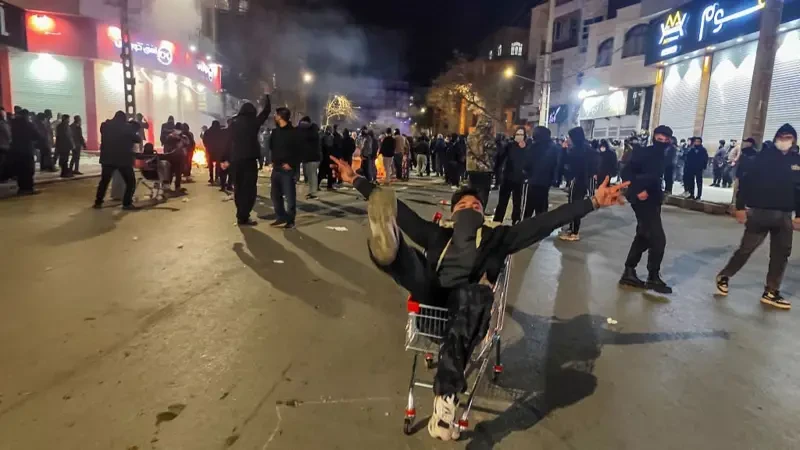
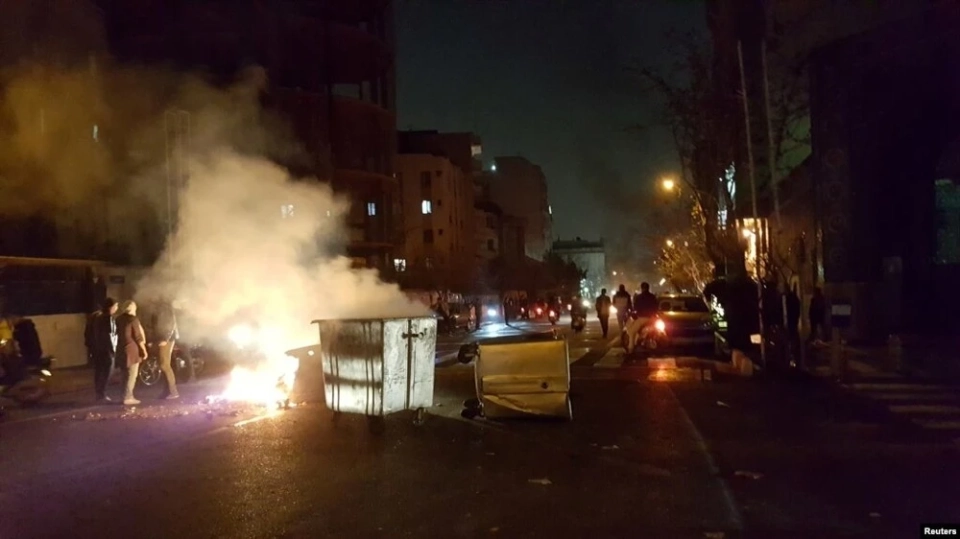
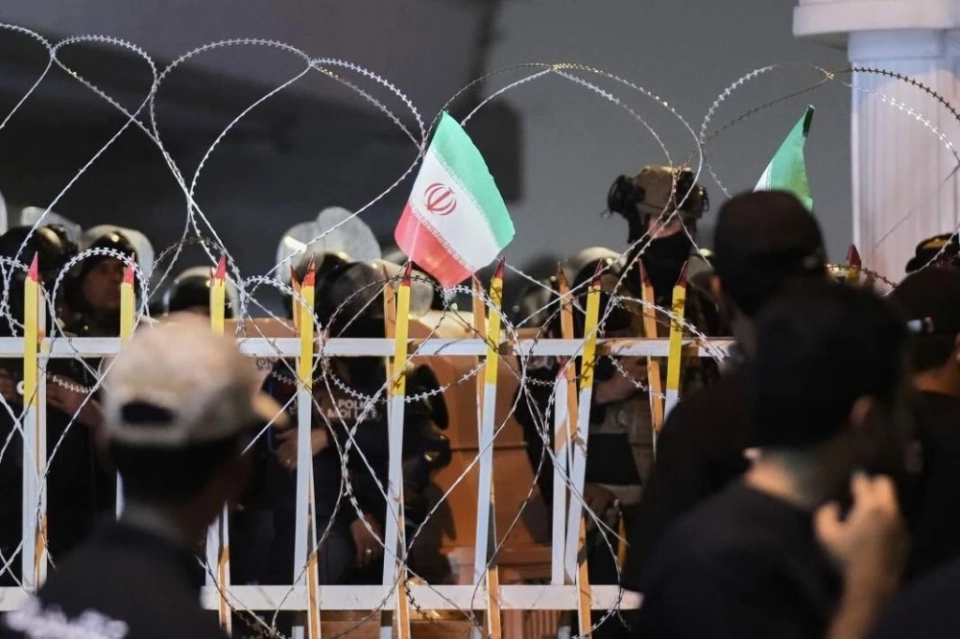
Araghchi emphasized that "the White House should not react to the wave of false information spread by Western media about recent events in Iran," but some points require clarification. The protests, which began peacefully and were recognized as legitimate by the authorities, were soon undermined by the intervention of both domestic and foreign terrorists, leading to an escalation of violence. According to him, to prevent further unrest, it was necessary to block the connection between terrorists and the organizers of the protests.
The minister noted that the media distort facts, creating an atmosphere conducive to violence in the region. "I suspect that the real goal of this disinformation campaign is violence," he stated. When armed groups infiltrated the protests, some media reported the "fall" of major cities in Iran, although the violence lasted less than three days. Preliminary reports indicate that hundreds were killed, with final figures to be released later.
Araghchi pointed out an important distinction between the current protests and previous ones, related to Trump's warning about "consequences" in the event of protesters being killed. This warning, in his opinion, prompted the organizers of the violence to adopt a "maximum bloodshed" strategy to involve the U.S. in conflict on Israel's side. Even the former CIA director acknowledged Mossad's involvement in the protests.
From December 28 to January 8, protests reminiscent of events in democratic countries took place in Iran: mostly peaceful demonstrations against inflation and economic reforms, but soon coordinated armed attacks occurred, preceded by Trump's statement about the possibility of intervention.
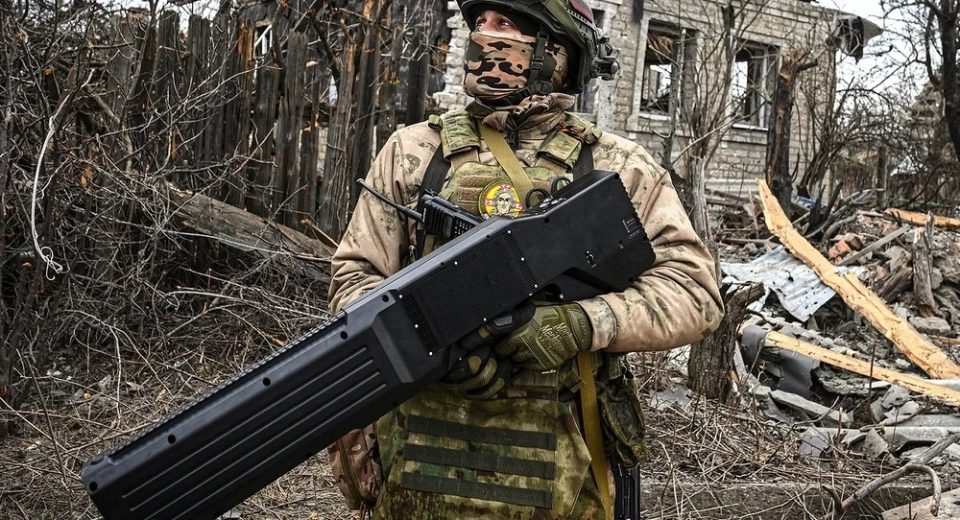
During the violence, both police and civilians were harmed. Police officers were killed, burned, and even decapitated. To maximize casualties, infrastructure facilities, including hospitals and ambulances, were destroyed. The majority of the deceased were police officers and innocent civilians. Despite the flow of foreign disinformation, all unarmed victims have been officially recognized as "martyrs," and their families will receive the same compensation as the families of deceased officers.
Now the violence has ceased, and life in the country has returned to normal. Thanks to the brave actions of law enforcement and the vigilance of citizens, terrorist cells have been identified and eliminated.
Araghchi warned that in the event of a new attack, Iran would not show the restraint it demonstrated in June 2025. "Our armed forces will respond with all available means," he stated, emphasizing that this is not a threat, but a reality. The conflict will be full-scale and will affect the entire region, as well as ordinary people around the world. He expressed his intention to do everything possible to prevent such a situation.
"Mr. Trump talks about himself as a negotiator, but in reality, he has only brought war to our region," the minister noted, pointing to the destruction in Palestine, Lebanon, Syria, Yemen, and Iran during his year in office. "It is time to change the approach to negotiations."
According to Araghchi, Trump attempted to establish diplomatic relations with Iran at the beginning of his term, but due to the influence of Israeli supporters in the White House, a compromise was never reached. "We missed the opportunity to resume negotiations last September due to American pressure on Europe," he added.
Iran has always advocated for peaceful negotiations and is ready for serious dialogue to achieve a fair solution. However, given the experience of recent years, Iran is not confident that the U.S. adheres to the same approach.
Iran's message to Trump is clear: America has exhausted all possible hostile actions against Iran, including sanctions, cyberattacks, and military strikes, and all have failed. "It is time to think differently and try an approach based on respect," concluded Araghchi.