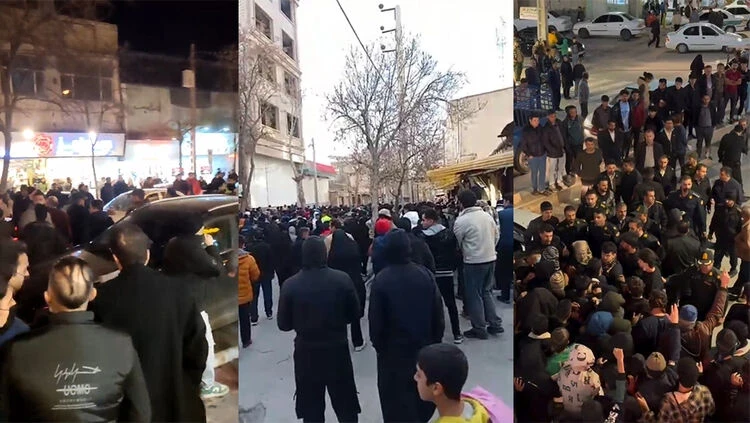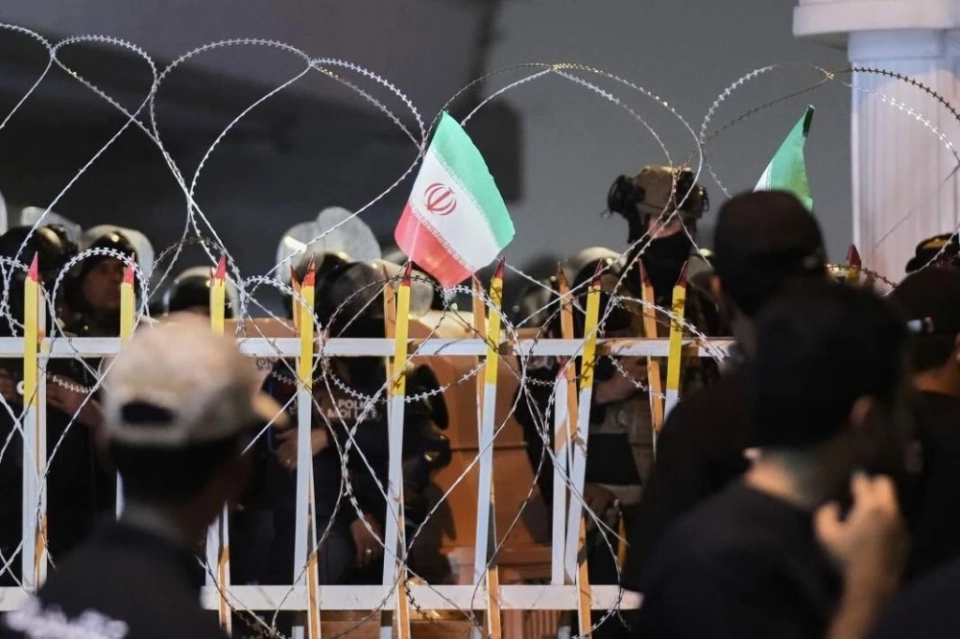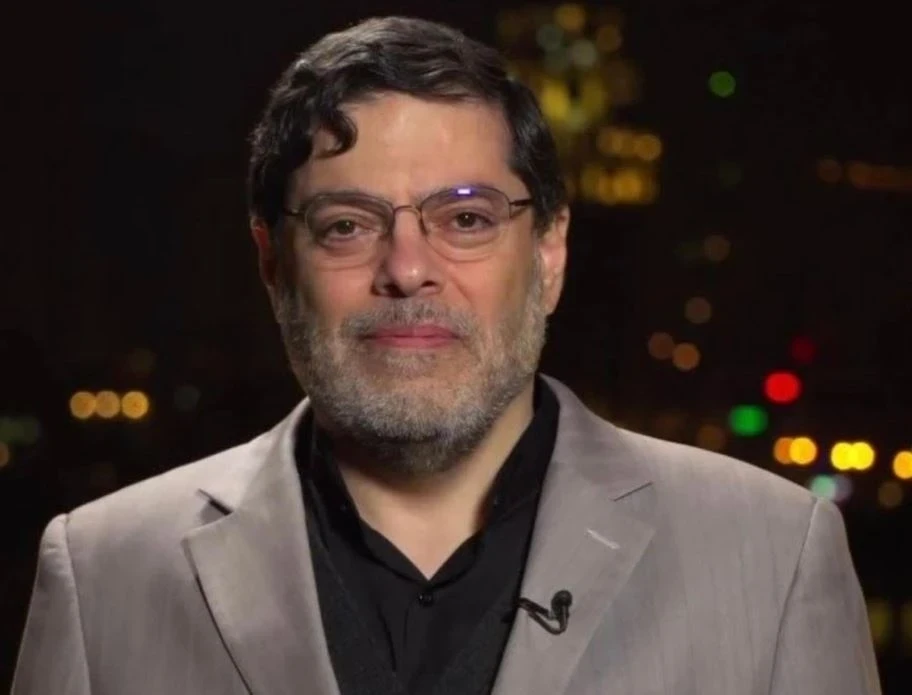
Seyed Mohammad Marandi, a professor at Tehran University, describes the events in Iran in his interview as part of a cyclical process of external pressure and attempts at destabilization. He emphasizes that Western countries have been predicting the "fall of the regime" for many years, and this forecast periodically resurfaces. However, in his opinion, such expectations are misguided, as "the state has the support of the majority," and predictions of collapse are based on wishful thinking rather than real facts.
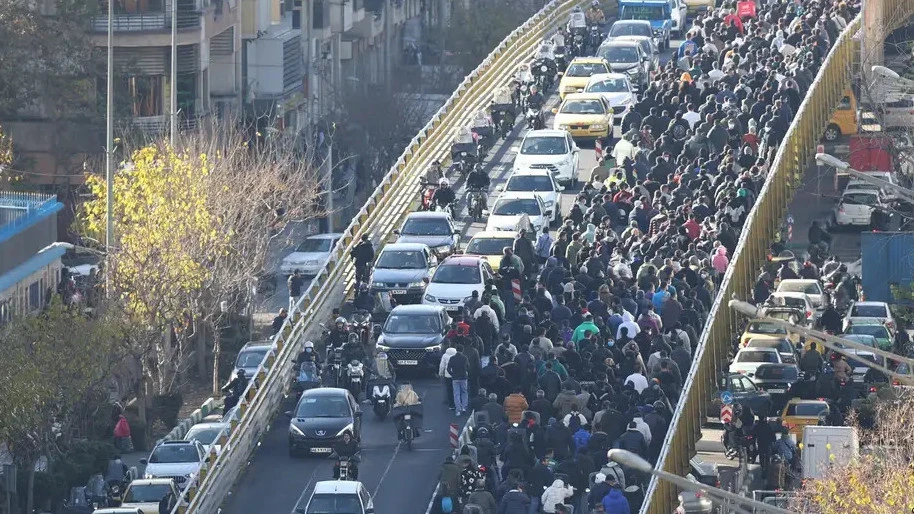
Discussing recent events, Marandi links the sharp decline in the currency exchange rate to external factors and pressures on Iran's financial structures. This, he says, has caused dissatisfaction among entrepreneurs and led to peaceful protests in Tehran and other cities, primarily involving shop owners concerned about price fluctuations.
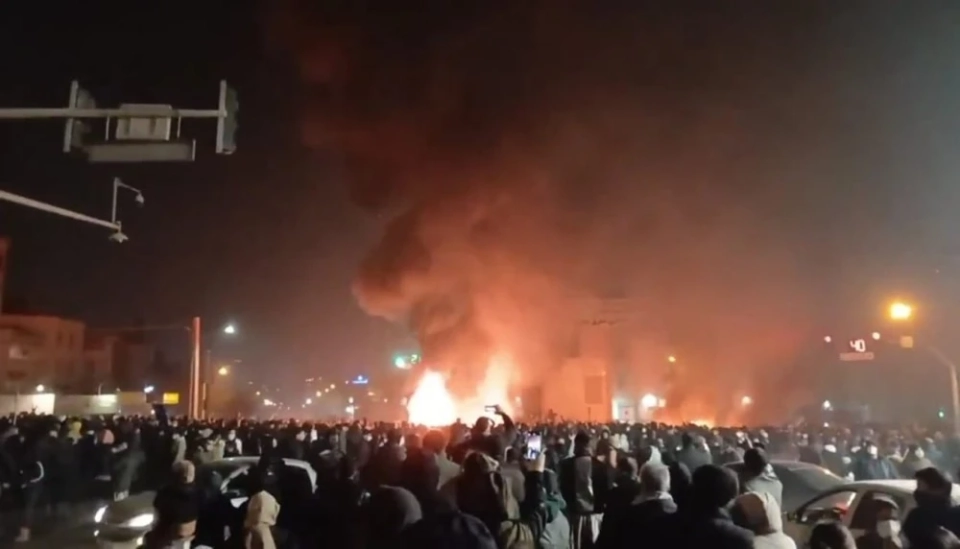
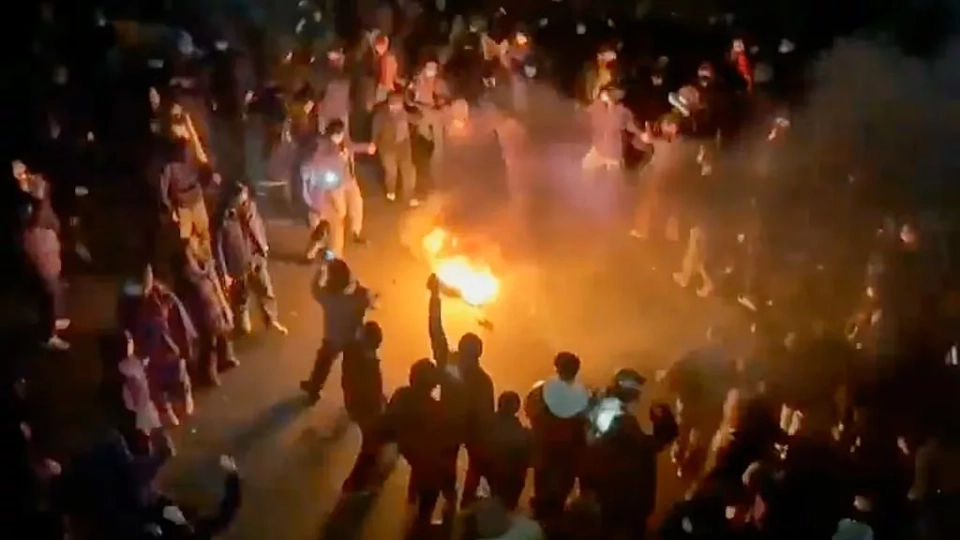
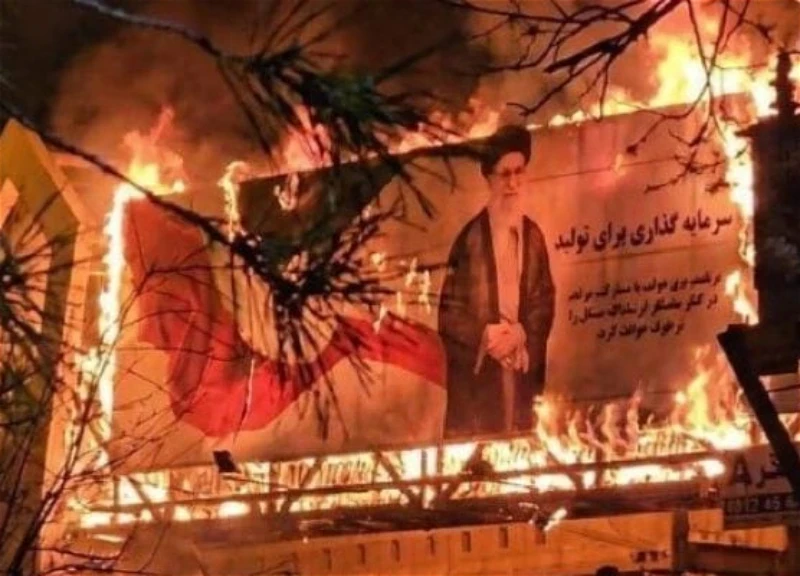
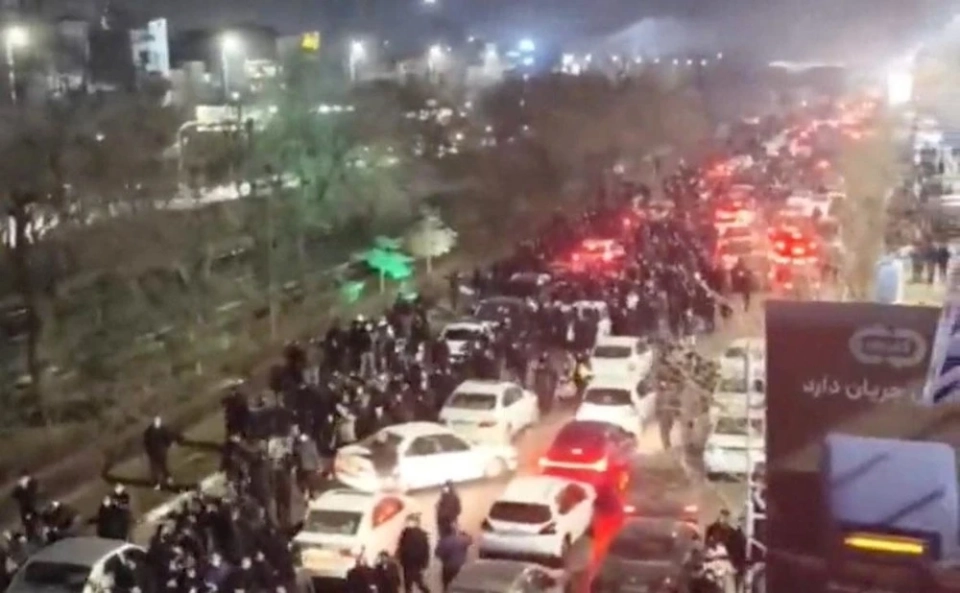
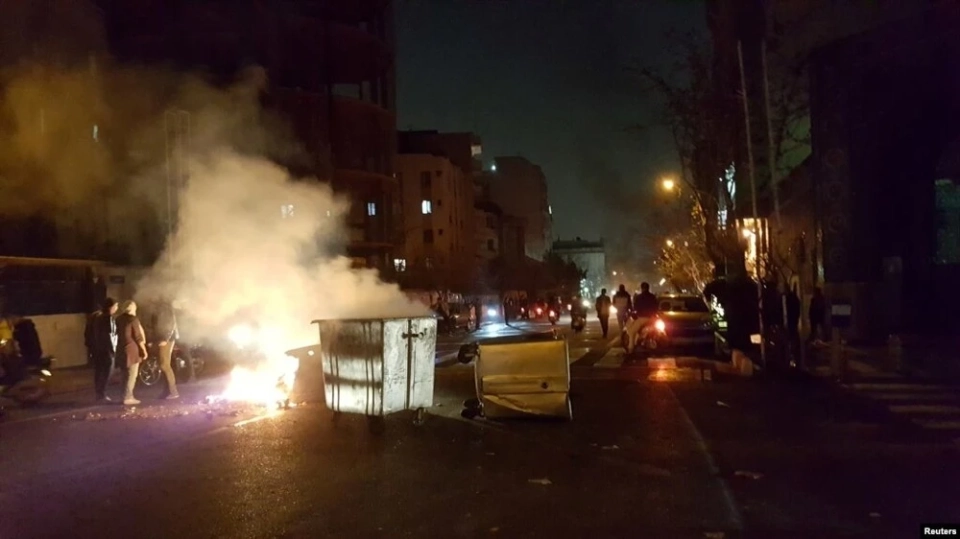
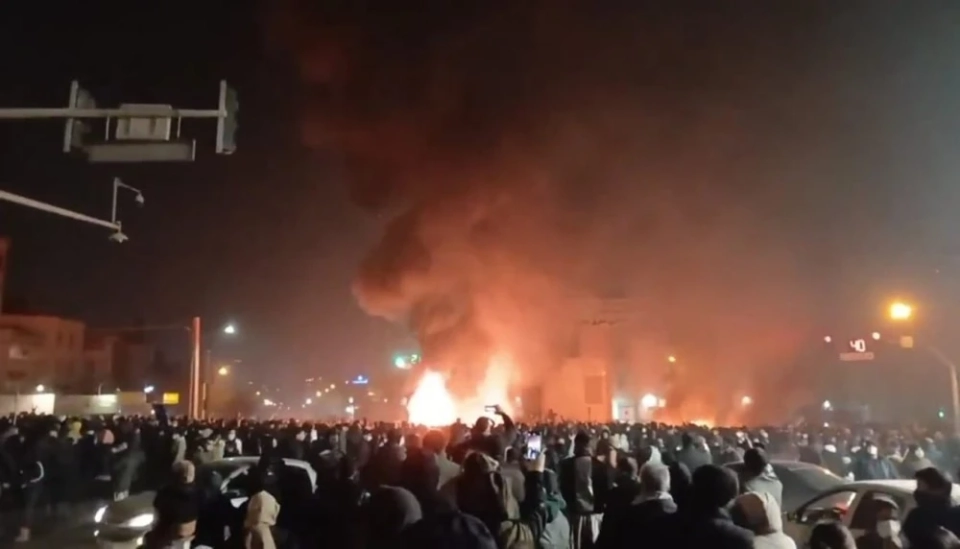
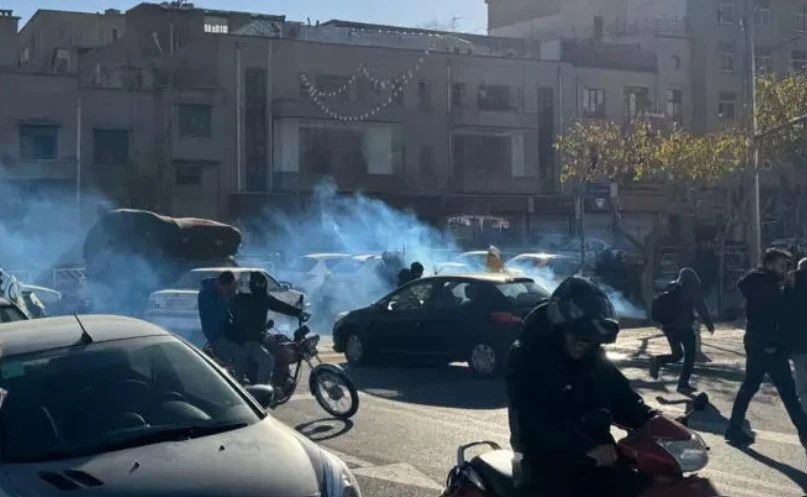
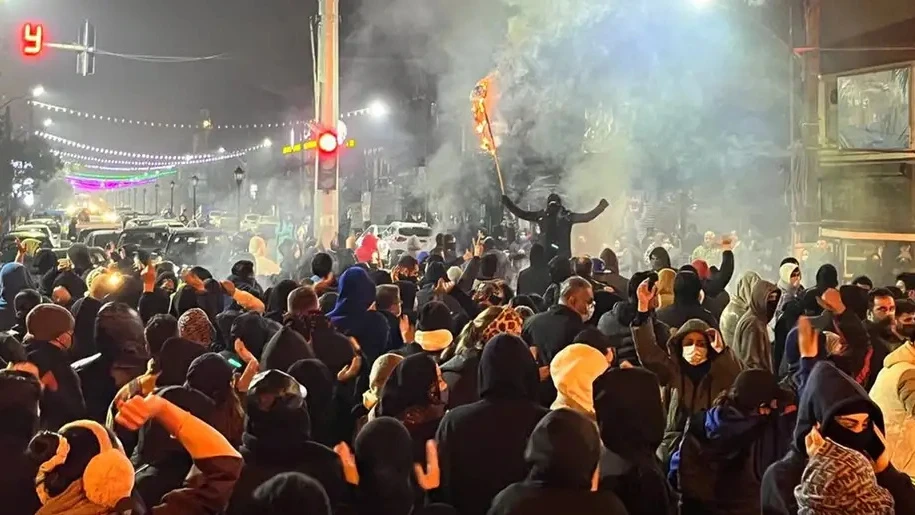
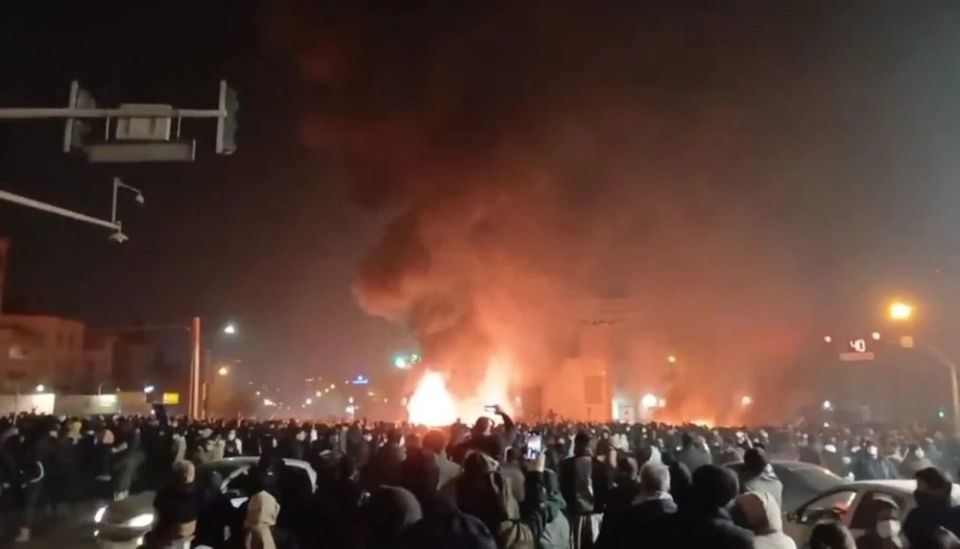
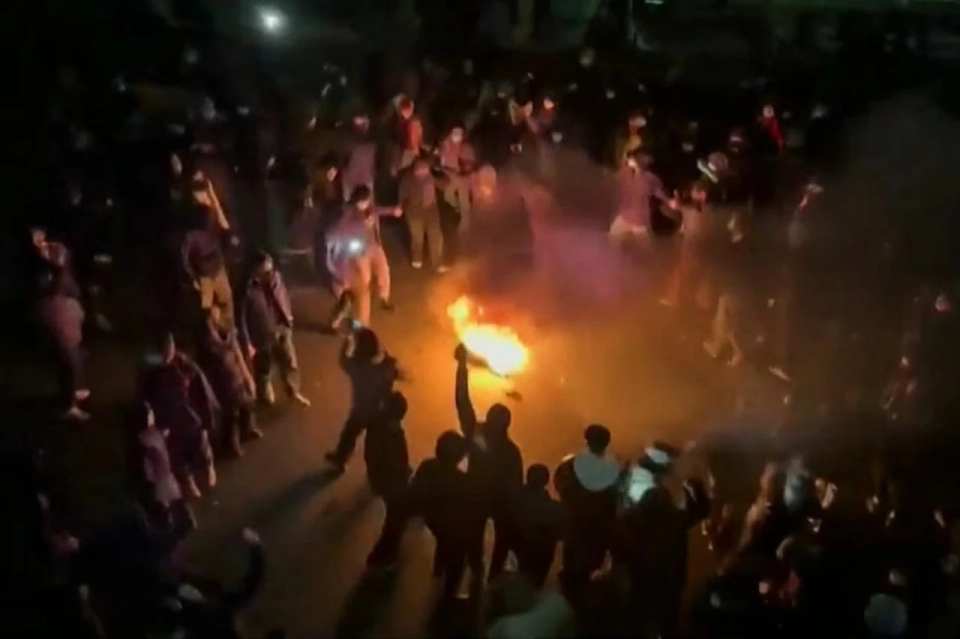
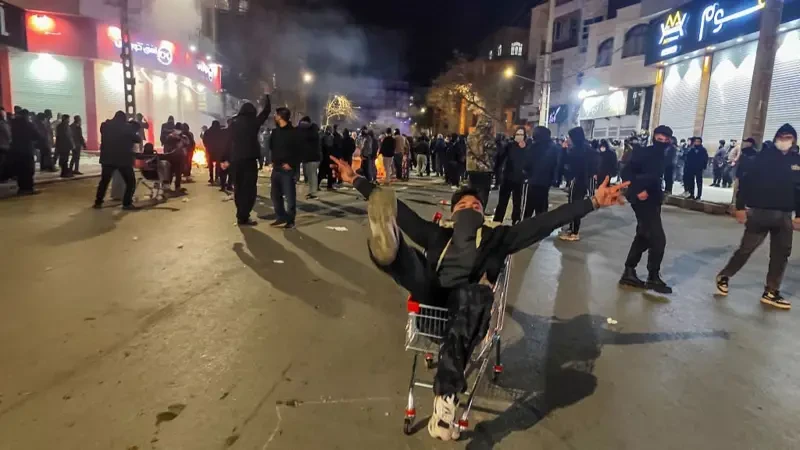
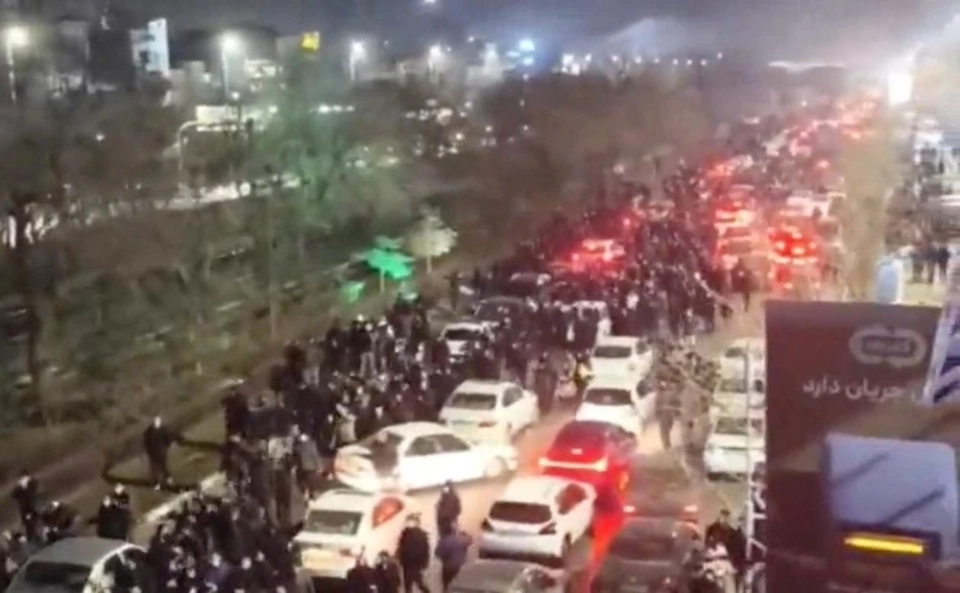
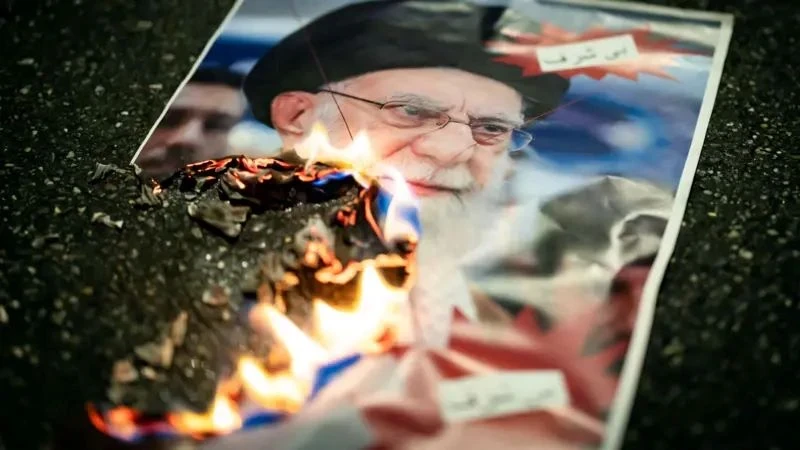
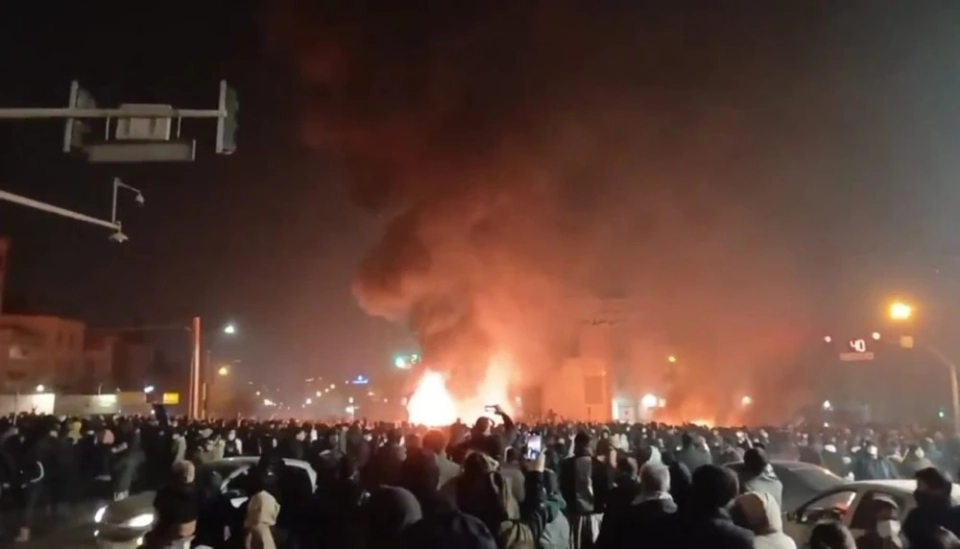
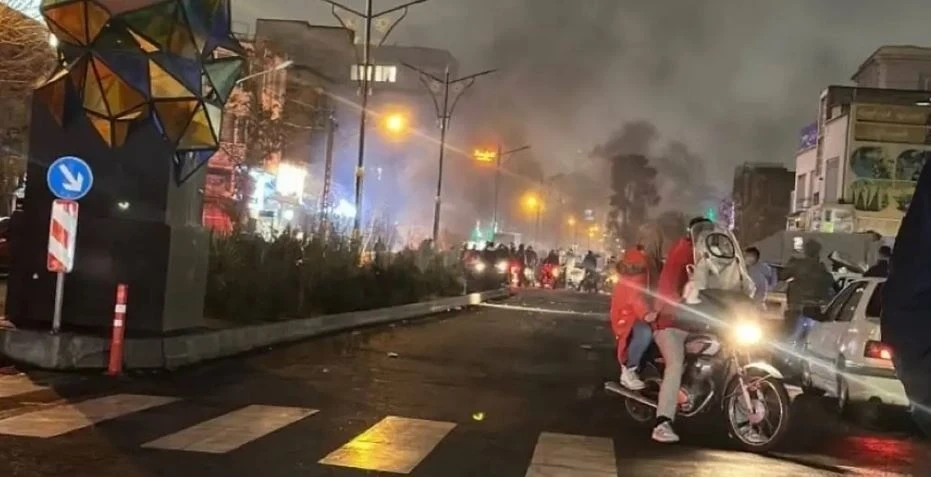
Nevertheless, according to the expert, the protests were soon "infiltrated by small, well-organized groups" that began to provoke violence. He speaks of hundreds of casualties among law enforcement officers, as well as instances of killings and arson of state and private properties. In his view, these actions were accompanied by a targeted information campaign in Persian, funded from abroad with billions of dollars annually.
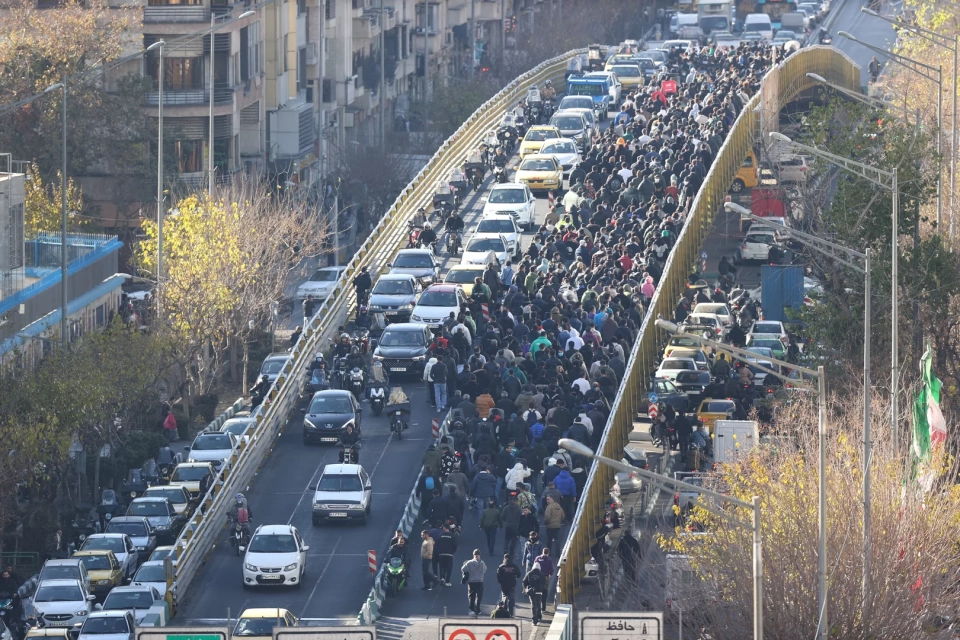
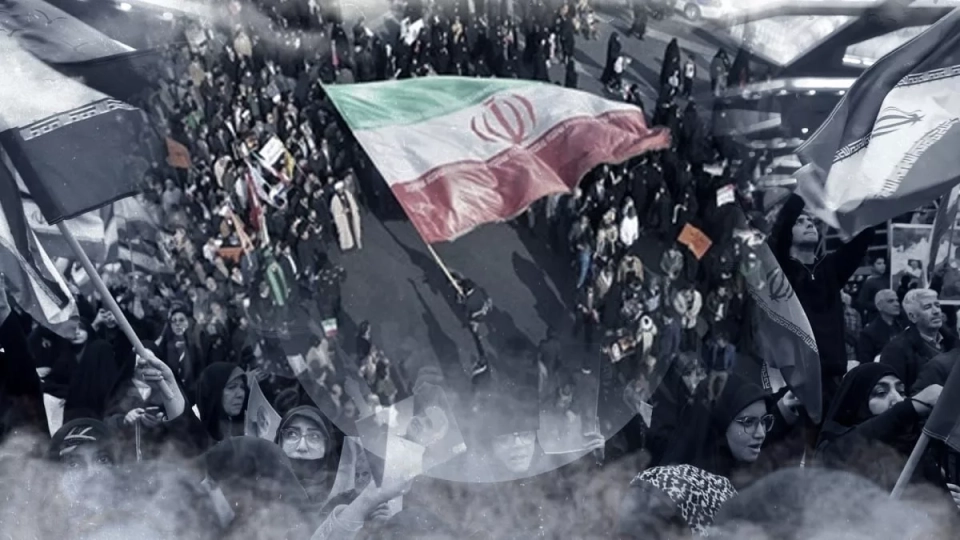
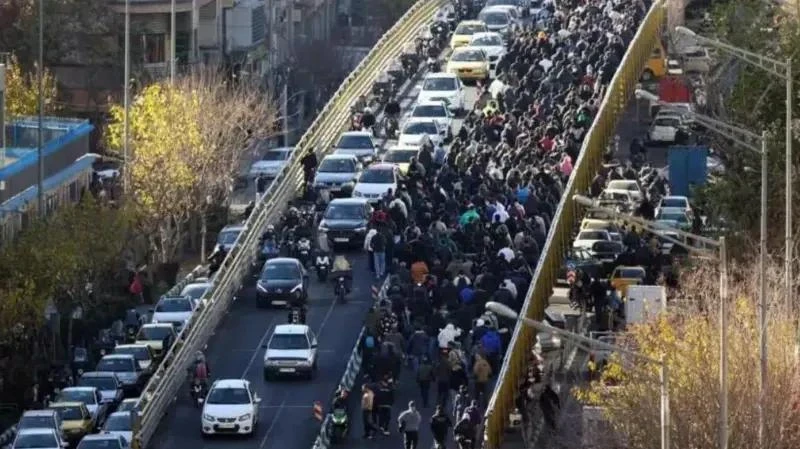
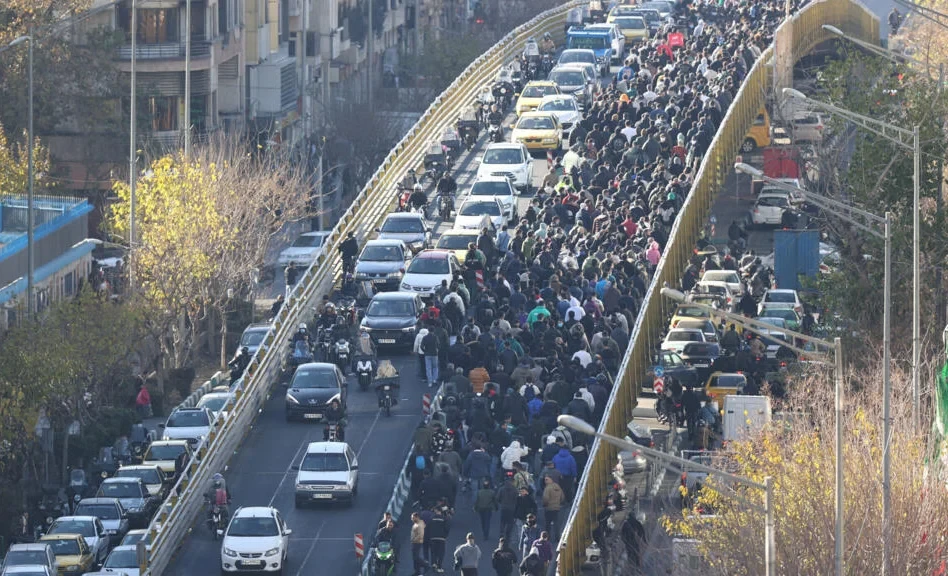
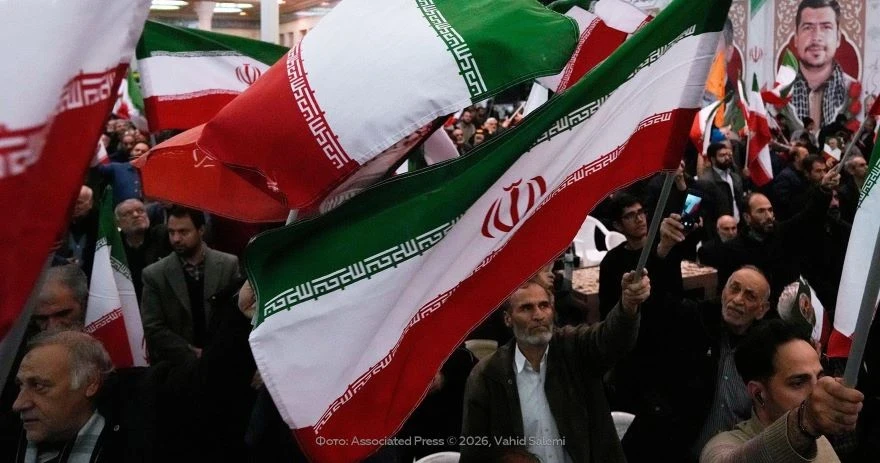
Marandi also notes that in response to the escalation of violence, mass demonstrations in support of the government and against violent groups took place. These actions, he says, covered all major cities and became some of the most significant in Tehran in recent years. He urges a more careful examination of video recordings and actual events, rather than relying on media narratives.
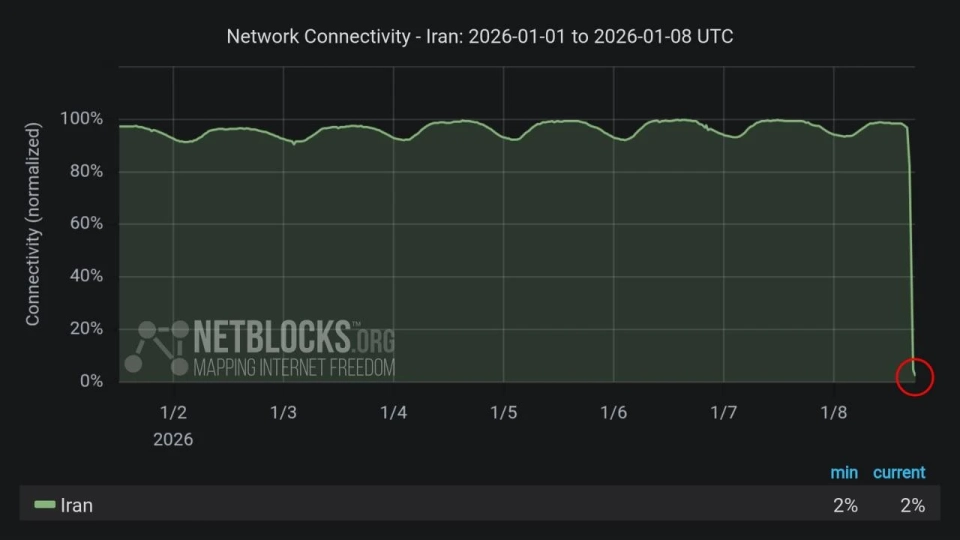
Separately, the professor touches on the topic of foreign interference. He refers to statements by Mike Pompeo and reports from Persian-language accounts that confirm the involvement of certain foreign entities. According to him, various radical groups, including Islamists and monarchists, operated, and their coordinated actions led to a temporary internet shutdown in the country.
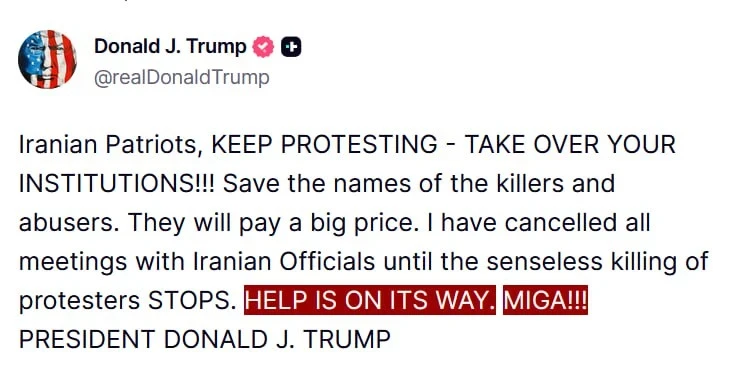
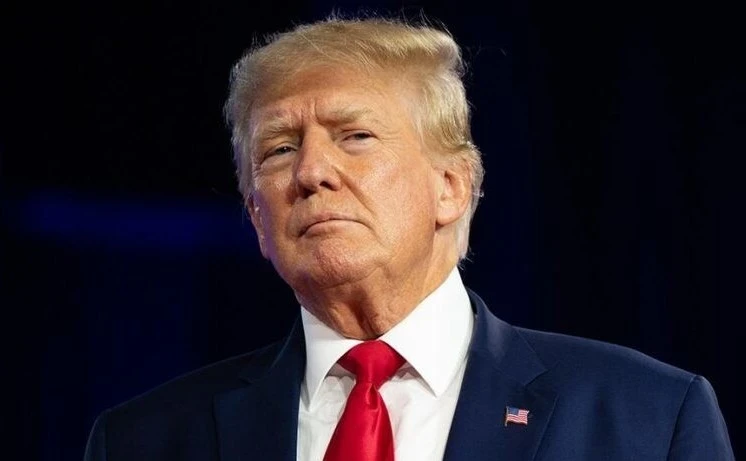
In the context of international politics, Marandi criticizes Donald Trump's statements regarding the situation in Iran, asserting that they often do not reflect the actual state of affairs. He points out that no city was captured by protesters, as Trump claimed, and believes that such statements indicate incorrect or distorted reporting.
In a broader sense, Marandi links the pressure on Iran to the interests of its opponents in the region and U.S. policy over the past decades. He argues that attempts to create internal vulnerabilities through sanctions and information campaigns supporting certain groups are repeated cyclically and accompanied by a distorted representation of events in the media.