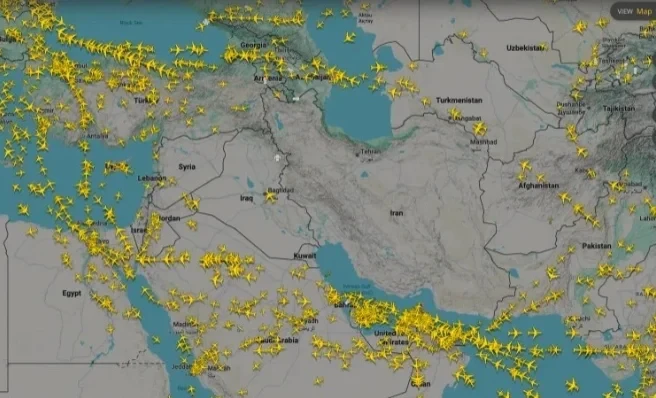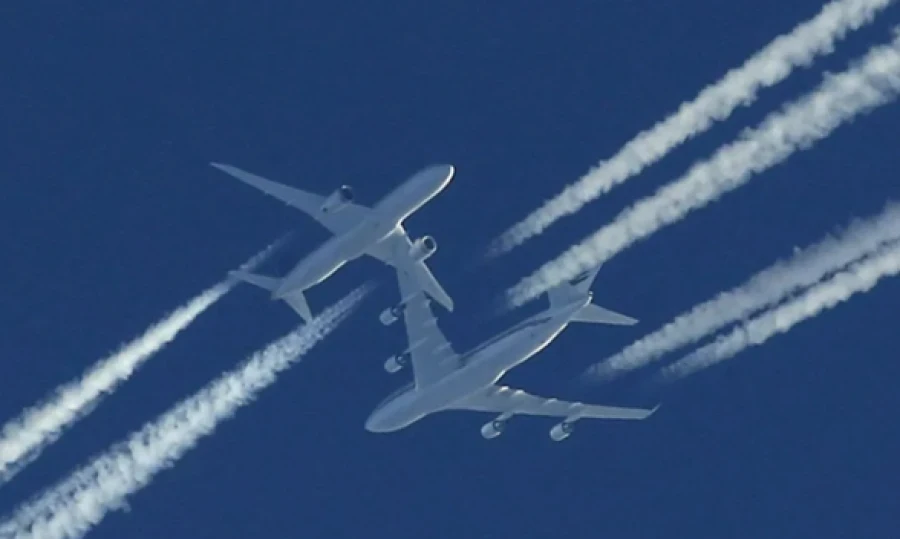
The escalation of the conflict affects not only the oil sector but also aviation, as reported by the BBC.
Airports, vital for global trade and travel, are under attack, creating serious consequences for their operation.
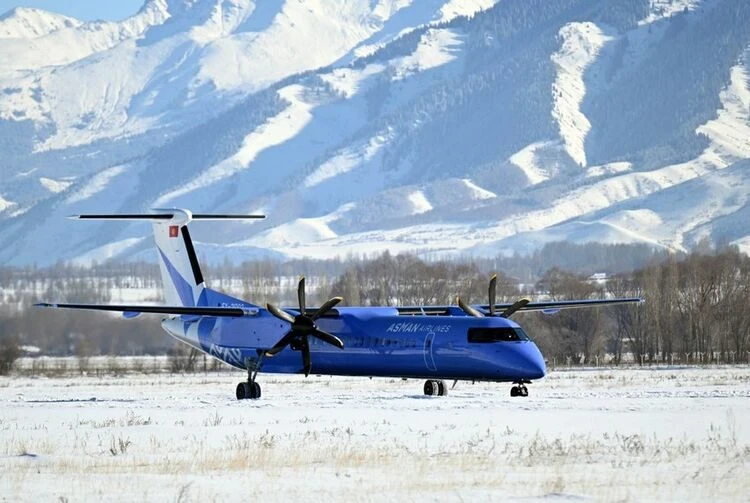
For example, Hamad International Airport in Doha, one of the busiest in the world, has halted flights. These disruptions may affect large volumes of cargo air traffic passing through this airport.
It is still unclear how long this situation will last and how long countries will be able to cope with the resulting losses.
Currently, there is a decline in airline stocks in the Asia-Pacific region, with more than a 5% drop in shares of companies such as Qantas Airways, Singapore Airlines, and Japan Airlines.
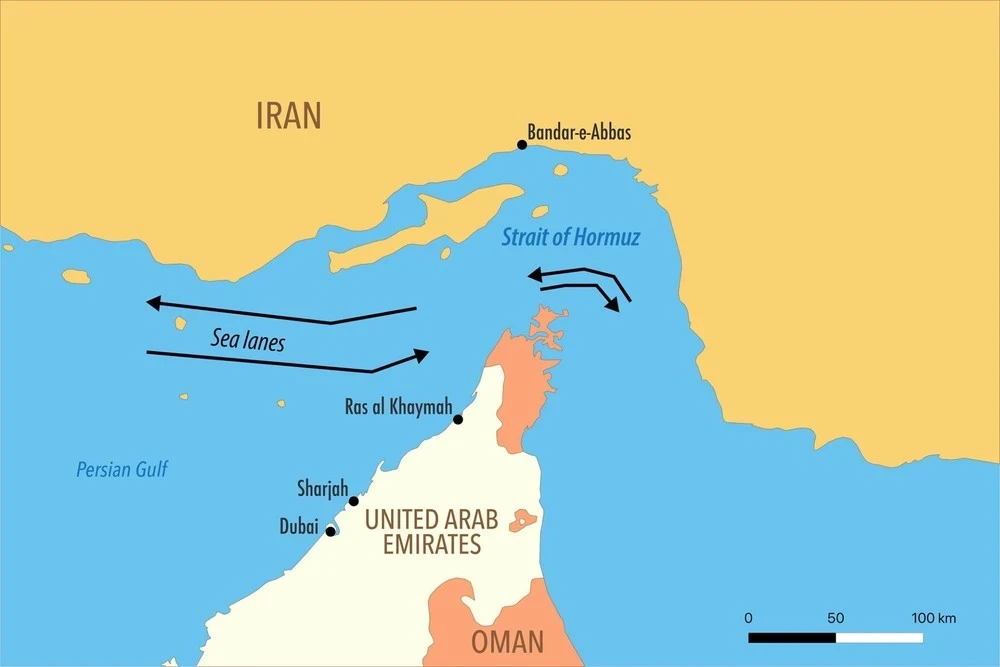
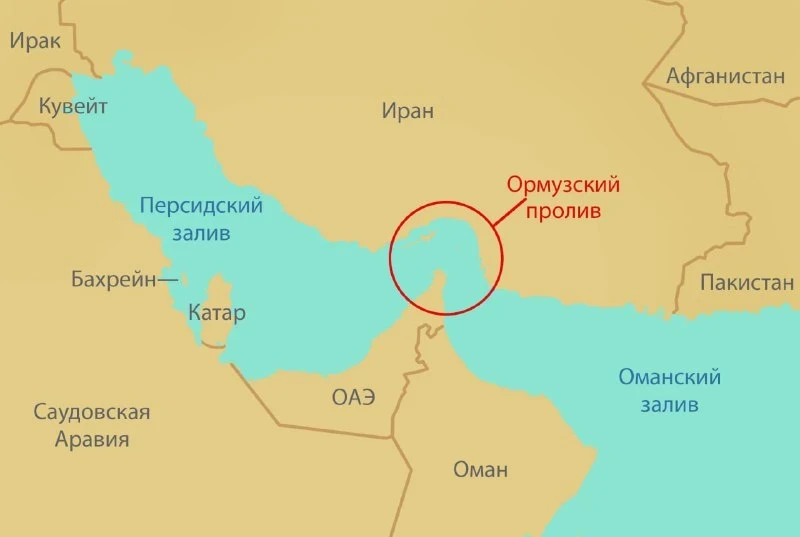
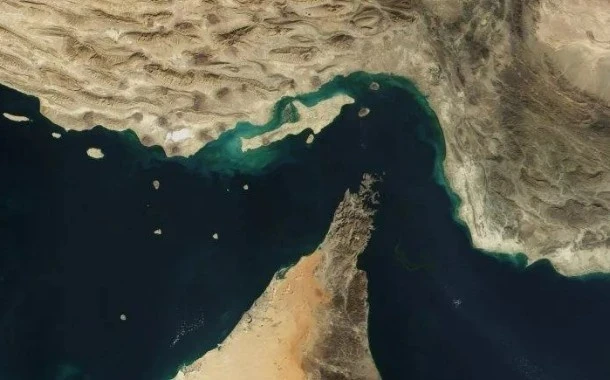
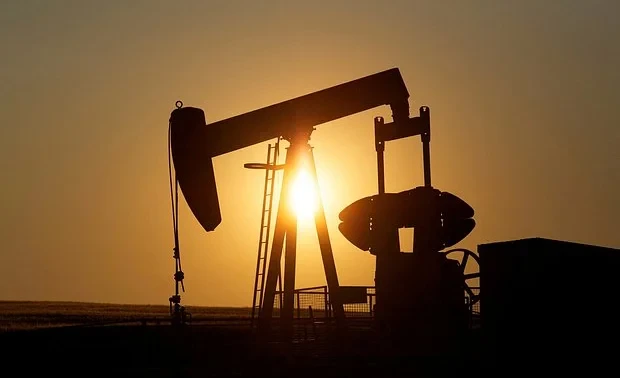
Iran is also attacking seaports and shipping routes, disrupting operations in the Strait of Hormuz — the world's most important oil corridor.
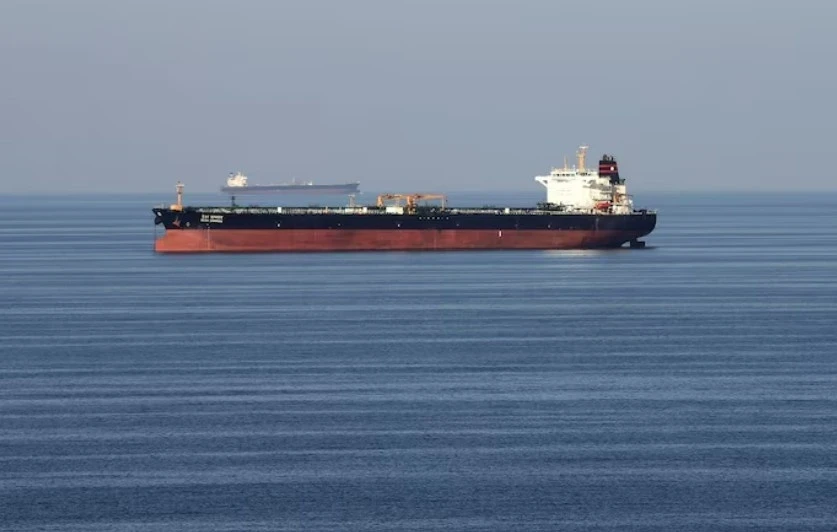
After attacks on three vessels in the Strait of Hormuz, global oil prices rose as Iran continues its actions in response to attacks by the US and Israel.
According to the British Maritime Trade Operations Center, two vessels were damaged, and an "unknown projectile" exploded near a third.
Iran has warned ships of a ban on passage through the strait, through which about 20% of the world's oil and gas supplies are transported.
At the start of trading on Monday, global oil prices rose by more than 10%, but by morning, the increase slowed.
As of 02:00 GMT, the price of Brent crude oil rose by more than 4% to $76.16 per barrel, while US oil increased by about 4% to $69.67.
According to Sol Kavonik, head of energy research at MST Research, "the market is not panicking," and the infrastructure for oil transportation and production is not currently the main target of the conflict.
The conflict between the US and Israel with Iran has been ongoing for three days, accompanied by large-scale airstrikes.
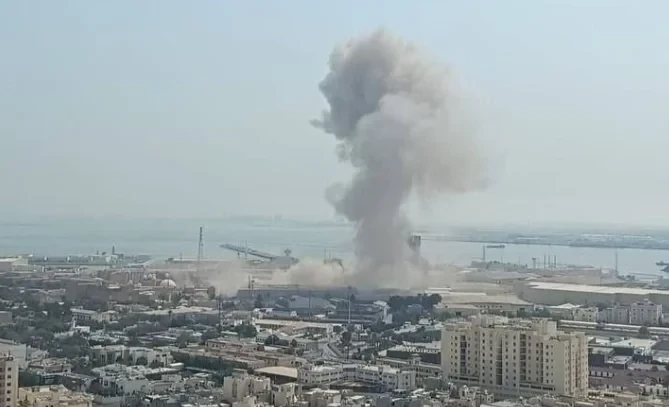
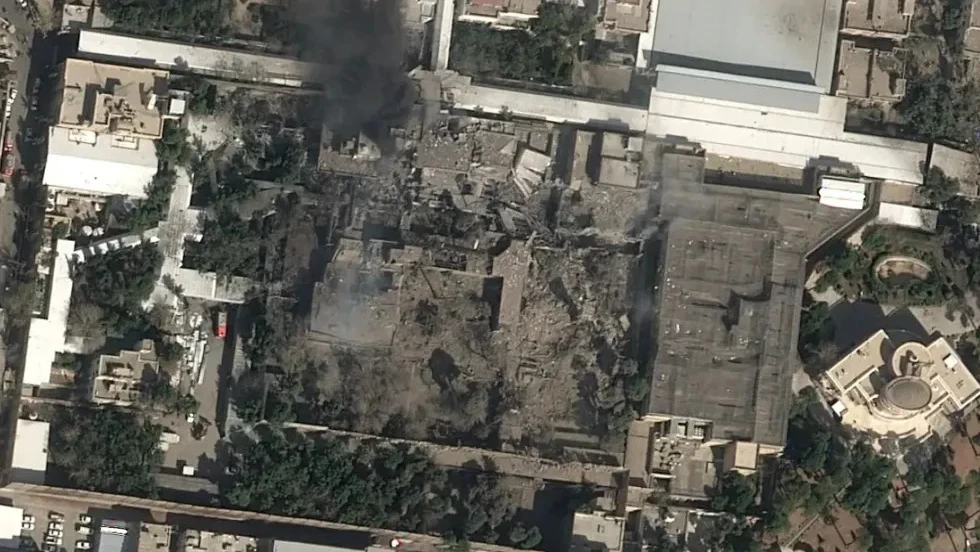
A series of explosions shook Beirut as the Israeli army began striking targets associated with "Hezbollah" following rocket launches into northern Israel.
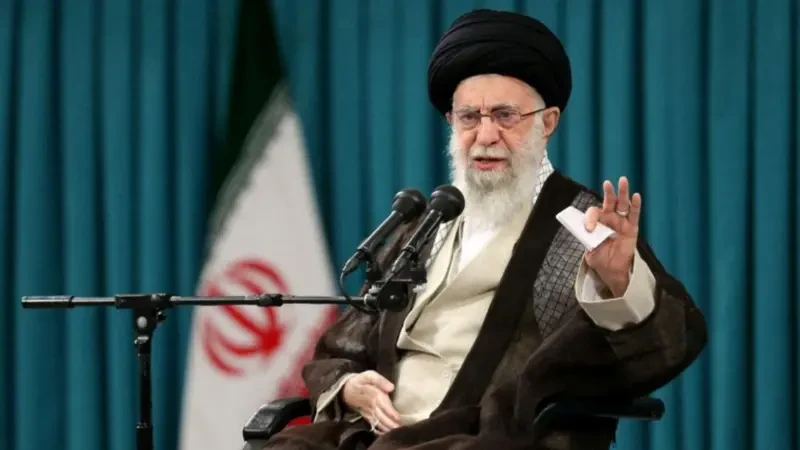
"Hezbollah" declared its actions a response to the assassination of Iran's Supreme Leader Ayatollah Ali Khamenei, calling it a "legitimate act of self-defense."
In its statement, the group reported that a "salvo of precision missiles and drones" was launched at an Israeli missile defense facility. The Israeli military confirmed its retaliatory actions, stating that it would not allow threats to its security.
Hundreds of thousands of people are leaving their homes in Lebanon.
The Israeli army has ordered the evacuation of the population, and in the morning, hundreds of thousands began to leave their residences.
Not only in southern Lebanon but also in Beirut.
In the suburb of Dahia, where hundreds of thousands live, people are gathering their belongings and seeking safer places.
Dahia is considered a stronghold of "Hezbollah." During the previous war in 2024, the city was repeatedly attacked. Although a ceasefire was reached in November of that year, Israel continues its actions, accusing "Hezbollah" of rearming.
Amid the chaos, Ramadan is still ongoing, when people are supposed to fast during daylight hours. Instead of having their last meals before the fast, they are seeking shelter.
American lawmakers intend to limit Trump's powers to attack Iran.
Senator Adam Schiff announced his intention to join other lawmakers to push for a vote on a resolution limiting Trump's powers to attack Iran.
"Declaring war is the prerogative of Congress, not the president," Schiff noted in his statement.
"I will join Senators Tim Kaine, Rand Paul, and Schumer to push for a vote on our military powers resolution and emphasize that Congress has not authorized such use of our armed forces."
If the resolution is passed, the president will need to seek Congress's consent for future attacks.
However, Trump could veto such a resolution if it does not receive two-thirds support in both chambers, which is quite a challenging task.
According to the US Constitution, only Congress has the right to declare war.
The US and allies condemned Iran's actions.
Seven countries, including the US, Bahrain, Jordan, Kuwait, Qatar, Saudi Arabia, and the UAE, issued a joint statement condemning Iran's "indiscriminate and reckless attacks" in the Middle East.
They called these "unjustified strikes" a threat to sovereignty and civilian populations, as well as civil infrastructure.
The attacks by Tehran represent a dangerous escalation that threatens the stability of the region, and they are united in protecting their citizens.
Furthermore, they affirmed their right to self-defense.
"I see the light flash and hear the explosion," says a resident of Erbil about the attacks on the city. published at 06:08
06:08
Gabriela Pomeroy,
Live program reporter
One resident of Erbil, of Kurdish descent and working for a local NGO, spoke about the horrors of the attacks, asking not to disclose her name.
"This morning I saw seven or eight attacks, and I am in shock," she shares.
Although most missiles were intercepted, one hit its target, causing "10-15 minutes of continuous explosions."
The US Central Command confirmed that Erbil International Airport was one of Iran's targets.
"I have never seen anything like this — it is very scary," she said.
"From my balconies, I have a view of the city and the airport. I see flashes of light, and then explosions."
"When I was at the market today, people were shopping as usual, but suddenly we saw a missile being intercepted. It was like a movie."
She noted that her area is usually full of people, but today the streets are deserted.
"On Saturday, my children were playing in the playground, and we heard explosions, but on Sunday it was much more intense."
Trump allows the possibility of lifting sanctions against Iran.
He stated that this is possible if the new Iranian leadership becomes pragmatic and willing to cooperate.
Combat operations are ongoing in full force and will continue until all our objectives are achieved, Trump stated.
We have serious tasks, he emphasized.
Trump also noted that Iranian officials "want to engage in dialogue" with the US and "continue discussions," but did not specify details, according to NBC News.
The American aircraft carrier USS Abraham Lincoln was forced to leave its area as a result of Iran's strike with four ballistic missiles, according to information from the Islamic Revolutionary Guard Corps.
Seven people were injured in Iran's strike near Jerusalem, media reports.
One of the injured is in serious condition. Earlier, a siren went off in Jerusalem.
A missile fell in the area of the road in Giva Tsarfatit, damaging a vehicle.
The recording "Iran struck its neighbors where it hurts the most: at airports. What is happening in the hottest spot?" first appeared on K-News.