History of Hostility: From Allies to Adversaries
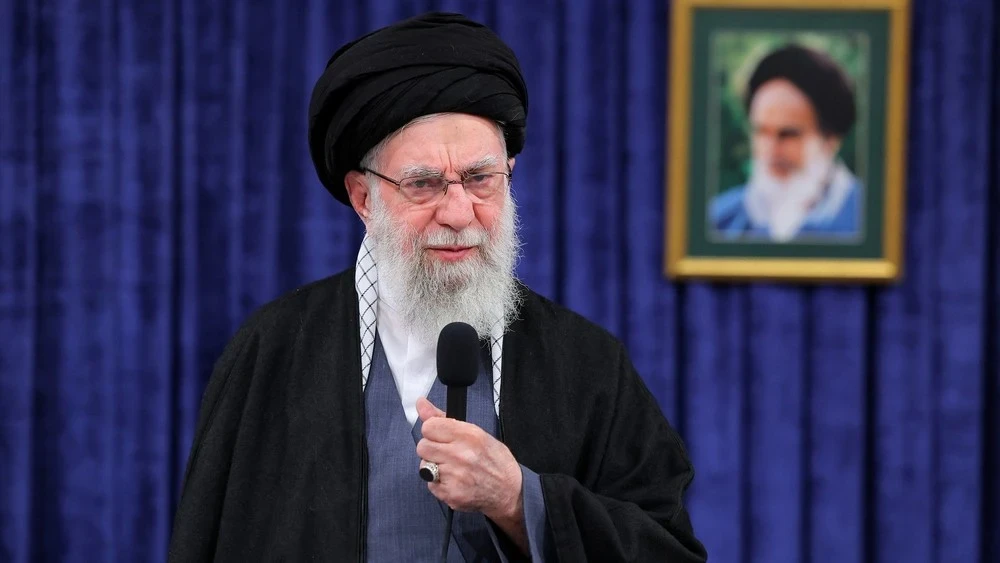
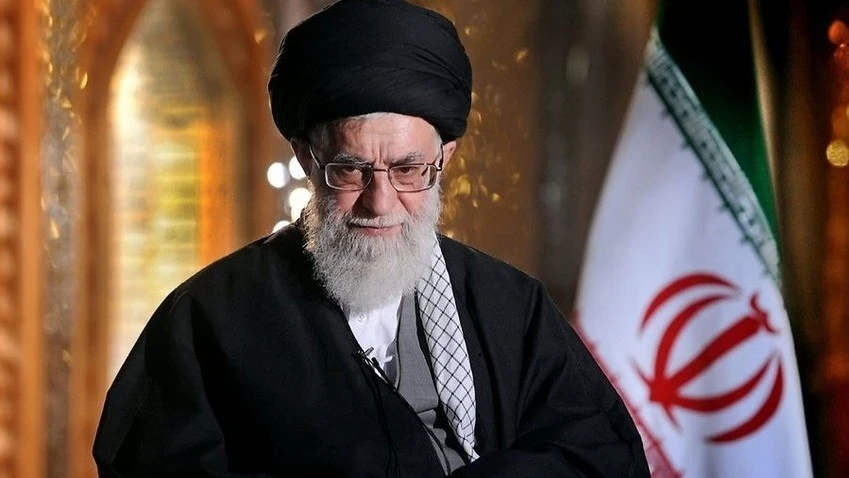
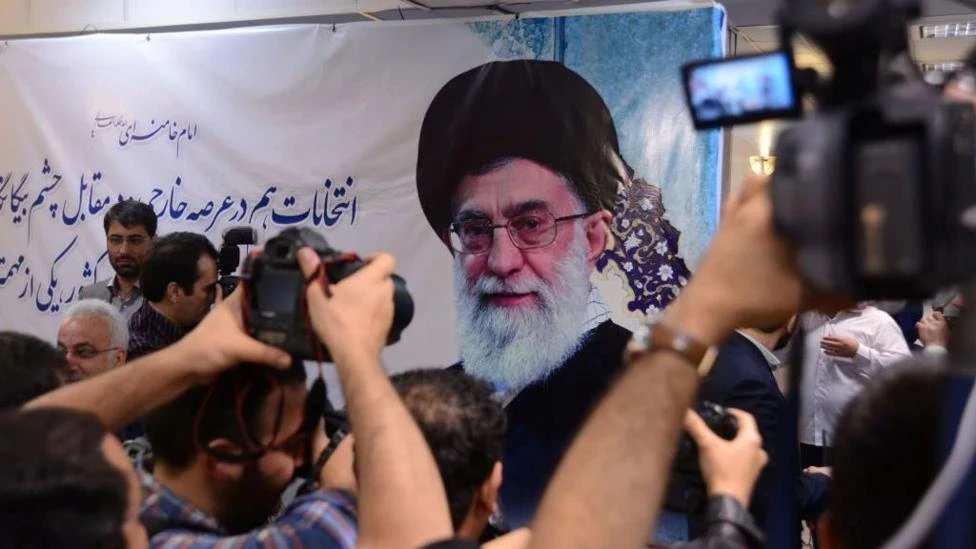
Interestingly, Israel and Iran were once partners. In 1950, Iran became the second Muslim country to recognize Israel. Until 1979, friendly relations existed between the two countries, including economic cooperation and intelligence collaboration. They united in the fight against Arab influence in the region. However, the Islamic Revolution and the rise to power of Ayatollah Khomeini changed this trajectory, making Israel Iran's main enemy. The new Ayatollah Khamenei continued this line, proclaiming the destruction of the "little Satan," meaning Israel, and the "great Satan" — the USA, as the main priority of Iranian policy.Israel perceived this position as a threat and responded with active measures in both military and intelligence spheres. As a result, Iran, along with the groups it supports, such as Hezbollah, Houthis, and Hamas, came to be seen as a serious threat to Israel's existence.
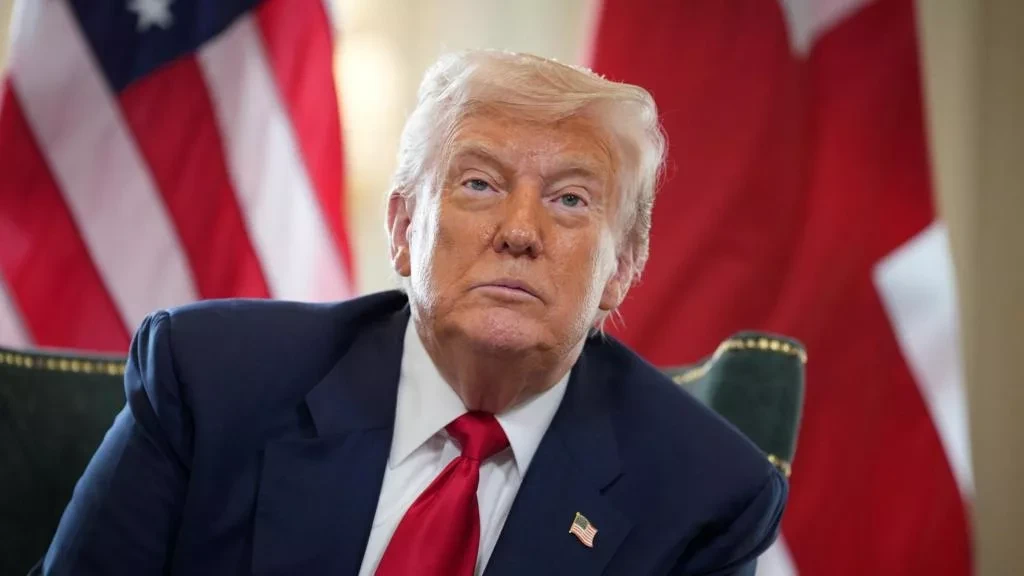
The USA, as Israel's main ally, also has a long history of conflict with Iran, dating back to 1979. The main reasons include ideological differences, competition for resources, influence in the region, and opposition to Iran's nuclear program.
Thus, both sides hold extremely rigid positions, making the possibility of compromise unlikely.
Escalation of the Conflict
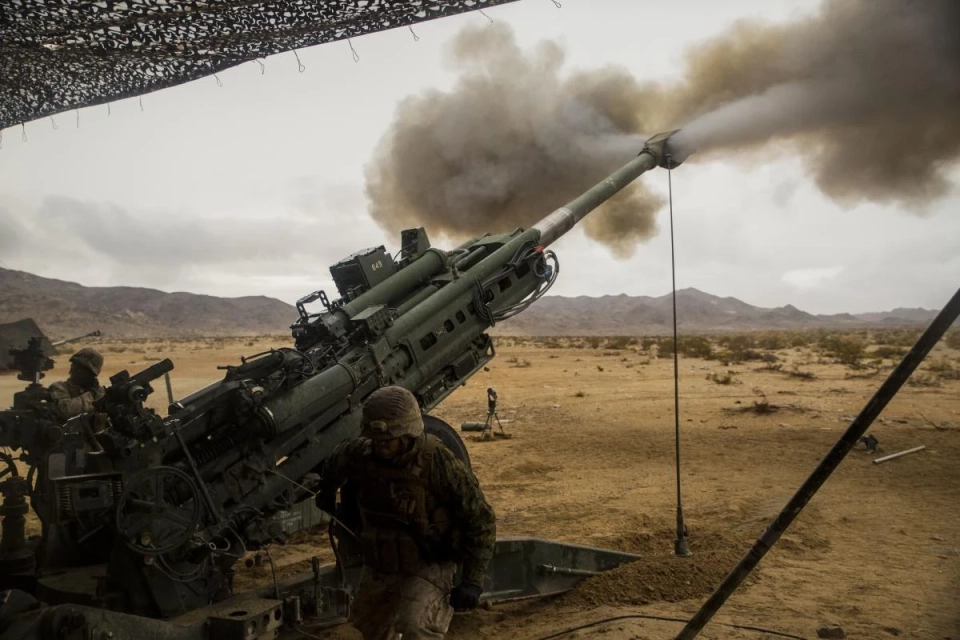
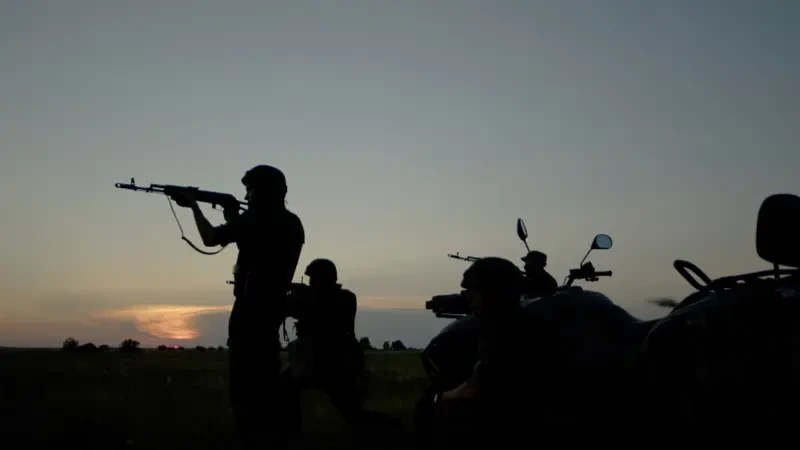
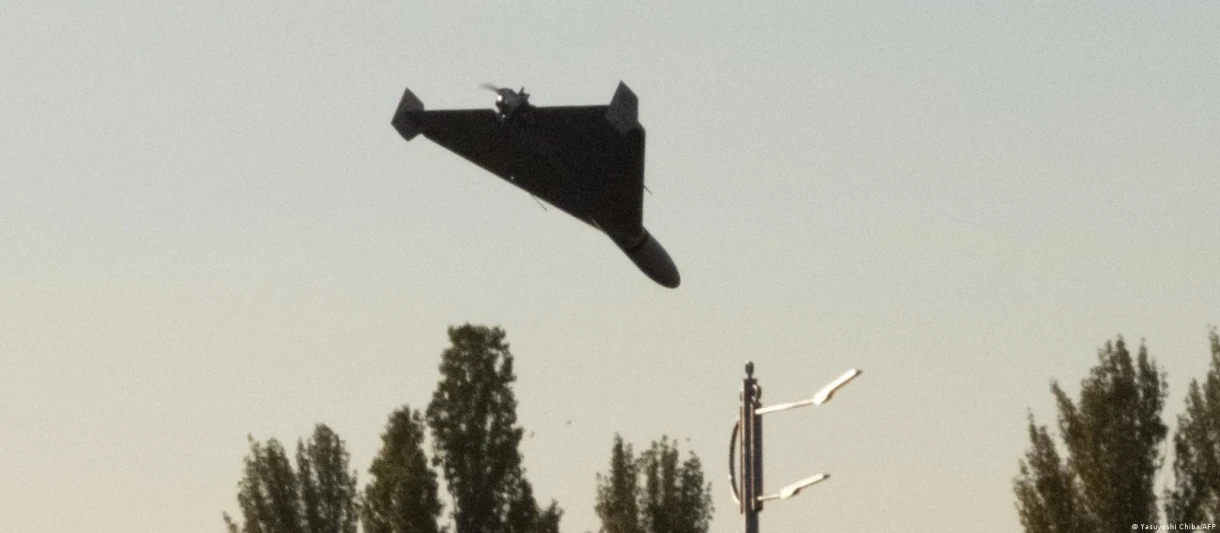
The summer conflict of 2026 transitioned into an open phase when Israel and the USA announced that Iran was close to developing nuclear weapons and that further waiting was impossible. The twelve-day war demonstrated both the technological superiority of the American-Israeli alliance and Iran's power. Although Iran could not withstand airstrikes, its missiles and drones partially overcame Israel's air defense systems, striking targets on its territory.The attack that began on February 28 surpasses previous ones in scale. The strikes are becoming increasingly intense and brutal, affecting not only military but also civilian targets. Tragic consequences, such as a missile hitting a school and claiming the lives of hundreds of children, underscore the scale of suffering among civilians.
Iran, unable to respond equivalently, employs a different strategy.
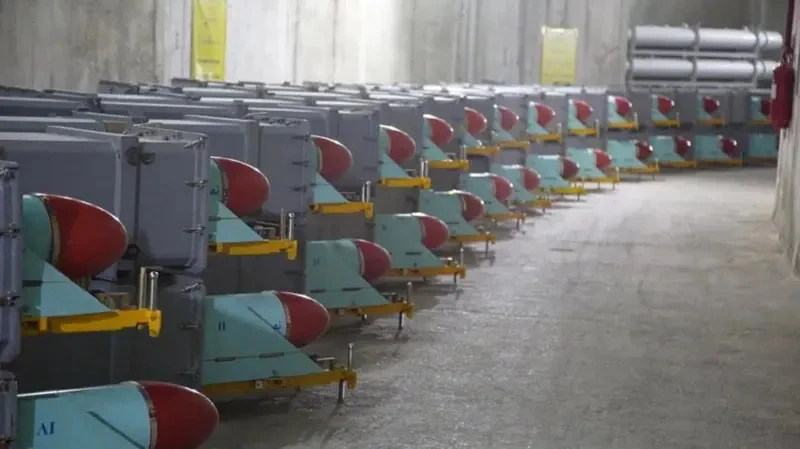
In response, Iran attacks American bases and other targets in Arab countries of the Persian Gulf, as well as in Azerbaijan, Iraq, and a British base in Cyprus. One of the ballistic missiles was intercepted over Turkey.
Iran's current strategy is to create chaos in the region, raise oil prices, and force the USA to face high domestic costs, which should lead to the impossibility of continuing the conflict. Iran's goal is not to achieve victory but to endure and maintain the regime.
The USA and Israel, in turn, hope that Iran will not be able to resist for long and will eventually agree to their terms, including abandoning its nuclear program and reducing its missile capabilities. The "decapitation" tactic, which has proven effective in other countries, is also being used in this conflict. However, Iran has demonstrated significant resilience: even after the deaths of more than forty high-ranking officials in the early days of the war, the management system remained intact due to pre-developed plans.
Nevertheless, the goals of the USA and Israel regarding regime change in Iran remain relevant.
At the same time, the discussion is no longer about democracy and human rights, as it once was. Washington is willing to accept any power that agrees to its demands.
Is there a real opposition in Iran? Strong opposition movements are not observed; however, there are so-called "moderates" among the military and civilians who, under certain conditions, may support changes. Reza Pahlavi, the son of the former Shah, actively proposes his plan, which includes the separation of religion from the state, abandoning the nuclear program, and establishing relations with Israel.
Although regime change from the Ayatollahs now seems unlikely, the future remains uncertain. Iran is experiencing serious socio-economic problems, as evidenced by mass protests in January 2026, triggered by high inflation and deteriorating living conditions. The suppression of protests was carried out not only by the army but also by paramilitary formations, leading to significant casualties among the civilian population.
Social and environmental issues also do not spare Iran.
Tehran faces a shortage of drinking water due to prolonged droughts and ineffective management. Despite discontent, part of the population continues to support the Ayatollah regime, leading to polarization in domestic politics and preventing the regime from forming an organized opposition.
Possible Consequences for Kyrgyzstan
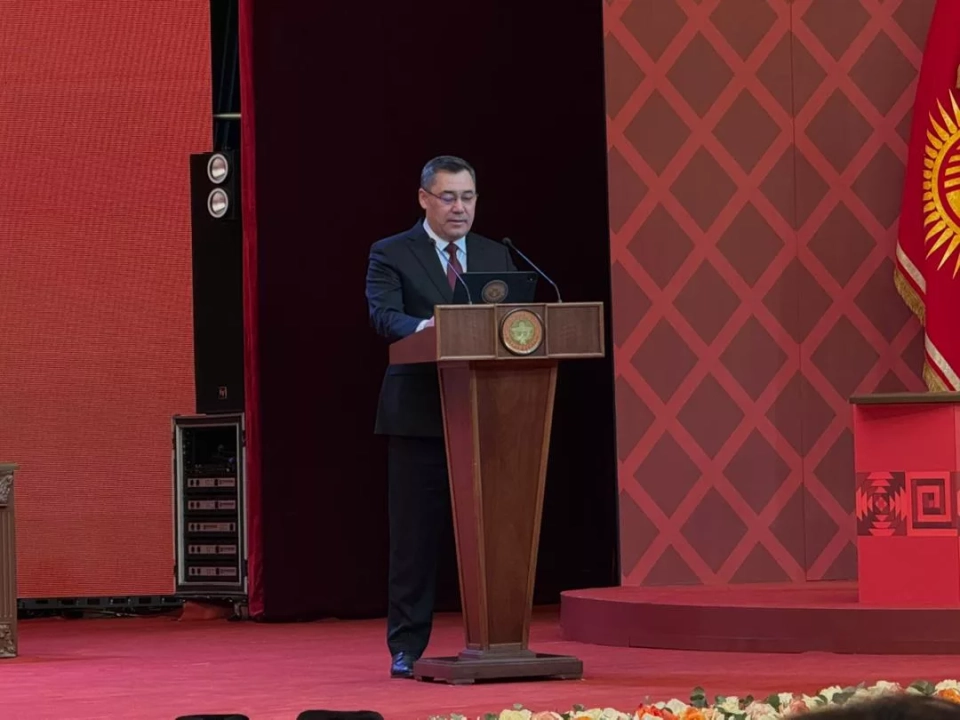
Kyrgyzstan needs to strive for peace and prosperity in the Middle East region, so its position advocating for a peaceful resolution of conflicts is strategically sound. Iran, with a population of 93 million, has significant economic, scientific, and cultural potential for Central Asia. For Kyrgyzstan, Iran also represents an important outlet to the sea, which, in the long term, under peaceful conditions and the development of transport infrastructure, could significantly increase the country's transit potential and expand trade and cultural ties with other regions.If we consider the Middle Eastern situation from the perspective of "realpolitik," it can be assumed that as long as the current regime in Iran remains, Israel and the USA will continue to exert pressure on it.
Even if the current war ends soon, there are no guarantees that it will not resume in the future.
The conflict will continue until one side changes its strategy or internal problems undermine the possibility of further confrontation.
An example of peaceful conflict resolution can be the "Abraham Accords," signed in 2020, which normalized relations between Israel and Arab states. These agreements aim to develop economic and defense cooperation, which could also serve as a basis for reducing tensions.
The agreements are named after Abraham, considered a common ancestor for Jews, Christians, and Muslims.
Expanding these agreements to other countries, including Iran, could lead to peaceful and mutually beneficial cooperation in the region. However, under the current conflict conditions, it is premature to speak of the reality of such arrangements.