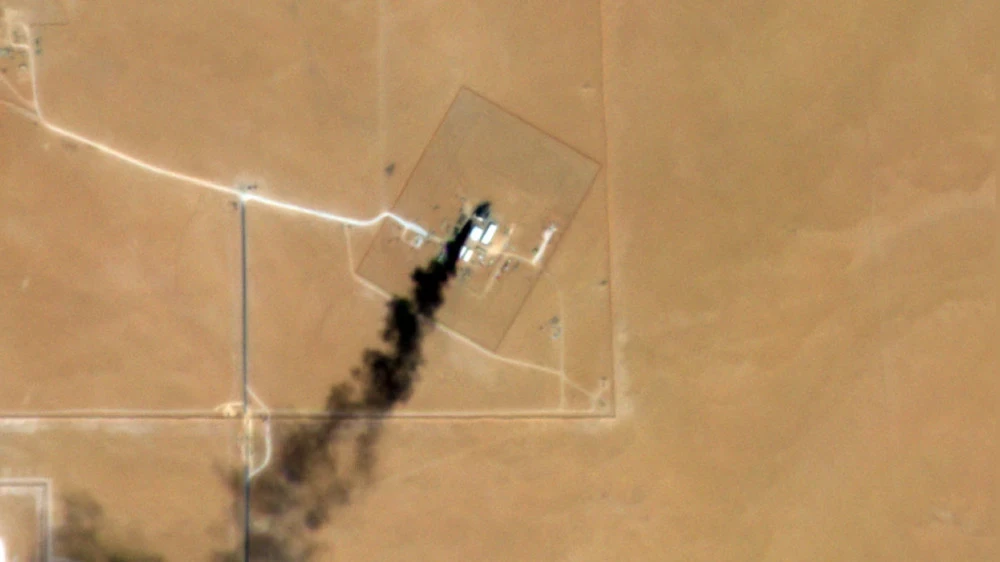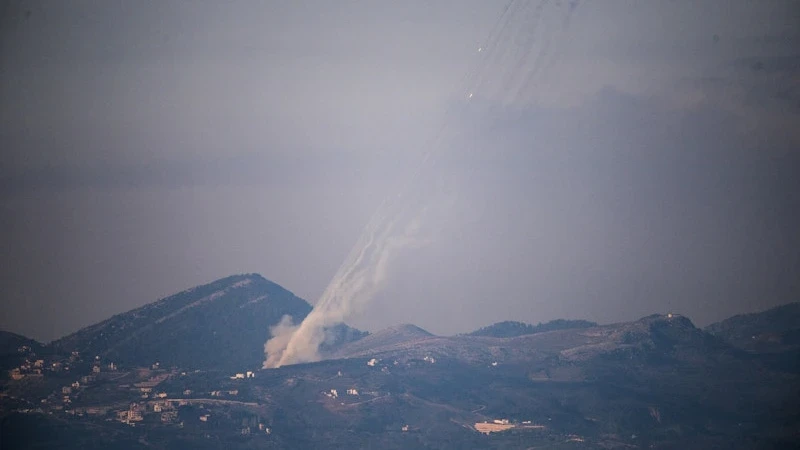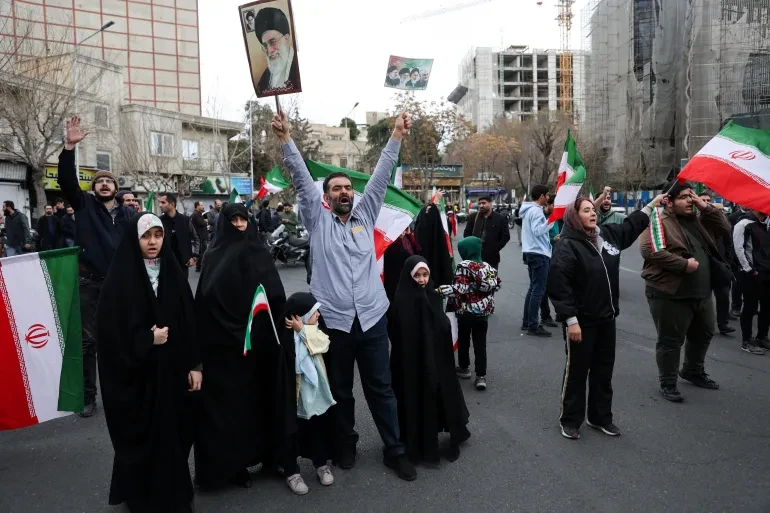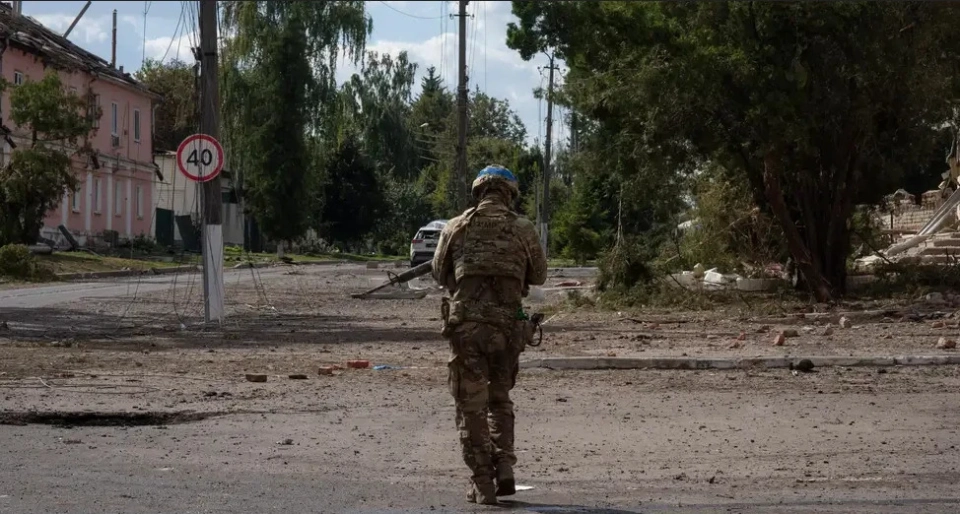
In the context of the escalating conflict with Israel and the US, Iran's military tactics are not aimed at traditional victory. Iran is striving for survival, acting by its own rules.
The leaders of the Islamic Republic have been preparing for this conflict for many years.
They understood that Iran's ambitions at the regional level could lead to a direct confrontation with Israel or the US, and that such a war would likely involve both countries. This dynamic was evident during the 12-day conflict last summer when Israel initiated a strike, and the US quickly got involved.
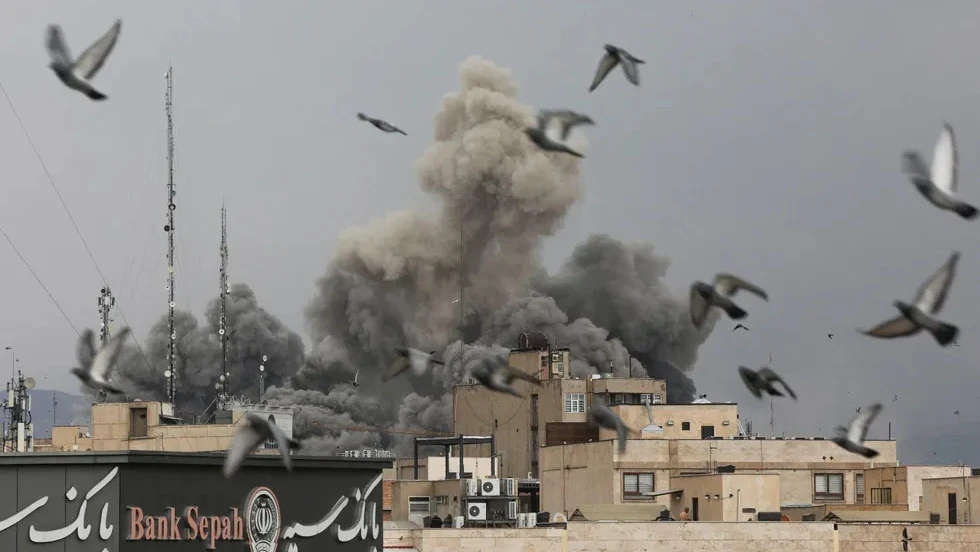
In the current cycle of hostilities, both sides are simultaneously attacking Iran.
Given the high-tech weaponry and intelligence capabilities of the US and Israel, it would be unreasonable to expect a simple victory for Iranian strategists.
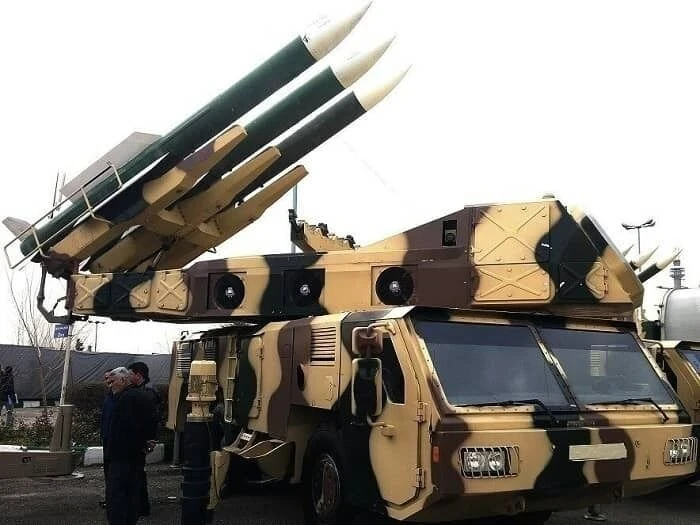
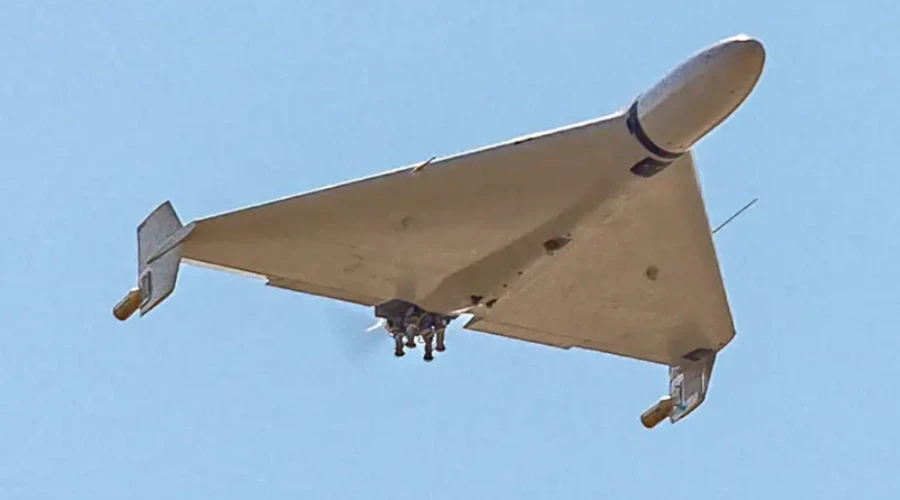
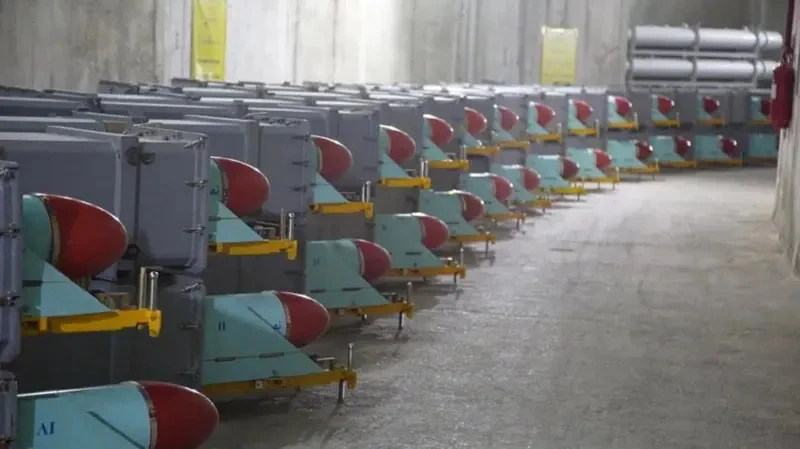
Iran appears to have chosen a strategy based on deterrence and endurance. Over the past ten years, they have invested in multi-layered ballistic missile systems, drones, and a network of allied groups in the region.
Israel understands its limitations: while the continental US is far away, American military bases in neighboring Arab countries remain within reach.
Israel can also become a target for Iranian missiles and drones, and recent attacks have shown that its air defense systems can be overcome. Every projectile that penetrates these systems has both military and psychological significance.
Iranian calculations, among other things, rely on the economic feasibility of the conflict. US and Israeli interceptors are significantly more expensive than many Iranian drones and missiles. A prolonged war forces the US and Israel to spend costly resources intercepting relatively inexpensive threats.
Energy resources also play a crucial role in military strategy.
The Strait of Hormuz remains a key artery for oil and gas supplies. Iran does not necessarily have to completely close this narrow corridor — even threats and limited disruptions already lead to price increases and can provoke international pressure for de-escalation.
Thus, escalation may serve as a tool not for achieving military victory, but for increasing the cost of continuing the conflict.
This brings us to attacks on neighboring countries.
Missile and drone strikes against states such as Qatar, the United Arab Emirates, Kuwait, Oman, and Iraq are likely intended to demonstrate the risks associated with the presence of American troops.
Tehran may hope that the governments of these countries will pressure Washington to limit or cease military operations, but this is a risky strategy. An increase in attacks may only heighten hostility and push neighboring states toward closer cooperation with the US and Israel.
The long-term consequences could prove more significant than the war itself, altering regional alliances and placing Iran in an even more isolated position.
If survival is the main goal, then expanding enemies may be too risky a step. However, for Tehran, restraint may also be perceived as a sign of weakness.
Reports that local commanders may independently choose targets and launch missiles raise additional questions.
If this is true, it does not necessarily mean a collapse of command structures. Iran's military doctrine, especially within the Islamic Revolutionary Guard Corps (IRGC), has long included elements of decentralization to ensure continuity of operations under mass attacks.
Communication systems are vulnerable to interception and jamming, and high-ranking commanders become targets. US and Israeli air superiority limits centralized control. In such conditions, pre-agreed target lists and delegated authority can serve as a precaution against the complete destruction of command.
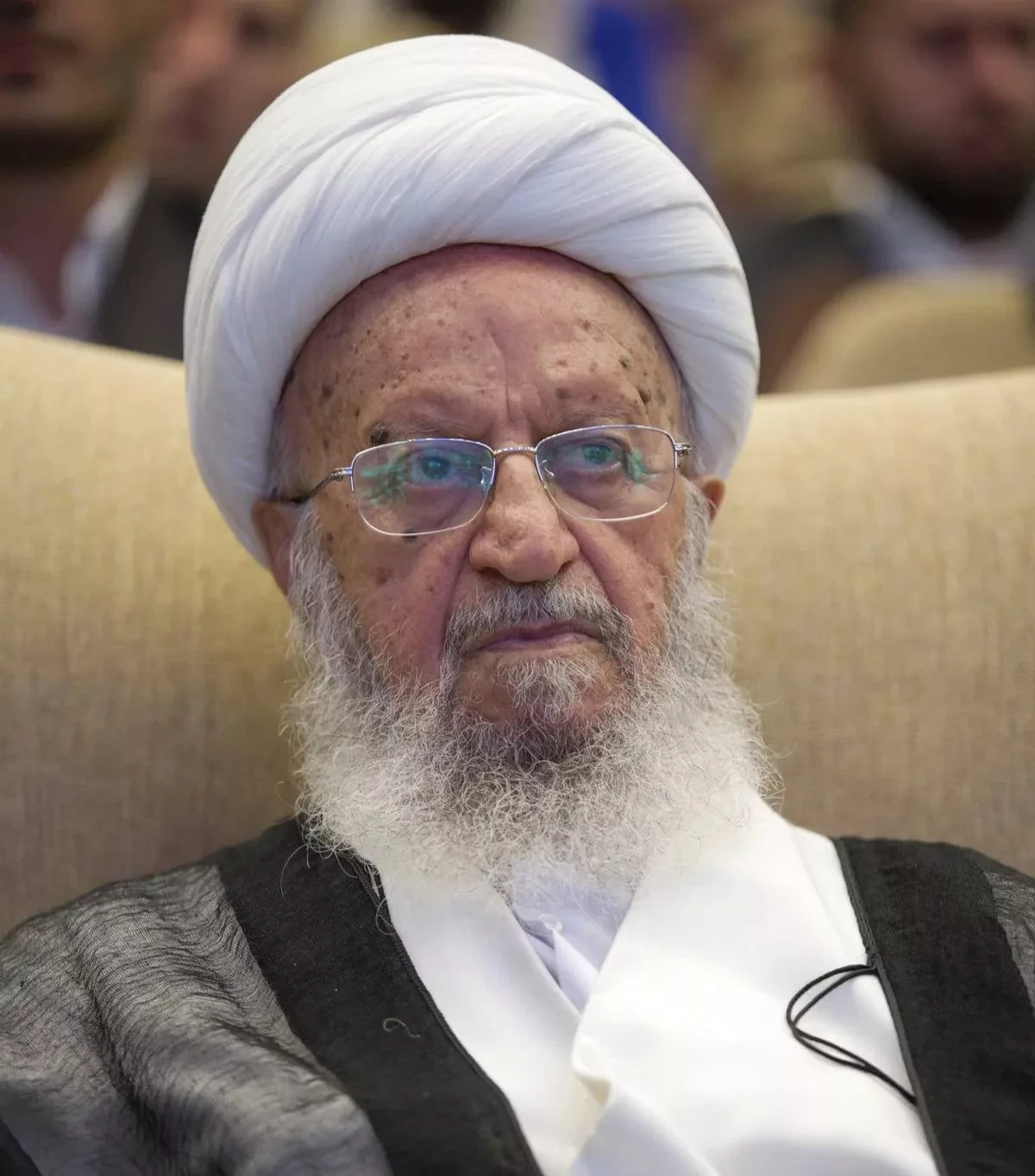
This may explain how Iranian forces continue to operate even after the elimination of high-profile IRGC figures and the possible death of Ayatollah Ali Khamenei due to recent strikes.
Nevertheless, decentralization also carries risks. Local commanders, operating with incomplete information, may attack undesirable targets, including neutral states.
The lack of a unified operational picture increases the likelihood of errors. If this drags on, it could lead to a loss of command and control.
Ultimately, Iran's strategy seems to be based on the confidence that it can endure strikes longer than its opponents can tolerate pain and costs.
If so, this is a form of calculated escalation: survival, retaliation, avoiding total collapse, and waiting for political disagreements among adversaries.
However, such endurance has its limits. Missile stocks are finite, and production lines are under constant attack. Mobile launchers risk being destroyed during movement, and their replacement takes time.
The same logic applies to Iran's opponents.
Israel cannot fully rely on its air defense systems. Every penetration heightens public concern. The US must consider the risks of regional escalation, the volatility of the energy market, and the financial burden of prolonged operations.
Both sides seem to believe that time is on their side. However, both sides cannot be right.
In this war, the Islamic Republic does not need victory — its goal is simply to stay afloat.
Whether this goal is achievable without completely alienating its neighbors is an open question.