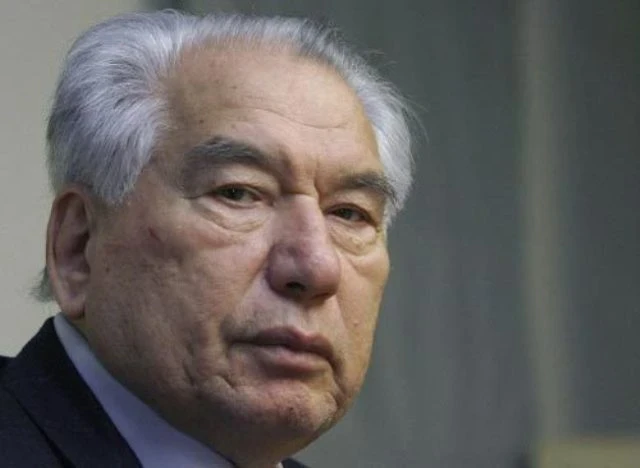
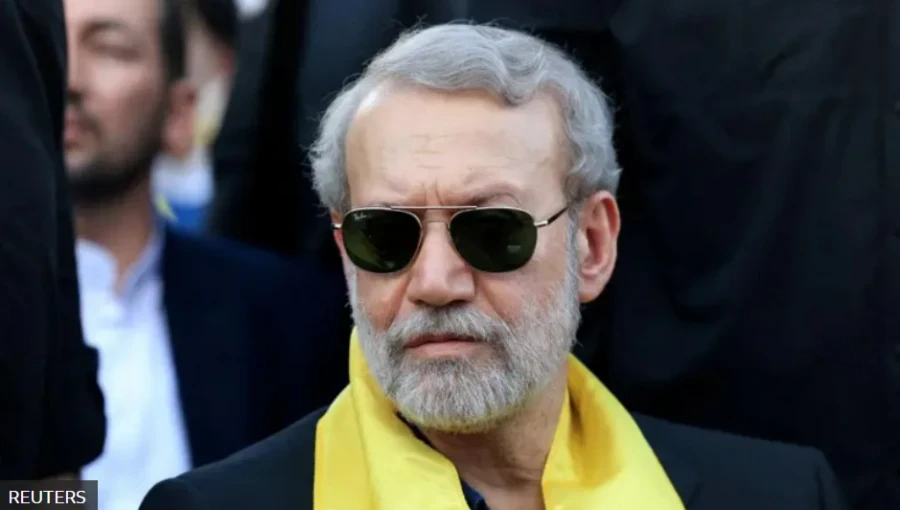
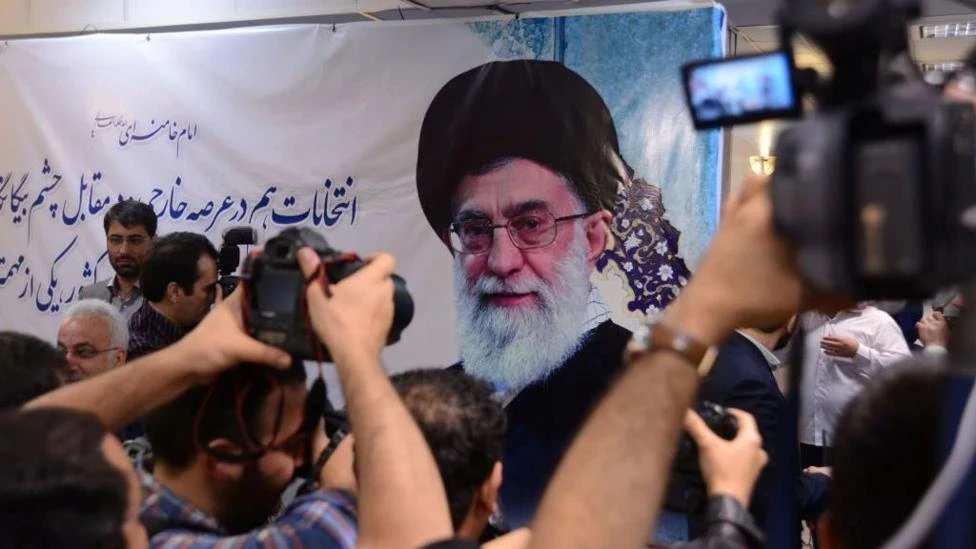
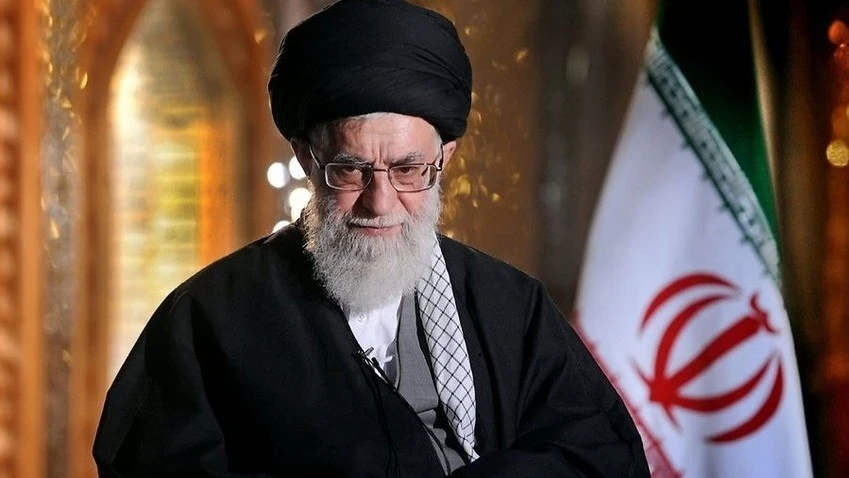
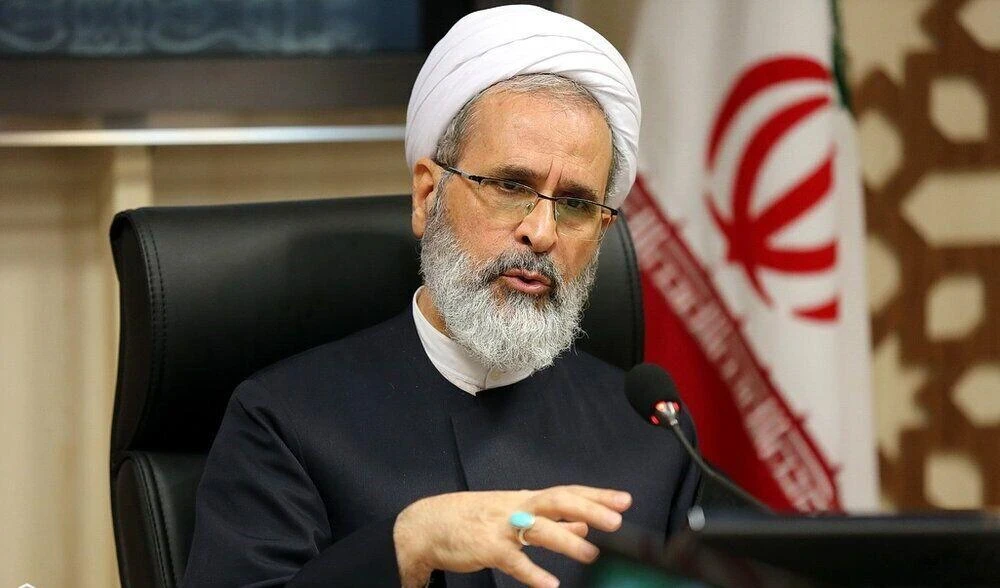
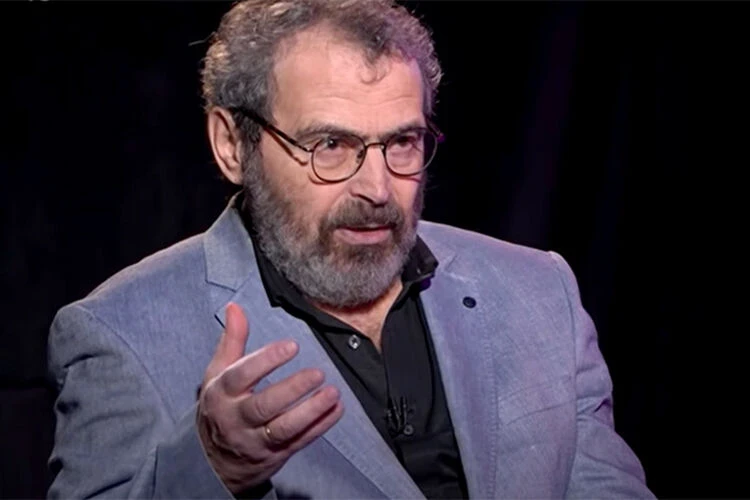
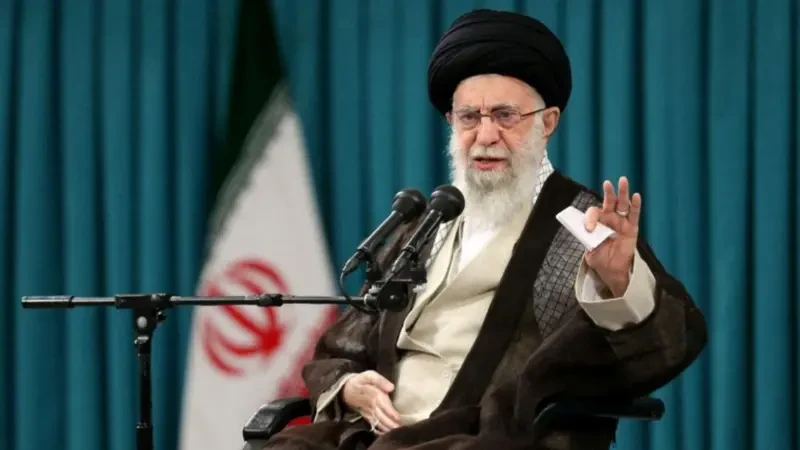
Ali Larijani, a prominent figure in Iranian politics, is considered a pragmatist and holds an important position following the assassination of Supreme Leader Khamenei, Al Jazeera reports.
For many years, Larijani has been a symbol of calm and pragmatism within the Iranian elite, known for his books on the 18th-century philosopher Immanuel Kant and his involvement in negotiations with the West over nuclear issues.
However, on March 1, 2026, his rhetoric changed.
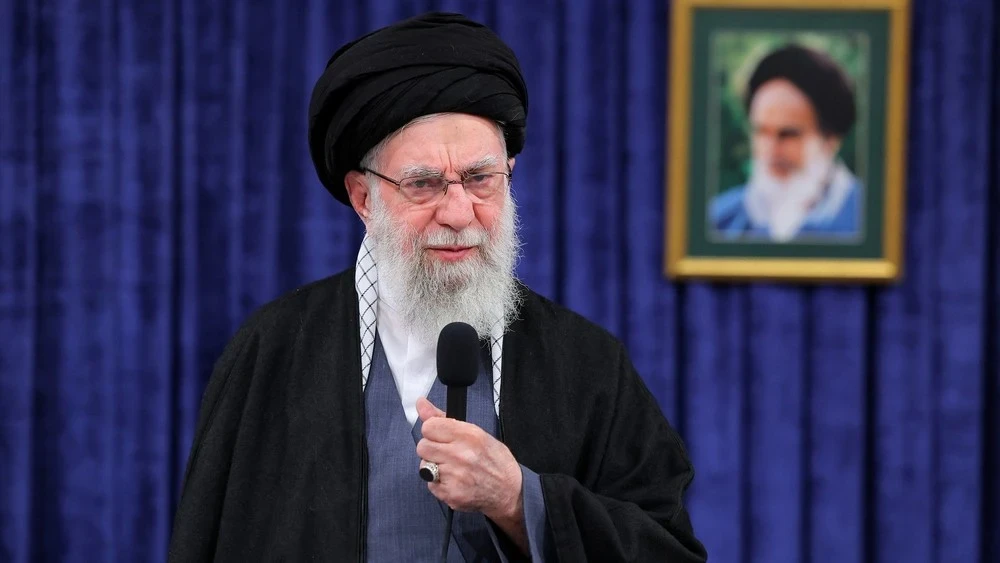
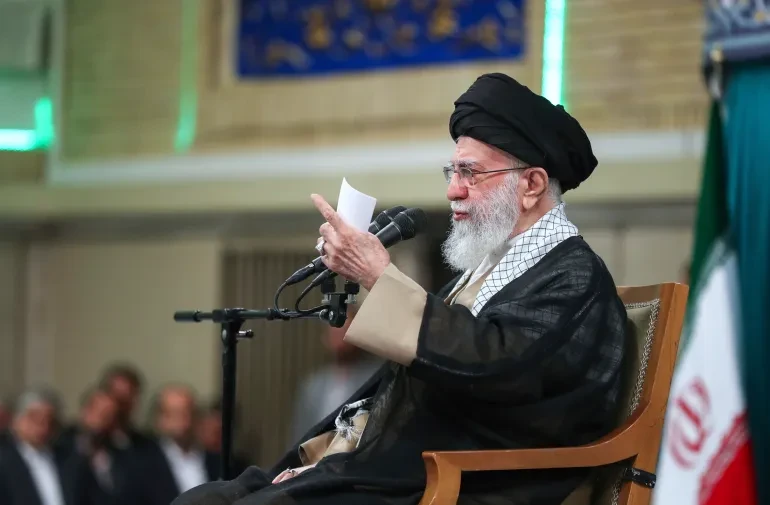
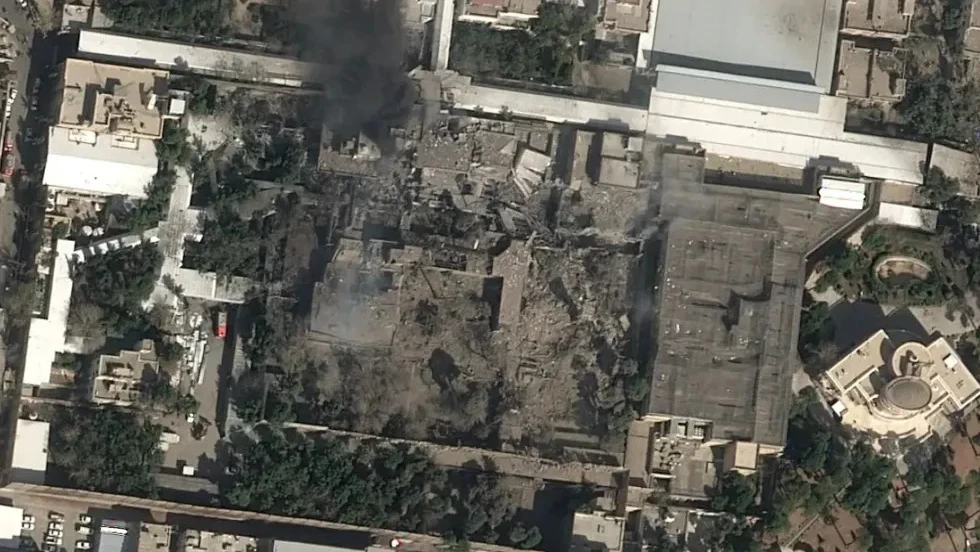
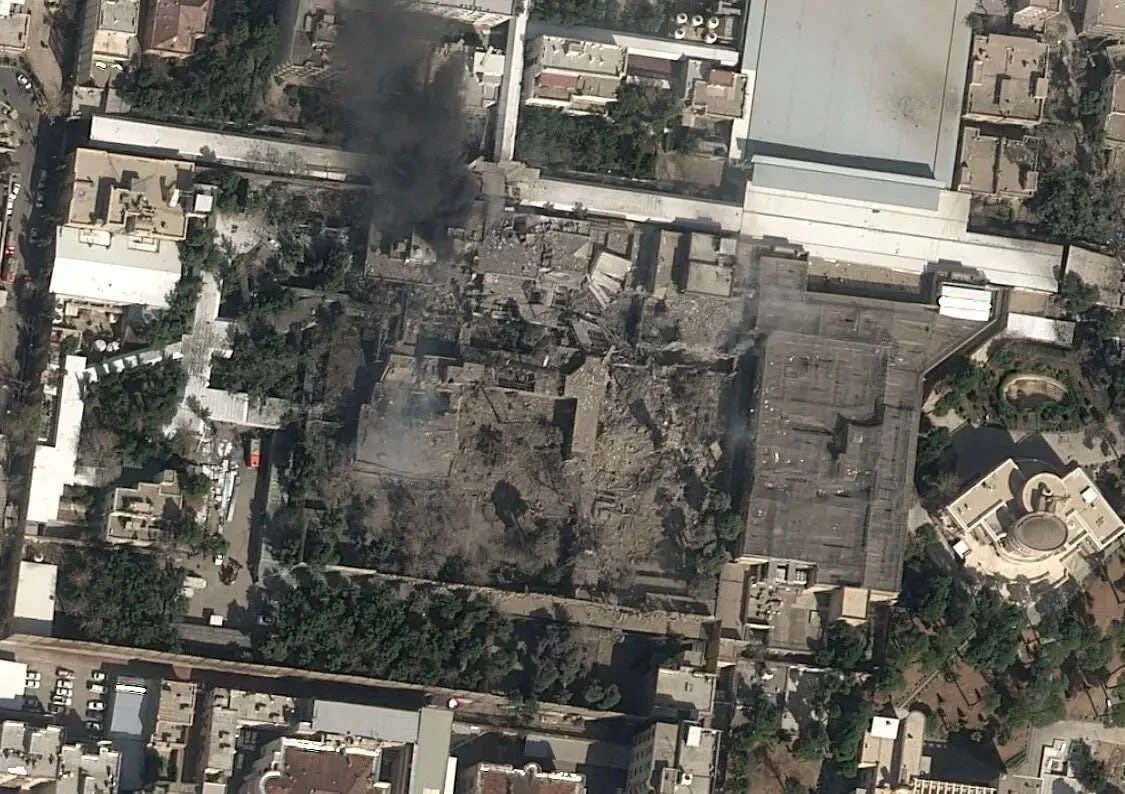
Speaking on state television just a day after U.S. and Israeli airstrikes that resulted in the deaths of Supreme Leader Ayatollah Ali Khamenei and IRGC commander Mohammad Pakpour, Larijani delivered an emotional speech.
“America and the Zionist regime [Israel] have ignited the heart of the Iranian nation,” he wrote on social media. “We will burn their hearts. We will make the Zionist criminals and shameless Americans regret their actions.”
“Brave soldiers and the great people of Iran will teach these hellish international oppressors an unforgettable lesson,” he added.
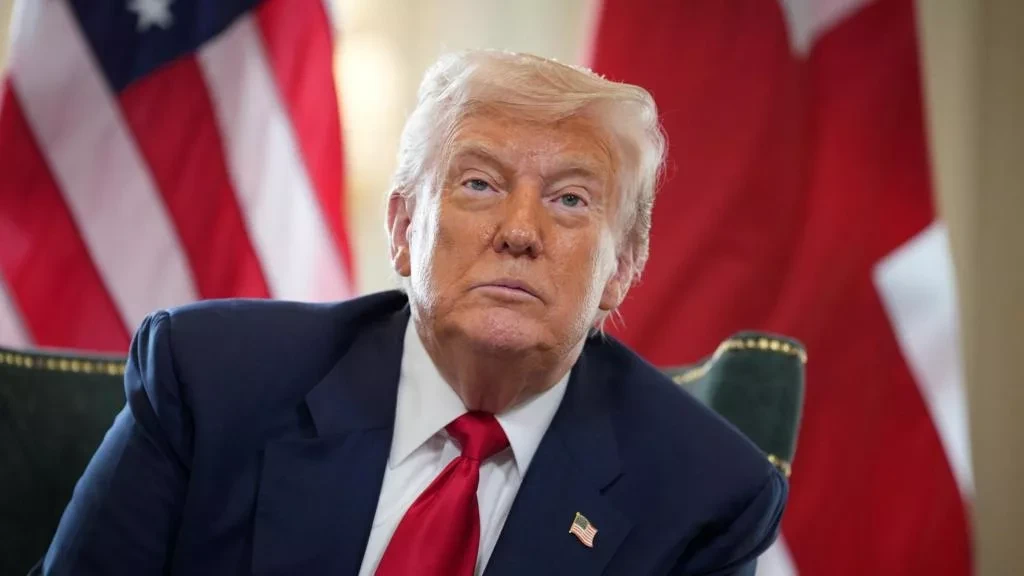
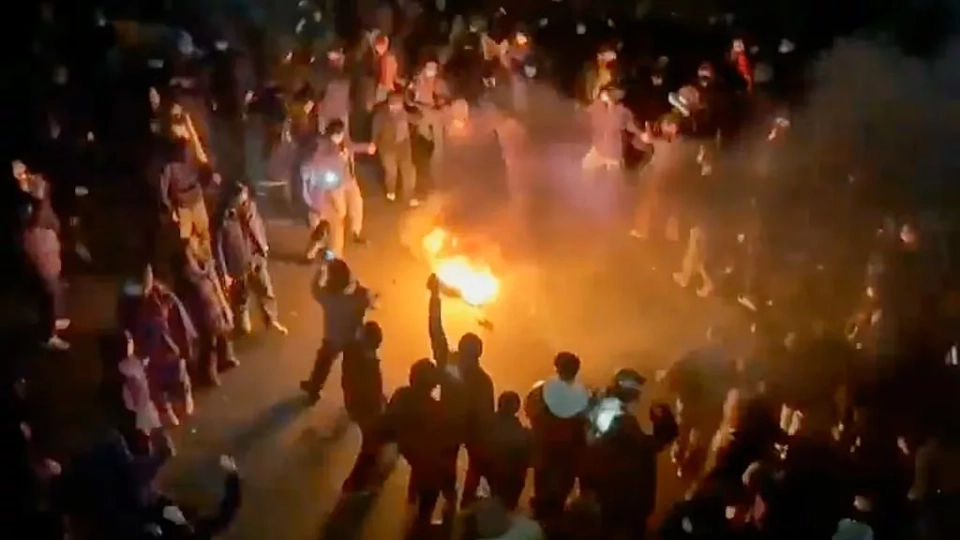
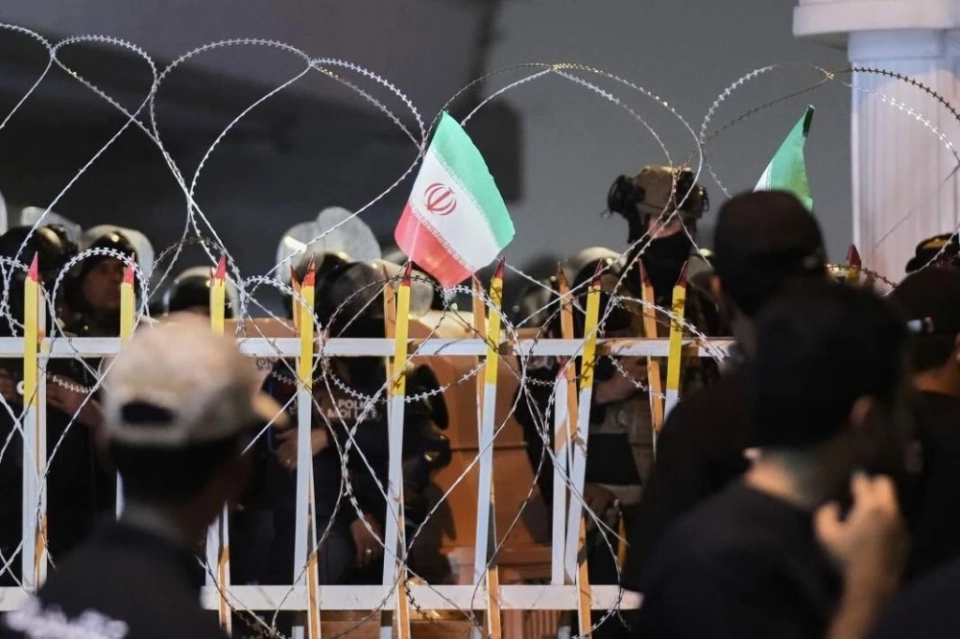
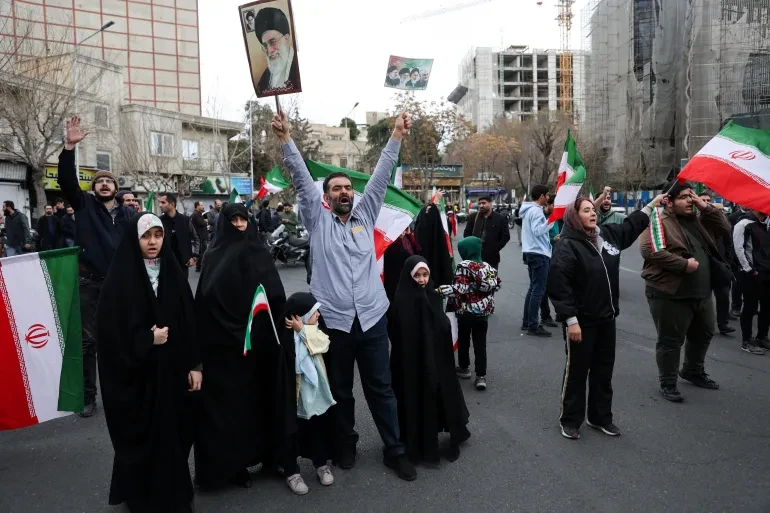
Larijani, who criticized U.S. President Donald Trump for falling into the “Israeli trap,” has become a focal point in Tehran amid the largest crisis since 1979.
He is expected to play a key role in the three-member transitional council that will govern Iran after Khamenei's death.
Who is this man tasked with leading the country’s security strategy amid the ongoing conflict with Israel and the U.S.?
The Iranian "Kennedys"
Ali Larijani was born on June 3, 1958, in Najaf, Iraq, into a wealthy family from Amol. He belongs to a dynasty so influential that in 2009, Time magazine referred to them as the “Kennedys of Iran.”
His father, Mirza Hashem Amoli, was a well-known religious figure. Larijani's brothers have also held important positions in Iran, including in the judiciary and the Assembly of Experts—a spiritual body that elects and oversees the Supreme Leader.
Larijani's personal connections with the Iranian elite after the 1979 revolution are also significant. At the age of 20, he married Farideh Motahari, the daughter of Morteza Motahari, a close associate of the founder of the Islamic Republic of Iran, Ruhollah Khomeini.
Despite his family's conservative roots, his children have chosen different paths. For instance, his daughter Fatimeh, who graduated from the medical faculty of Tehran University, completed her residency at Cleveland State University in the U.S.
Mathematician-Philosopher
Unlike many of his peers, Larijani has a secular academic background. In 1979, he received a bachelor's degree in mathematics and computer science from Sharif University of Technology, and later earned his master's and doctoral degrees in Western philosophy at Tehran University, focusing on Kant.
Nevertheless, his political views have become a defining element of his career.
After the 1979 revolution, he joined the Islamic Revolutionary Guard Corps (IRGC) in the early 1980s and then served as Minister of Culture under President Akbar Hashemi Rafsanjani from 1994 to 1997. He later headed the state television and radio company (IRIB) from 1994 to 2004, where his policies were criticized by reformists who accused him of pushing Iranian youth towards foreign media.
From 2008 to 2020, Larijani served three times as Speaker of Parliament (Majlis), making significant contributions to shaping domestic and foreign policy.
Return to Security Affairs
Larijani attempted to run for president in 2005 as a conservative candidate but did not make it to the second round. That same year, he became the Secretary of Iran's Supreme National Security Council and the chief negotiator for the nuclear program.
He left these positions in 2007 when his views on the nuclear policy of President Mahmoud Ahmadinejad began to diverge.
In 2008, Larijani returned to parliament, representing the religious center of Qom, and became Speaker, which allowed him to expand his influence and maintain a connection to the nuclear issue, including the parliament's approval of the 2015 nuclear deal between Iran and world powers, known as the Joint Comprehensive Plan of Action (JCPOA).
After stepping down as Speaker of Parliament and member of parliament in 2020, Larijani again attempted to run for president in the 2021 elections but was disqualified by the Guardian Council, which vets candidates. He faced disqualification again in the 2024 presidential elections.
Although the Guardian Council did not explain the reasons for the rejection, analysts viewed it as a way for the establishment to clear the path for the more hardline politician Ebrahim Raisi, who won the elections. Larijani criticized the disqualification in the 2024 elections as “opaque.”
Nevertheless, in August 2025, he returned to a significant position when President Masoud Pezeshkian reappointed him as Secretary of the Supreme National Security Council.
Since taking office, his stance has become more hardline. In October 2025, reports emerged that Larijani had terminated the cooperation agreement with the International Atomic Energy Agency (IAEA), stating that their reports “are no longer valid.”
Diplomacy Amid Conflict
Despite his hardline position, Larijani is considered a pragmatic politician willing to compromise, partly due to his previous role in supporting the 2015 nuclear deal.
Reportedly, just weeks before the current escalation, Larijani was engaged in indirect negotiations with the U.S.
In February, during mediating talks involving Oman, he stated that Tehran had not received specific proposals from Washington and accused Israel of attempting to sabotage the diplomatic process with the aim of “igniting war.”
In an interview with Al Jazeera before the U.S. and Israeli attacks on Iran, Larijani characterized his country’s position as “positive,” noting that the U.S. had realized the unviability of a military path. “Moving to negotiations is the rational way,” he stated at that time.
However, the airstrikes that began on February 28 destroyed the prospects for diplomacy.
In his latest address, Larijani assured the nation that plans for a constitutional succession of power had already been prepared. He warned the U.S. that it was mistaken to believe that the assassination of leaders would destabilize Iran.
“We do not intend to attack countries in the region,” he clarified, “but we are targeting any bases used by the United States.”
It seems that the more pragmatic tone has disappeared—at least for now. Larijani denied media reports that he wished to resume negotiations with the U.S., stating on Monday that Iran “will not negotiate” with Washington.
Now, after Khamenei's overthrow and amid the growing threat of conflict in the region, Larijani has promised to respond to the U.S. and Israel “with a force they have never faced before.”
The record "Who is Ali Larijani, the Iranian official promising to teach the U.S. a 'lesson'?" first appeared in K-News.