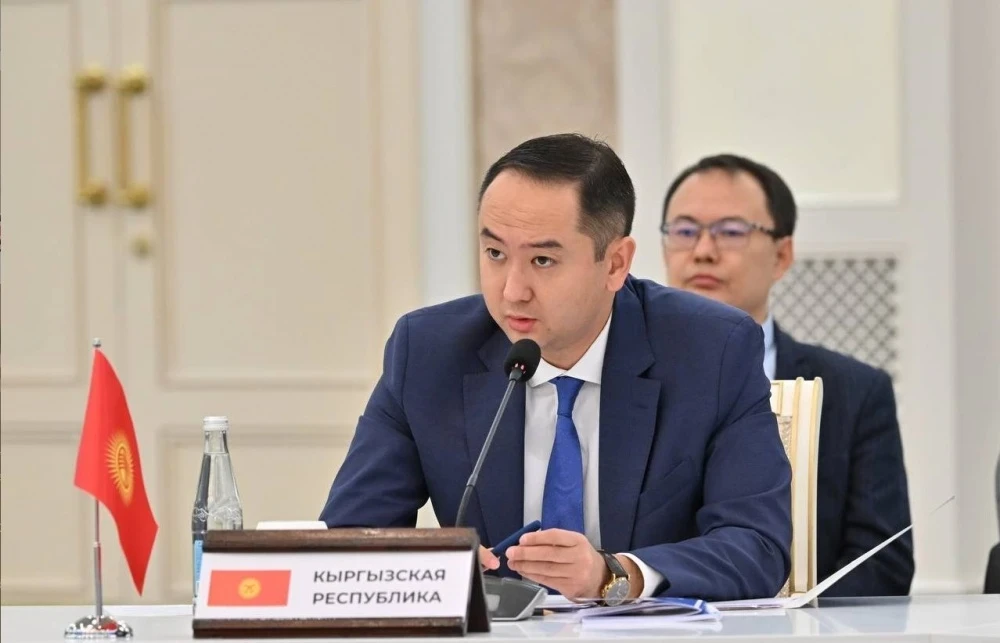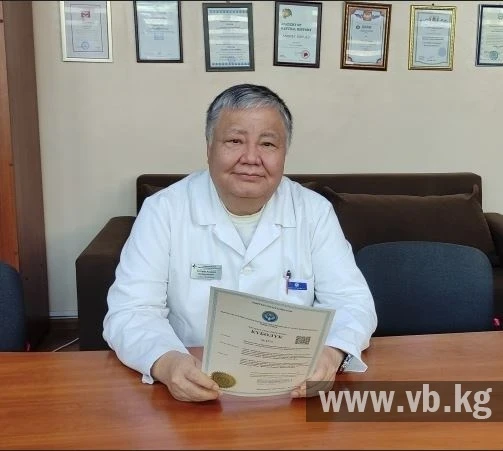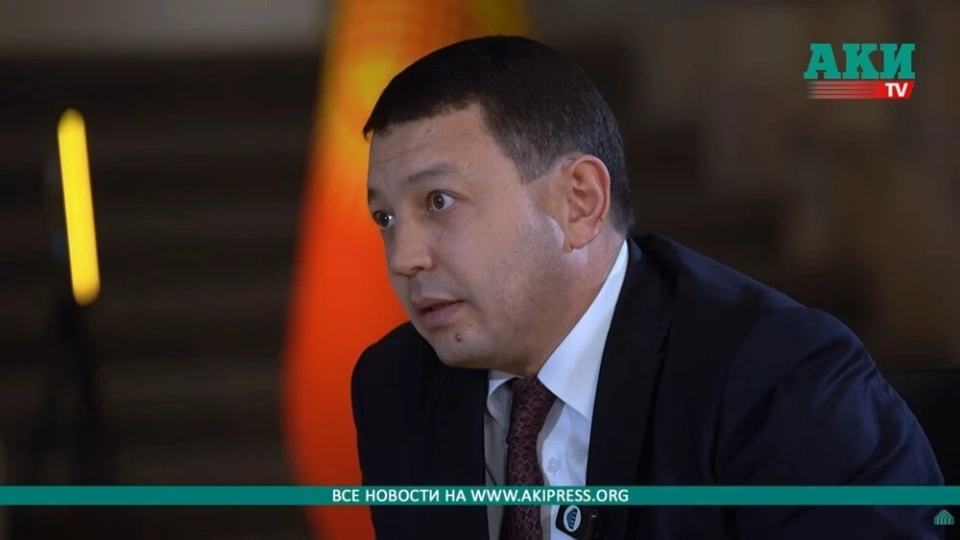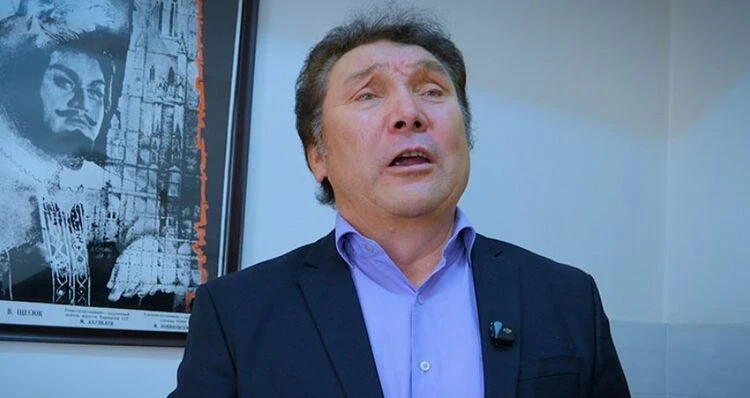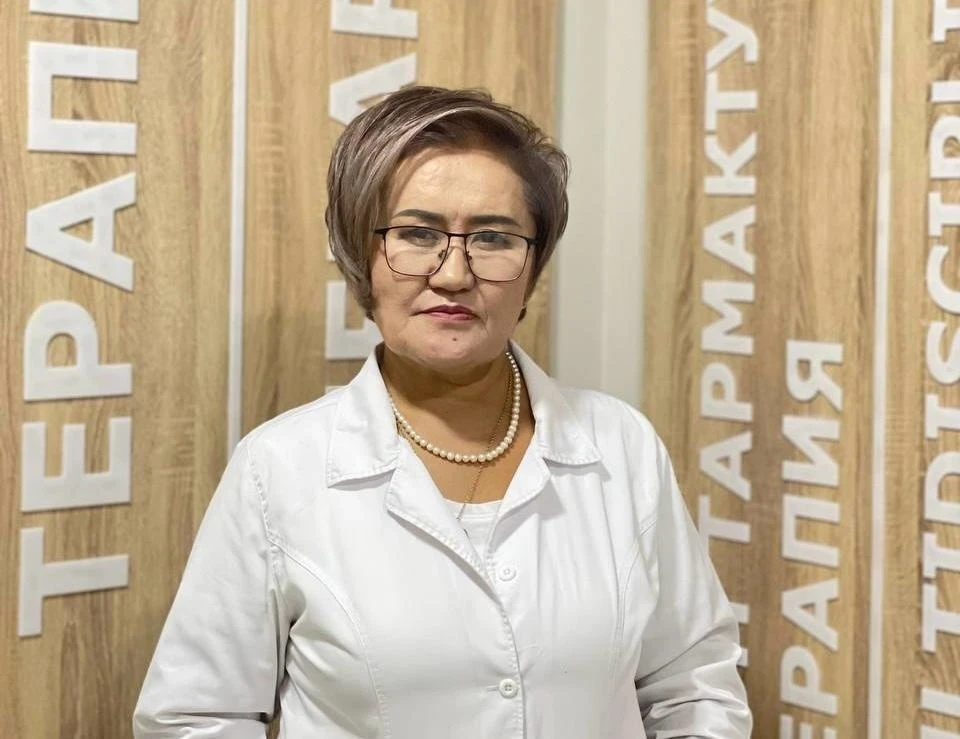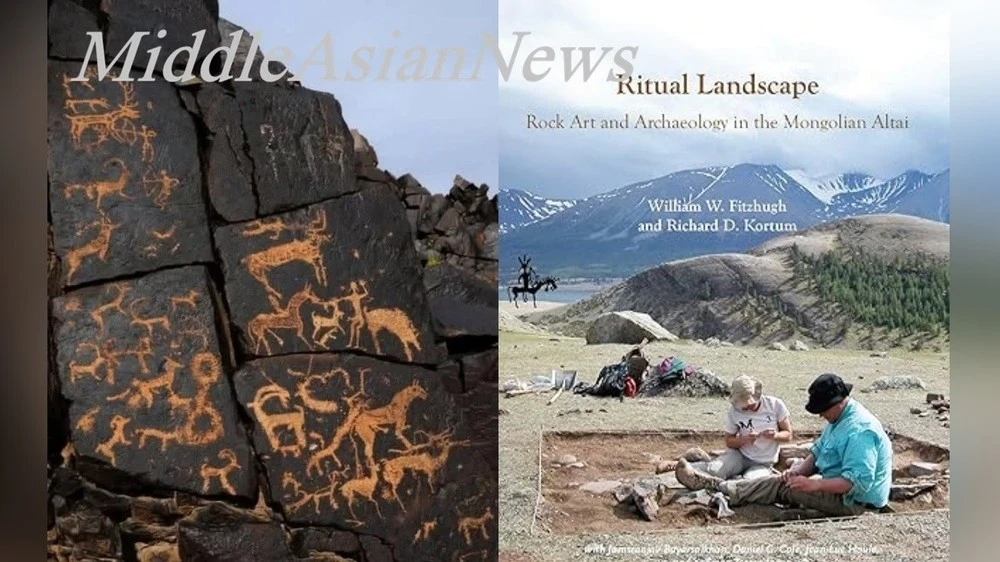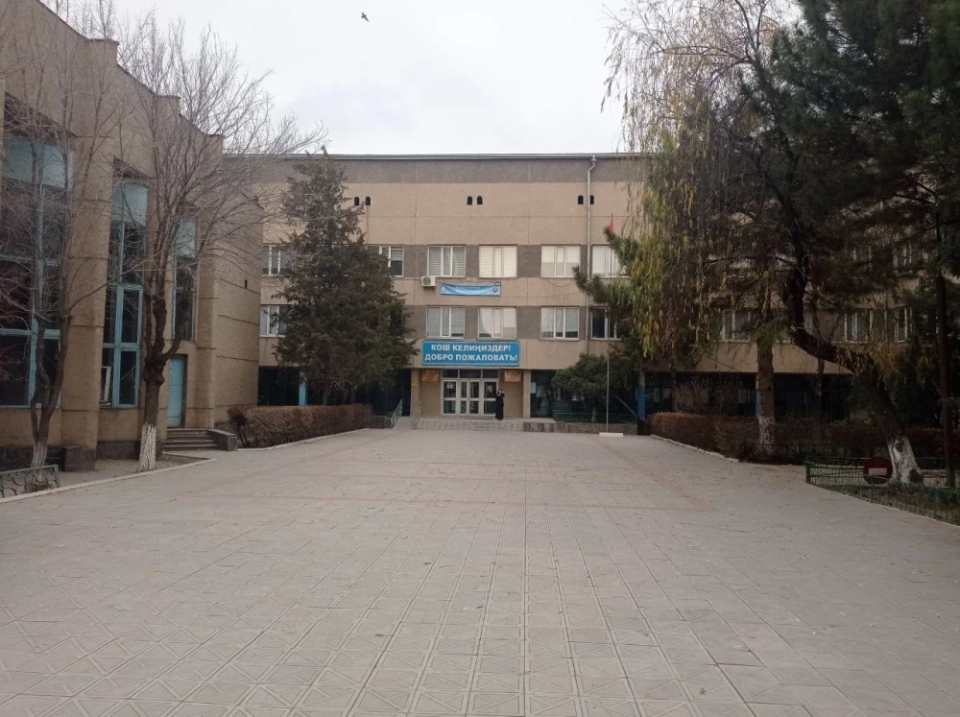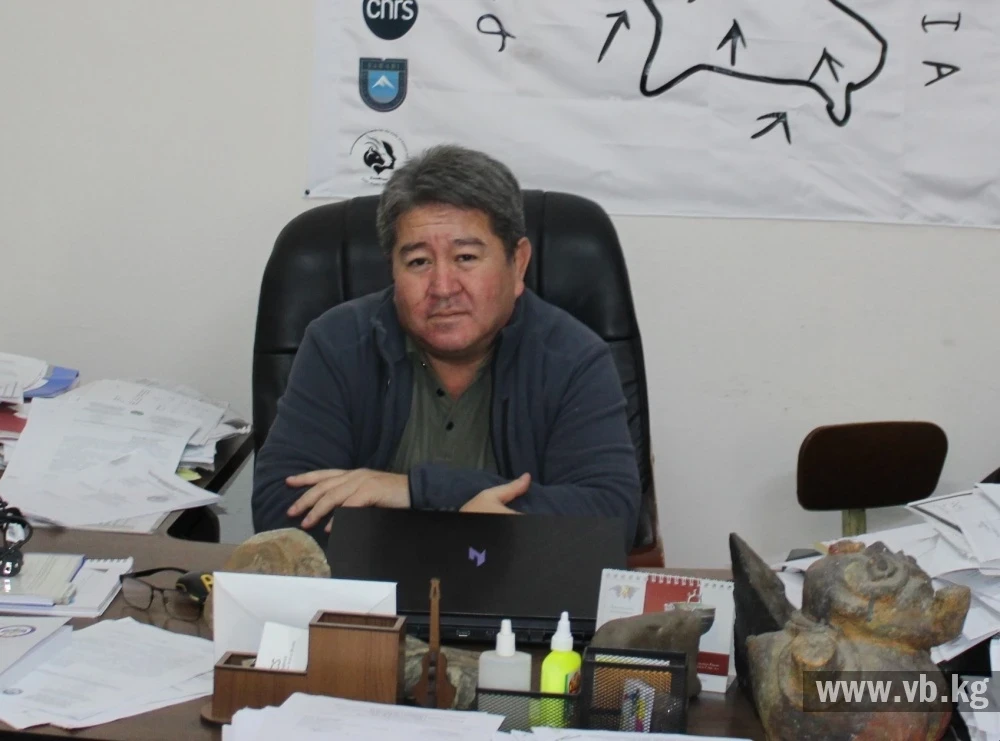
The Institute of History and Regional Studies is actively developing archaeology and the study of the cultural heritage of Kyrgyzstan, which is one of the most significant and complex areas of the humanities. The Department of Archaeology, Ethnology, Source Studies, and Historiography at the Jussup Balasagyn Kyrgyz National University prepares specialists with unique qualifications, conducts research within the country, and participates in international projects. In an interview with the publication VB.KG, the head of the department, Temirlan Charginov, shared information about the training of museum specialists, the prospects of archaeology, and the importance of preserving historical memory, including the memory of the Great Patriotic War.
- What are the main areas of work of the department?
- Our department covers four key areas: archaeology, ethnology, source studies, and museology. Each of these areas requires its own methodology and research traditions. A significant event for us was the first graduation of specialists in museology. This is a unique specialty in Kyrgyzstan, and there are no similar programs in other universities. We see that museums and exhibition centers need professionals who can work with collections, prepare exhibitions, and conduct scientific and educational activities.
Additionally, we have launched a bachelor's program in archaeology, which had no analogs either in the Soviet era or after the collapse of the USSR. This fills an important staffing gap, as archaeology requires systematic training and practical preparation.
- Why is such training becoming necessary?
- Currently, archaeological expertise is mandatory for most construction projects. The presence or absence of a cultural layer can determine the fate of objects: whether construction is permitted and what restrictions need to be considered. Previously, specialists were trained in large cities in Russia, but now it is important to develop our own scientific school.
In Kyrgyzstan, the number of qualified archaeologists capable of conducting full-fledged research is extremely limited, so the creation of new training programs for specialists is key to preserving our cultural heritage.
- How does the youth manifest itself in these fields?
- Interest in archaeology among the youth is growing. In the master's and doctoral programs, there are students who actively participate in scientific research, field expeditions, and work in laboratories. However, archaeology is not only an academic discipline; it also involves fieldwork, sometimes in challenging climatic conditions. Here, not only theoretical training is important, but also psychological readiness. A person must realize that they are facing real work, not the romantic images from movies.
- How archaeologically diverse is Kyrgyzstan?
- Kyrgyzstan is rich in monuments from various historical eras. The country is located at the crossroads of trade and cultural routes, which explains the diversity of archaeological cultures, from the Paleolithic to the Middle Ages.
For example, according to old estimates, Paleolithic finds date back 800–850 thousand years. New studies at the Yutash-Sai site in the Batken region confirm its significance. Another unique site is Sel-Unkur, which is the subject of international research.
It is important to note that in ancient times, state borders did not exist, and stone technologies spread over large distances, leading to similarities in monuments regardless of their location.
- What fieldwork has been conducted in recent years?
- We actively collaborate with Russian scientific institutions, such as the Institute of Archaeology and Ethnography of the Siberian Branch of the Russian Academy of Sciences, Moscow and Novosibirsk universities. For over ten years, we have been conducting joint research with French archaeologists, and we also work with Chinese colleagues and Czech specialists in the south of the country, researching settlement complexes.
A state program for the research and passporting of destroyed monuments has recently been launched, marking the first such project in the last thirty years.
For example, in the Kochkor district, hammam-type baths from the Karakhanid period were discovered — an extremely rare find for our country. Excavations of burial mounds from the early Iron Age and the Middle Ages were also conducted in the Chui region, and new research is being prepared in Issyk-Kul. At the same time, only 5–6% of Kyrgyzstan's cultural heritage has been studied, indicating enormous potential.
- How do international and multidisciplinary studies proceed?
- A team from fifteen countries worked at the Sel-Unkur site, allowing for the application of diverse research methods. In addition to archaeology, data from zoology, biology, paleontology, and traceology are used. We study not only artifacts but also natural conditions, climate, and the specifics of raw material extraction and processing, which helps to restore a more complete picture of the lives of ancient people.
- What difficulties arise in the profession of an archaeologist?
- It is a challenging job. Field conditions can be extremely difficult: heat, cold, rain, snow, and strong winds. All finds must be carefully documented, as the excavation process can damage the monument. Unlike "black" diggers, we create scientific reconstructions, document each layer, and create drawings and models.
Thus, we form a documented history that existed before the advent of written sources.
- What methods are used to determine the age of finds?
- The main methods include radiocarbon analysis, thermoluminescence dating, and uranium series methods. If there are organic materials, the analysis is faster and more accurate. Otherwise, soil and mineral structure are examined. Modern laboratories allow for highly accurate dating of finds.
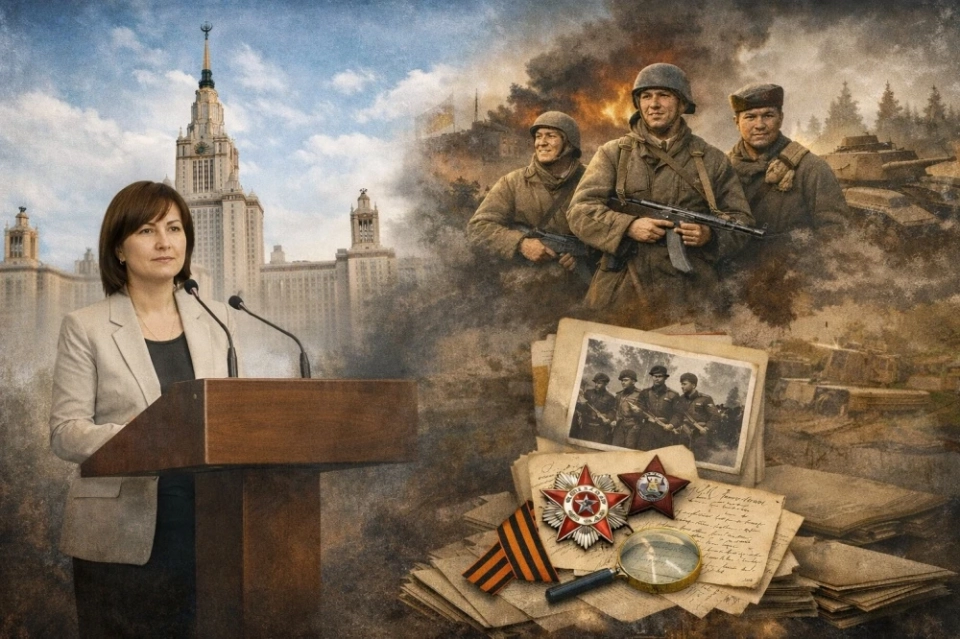
- How is the memory of the Great Patriotic War preserved in Kyrgyzstan?
- Almost every district and village has monuments dedicated to the victory over fascism and Nazism, which is one of the most enduring forms of memory. However, the level of their preservation varies: in some places, monuments are cared for, while in others, they remain unattended, depending on the material capabilities and responsibility of local authorities.
- How is the war perceived by older and younger generations?
- For the older generation, the memory of the war is very alive. They grew up alongside veterans and heard their families' stories, which created a cultural tradition of respect for their heroism. The perception among the youth is different. Modern values and the influence of a globalized lifestyle change their attitude. Young people feel that history is distant for them, and they focus on other interests, making the memory of the war less relevant. But this does not indicate indifference; they simply need a different approach to the narrative.
- What helps keep the topic of war in focus?
- First and foremost, it is museums and exhibitions. For example, the Historical Museum has a good reconstruction dedicated to Victory. Various concepts have been developed, and although a large exhibition involving Turkish specialists was modified, the museum retained materials about the war and Kyrgyzstan's role in the victory. Such exhibitions play a key role, as they present the war not as a set of dry dates, but as part of the country's overall history.
- What needs to be done to ensure that the memory of the war does not fade?
- It is important to strengthen human values and explain why the connection between generations matters. Young people should be shown that memory is not a formality, but the foundation for understanding society. Discussions about youth being "alienated" should not distract from the main point: they need an accessible language to explain historical events. Museums, school programs, and public projects help maintain a connection with the past.