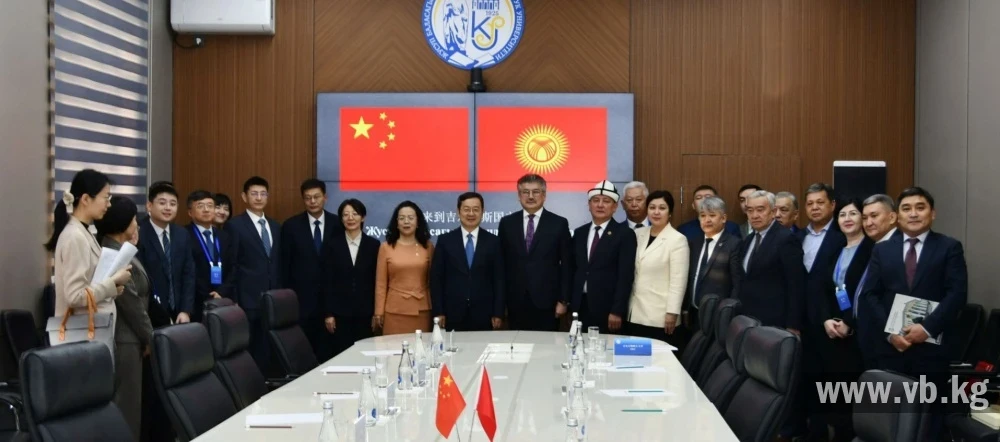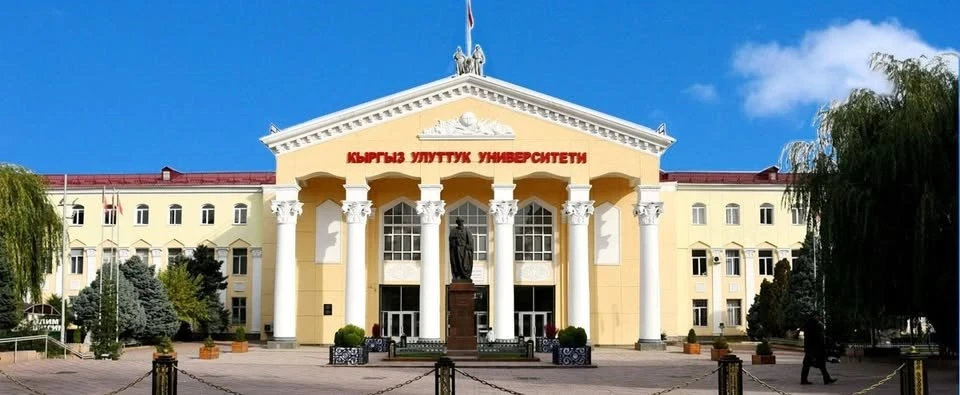
The collaboration between Altai State University and the Kyrgyz National University named after Jusup Balasagyn has become one of the most stable scientific projects in the Eurasian region. Within the framework of this interaction, scientific research, expeditions, forums are conducted, and a multi-volume publication "Chronicle of Turkic Civilization" is being prepared. Summer schools for graduate and master's students, the development of Altai studies and Turkology contribute to the formation of a unified scientific platform for the countries of Central Asia and Russia.
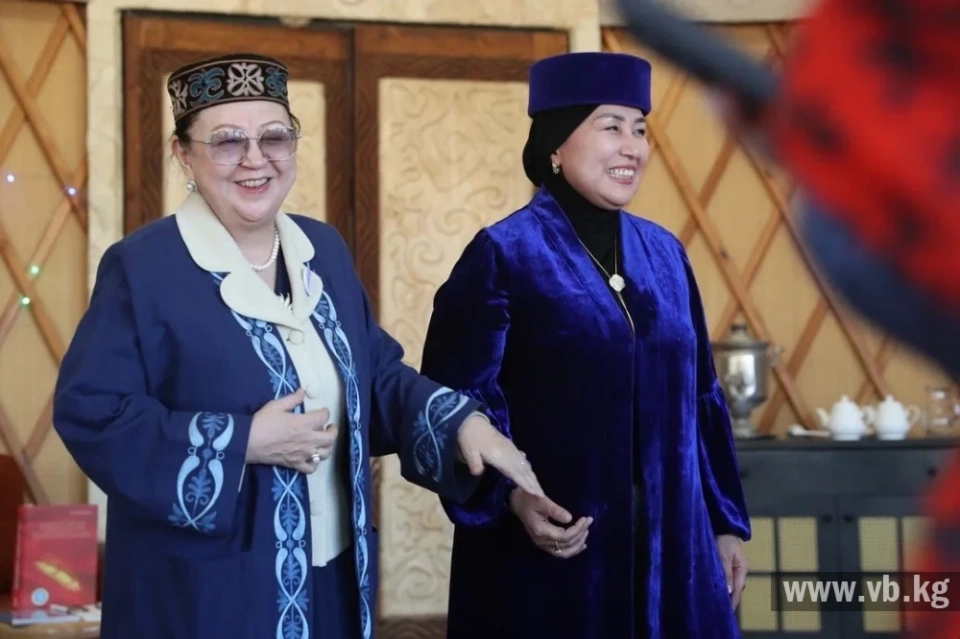
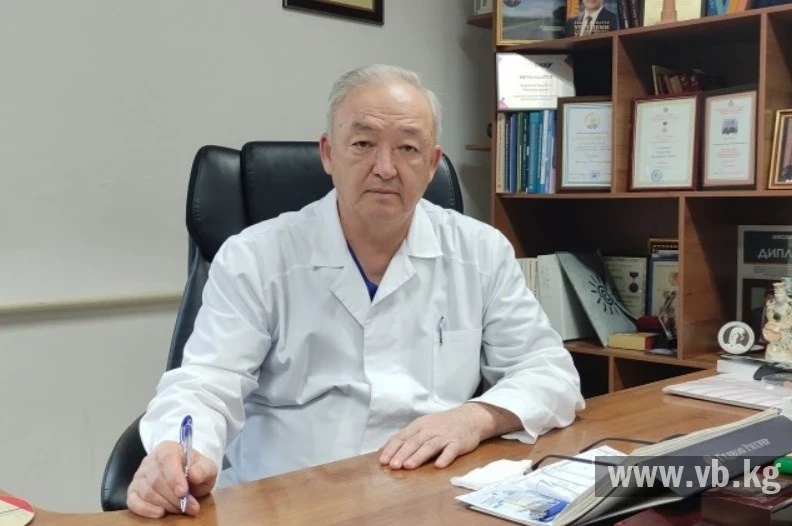
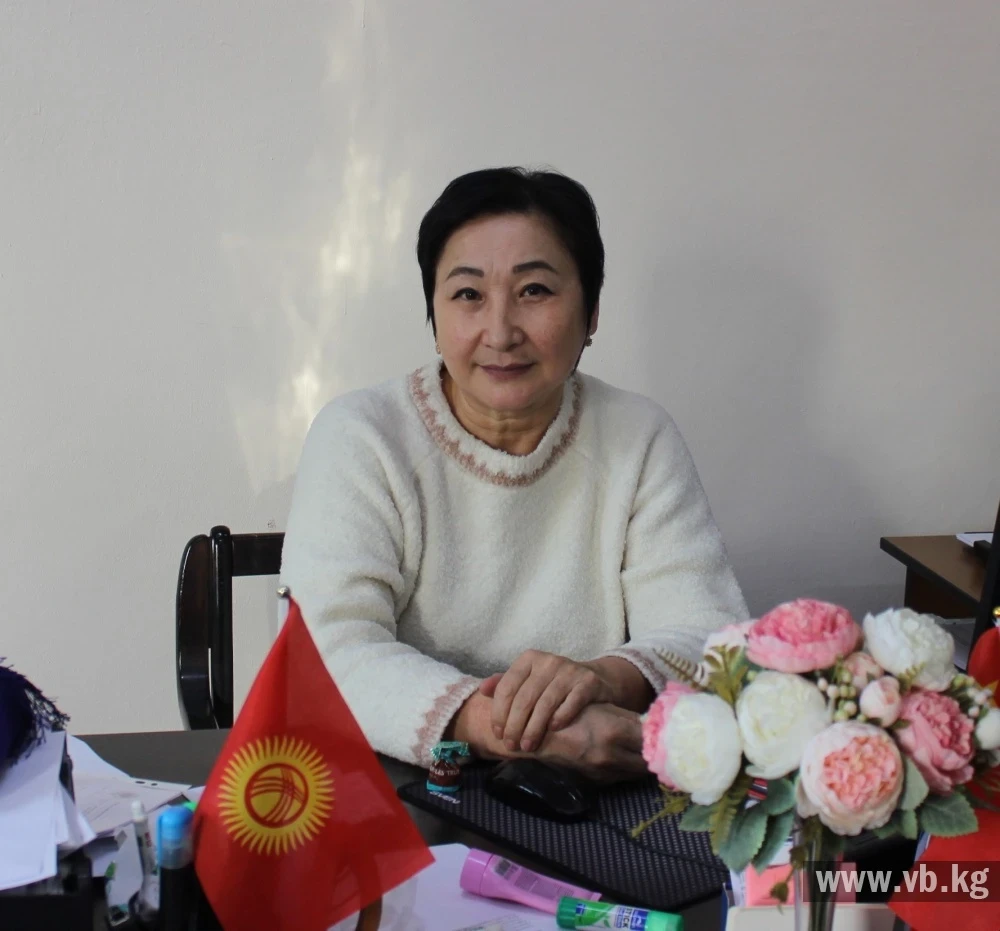
Omurova Jamykat Orozobekovna, Doctor of Historical Sciences and Professor, Head of the Department of Regional Studies and Kyrgyz Studies, as well as Director of the Altai Studies and Turkology Representation "Great Altai" at KNU named after J.Balasagyn, shared with VB.KG information about the progress of cooperation, implemented projects, and current research, emphasizing the strategic importance of work within the framework of "Great Altai".
- How did your collaboration with Altai State University begin?
- Our collaboration started in 2013 when a cooperation agreement in the educational and scientific spheres was signed. An agreement in the field of "regional studies" was also concluded, approving curricula. Initially, the focus was on training master's students in this field.
In 2017, an international forum on "Altai Civilization and the Peoples Speaking Altai Languages" was held in Kyrgyzstan, organized by the "Muras" foundation. The participation of scholars from different countries, including representatives from Altai State University, demonstrated the high significance of Altai studies and provided an impetus for deepening scientific cooperation.
- What scientific projects have been implemented within the framework of this cooperation?
- In 2019, a scientific project "The Turkic World of the Great Altai: Unity and Diversity in History and Modernity" was launched, covering six areas: historical research, ethnography, archaeology, jurisprudence, philology, and media space. Specialists from our university were involved in this project, despite the challenges posed by the pandemic in 2019-2020. Since 2021, we have started conducting joint expeditions in Kyrgyzstan and the Republic of Altai, and the collaboration continues to this day, yielding positive results from the expedition work.
– How were international forums organized within the project?
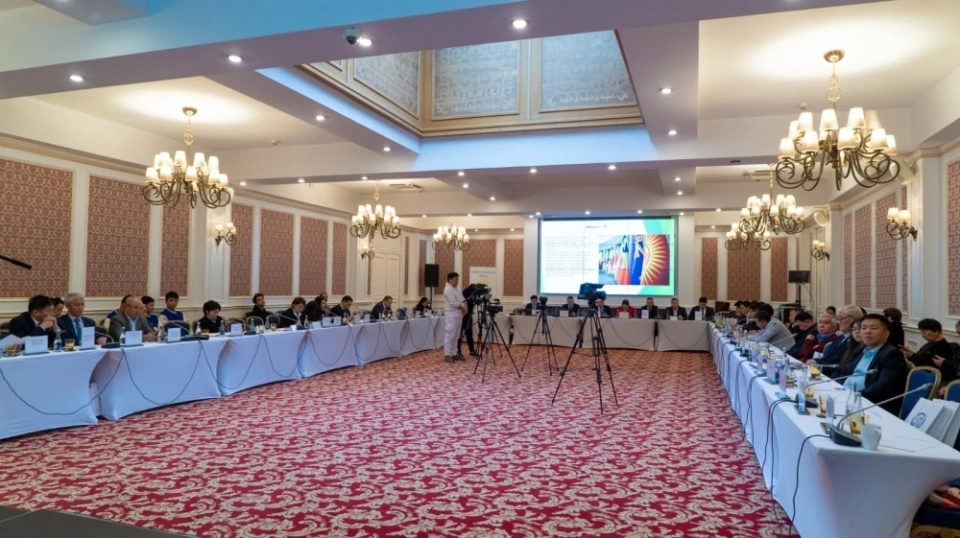
- It was decided to hold scientific forums every two years within the project. The first forum took place in 2021, followed by meetings in 2023 and 2025. The last forum discussed the multi-volume publication "Chronicle of Turkic Civilization." The first volume was released in 2023, and the second in 2025, covering various historical periods. Currently, we are working on the third volume, which will be dedicated to the 18th–19th centuries.
- How has the cooperation changed after the initial years?
- The cooperation has significantly expanded. While in 2019 it only involved Kyrgyzstan and Russia, now the project covers the entire Central Asian region, including Uzbekistan, Kazakhstan, and Mongolia. Scholars from Azerbaijan, Turkey, and Hungary also periodically join. Russia remains the main partner, but the geography of the project has significantly increased, involving countries from the entire Eurasian region.
- How are conferences organized within the project?
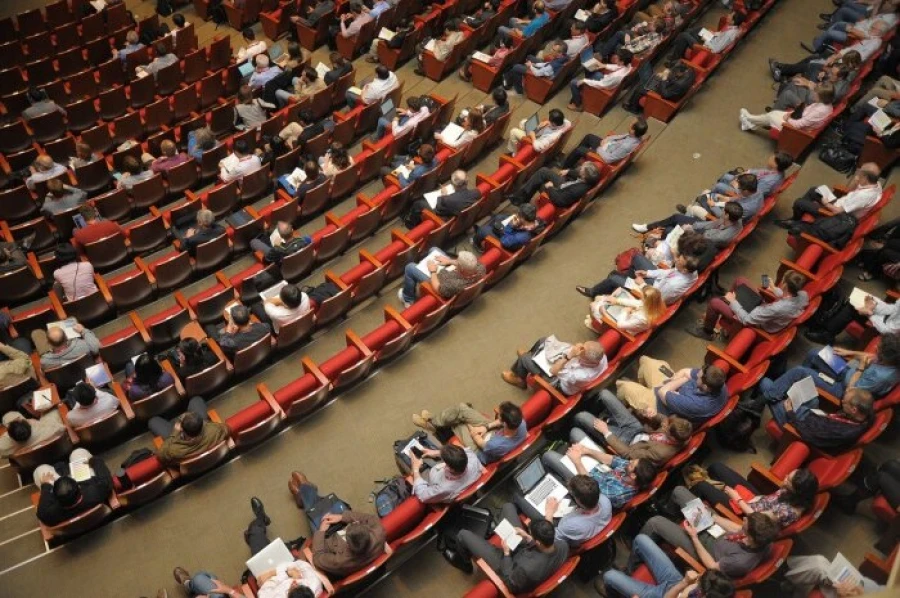
- In 2023, we held the first international conference at the Kyrgyz National University named after J.Balasagyn, dedicated to "Political, Socio-Economic, and Ethno-Cultural Processes in Eurasia during the Medieval Period," coinciding with the opening of our representation of the National Research Center for Altai Studies and Turkology "Great Altai." Conferences are now held annually, and in 2024 and 2025, we will organize them at KNU, while this year we plan to hold one in Samarkand.
Three international conferences have been held at the representation, as well as several ethnographic and archaeological expeditions.
- What are the directions of the expeditions within the project?
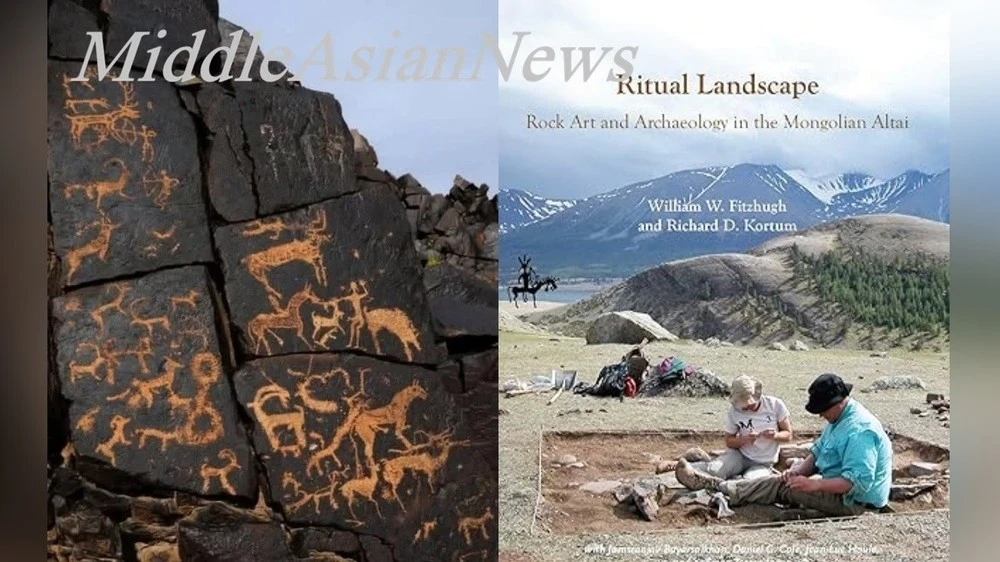
- Expeditions, both ethnographic and archaeological, initially took place in Kyrgyzstan, then in the Republic of Altai, and now they also cover Uzbekistan. Archaeological work is conducted annually in the summer, yielding high scientific results. Our archaeologists work alongside colleagues from Altai State University, allowing for the collection of reliable scientific data.
- What is the role of youth in the project?
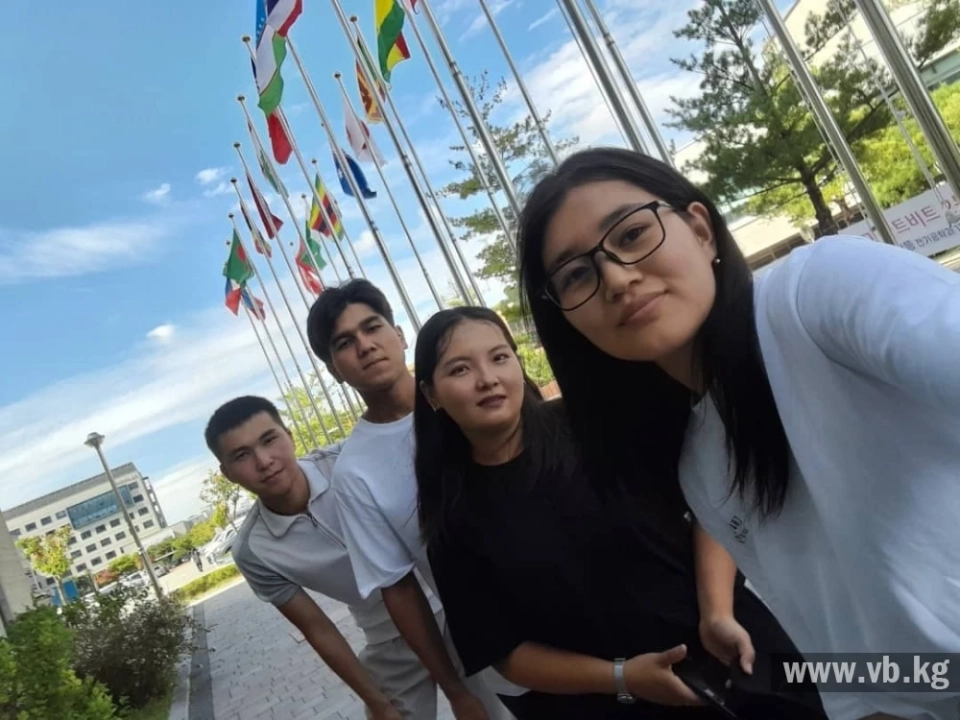
- Youth plays a central role in this project. Every year, summer schools are held where students from Kyrgyzstan, Russia, and Kazakhstan participate. There is a section for young researchers at the forums where they can present their work. This is important for forming a new generation of specialists who will continue the research of Turkic civilization and the Altai space.
- What research is being conducted on the connection between the Kyrgyz and Altai?
- This is one of the main areas of our research. There are hypotheses that the historical homeland of the Kyrgyz is connected to Altai. During the first forum at Altai State University, we noticed a striking similarity between the Altai and Kyrgyz languages, which allowed for easy mutual understanding. Ethnographic studies confirm this, showing that many traditions and cultural elements have been preserved in this region. Archaeological excavations also provide new data that help establish in which historical periods the Kyrgyz lived in this territory and how they conducted economic activities, creating a serious evidential base.
– What experience have you gained from Altai State University?
- From Altai State University, we have primarily adopted the experience of a comprehensive approach to interdisciplinary research. Within the framework of the "Great Altai" project, historians, archaeologists, ethnographers, philologists, and media specialists work in a unified team. This approach has proven effective and has yielded real scientific results.
We have also adopted the experience of preparing large collective scientific publications, such as the multi-volume "Chronicle of Turkic Civilization," where editing, peer review, and international co-authorship are clearly organized. Equally important is the experience of working with young scientists: Altai University actively involves master's and doctoral students in real scientific projects, which we successfully apply. These aspects have significantly raised the level of our cooperation and strengthened scientific ties.
The collaboration between KNU named after J. Balasagyn and AltSU in recent years has become an example of successful interaction in the educational and scientific spheres, contributing not only to the development of research but also to strengthening cultural and academic ties between the countries of the region.
The "Great Altai" project represents not just inter-university cooperation, but a full-fledged intergovernmental project aimed at integration and the development of international interaction.