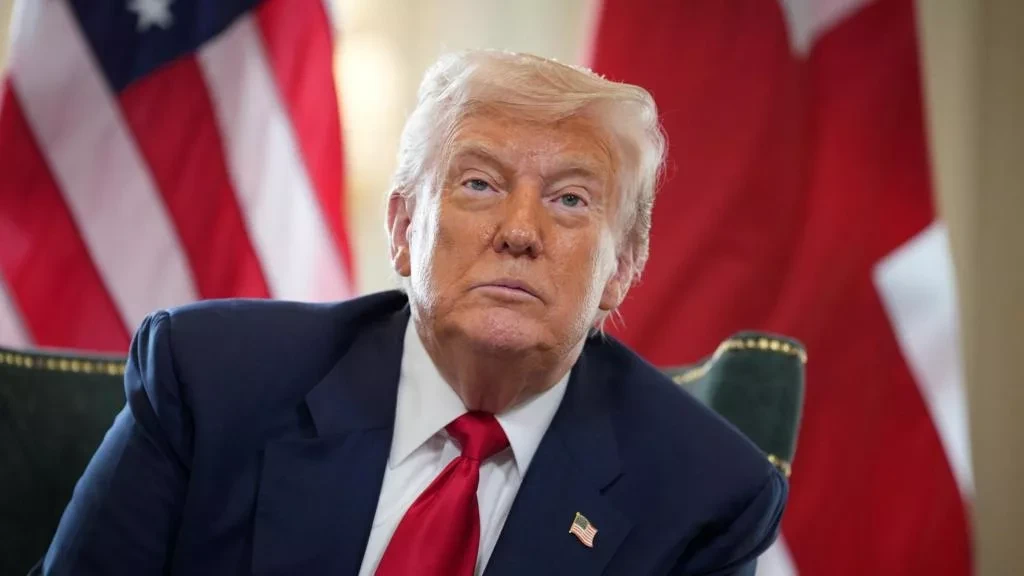
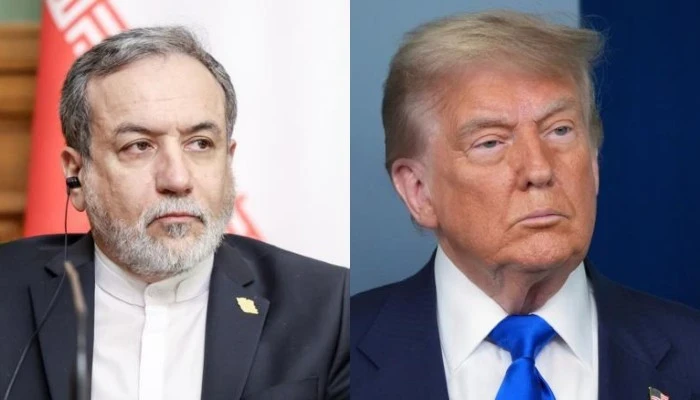
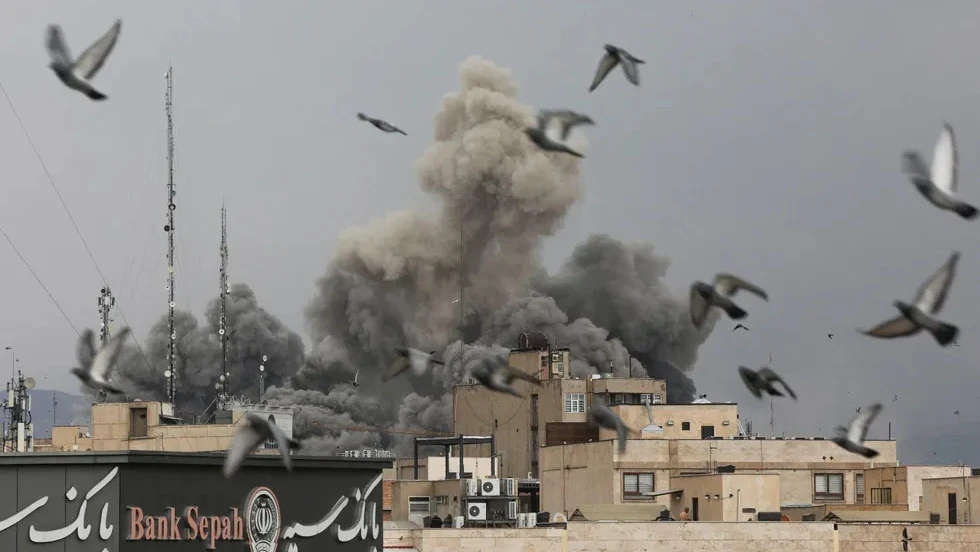
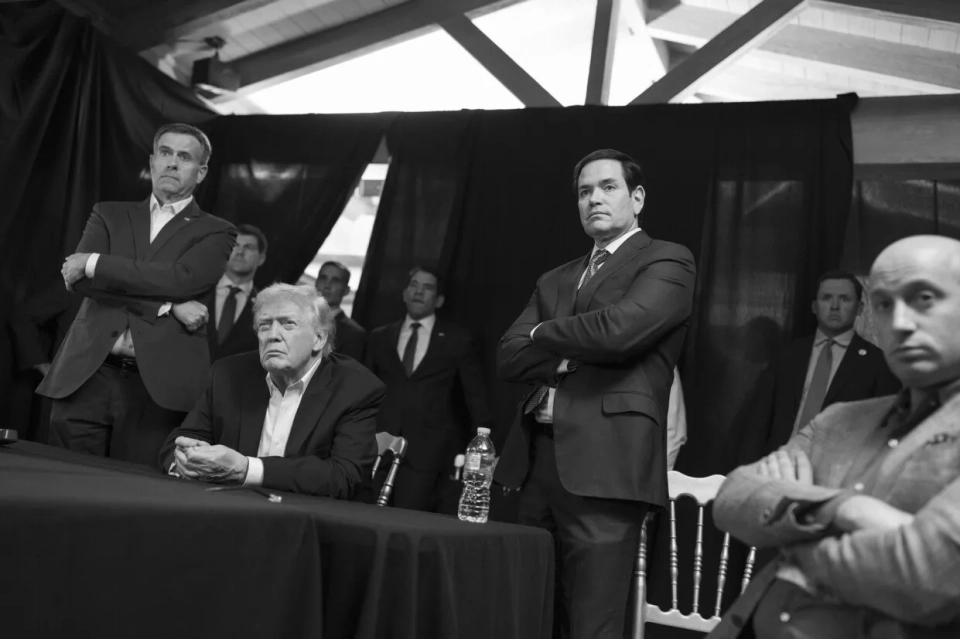
Recently, the White House announced the start of a "significant military operation" in Iran, clarifying that it should not be called a war.
The main objectives of the operation were outlined:
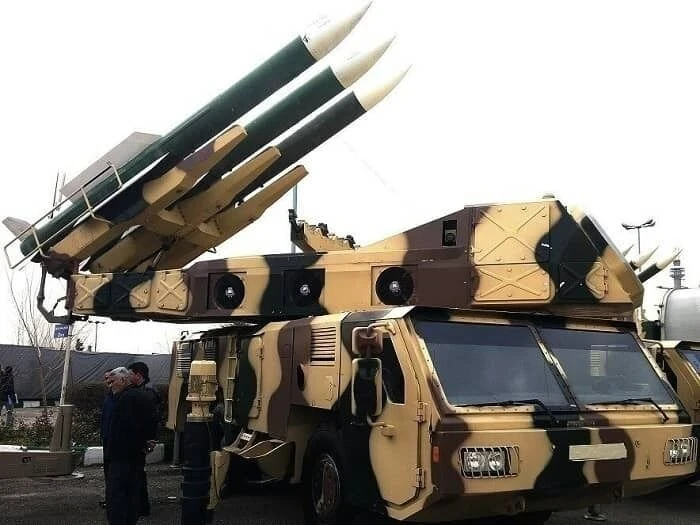
▫️To eliminate Iran's missile capabilities and effectively destroy its missile industry.
▫️To strike at naval forces.
▫️To ensure that armed groups supported by the regime cannot destabilize the situation in the region and the world, nor threaten American forces.
▫️To prevent Iran from acquiring nuclear weapons.
Additionally, Republicans in Congress were advised to avoid using the word "war" in relation to current events, instead referring to it as a "significant military operation."
According to NBC News, prior to strikes on Iran, the U.S. reduced the number of its military personnel at bases in the Middle East.
The publication reports that in the weeks leading up to the operation, the Pentagon conducted a troop redistribution, sending some military personnel on temporary assignments to other areas of the region and beyond.
It is noted that this was not an evacuation, but a planned reduction of presence aimed at minimizing potential losses in the event of retaliatory attacks.
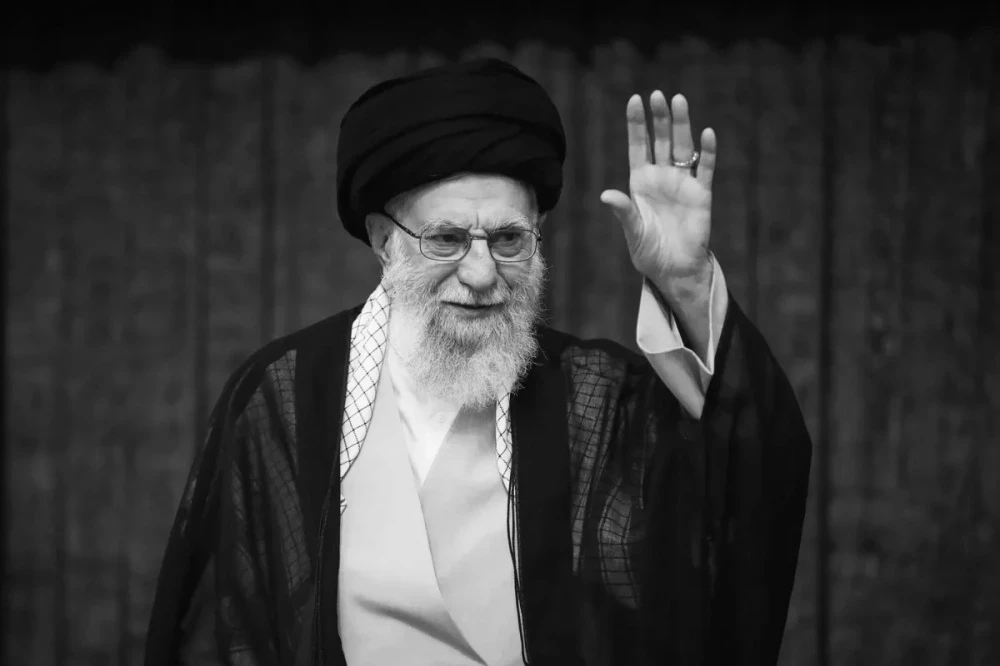
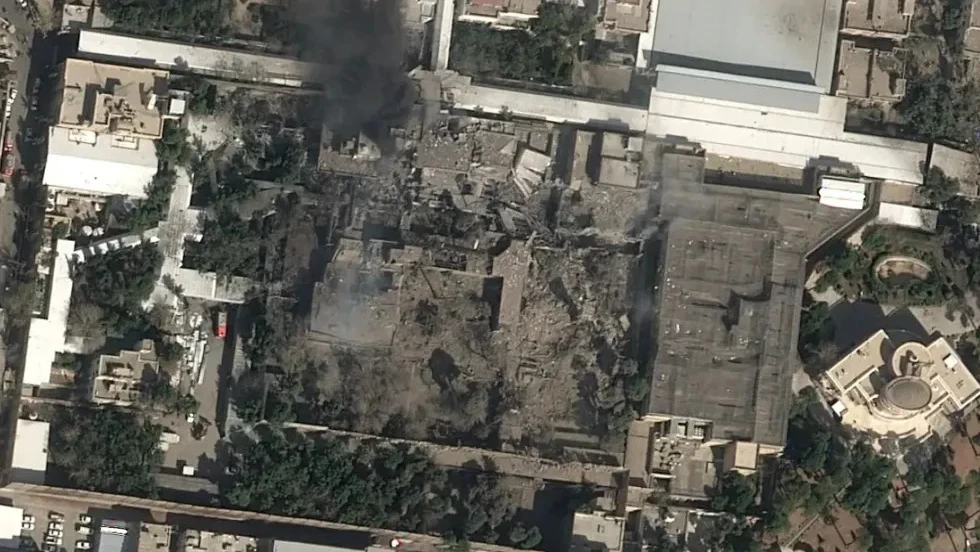
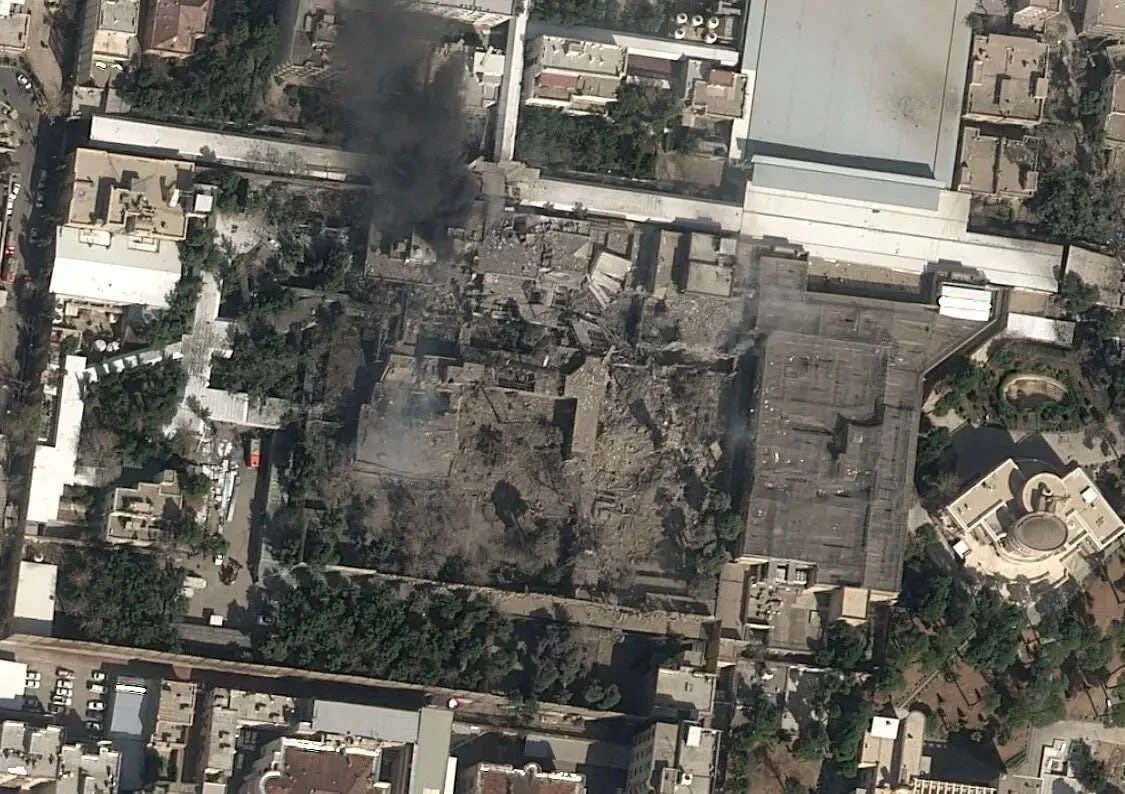
According to Tasnim, a missile attack occurred in Qom on the office of the Council of Experts, which selects Iran's supreme leader.
The building is believed to have been almost completely destroyed.
Israeli Channel 12 reported on the aftermath of the strike on the Council of Experts in Qom.
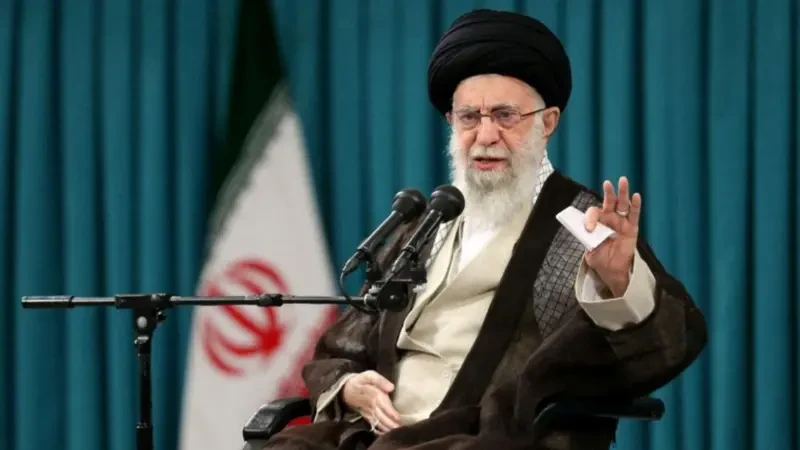
Local resources are publishing videos from the scene. It is claimed that the attack occurred at the moment when 88 council members gathered to vote on the succession of Khamenei.
Iranian state television reported that the participants of the meeting were evacuated in advance, so there were no casualties.
According to CBS News, in Kuwait, a "hardened" U.S. tactical center turned out to be a trailer with a concrete fence.
After the Iranian drone attack, six American servicemen were killed, the publication reports.
U.S. Secretary of Defense Pete Hegseth previously claimed that the strike was carried out with powerful weaponry, and the air defense forces were unable to cope. He also noted that the building was fortified.
However, three American military officials told CBS News that this "building" was actually a converted office trailer, and the only fortifications were concrete walls that could not protect against an overhead strike.
Qatar and Saudi Arabia detained Mossad agents planting bombs on their territories.
This was reported by the official representative of the Iranian Foreign Ministry, Esmail Baghaei:
"I have repeatedly warned about 'false flag operations.' Anyone who thinks they are successfully drawing America into conflict with Iran — for the second time — will certainly not refrain from any villainy."
Earlier, Tasnim, citing an Iranian military expert, reported that strikes on Saudi Aramco facilities were carried out by Israel "under a false flag" to divert attention.
A war with Iran could revive discussions in the EU regarding Russian gas, Reuters points out.
"The EU has made it clear that it aims to rid itself of Russian oil and gas, but the recent events have been complicated," said Norway's Minister of Energy Terje Aasland at a conference in Oslo. "Given the current geopolitical situation, I think discussions will resume," he added.
Last month, EU countries finally approved a ban on gas imports from Russia by the end of 2027. Norway, the largest gas producer in Europe, meets about 30% of demand and supplies about 20% of oil to the continent.
Experts believe that the conflict in Iran will weaken Ukraine's vital air defense systems, Bloomberg reports.
The increase in demand for anti-aircraft missiles from Gulf countries facing Iranian attacks may lead to a reduction in resources for Ukraine, and U.S. arms supplies to Kyiv may slow down in the event of a protracted war in the Middle East.
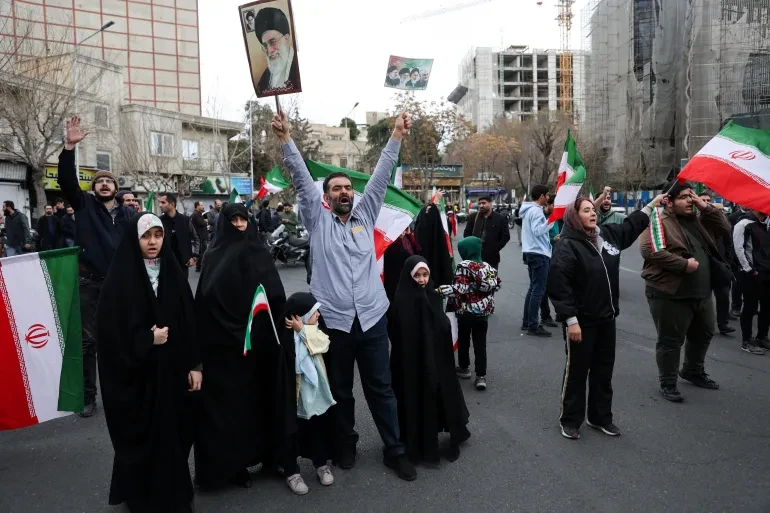
Putin, under investigation by the International Criminal Court for war crimes in Ukraine, condemned the assassination of Iran's supreme leader Ayatollah Ali Khamenei as a "cynical violation of all norms of human morality and international law" in his Sunday statement, avoiding direct accusations against Israel and U.S. President Donald Trump. On Monday, in talks with Gulf leaders, including Saudi Arabia, Qatar, Bahrain, and the UAE, he called for an immediate cessation of hostilities.
Against the backdrop of stagnation in combat operations in eastern and southern Ukraine, Russia has intensified missile and drone attacks on energy infrastructure amid the coldest winter in years, attempting to undermine Ukraine's resilience. Ukrainian President Volodymyr Zelensky has repeatedly appealed to allies for increased supplies of anti-aircraft missiles for defense against attacks. On Monday, he warned that a protracted conflict in the Middle East "will undoubtedly affect the supplies" of such weapons to his country. He also offered assistance in strengthening defenses against Iranian drones during a conversation with UAE President Sheikh Mohammed bin Zayed.
The assassination of Khamenei marked the third strategic blow to the Kremlin in less than 18 months following the overthrow of Syrian President Bashar Assad and the capture of Venezuelan leader Nicolás Maduro by American troops. The communist government of Cuba is also struggling to withstand U.S. economic pressure, receiving only minimal assistance from Moscow. These setbacks amplify the erosion of Russia's influence in neighboring countries since the start of the war in Ukraine, as concerned former Soviet republics in the Caucasus and Central Asia have begun to turn to the U.S., China, the EU, and Turkey to strengthen ties. The weakening of another Kremlin ally is a blow to Putin; however, rising energy prices may help alleviate pressure on the Russian budget deficit and enhance funding capabilities for the war to achieve goals in Ukraine.
The Chinese Foreign Minister expressed protest against the attacks on Iran in a phone call with his Israeli counterpart.
Chinese Foreign Minister Wang Yi informed his Israeli counterpart Gideon Saar of Beijing's position against military strikes on Iran, according to state media.
China, a close ally of Tehran, called for a ceasefire and condemned the assassination of Iranian Ayatollah Ali Khamenei as a "serious violation."
During the conversation with the agency, Saar, Wang did not directly condemn Israel's actions and stated that China supports resolving issues through "dialogue and consultations," as reported by the state news agency Xinhua.
"Recent negotiations between Iran and the U.S. clearly yielded positive results... Unfortunately, this process was interrupted by confrontation," Wang noted.
Confirming Beijing's disagreement with U.S.-Israeli military actions, Wang added: "Force cannot solve problems. It will only create new problems and lead to serious consequences."
"China calls for an immediate cessation of military actions to avoid further escalation of the conflict and the situation getting out of control," he concluded.
The record "Not a War? The White House Announced the Start of a 'Major Military Operation' in Iran. What Else Happened?" first appeared on K-News.