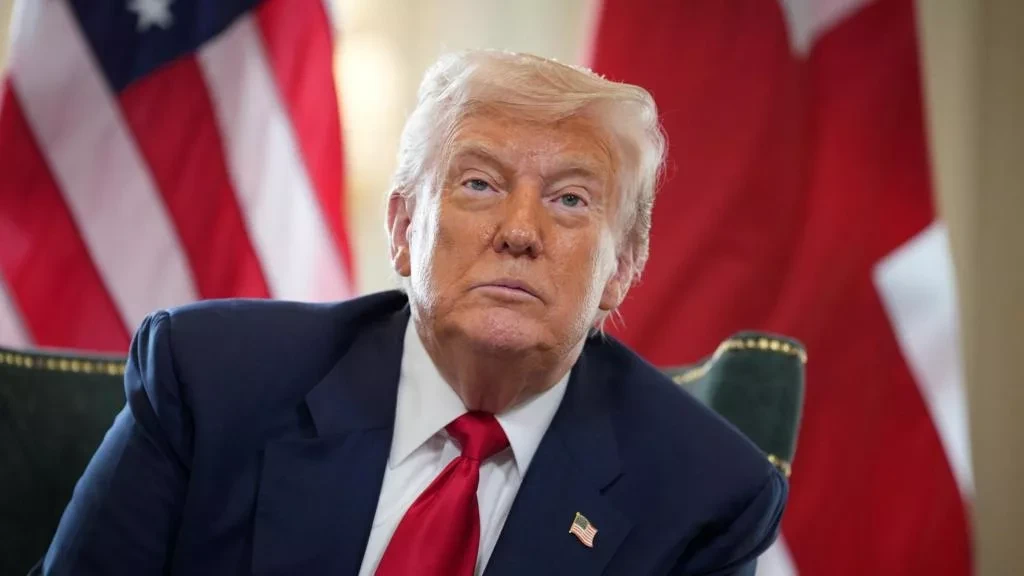
In a phone interview with NBC News, U.S. President Donald Trump expressed a desire to completely change the leadership of Iran. He also mentioned that he has several candidates for the role of a "suitable leader" for the country.
“We are striving to clear everything,” Trump stated. “We do not want the country's restoration to drag on for decades. We need a good leader, and we have several people who could handle this task,” he added.
Although he did not name specific individuals, Trump noted that the U.S. is taking measures to ensure the safety of these people. “Yes, we are keeping an eye on them,” he emphasized.
In the interview, Trump also noted that U.S. troops are currently not planning an invasion of Iran.
“That would be a waste of time. They have lost everything – their fleet and all other resources,” he said, adding that U.S. and Israeli strikes will continue at the same pace and with the same intensity.
“We had no choice. They were going to strike us if we didn’t act first, because they are not in their right mind,” the president noted.
Other statements:
— In the long term, our actions will significantly increase stability in the region and also affect oil prices and the stock market;
— As soon as they launch a missile, a strike on the launch pad is carried out within four minutes;
— Iranian missiles have been destroyed by 60%, launch pads by 64%;
— I rebuilt the army in my first term, and now we are using it more than I would like;
— The U.S. will ensure that whoever rules Iran does not pose a threat to America, Israel, or anyone else;
— Cuba is very interested in making a deal, you can’t even imagine.
— As soon as they launch a missile, a strike on the launch pad is carried out within four minutes;
— Iranian missiles have been destroyed by 60%, launch pads by 64%;
— I rebuilt the army in my first term, and now we are using it more than I would like;
— The U.S. will ensure that whoever rules Iran does not pose a threat to America, Israel, or anyone else;
— Cuba is very interested in making a deal, you can’t even imagine.
In Washington, the question of a possible "Venezuelan solution" by Trump for selecting the next leader of Iran has been raised multiple times, as reported by the BBC.
Typically, the appointment of the Supreme Leader of the Islamic Republic is carried out by the Assembly of Experts. However, Trump has made it clear that he intends to participate in this process.
In an interview with Axios, he ruled out the possibility of cooperating with the son of the late Supreme Leader, 56-year-old Mojtaba Khamenei, saying that “they are wasting their time. Khamenei's son is lightweight.” Trump added, “I need to be involved in the appointment process, as was the case with Delcy [Rodriguez] in Venezuela.”
From the perspective of the Trump administration, an important advantage of Delcy Rodriguez was her willingness to end the military conflict with Venezuela, which led to the overthrow of Nicolás Maduro in early January.
This also allowed the U.S. to gain control over significant oil reserves in Venezuela.
However, comparing Venezuela to Iran is not entirely accurate, as both countries and their governments are significantly different.
While the Trump administration seems satisfied with cooperation with the remnants of Maduro's regime, it is hard to imagine his active participation in appointing a new leader of the Islamic theocracy.
Brief overview of recent events:
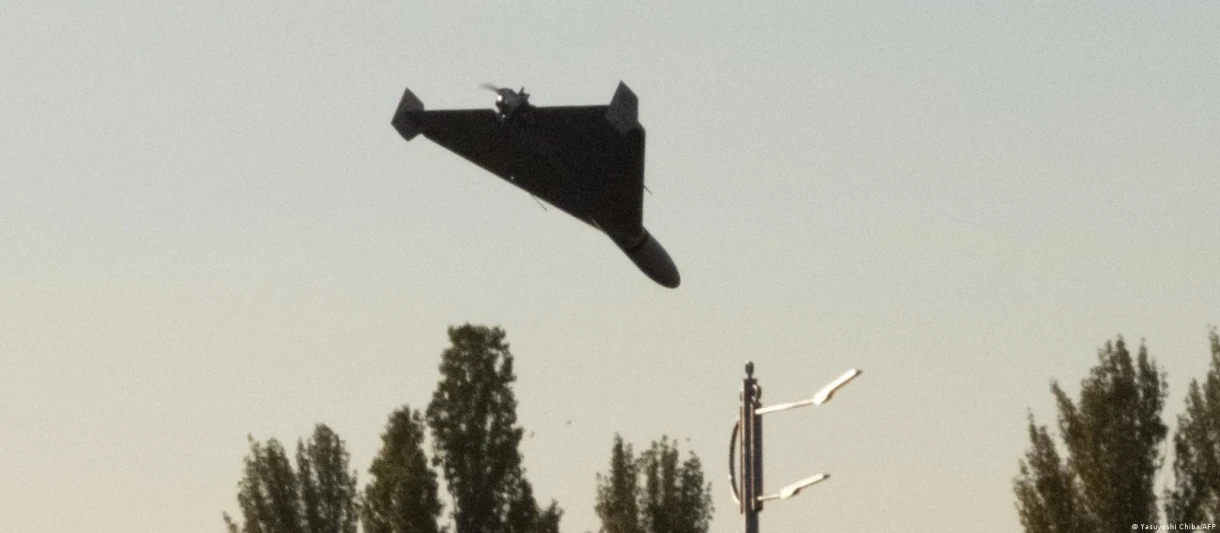
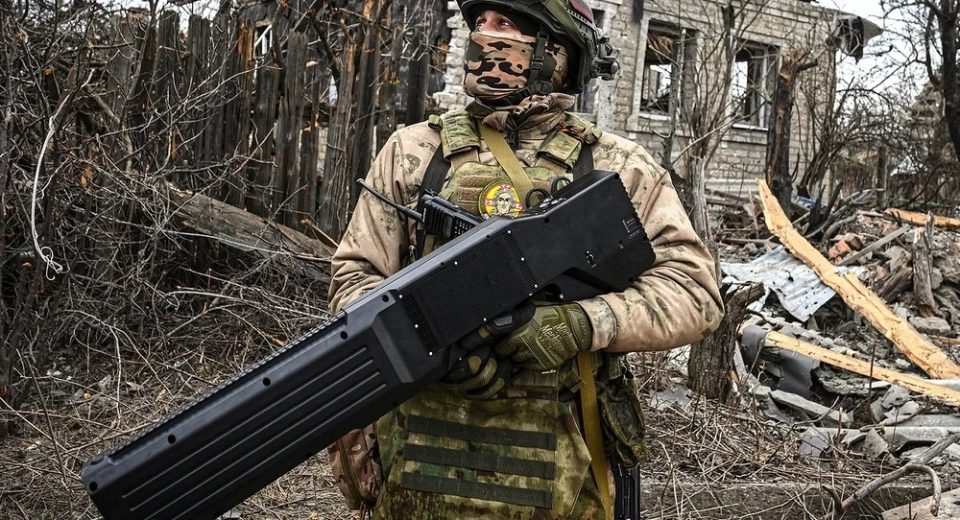
- At a briefing at U.S. Central Command, Defense Secretary Pete Hegseth announced an upcoming increase in U.S. firepower against Iran, as well as ongoing strikes against Iranian drones and missile systems.
- He noted that the U.S. could continue its operation at any moment and that a number of allies are also providing assistance.
- Hegseth also added that U.S. President Trump will have “significant influence” on the future leader of Iran, while Trump himself previously stated that he would “have to participate” in this process.
- Meanwhile, reports of explosions are coming from Beirut; Bahrain reported an Iranian attack on a hotel and residential buildings;
- Qatar reported intercepting a drone attack on a U.S. base.
“Hezbollah” calls for Israelis to evacuate from border areas.
“Hezbollah” warned Israelis to evacuate from cities within 5 km of the border with Lebanon, as reported by Reuters. The warning was disseminated in Hebrew on a Telegram channel early Friday morning.
“The aggression of your army against the sovereignty of Lebanon and the safety of its citizens will not go unanswered,” said “Hezbollah.”
Israeli military forces began a series of attacks on Lebanon late Thursday evening, urging the population to leave the southern suburbs of Beirut, which are a stronghold of “Hezbollah.”
Recently, the Israel Defense Forces also reported the beginning of a “large-scale wave of attacks on the infrastructure of the Iranian terrorist regime in Tehran.”
Summary:
- The UAE is considering freezing Iranian assets worth billions of dollars, according to The Wall Street Journal.
- According to Trump, Iran will need at least 10 years to recover from U.S. and Israeli strikes.
- Iran attacked the Ali Al-Salem airbase in Kuwait, resulting in 67 Kuwaiti military personnel being injured, two of whom were hospitalized, according to the spokesperson for the Kuwaiti Ministry of Defense.
- Iran also attacked a U.S. military base in Abu Dhabi, near Zayed International Airport, agencies report.
The Iranian Foreign Minister Araghchi stated that Russia and China are providing Iran with assistance “politically and in other ways.”
When asked about military support following U.S. and Israeli strikes, he noted that military cooperation with Russia and Asia “is not a secret.” “We have worked together in the past, and this will continue,” Araghchi added.
When a journalist clarified whether this means assistance in current conflicts, he replied that “assistance has always been there,” but did not disclose details.
In an interview with NBC, Iranian Foreign Minister Abbas Araghchi stated that the country is prepared for a possible ground invasion by U.S. troops.
Analysts suggest that the U.S. may escalate military actions against Iran in the coming days; however, it is unclear whether this will include the deployment of ground troops to overthrow the regime in Tehran.
According to Reuters, U.S. military investigators believe that U.S. troops may be responsible for the attack on an Iranian girls' school, resulting in the deaths of 165 children.
According to Reuters, the investigation into the incident is ongoing, and no final conclusions have been reached yet.
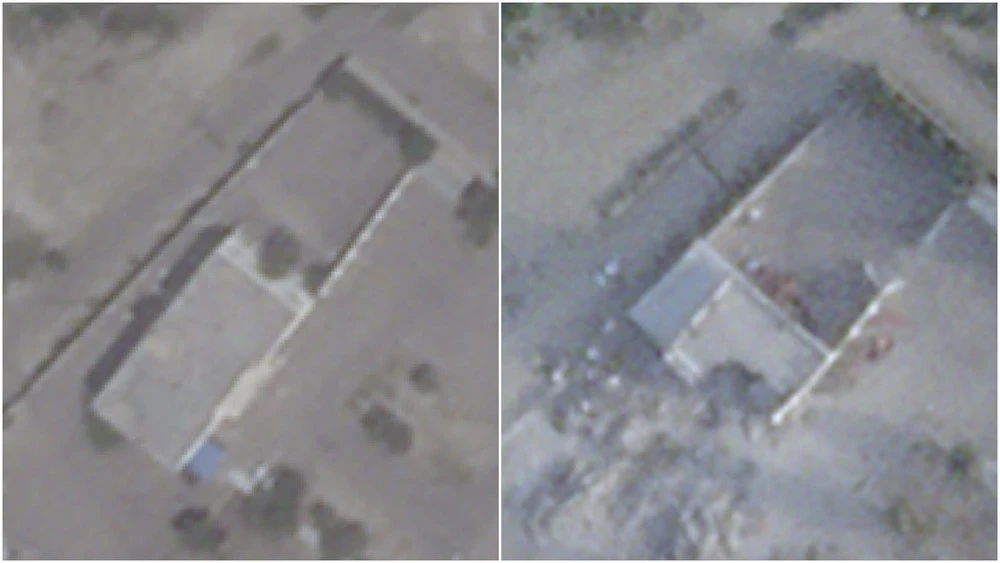
On Saturday, a missile strike hit a school in Minab, southern Iran, resulting in the deaths of 150 students, according to Iran's ambassador to the UN, and later this number rose to 165.
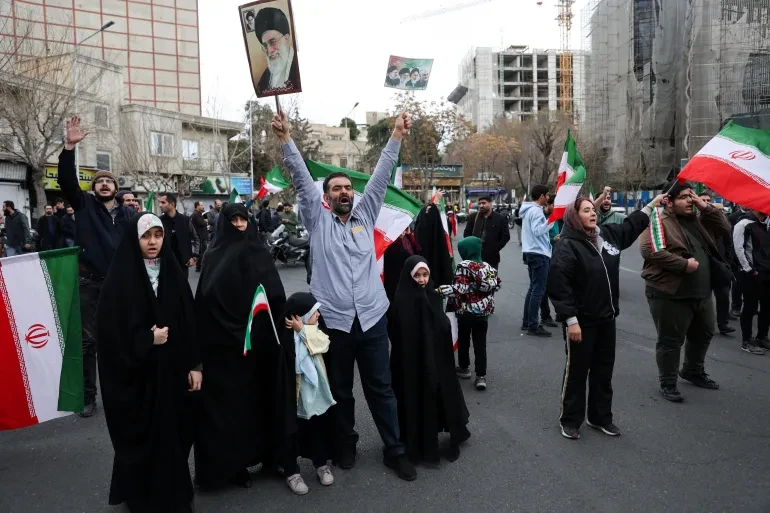
This week, a mass memorial service was held in Iran for schoolgirls and school staff who died as a result of the airstrike.
An attack on a school, hospital, or other civilian facility is considered a war crime under international humanitarian law.
The First Lady of Iraq called on the Trump administration: Leave the Kurds alone.
Shanaz Ibrahim Ahmed, the First Lady of Iraq, urged the U.S. to stop using the Kurds as pawns in the conflict with Iran, which was stated on the 35th anniversary of the Kurdish uprising against Saddam Hussein in 1991.
She made this statement amid reports that the U.S. is seeking Kurdish forces to fight against the Iranian army.
“We are not mercenaries,” Ahmed, a well-known Kurdish activist and wife of Iraqi President Abdel Latif Rashid, was quoted by the Iranian English-language channel Press TV.
In her speech, she recalled the Kurdish uprising in Sulaymaniyah in 1991 when the U.S. did not provide assistance to the Kurds. “No one came to our aid,” she stated.
Trump stated that he wants to completely remove the Iranian leadership and has candidates for the role of a “good leader.” What else happened in Iran? first appeared on K-News.