(updated) Prices for Brent crude oil rose by 2.4%, reaching $87.30 per barrel, the highest level since the beginning of the conflict in the Middle East.
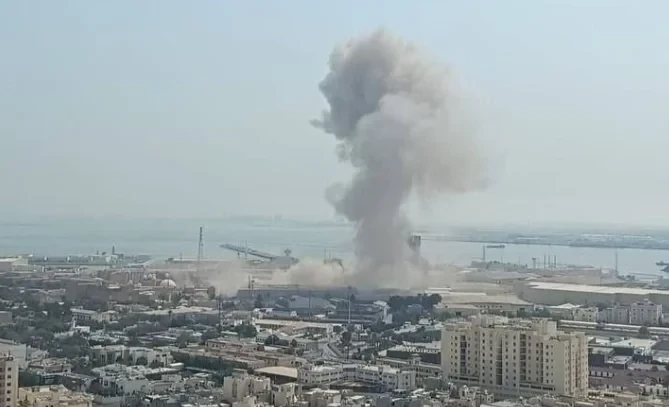
The price increase was triggered by a statement from Qatar's Minister of Energy, Saad al-Kaabi, to the Financial Times, in which he warned that the current war could "collapse the global economy." He also expressed the opinion that hydrocarbon-exporting countries in the Persian Gulf could halt production within weeks, which, in turn, could raise the price of oil to $150 per barrel.
Members of Congress and the general public were surprised by how costly the U.S. government's involvement in this air war is, estimated at $1 billion per day.
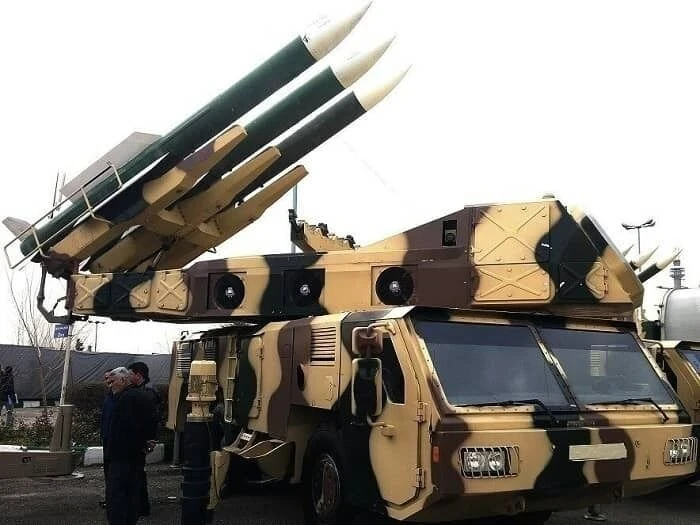
The Pentagon is reportedly preparing an additional budget request of $50 billion to replace Tomahawk, THAAD, and Patriot missiles that were used in the early stages of the conflict, as well as to upgrade other damaged or worn-out equipment used during military operations.
Given the current budget deficit and rising interest rates on federal debt, Congress is expressing concern about the new $50 billion request, which may cause discontent among some lawmakers.
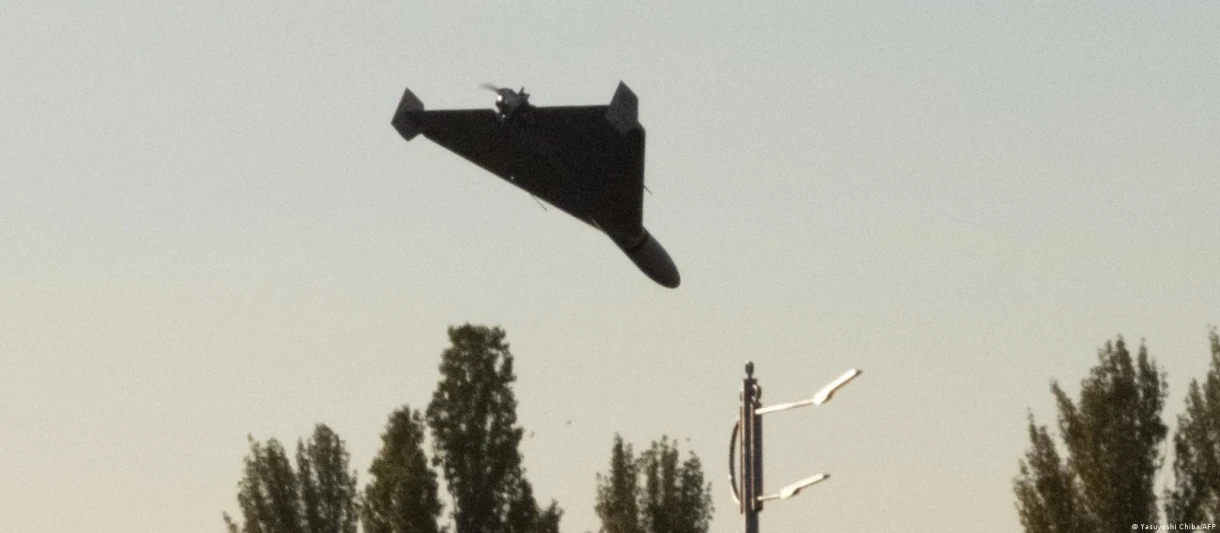
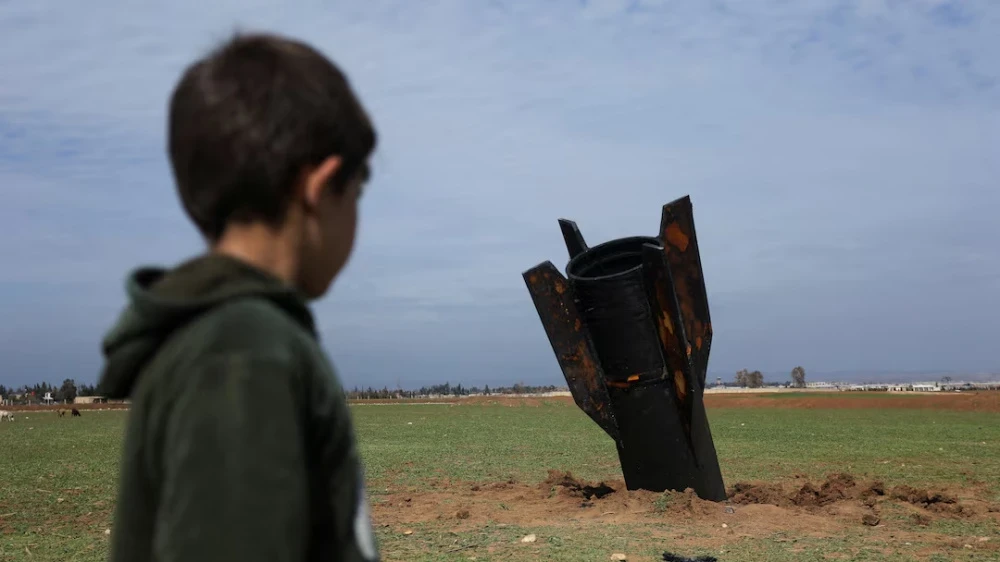
The situation is complicated by ongoing missile and drone attacks from Iran across the Persian Gulf, while the U.S. and Israel claim that their operation "Epic Fury" is delivering serious blows to Iranian armed forces.
According to estimates from the Center for Strategic and International Studies (CSIS), the cost of the first 100 hours of operations amounted to $3.7 billion, which is approximately $891 million per day.
In Brief:
- Powerful explosions occurred overnight in Tehran in various areas, including residential neighborhoods and the vicinity of Tehran University, as the war enters its seventh day.
- The Israeli Air Force attacked cities in southern and eastern Lebanon, including Duris in the Bekaa Valley, and conducted bombings in southern suburbs of Beirut.
Protests are expected in several Pakistani cities, including Islamabad, after Friday prayers.
The Islamabad police have taken measures to block most entrances to the city's Red Zone, where key government institutions and diplomatic missions are located.
Protests are also predicted on the same day in Karachi, Quetta, and other locations.
Last Sunday, the day after the start of U.S. and Israeli attacks in Iran, at least 23 casualties were recorded during protests in the country, of which 10 died while trying to storm the U.S. consulate in Karachi.
Public order violations were also reported in Gilgit-Baltistan, where there is a significant Shia population. At least 13 people, including a security officer, were killed, and several administrative buildings were set on fire.
A potential future Supreme Leader of Iran may have already been chosen, but his name has not yet been disclosed.
Zohre Kharazmi, an associate professor at Tehran University, denied rumors that eight members of the Iranian Assembly of Experts are boycotting the election of a new Supreme Leader, calling it "rumors."
Kharazmi also hinted that the Supreme Leader may have already been appointed but has not yet been announced.
“Preserving the life of the future leader is a reasonable step... it is an adequate security protocol,” she noted in an interview with Al Jazeera from Tehran.
The professor added that Kurdish groups support Iran, despite recent reports that Iranian Kurdish armed groups may have discussed with the U.S. the possibility of attacks on Iranian security forces in the west of the country in recent days.
Yesterday, Iranian forces also launched an operation against Kurdish groups in their semi-autonomous region in Iraq.
“I consider this... political propaganda... The Iranians will suppress them, and I don’t think they will be able to achieve anything significant,” Kharazmi emphasized.
“There is high social solidarity and support for the Islamic Republic in Tehran.”
Israeli media reported that one person was injured as a result of debris from an intercepted missile falling in the central part of the country.
The Israeli Ministry of Health reported that since the beginning of the conflict with Iran on Saturday, more than 1,600 people have been treated in the country’s hospitals.
The total number of casualties has also reached 11 people.
Azerbaijan has decided to withdraw its diplomats from Iran for their safety, as stated by Foreign Minister Jeyhun Bayramov.
This decision was made the day after Baku reported that four Iranian drones violated its airspace and injured four people in the Nakhchivan exclave.
The minister added that Azerbaijan is evacuating staff from its embassy in Tehran and its consulate general in Tabriz.
Iran, for its part, denies the drone attack.
Internet blackout in Iran continues for six days — according to Netblocks
According to the independent internet monitoring group NetBlocks, internet access in Iran has been unavailable for six days.
It is noted that at the 144-hour mark, only 1% of the population has access to communication.
The internet shutdown complicates international news organizations' coverage of events in the country.
Earlier this year, Iranian authorities also restricted internet services in connection with anti-government protests.
The article "War in Iran: Oil Prices Rise, Military Spending Shocks the U.S. What Else is Happening?" was first published on the K-News website.