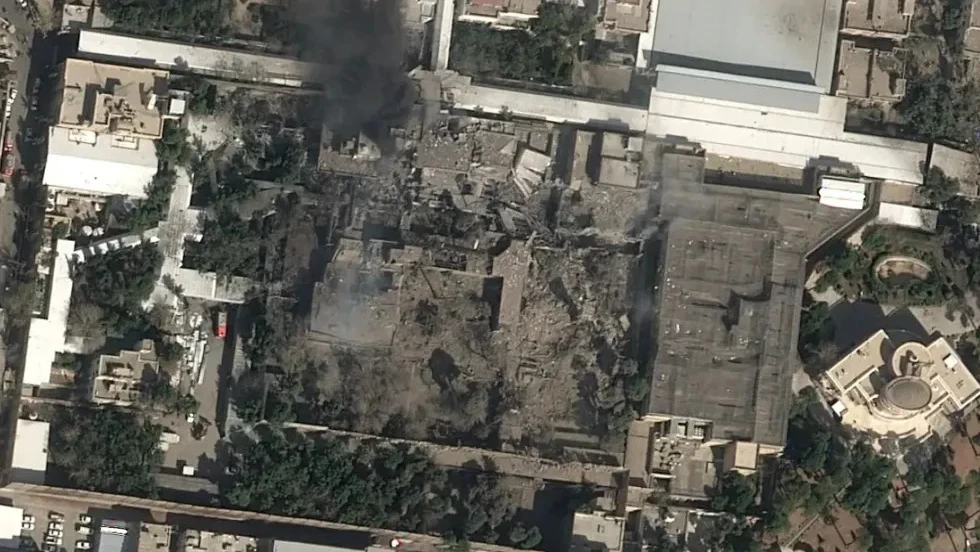
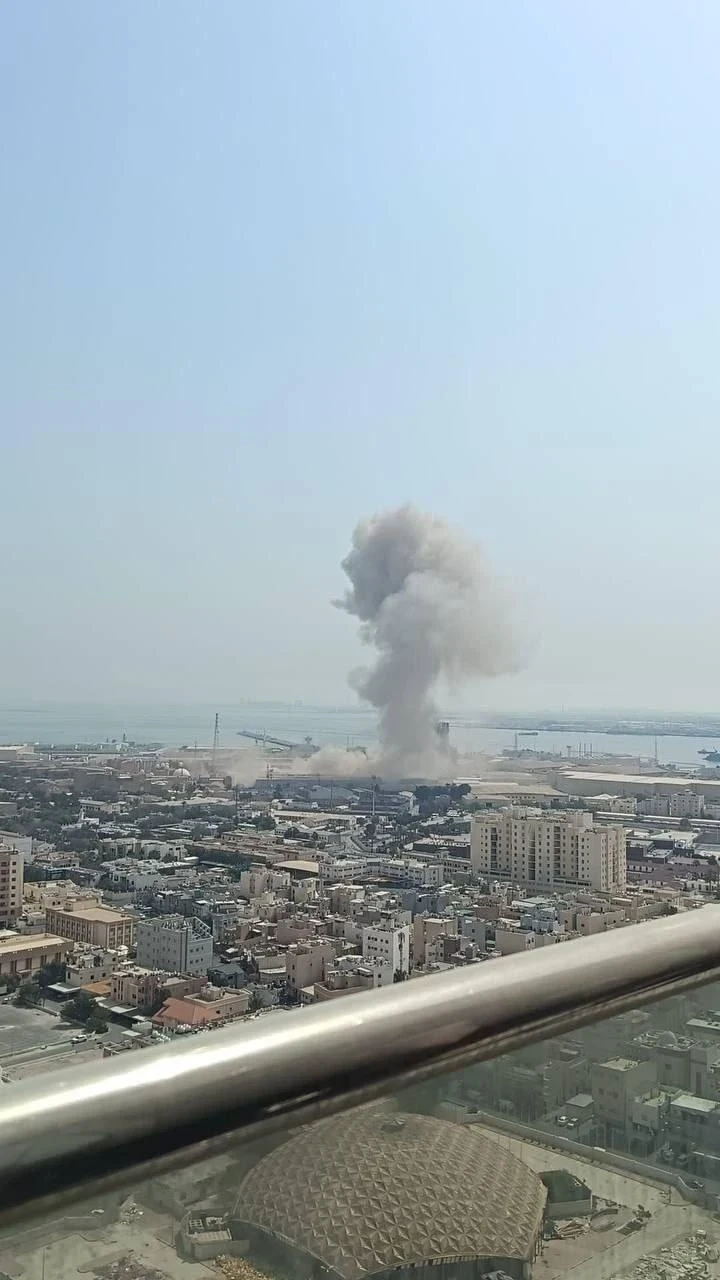
Since the beginning of military operations against Iran, the United States has incurred losses of nearly $2 billion in military equipment, as confirmed by reports and satellite images, Anadolu Agency reports.
Among the losses of the U.S. armed forces are a radar system, the THAAD missile defense system, and three F-15E Strike Eagle fighter jets.
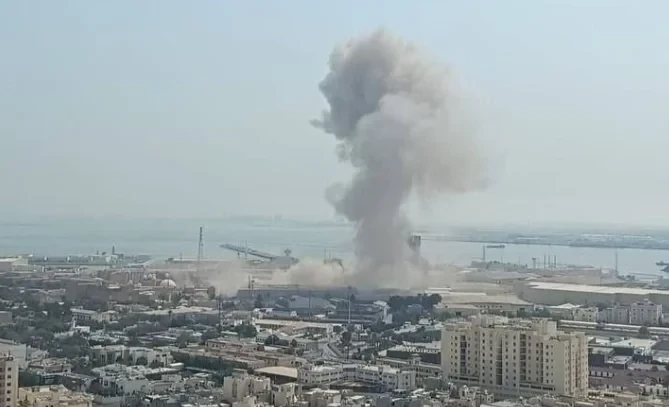
The most significant loss was the destruction of the AN/FPS-132 radar system located at Al Udeid Air Base in Qatar. Its cost is approximately $1.1 billion, and it was hit on the first day of the conflict.
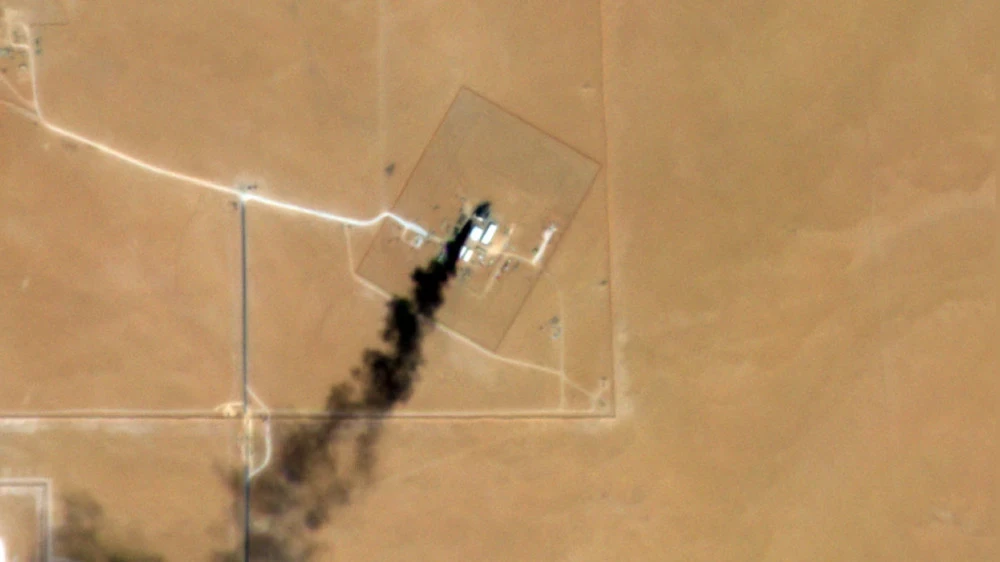
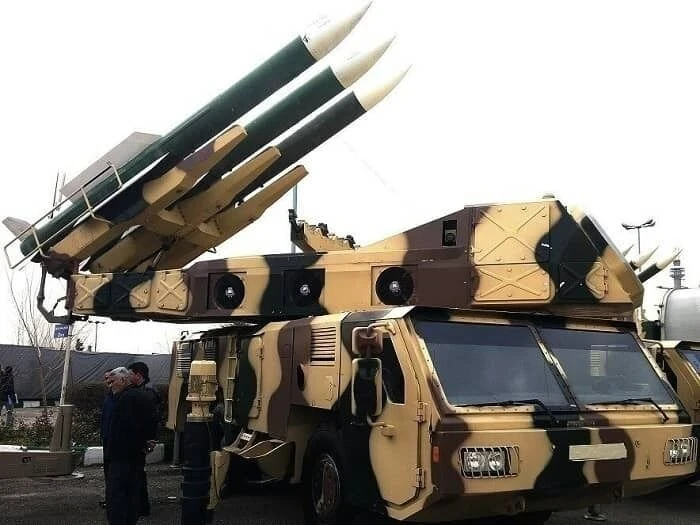
Another serious loss was the destruction of the THAAD missile defense system in the Al Ruwais industrial zone in the United Arab Emirates, with damage estimated at $500 million.
Three F-15E Strike Eagle fighter jets were lost due to "friendly fire" from Kuwaiti air defense, costing $282 million for replacement. All six crew members managed to eject.
As a result of Iran's strikes, two AN/GSC-52B satellite communication terminals and several buildings at the U.S. Navy's 5th Fleet base in Bahrain may also have been destroyed.
In addition to military infrastructure, the strikes affected U.S. diplomatic missions in Saudi Arabia and the UAE, forcing some missions to temporarily close and evacuate staff.
In Brief:
The Israeli military reported the start of new attacks targeting military facilities in Tehran.
Meanwhile, in Washington, U.S. lawmakers rejected a military authorization bill that could have limited Donald Trump's powers for military action in Iran.
Earlier, Defense Secretary Pete Hegseth stated that an American submarine sank an Iranian military ship in the Indian Ocean — the Pentagon released video of the strike.
It is believed that there were about 180 people on board the ship "Iris Dena," 32 people were rescued, and Sri Lankan authorities report 80 bodies found.
The United Nations High Commissioner for Refugees (UNHCR) warned of a significant increase in population migration as a result of escalating violence in the Middle East and beyond.
Preliminary estimates suggest that approximately 100,000 people left Tehran in the first two days following the attacks.
In Lebanon, local sources report that 58,000 people found temporary shelter in collective centers.
From Syria, it is reported that on March 2, about 10,000 Syrians and 1,000 Lebanese left the country, which is nearly three times the average figures.
Tohid Asadi
Reporting from Tehran, Iran.
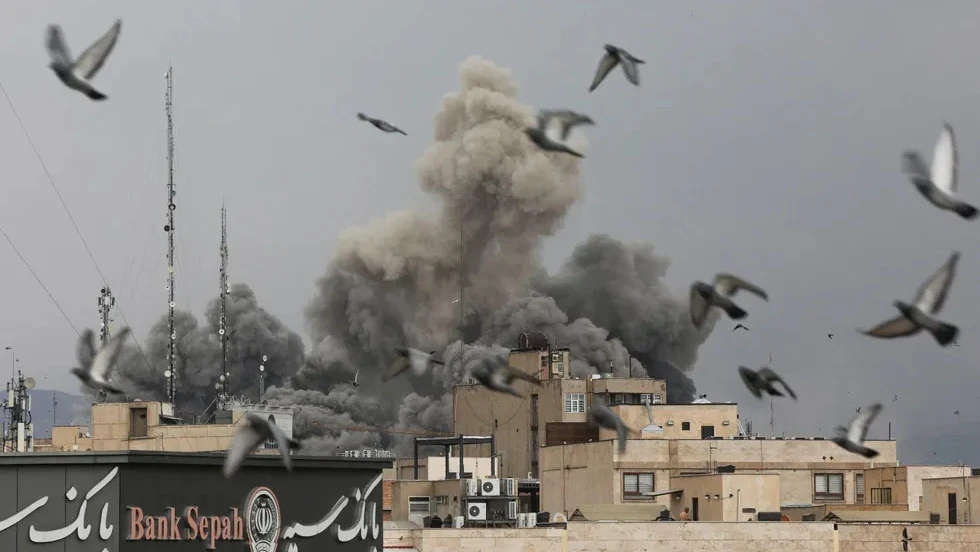
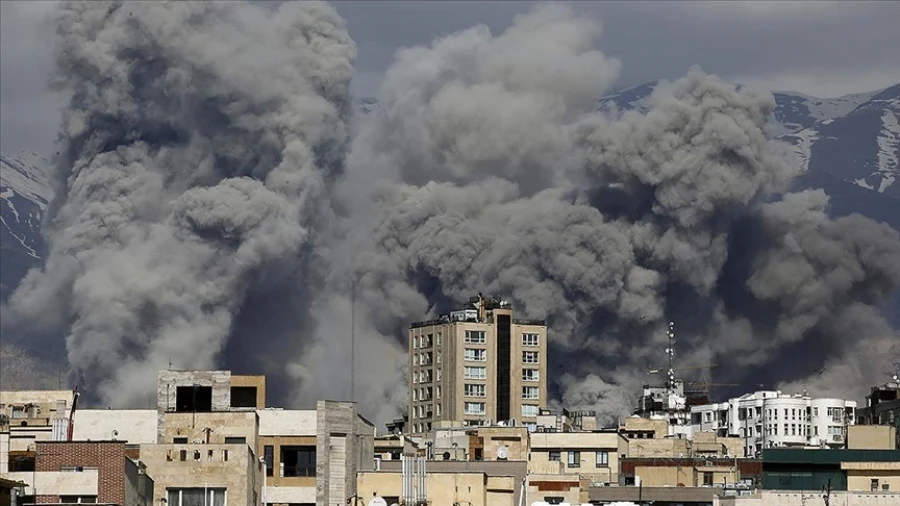
The strikes have been ongoing for several hours, and powerful explosions can be heard throughout the Iranian capital, Tehran, until Thursday morning.
Additionally, reports are coming in from other cities about similar attacks on military and political facilities.
According to the latest data from the Ministry of Health, the number of civilian casualties exceeds 1,000, and the number of injured is over 6,000.
Meanwhile, the Islamic Revolutionary Guard Corps reports that retaliatory attacks are ongoing, including the 17th and 18th waves of strikes.
The Islamic Revolutionary Guard Corps claims to have attacked Ben Gurion International Airport in Israel and some of the country's advanced radar systems.
Hezbollah leader Naim Qassem stated that the Iran-backed group "will not surrender" amid the ongoing war with Israel.
In his first public address following the escalation of the conflict with Lebanon, Qassem noted that "Hezbollah" adhered to the ceasefire agreement reached at the end of 2024, but Israel "did not fulfill any of its conditions."
“We agreed to a diplomatic solution and viewed it as an opportunity for the state to take responsibility, but there is a limit to patience,” he said in a televised address.
“We will resist to the best of our abilities, and we will not surrender,” he added.
On Monday, "Hezbollah" attacked Israel with rockets and drones after the U.S. and Israeli strikes resulted in the death of Iran's Supreme Leader Ayatollah Ali Khamenei.
In response, Israel conducted massive airstrikes and sent troops to southern Lebanon, forcing tens of thousands of civilians to flee their homes.
The U.S. has lost nearly $2 billion in military equipment during the conflict with Iran. What else is happening? first appeared on K-News.