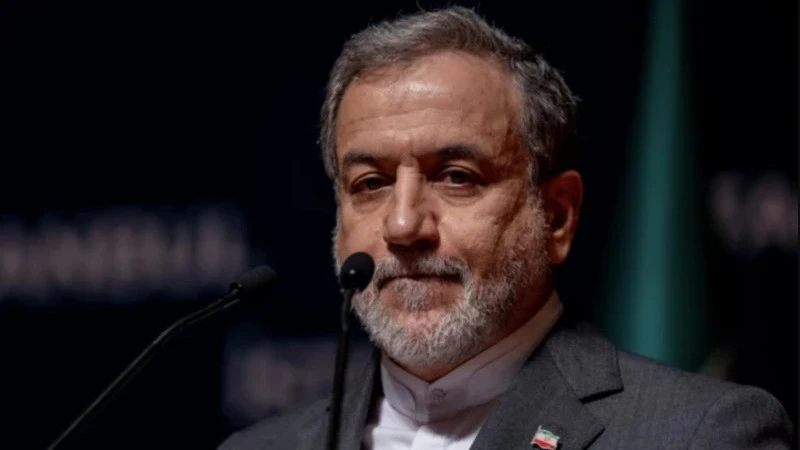
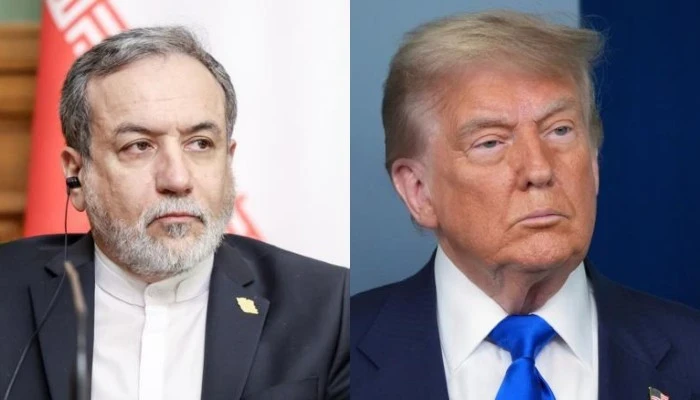
The Iranian Foreign Minister Abbas Araghchi stated that Tehran does not strike residential areas and civilian facilities.
He also added: "The LUCAS drone, developed by the United States and similar to the Iranian Shahed, is being used to attack Arab countries," noted Araghchi.
The head of the Iranian Foreign Ministry emphasized that Israel may be involved in attacks on civilian facilities in Middle Eastern countries to worsen their relations with Iran.
Araghchi stressed that Iran has not approached the United States with a request for a ceasefire and is ready to defend itself for as long as necessary.
Other important statements:
— Tehran sees no need for negotiations with the United States and has not requested them;
— Iran is working with several countries to ensure safe passage for ships through the Strait of Hormuz;
— During negotiations with the United States, Iran demonstrated a willingness to make concessions, confirming the absence of intentions to develop nuclear weapons;
— Americans in Iranian prisons will be safe if the U.S. and Israel do not attack correctional facilities;
— The enriched uranium held by Iran is currently "under debris," but it can be restored.
As a result of a drone strike near Dubai International Airport, a fire broke out.
Emergency services are working at the scene; however, there is currently no information about casualties.
According to Bloomberg, the Pentagon estimates that the conflict with Iran may last up to six weeks.
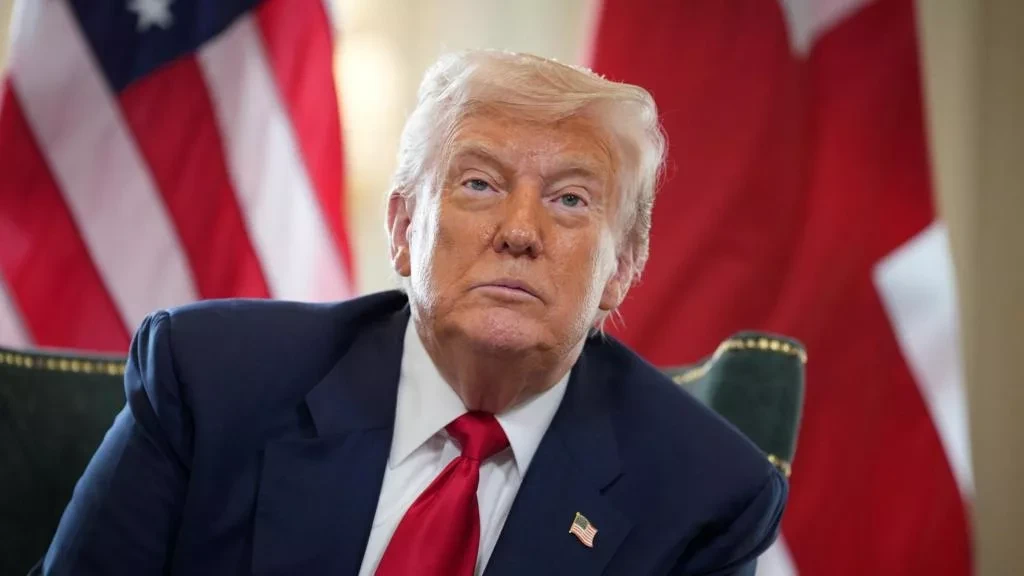
Kevin Hassett, a senior advisor to the U.S. president and head of the National Economic Council, outlined preliminary timelines but noted that the final decision to end the war will be made by Trump.
As of Saturday, the Pentagon assessed that the execution of this military mission would take four to six weeks, and we are moving faster than planned, Hassett reported on CBS. "We expect that the global economy will receive a significant positive boost as soon as the conflict ends."
The Secretary of Energy, Chris Wright, also hinted at the possibility of prolonged hostilities.
“I am confident that the conflict will end in the next few weeks—perhaps even sooner—after which there will be a restoration of supplies and a decrease in prices,” Wright said on ABC.
Recently, Trump called on other nations to send warships to ensure safe passage through the Strait of Hormuz and expressed hope for participation from China, France, Japan, South Korea, and the United Kingdom.
Wright stated that he is negotiating with the mentioned countries. “We are confident that we will receive support to achieve this goal,” he added on NBC.
The price of gasoline in the U.S. has reached $3.70 per gallon, according to the NYT.
Since the beginning of the conflict in the Middle East, fuel prices have increased by more than 25%.
Minister Wright noted that if prices do decrease, it will not be sooner than in a few weeks.
“Americans are already feeling this now and will continue to feel it for several weeks,” he said on NBC News. “But ultimately, we will eliminate the main threat to global energy supplies.”
When asked if gasoline prices would fall below $3 per gallon before summer, Wright replied: “The likelihood of that is very high.”
However, he added: “In wartime, there are no guarantees. Timelines remain uncertain.”
The U.S. plans to announce the formation of a coalition to escort ships through the Strait of Hormuz within a week, according to The Wall Street Journal.
Germany, however, does not intend to participate in the international mission to protect commercial vessels in this region, stated German Foreign Minister Heiko Maas.
Reports indicate that the destruction of military infrastructure on the island of Khark will give the U.S. access to seize this strategically important point through which 90% of Iran's oil exports pass.
Control over Khark will give Washington significant leverage over Iran.
In response to these actions, Tehran promised to carry out massive strikes on the UAE, from where the attack on Khark was initiated, and called for the evacuation of Emirati citizens.
U.S. military actions against Iran have already cost approximately $12 billion, Kevin Hassett reported.
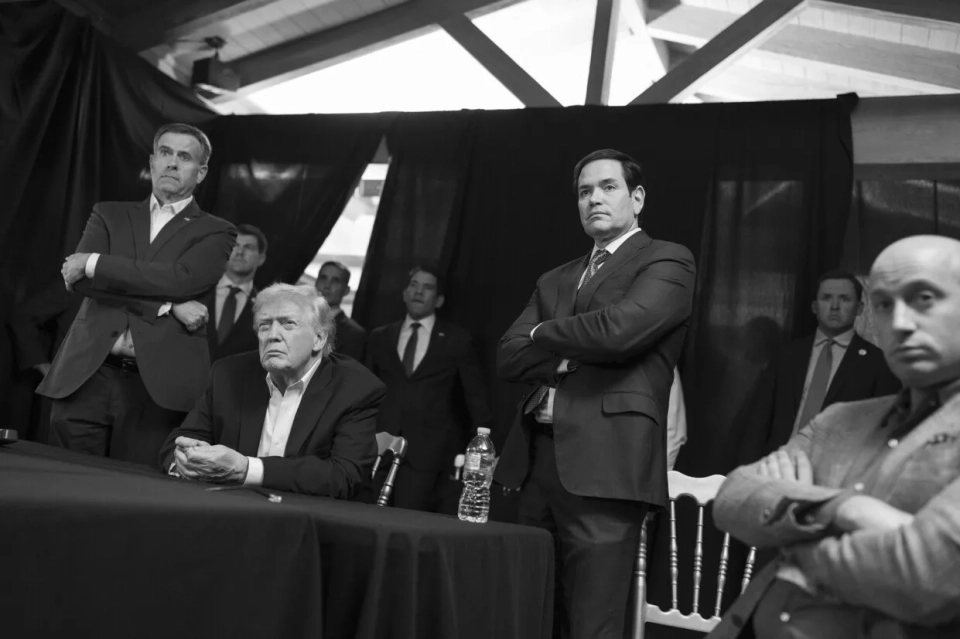
As stated by U.S. Ambassador to the UN Mike Waltz, the military operation against Iran will not escalate into a large-scale intervention similar to the events of 2003 in Iraq.
However, he did not rule out the possibility of conducting targeted ground operations if necessary.
Democrats intend to propose a resolution limiting Trump's military powers, stated House Democratic Minority Leader Hakeem Jeffries.
Earlier, the House of Representatives rejected a similar resolution: 212 voted in favor, 219 against.
According to Jeffries, some congressmen have changed their minds.
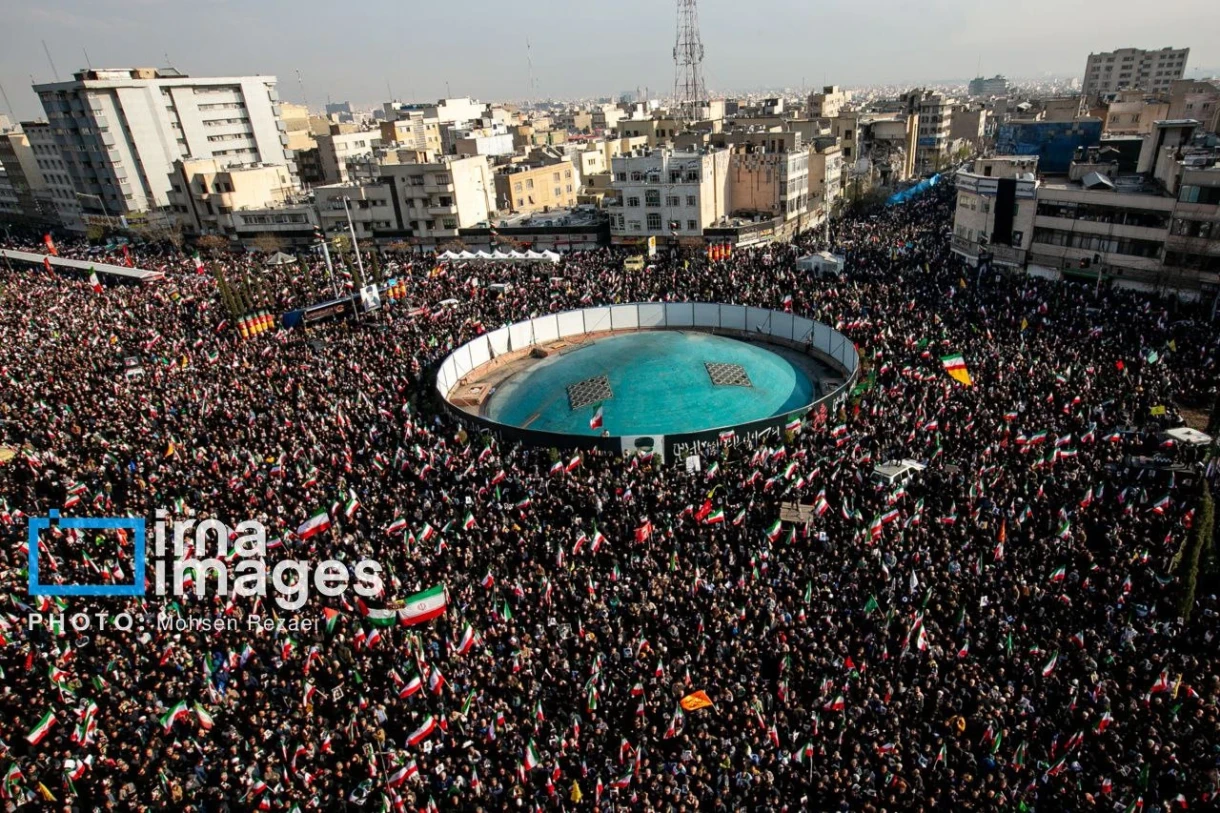
The head of the IRGC Navy, Alireza Tangsiri, stated that the only path to peace in the Middle East is the "expulsion" of the U.S. from military bases in the Persian Gulf countries.
Additional statements:
— Iran has repeatedly warned the Persian Gulf states that the U.S. uses them for its own interests;
— Ali Khamenei approved military actions in case of an attack from the U.S. and Israel even before his death;
— The U.S. was mistaken in believing that the operation against Iran would be short-term and would not affect other countries in the Middle East.
Iran has for the first time used super-heavy solid-fuel missiles Sejjil, as reported by Iran's state television and radio.
Additionally, Khorramshahr, Kheibarshekan, Emad, and Qadr missiles were used, targeting U.S. military facilities and decision-making centers.
A representative of the Yemeni rebel movement "Ansar Allah," Abed al-Saour, stated that they could close the Bab-el-Mandeb Strait in support of Iran.
According to him, commercial vessels and warships, including aircraft carriers heading to the U.S., could be stopped.
The recording "Iran's Foreign Minister: The U.S. strikes Arab countries with the LUCAS drone, similar to Shahed. What else is happening?" first appeared on K-News.