In Kyrgyzstan, the first signs of a political thaw are being observed
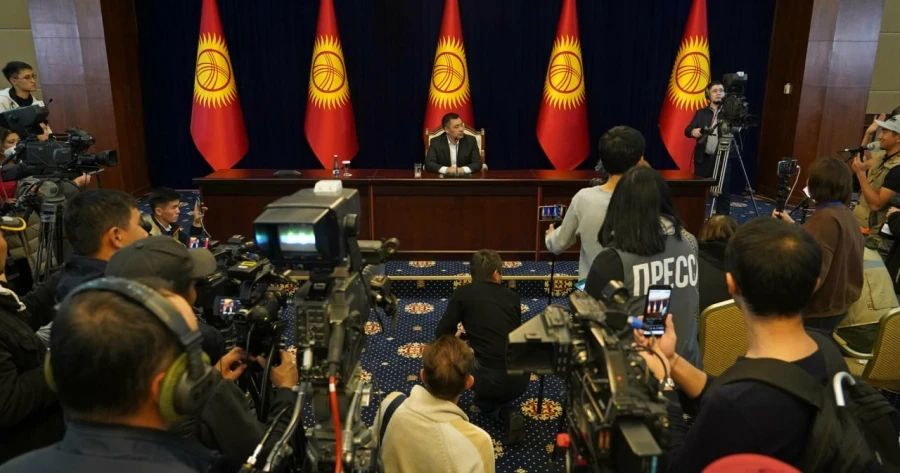
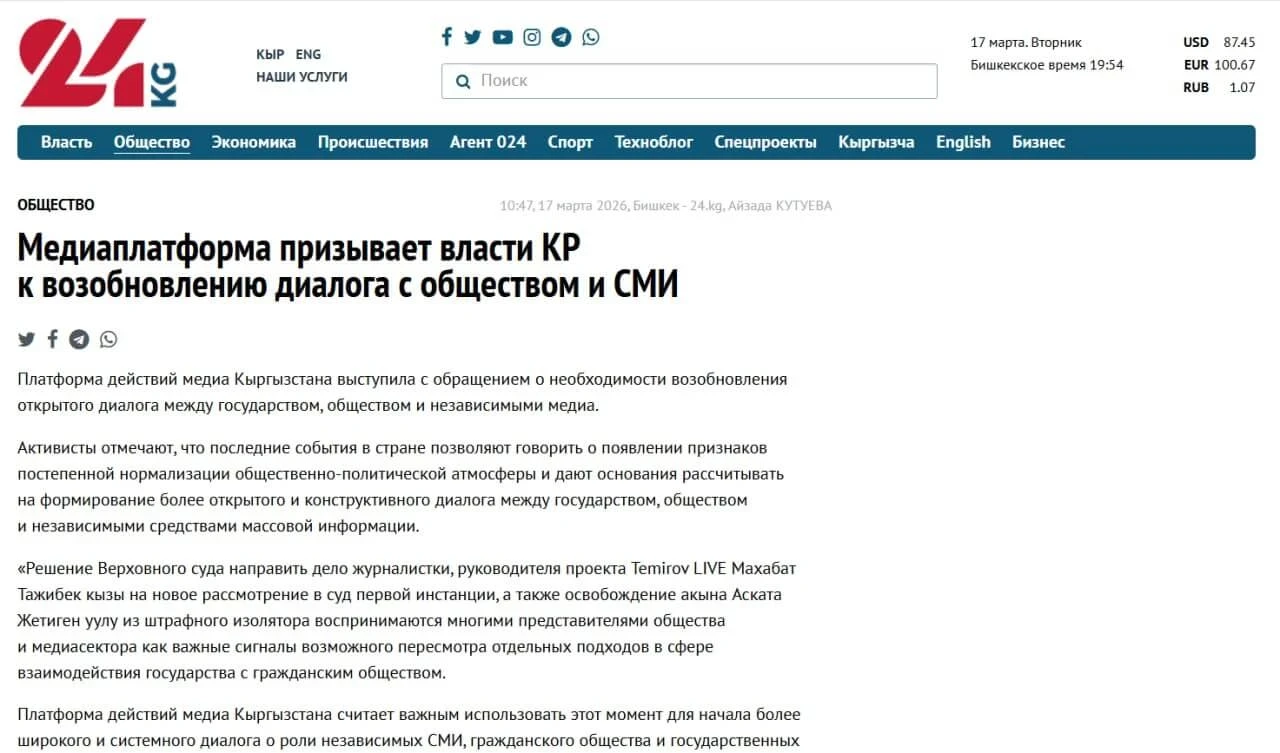
Recent events in Kyrgyzstan give hope for a possible easing of the political situation. Significant moments such as the Supreme Court's decision to reconsider the case of journalist Mahabat Tajibek kyzy, the release of akyn Askat Zhetigen from a penal isolation facility, and a more open approach from the authorities among politicians create an atmosphere where changes in political dialogue are emerging.

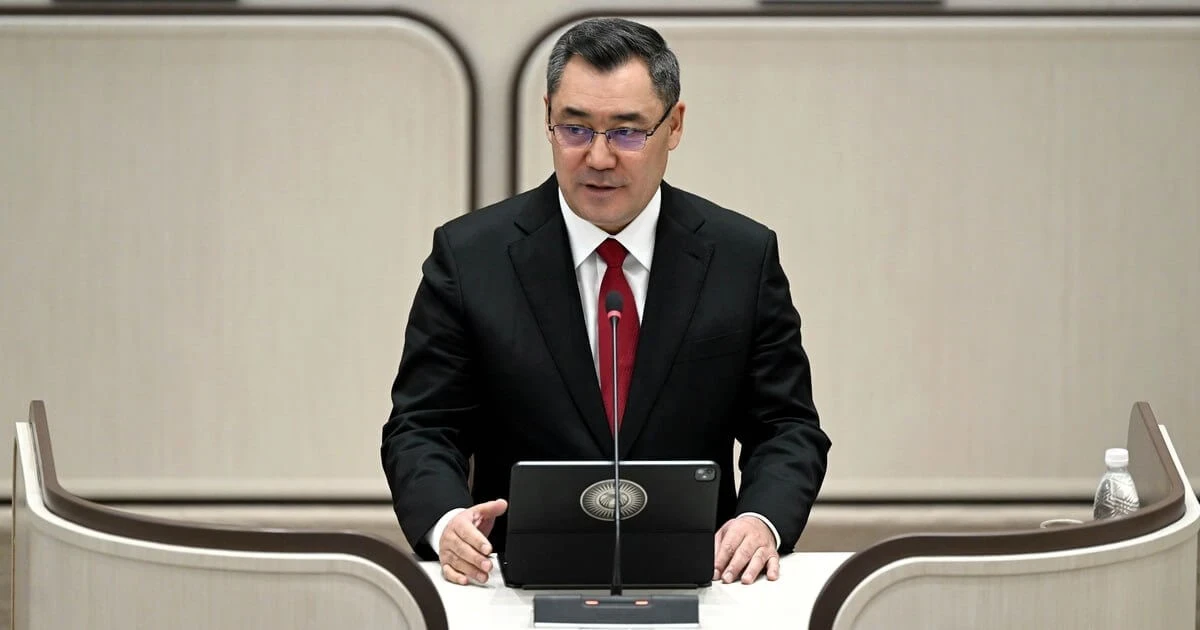
President Sadyr Japarov's speech in the Jogorku Kenesh also served as an additional signal. During this meeting, he held an open conversation with the deputies, which many parliamentarians perceived as a step towards more open political communication.
Moreover, the authorities made a number of statements aimed at restoring trust among the business community. The president noted that entrepreneurs who believe their business or property has been seized illegally can contact the prosecutor's office, and if these facts are confirmed, the state will return the property to its rightful owners. These statements were seen as a hint at the authorities' readiness for a more constructive dialogue with business.
These events create an atmosphere of cautious political thaw. While these are not global changes, it is clear that new trends in political dialogue are beginning to emerge.
At this time, the Media Action Platform of Kyrgyzstan proposed to use the emerging opportunities to initiate institutional dialogue between the state, the media community, and the civil sector.
But why is this dialogue becoming important now not only for journalists but also for the state? This will be discussed further.
Why are independent journalists important for the state?
The discussion about the role of journalism often begins with the wrong emphasis. There is an opinion that independent media are only needed by journalists themselves. However, in reality, independent journalism is important for the state.
Every governance system needs reliable information about what is happening in the country. Officials receive data from reports and statistics, but this system has its limitations. Within the bureaucracy, few report information that might question the effectiveness of the work or decisions of the leadership. Thus, the picture reaching the upper echelons of power often turns out to be more optimistic than reality.
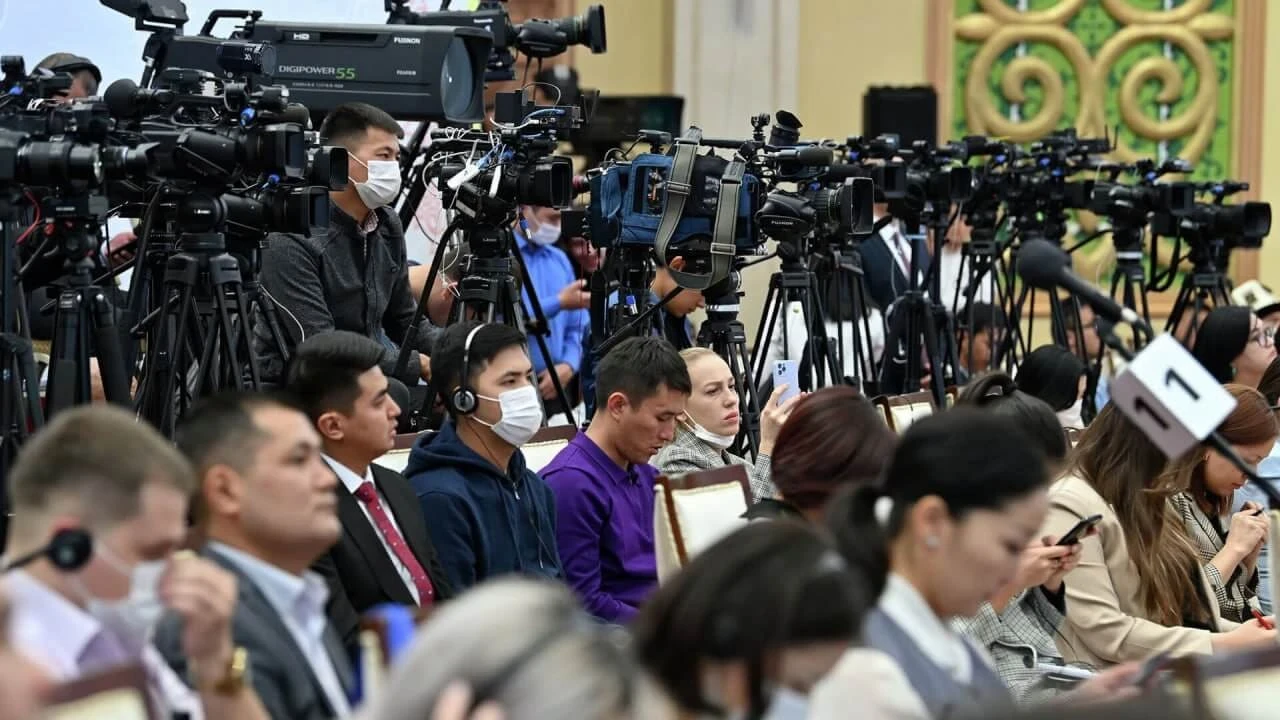
Journalism, unlike bureaucracy, can reveal what does not always make it into official reports. Therefore, journalists' investigations often become the first signals of problems that are later confirmed by government agencies.
In Kyrgyzstan, it has happened more than once that journalists raised important issues that became the subject of official actions. It is not only the list of such cases that is important, but also the understanding of the mechanism of their operation.
A vivid example from recent years is the investigations surrounding the customs system and Raimbek Matraimov, conducted through the joint efforts of journalists from Azattyk, Kloop, and the international network OCCRP.
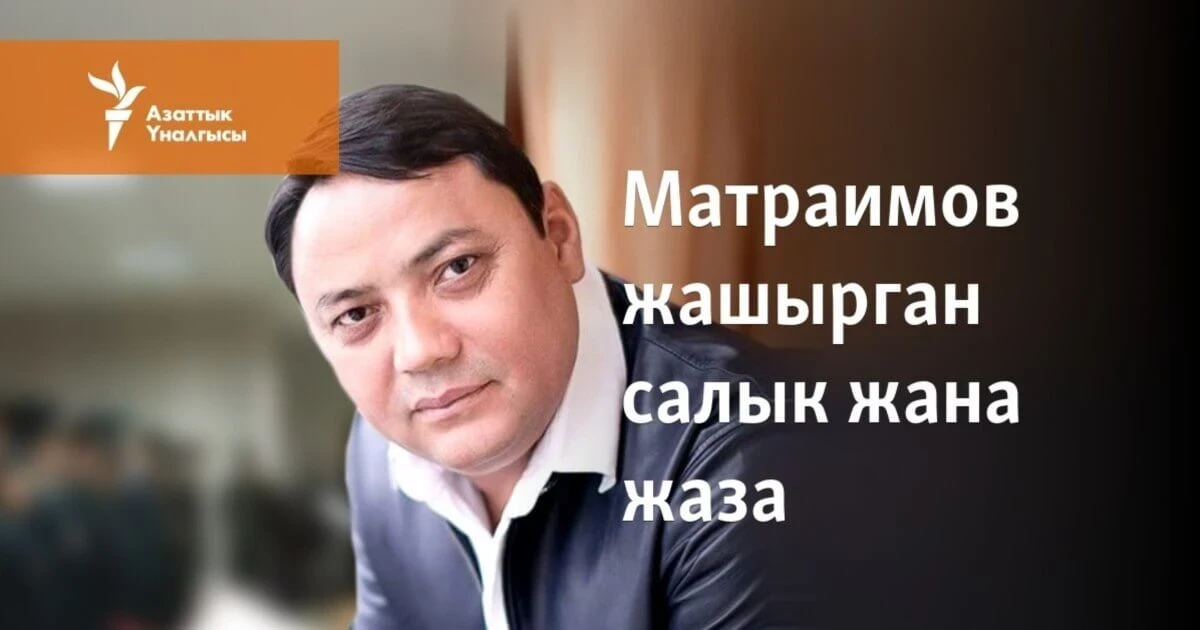
Journalists did not just voice accusations; they systematically, relying on documents and testimonies, demonstrated how shadow financial flows related to customs operate. Before these publications, the topic remained at the level of rumors, but after them, it took center stage in public discourse. Society began to pressure the authorities, and the state had to respond. Thus, journalism not only informed but also set the direction for further actions.
A completely different path was taken in the case of Aziz Batukaev. There was no single large investigation that immediately revealed the whole truth. However, Kyrgyz media did not leave this topic unattended for a long time. Outlets such as Azattyk, 24.kg, Elgezit.kg, and Kaktus Media regularly returned to questions about his release and reminded about the circumstances and consequences.
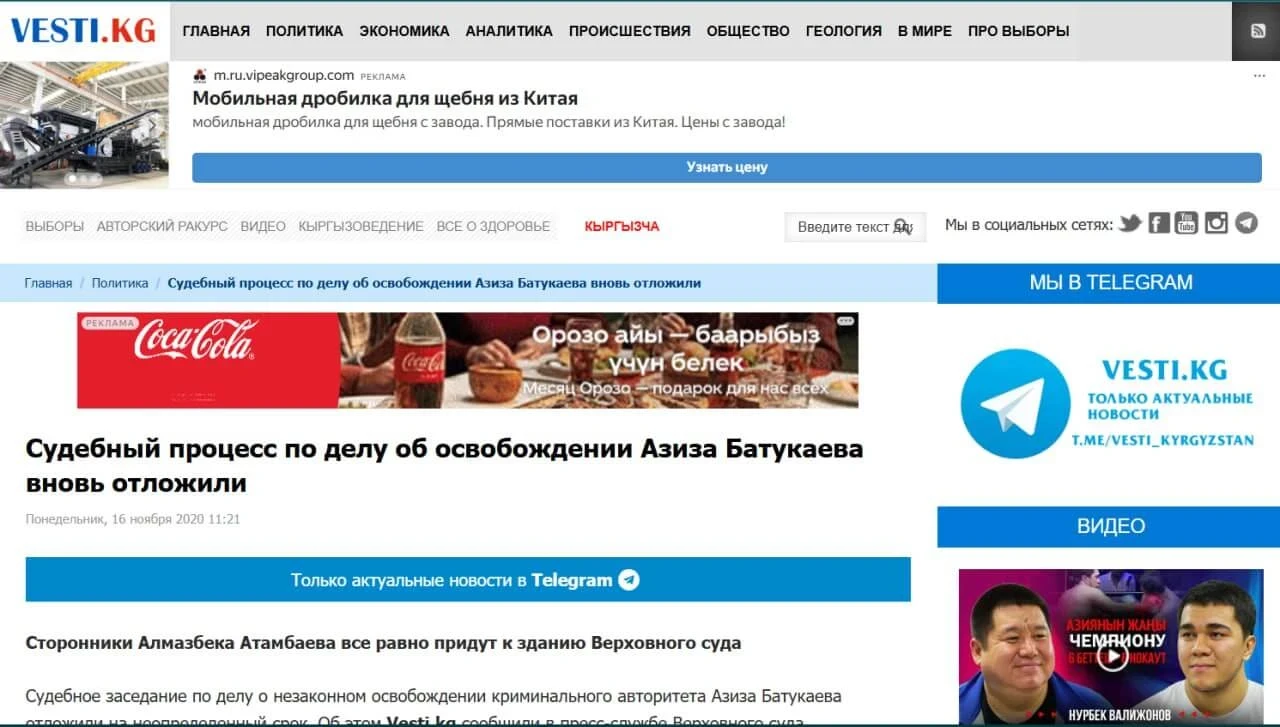
As a result, a public demand was formed, which led to the resumption of the case and actions by law enforcement agencies. This case demonstrates that journalism can operate not only through loud investigations but also through the constant maintenance of a topic in society.
Similar processes occur in less noticeable but equally significant stories. Publications about questionable government procurements, conflicts of interest, the transfer of municipal land, or construction in Bishkek often become the initiators of inspections and intervention by the authorities. For example, the situation around TSUM is developing according to the same scenario: first, public discontent, then media activity, and only after that the system's reaction.
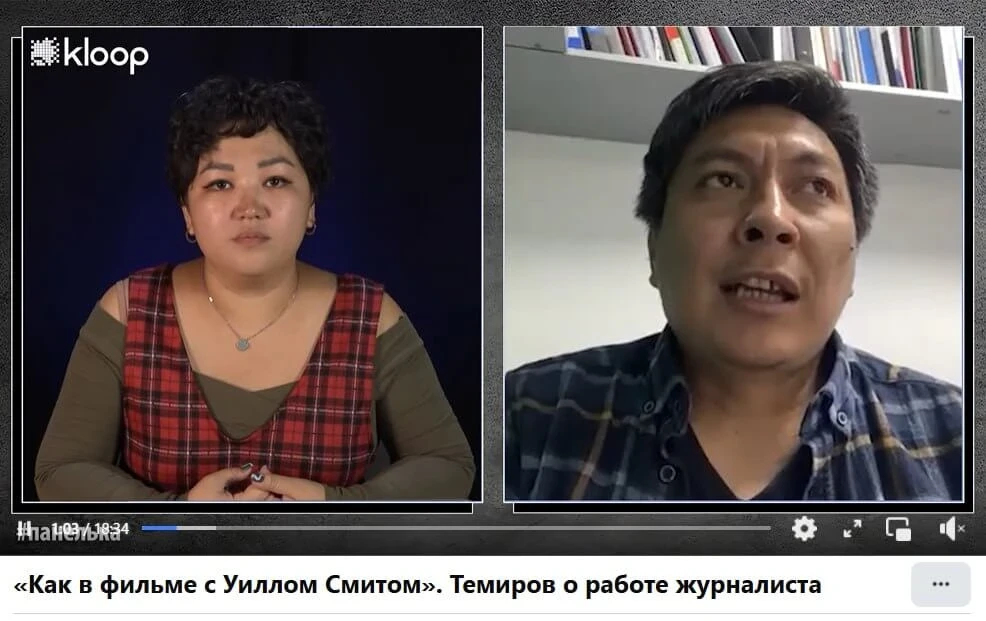
In this context, it is worth noting Bolot Temirov's investigations into the oil sector. His team raised questions regarding resource distribution and possible connections between business and the authorities, bringing to light topics that had previously not been openly discussed. Publications led to inspections and official reactions, again confirming this pattern.

Another important function of journalists is that they do not work only with documents and investigations. They also listen to people. Through reports and interviews, the media convey to the authorities the real problems of regions, businesses, and citizens. This information rarely makes it into official reports, but it shows how government decisions are perceived in practice.
When such a communication channel functions, the state can respond to problems before they escalate into crises. If this channel weakens, the authorities begin to see the country only through the prism of official information.
Therefore, the issue of independent journalism is not a dispute between the media and the state, but rather concerns the quality of governance in the country. The state, receiving only positive feedback, risks encountering a reality that it is no longer informed about.
Dialogue as part of the governance system
Discussion of dialogue between the authorities and independent media makes sense only when it goes beyond emotions and moves into the realm of management. Otherwise, it risks becoming merely a declaration or a political gesture that does not influence real practice. The experience of different countries shows that interaction with journalists is one of the key elements that allows the state to maintain an adequate understanding of what is happening.
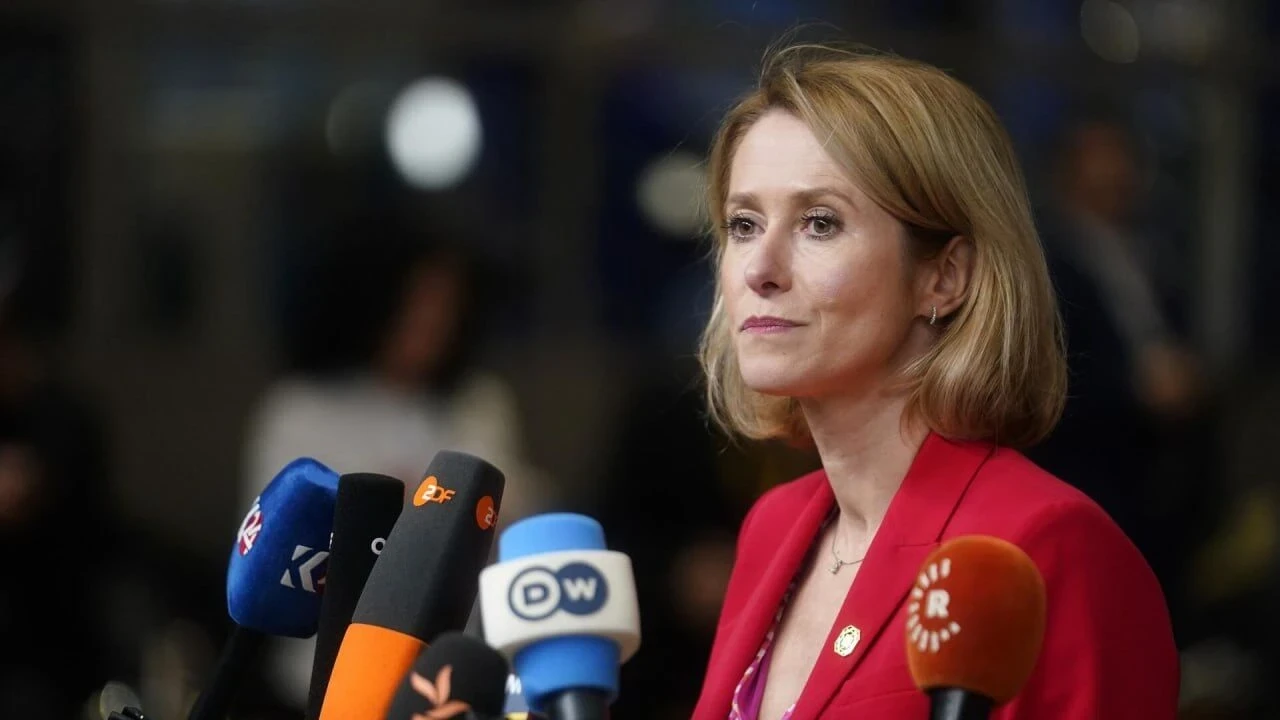
Any hierarchical system faces the problem of distorted information as it rises through the levels. At the lower levels, the information may be accurate, but at the next stages, it becomes more softened and adapted to the expectations of the leadership. This leads to decisions being made based on a distorted picture, where risks are underestimated, and problems appear insignificant. This phenomenon is observed not only in political practice but also in management theory, explaining why even strong states sometimes make mistakes.
In countries with stable institutions, this problem is addressed through external sources of information, among which independent media play a key role.
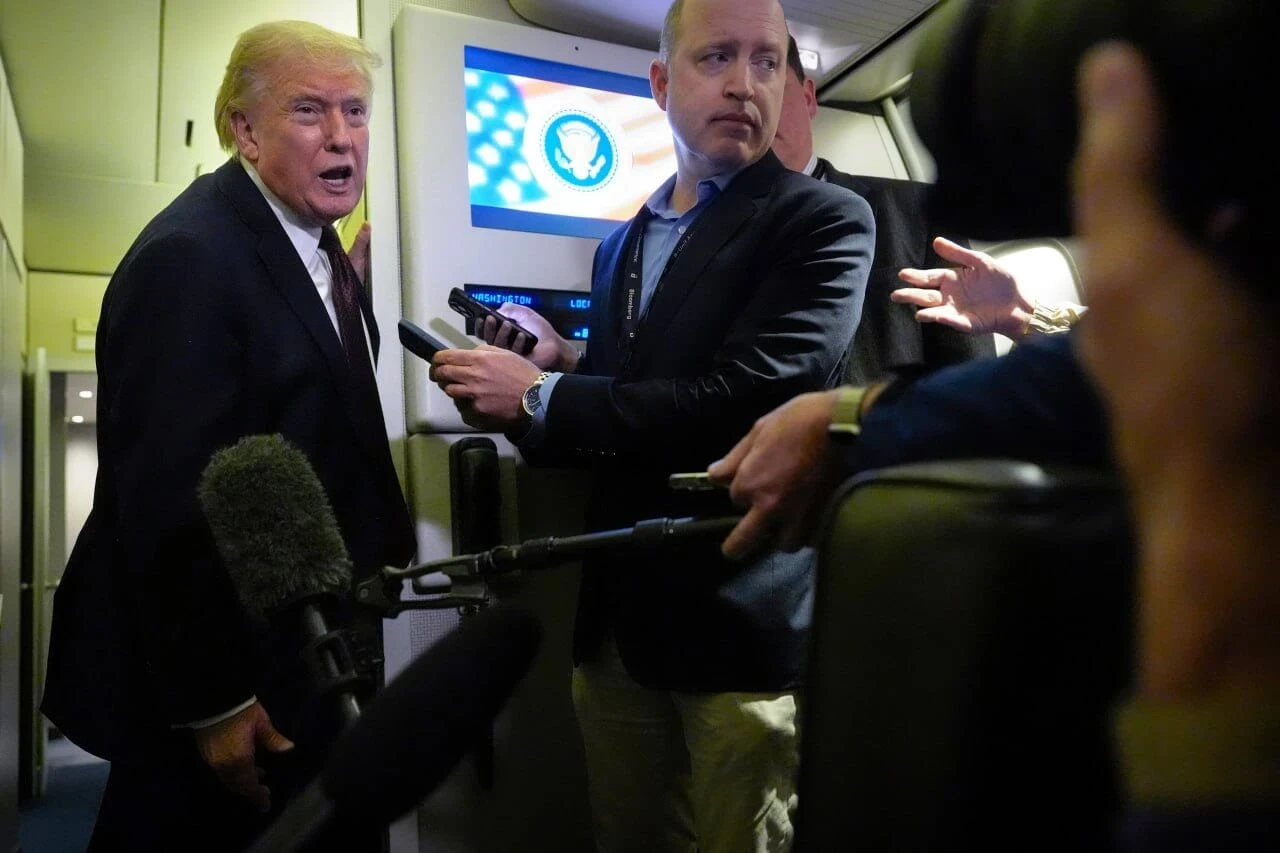
In the United States, journalistic investigations by major publications have, for decades, led to parliamentary hearings and a review of political decisions, starting from the Watergate scandal to more recent cases related to government contracts and lobbying.
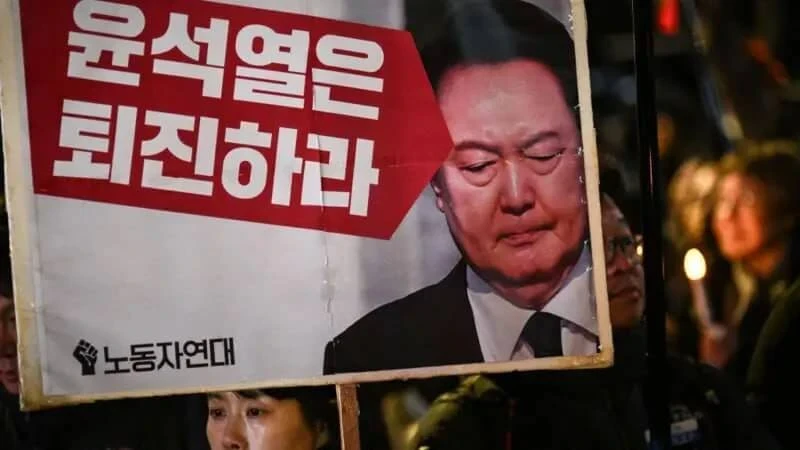
In the United Kingdom, the scandal involving illegal phone tapping revealed by journalists led to a large-scale investigation and reform of the media. In South Korea, the combination of journalistic publications and public pressure became a factor that led to the president's resignation. In each of these cases, journalism played the role of a channel through which the system received signals about its failures.
However, an important element in these examples is not only the presence of strong journalism but also the mechanisms through which the information raised by the media becomes part of the state process. Without this, even the most resonant publications would remain outside the management system and would become merely a factor of pressure rather than a tool for correction.
Therefore, in different countries, sustainable forms of interaction are being created that allow translating the journalistic agenda into practical terms. One such form is regular consultations and discussions involving media, experts, and government bodies, where initiatives are considered before their final adoption. In European practice, such mechanisms are often embedded in the legislative process, allowing for criticism to be taken into account at an early stage and reducing the likelihood of conflicts.
Equally important is open informational interaction, where government structures actively work with journalists and do not limit themselves to formal responses. In Northern European countries, access to information and transparency of government operations are seen as basic conditions for trust, and regular communication with the media becomes part of the daily activities of institutions.

There are also more complex forms of interaction that allow for professional dialogue. These are expert platforms and public discussions where representatives of the authorities and media can analyze sensitive issues without the pressure of the current agenda. In Germany and other European countries, such formats allow for the discussion of complex issues, including reforms and crisis situations, in a more balanced atmosphere.
When resonant situations arise, applied mechanisms are used that connect different parties within a single process. These can be temporary working groups or special commissions where journalistic information is compared with official data and becomes part of a broader analysis. This approach allows for public tension to be transformed into constructive discussion and reduces the level of confrontation.
Digital transformation facilitates these processes, making interaction faster and more accessible. Open databases, online platforms, and digital communication channels reduce the distance between society, media, and the state, allowing for quicker responses to emerging signals and lowering the risk of accumulating problems.
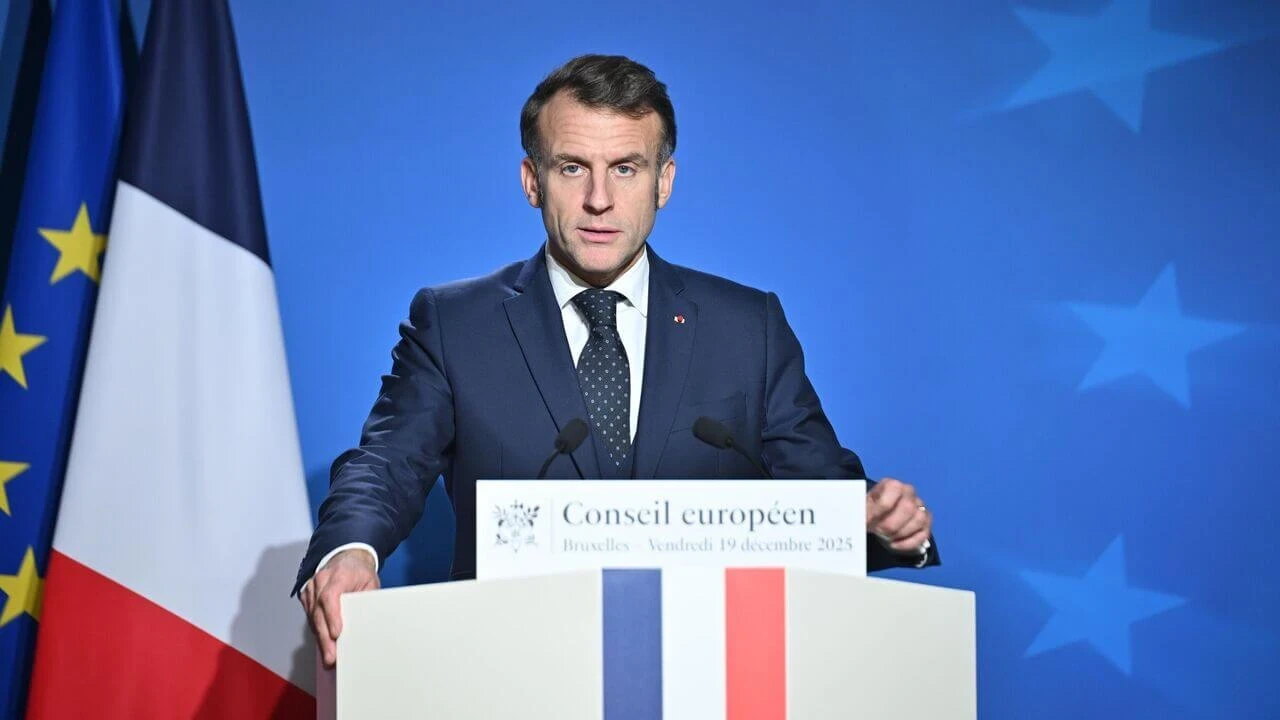
Thus, it becomes clear that the dialogue between the state and the media is not a separate element of political culture but a necessary component of the governance system. Where it is established, the state has the opportunity to gain a more accurate understanding of what is happening and to correct its actions before mistakes escalate into crises. Otherwise, a gap arises between reality and its perception, which may remain unnoticed for a long time but inevitably leads to serious consequences.
In this light, the issue of dialogue goes beyond professional discussion and becomes a question of the effectiveness of the state itself, its ability to assess the country not only through internal reports but also through independent sources of information that reflect the real life of society.
Conclusion
The dialogue between the state and independent media is not about political gestures but about how accurately the authorities understand the country they govern. Where there is full feedback, decisions are made based on the real picture, not on smoothed reports and internal interpretations.
The experience of Kyrgyzstan and other countries demonstrates that the resilience of a system is not determined by the absence of criticism but by the ability to perceive it and use it for management conclusions. Journalism, in this context, is not a source of pressure but a mechanism that helps identify problems before they escalate into crises.
The current moment provides an opportunity to create this dialogue as a permanent practice embedded in the governance system. The future of this dialogue, its transformation into a working tool or its relegation to the level of statements, will determine not only the state of the media but also the ability of the state to see and timely understand its reality.
Sanjar Erkindikov