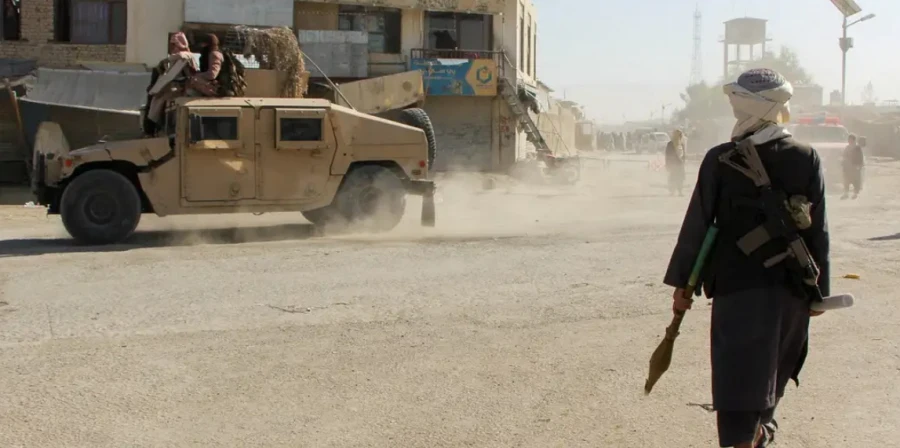
A military conflict has erupted between Pakistan and Afghanistan.
Here is a brief overview of recent events:
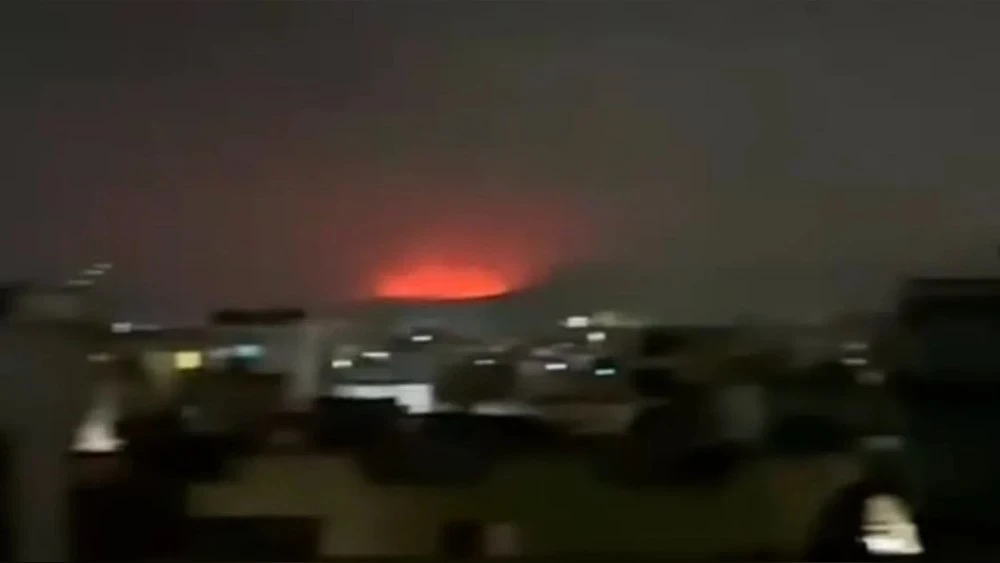
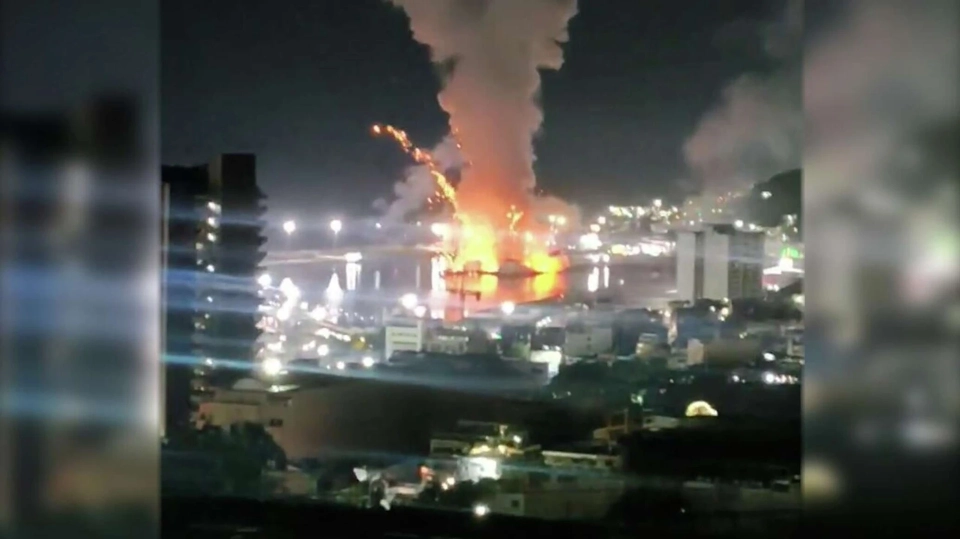
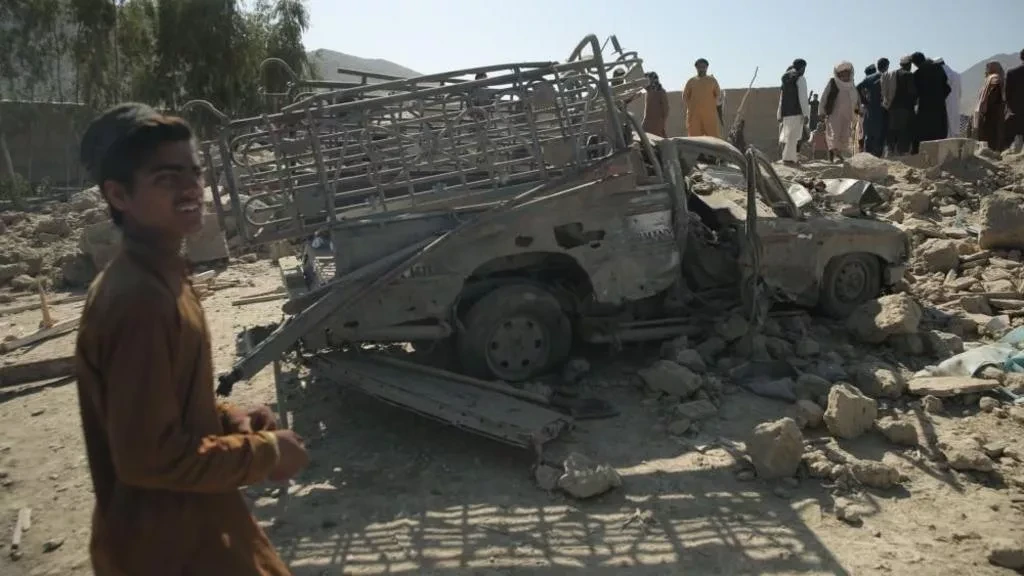
- This morning, Pakistan carried out airstrikes on two targets in Kabul, the Afghan capital.
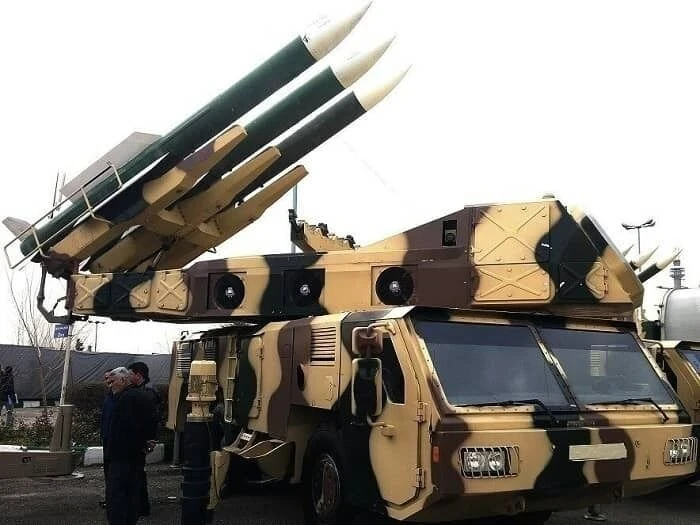
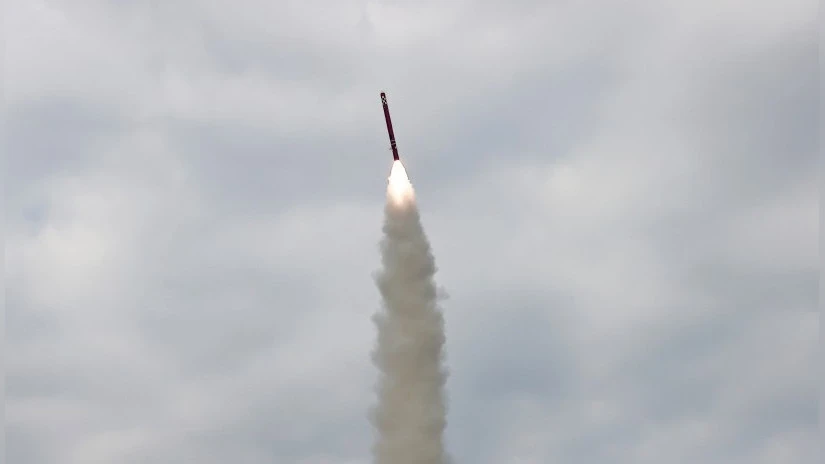
- According to Al Jazeera correspondent Nasser Shadid, the first strike occurred around 1:50 local time (21:20 GMT), to which Afghan forces responded with fire from anti-aircraft installations.
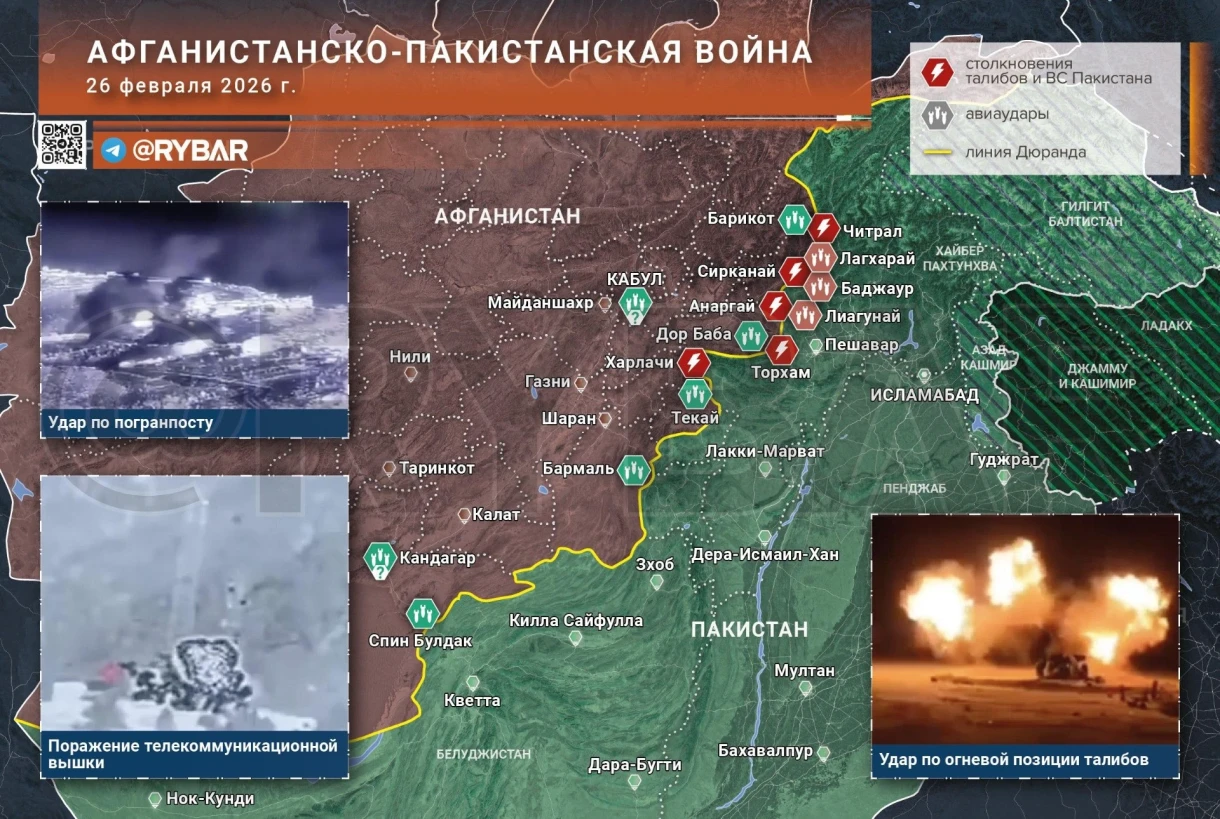
- Pakistan's Information Minister Attaullah Tarar announced on X that "the targets of Afghan Taliban were attacked in Kabul, Paktia, and Kandahar," while Defense Minister Khawaja Asif declared the "beginning of an open war" against the Taliban.
- On Thursday, both countries exchanged fire along their border, with each side reporting casualties.
- The escalation of the conflict followed several days of tension, although the deterioration of relations between Pakistan and Afghanistan has been observed for several months.
- Taliban representatives announced the start of a major offensive operation against Pakistani targets along the Durand Line.
- The Taliban stated that their actions were a response to recent airstrikes by Pakistan that occurred earlier this week.
The Islamabad Information Ministry accused the Taliban of firing at several targets along the common northwestern border just hours before the airstrikes.
The ministry stated on September 10: "Afghan Taliban did not take the situation into account and opened fire on several targets on the Pakistan-Afghanistan border in [Khyber Pakhtunkhwa], which provoked an immediate and adequate response from Pakistani security forces."
"In the regions of Chitral, Khyber, Mohmand, Kurram, and Bajaur, the Taliban are suffering losses. Preliminary data indicates significant casualties on the Afghan side, with many of their facilities and equipment destroyed," the ministry added.
Khawaja M. Asif, Pakistan's Defense Minister, made a sharp statement on the X platform declaring the "beginning of an open war" against the Taliban.
This statement followed a series of attacks by Pakistani forces on major Afghan cities in response to an attack by Afghan forces.
According to Khawaja, Pakistan has made efforts to maintain peace through diplomatic channels.
"Our patience is exhausted. We are in a state of open war," he added.
In October, both sides agreed to a fragile ceasefire after a series of battles; however, clashes continued.
Recent strikes on Kabul and Kandahar were the latest in a series of conflicts between the two countries, despite a previously reached ceasefire agreement.
Last week, Pakistan conducted several airstrikes, resulting in the Taliban claiming that at least 18 people, including women and children, were killed.
Islamabad confirmed that the strikes targeted alleged militant camps and were carried out following recent terrorist attacks in Pakistan. Kabul, on the other hand, reported that the strikes hit residential buildings and religious institutions, leading to civilian casualties.
The Taliban announced the start of a "large-scale" operation and claimed that during their attacks, a "significant number" of Pakistani soldiers were killed.
These claims were denied by a representative of the Prime Minister of Pakistan, who also disputed the Taliban's statements about capturing 15 military posts.
Later that same day, it was reported that two Pakistani soldiers were killed and three others wounded as a result of shelling that occurred without any provocation.
As in previous conflicts, both sides accuse each other of starting the confrontation and claim to have suffered significant losses.
On Friday, Pakistani authorities reported the beginning of "counteroffensives" in cities such as Kabul and Kandahar in response to "unprovoked attacks" from the Afghans.
The Taliban, for their part, announced the start of their "large-scale" operation in response to earlier attacks, which they claim resulted in 18 deaths. Islamabad insists that their goal was to neutralize militant camps.
According to a Taliban representative, the "retaliation" operation began around 8:00 PM local time (15:30 GMT) on Thursday.
Zabihullah Mujahid, the main representative of the Taliban, stated that as a result of their offensive, a "significant number" of Pakistani soldiers were killed, and others were captured; however, Pakistani authorities denied this information.
The spokesperson for the Prime Minister of Pakistan, Musharraf Zaidi, reported that 27 Taliban military posts were destroyed as a result of the attacks, and nine were captured.
Additionally, according to him, more than 80 tanks, artillery systems, and armored personnel carriers were destroyed.
"Pakistan is responding promptly to aggression," he added in his message on X.
The Taliban Ministry of Defense reported the capture of 19 Pakistani military posts and two bases, claiming that 55 soldiers from the Pakistani side were killed during the fighting.
It should be noted that verifying this information is difficult, as both sides claim significant losses.
Pakistani Prime Minister Shehbaz Sharif emphasized that the armed forces are capable of preventing any aggressive actions.
"The defense of our homeland is a priority, and there will be a worthy response to every act of aggression," he noted in his messages on the X platform.
Hamid Karzai stated that Pakistani airstrikes targeted Kabul, Kandahar, and Paktia in Afghanistan.
"Afghans will defend their homeland with full determination and will respond to aggression," wrote the former President of Afghanistan.
"Pakistan must change its policy and choose the path of good neighborliness instead of continuing the violence and bombings that it itself has created," he added.