History of the Conflict
The escalation of tensions between the two countries began in February 2026, when Pakistan accused Afghanistan of harboring militants from the "Tehrik-i-Taliban Pakistan" (TTP), involved in a series of terrorist attacks on Pakistani territory.In response to the militants' attacks, the Pakistani Air Force conducted airstrikes on the Afghan provinces of Nangarhar and Paktika, claiming that the targets were TTP and "Islamic State - Khorasan" camps. Afghan authorities stated that these strikes resulted in civilian casualties and violated the country's sovereignty.
By February 21-22, the situation reached a critical point, escalating into a border crisis.
Beginning of Operations on February 26
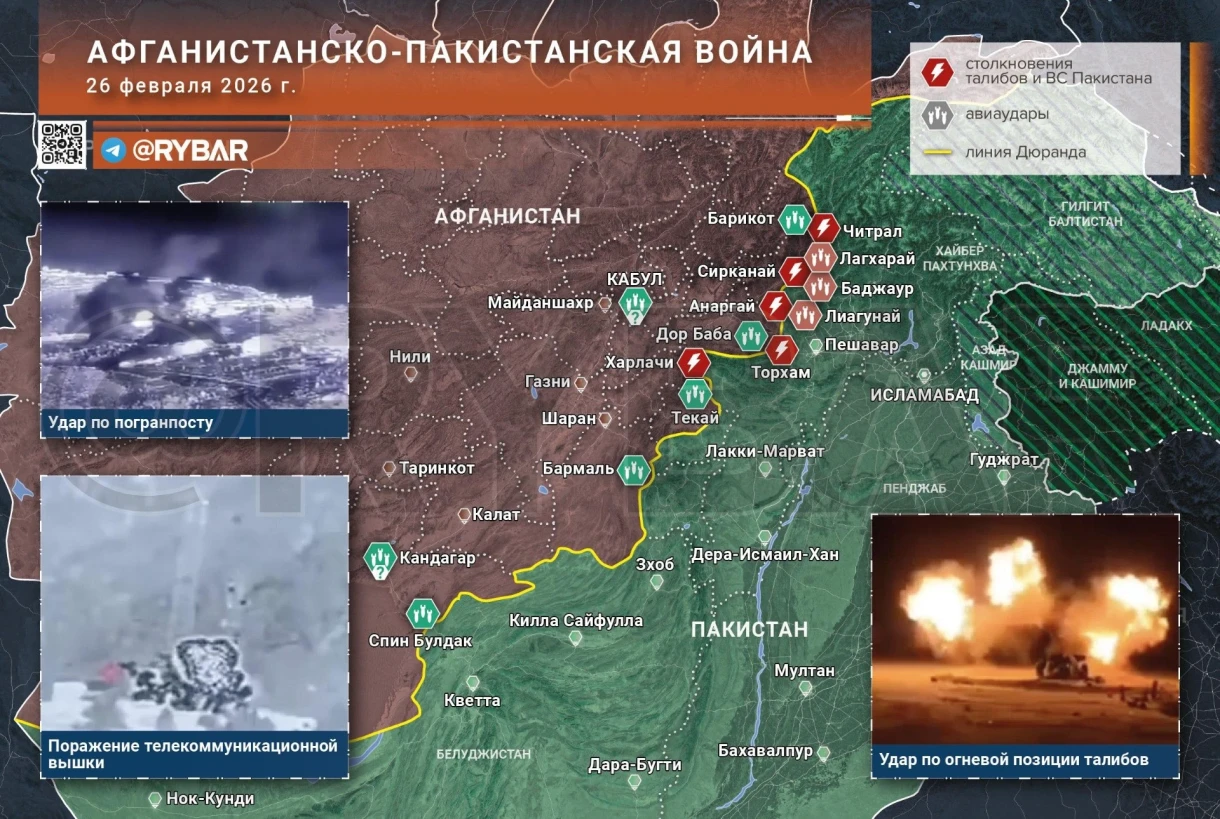
On February 26, Afghan armed forces announced the start of a retaliatory operation in response to the Pakistani bombings.According to information from Afghan authorities, the strikes were aimed at military facilities in Pakistan along the Durand Line, the de facto border between the two countries. Conflicts unfolded in several border provinces, such as Khost, Paktia, and Nuristan.
On the other hand, Pakistani sources claimed that Afghan forces opened fire on their border units, leading to clashes involving heavy weaponry.
In response, Islamabad announced the start of a military operation against the Taliban.
Events of February 27: Airstrikes and Consequences
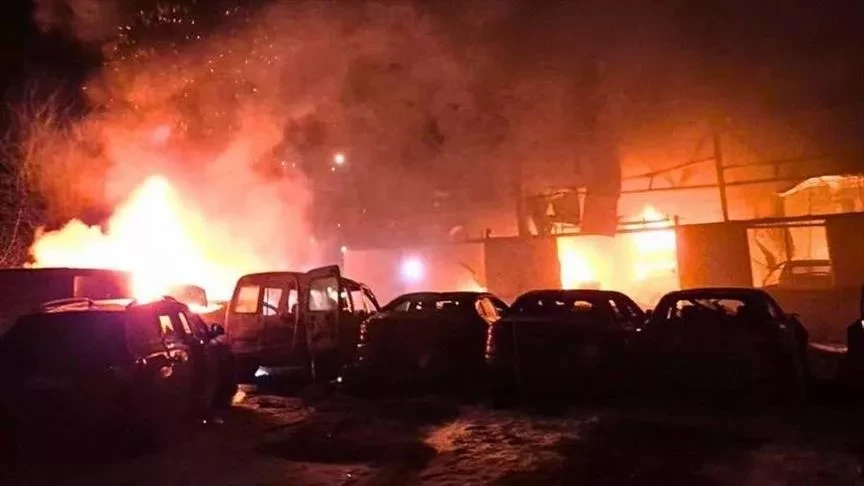
On the night of February 27, Pakistan conducted a series of airstrikes on Afghan territories. According to Afghan authorities, the strikes targeted Kabul and other provinces.Explosions and attacks on military facilities occurred in the capital, with both sides reporting dozens of dead and wounded, although independent sources have not confirmed these figures.
Strikes were also recorded on facilities in Nangarhar, including ammunition depots.
Accusations and Reactions
The parties express opposing views on the situation. Afghanistan claims that its actions are self-defense following attacks from Pakistan. At the same time, Pakistan states that it is responding to "unprovoked attacks" by Afghan forces and the actions of terrorist groups on its territory.Pakistan's Defense Minister Khawaja Asif reported that the conflict has transitioned into an open phase of confrontation.
Prospects and Risks
Armed clashes occur against the backdrop of long-standing tensions between the two countries and disputes over the Durand Line, which Afghan authorities do not recognize.Experts express concerns that the current escalation is the most significant between Afghanistan and Pakistan in recent years and could lead to a broader conflict if the parties do not return to a ceasefire regime.
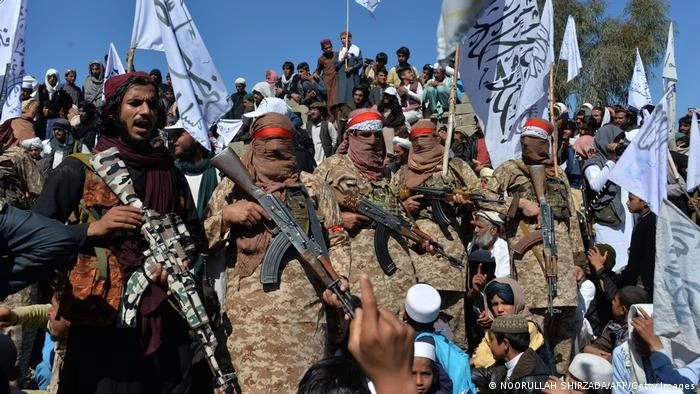
Photo on the main page is illustrative: RIA "Novosti".