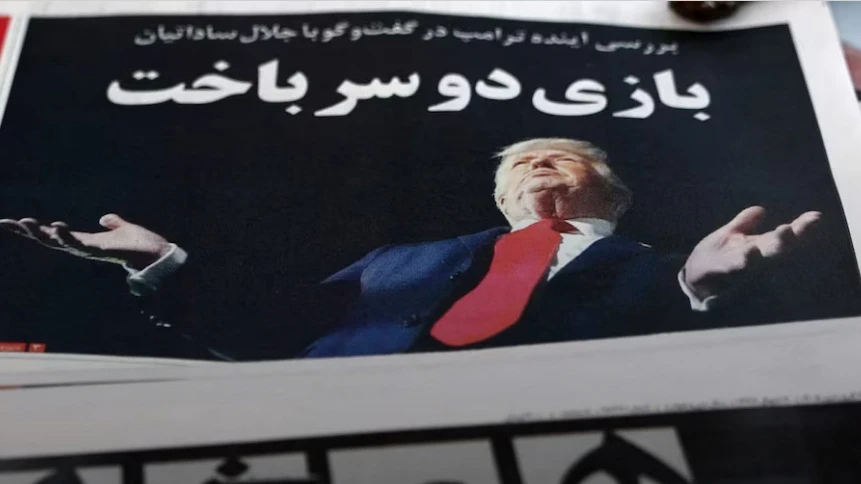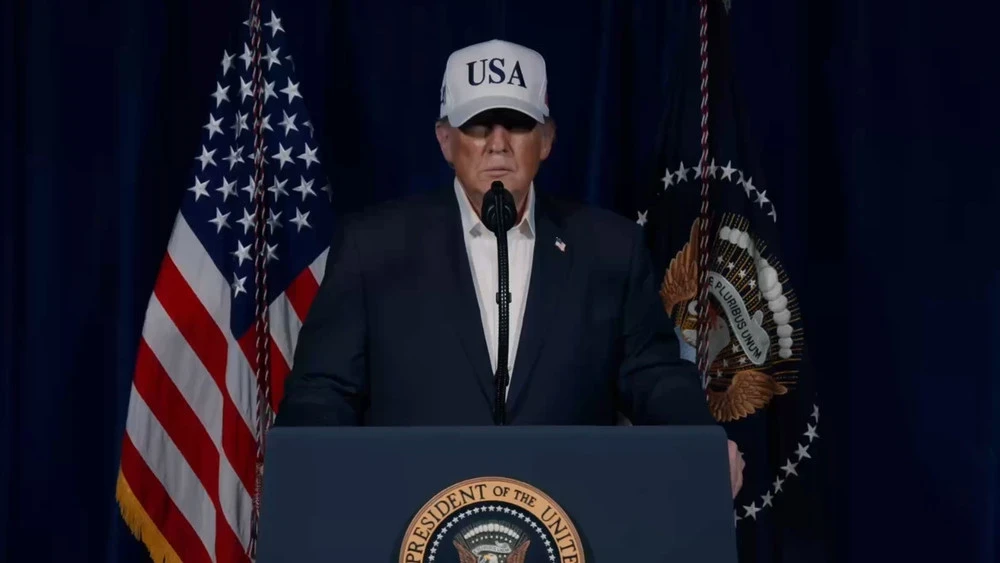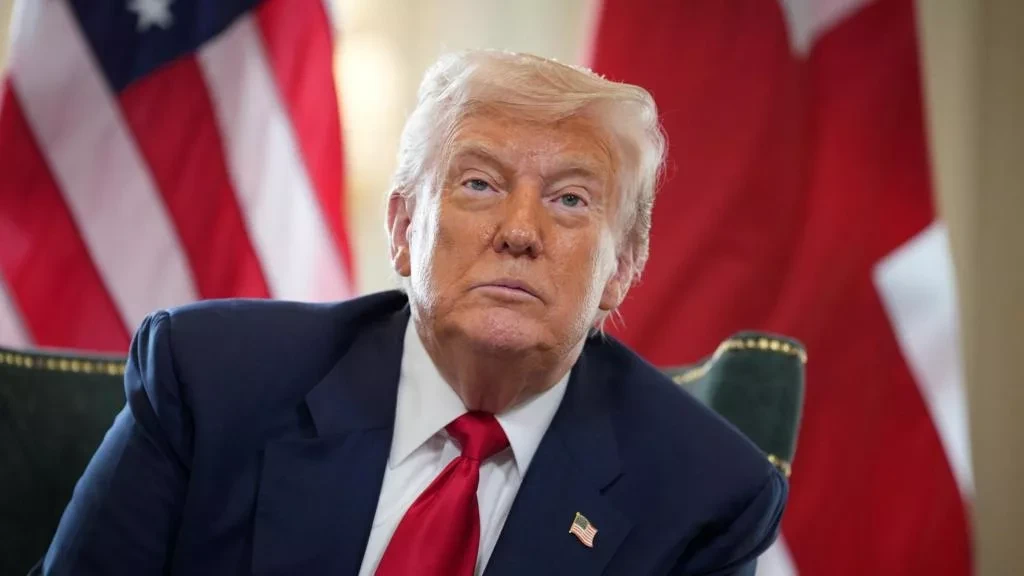
According to Trump, the ceasefire will be bilateral. He noted: “We received a ten-point proposal from Iran and consider it the basis for further negotiations.”
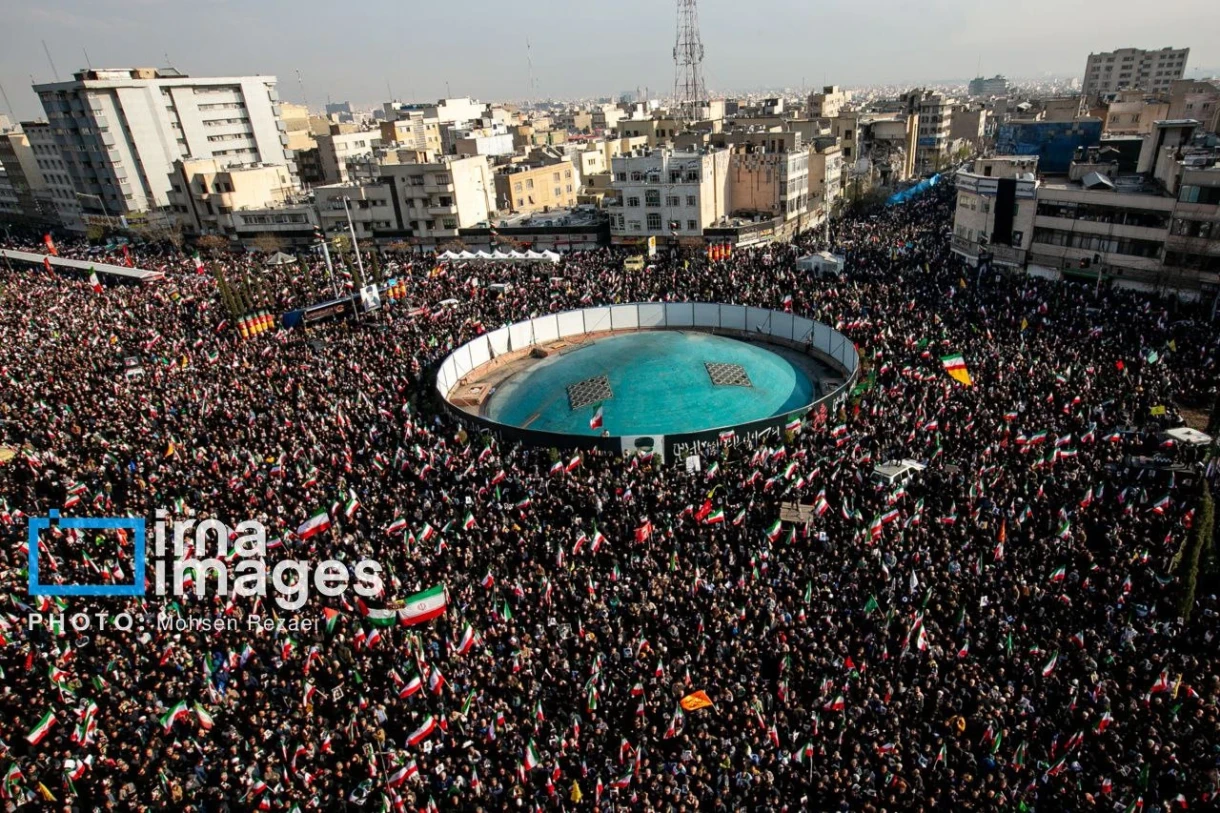
The Iranian authorities, in turn, confirmed their agreement to the ceasefire, stating that they achieved a significant victory by forcing the U.S. to acknowledge their ten-point plan.
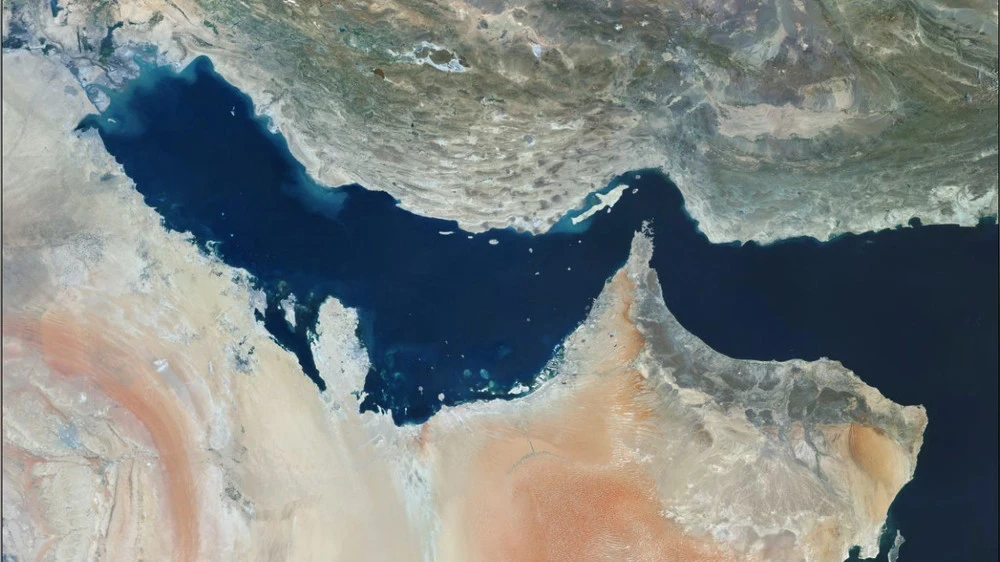
Iran's Foreign Minister, Abbas Araghchi, also confirmed that for two weeks, vessels will be able to pass through the Strait of Hormuz, provided they coordinate their actions with the Iranian military. Later, Trump shared a screenshot of this message on Truth.
Additionally, Iranian state media reported that direct negotiations between Tehran and Washington will begin on April 10 in Pakistan. White House Press Secretary Caroline Levitt confirmed that the U.S. is considering this possibility but urged to wait for official comments from Trump.
According to The New York Times, citing three Iranian officials, Tehran agreed to the ceasefire “after intense diplomatic efforts from Pakistan” and intervention from China, which at the last moment urged Iran to “show flexibility.”
According to CNN, Israel will also participate in the two-week ceasefire, according to a source.
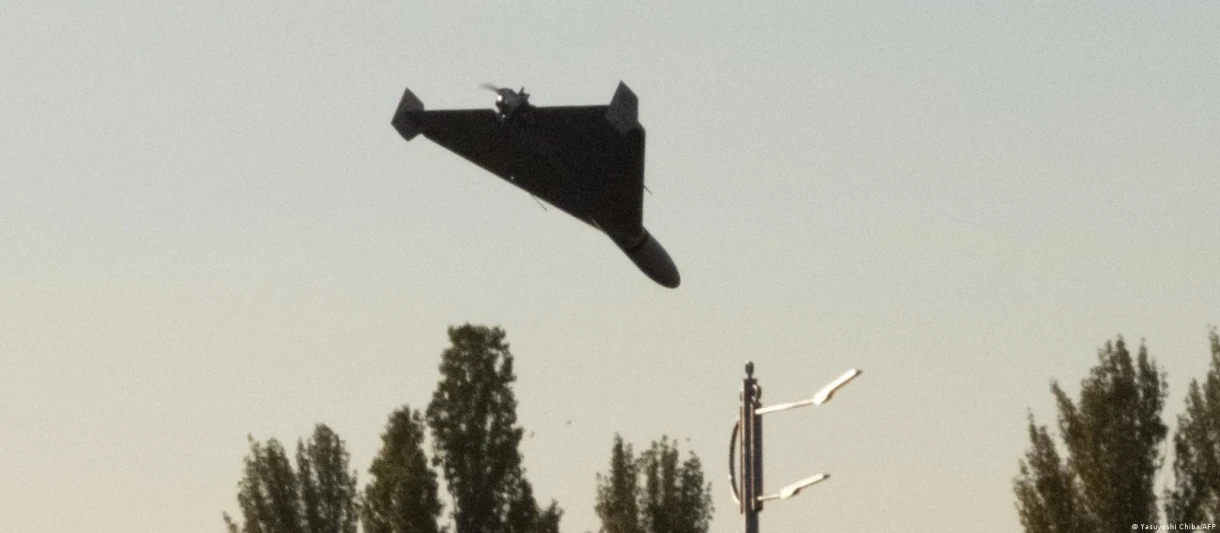
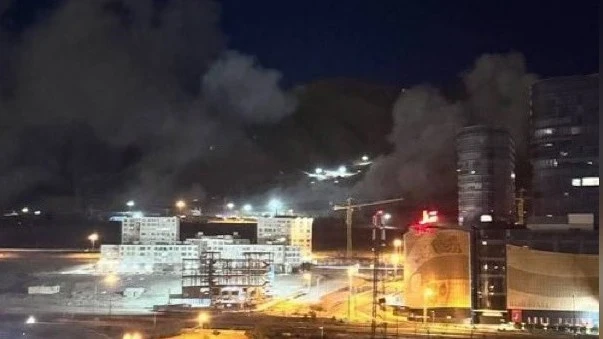
It is unclear when exactly this ceasefire will take effect. After Trump’s announcement, Israel and the United Arab Emirates reported new launches of missiles and drones from Iranian territory.
Trump's message was published less than two hours before the deadline he set for opening the Strait of Hormuz. He had previously warned that otherwise “a whole civilization could perish tonight.”
Before Trump's statement, Pakistan's Prime Minister, acting as the main mediator, Shahbaz Sharif, publicly urged the U.S. president to postpone the deadline by two weeks to achieve a peace agreement, also suggesting that Iran open the Strait of Hormuz “as a gesture of goodwill.”