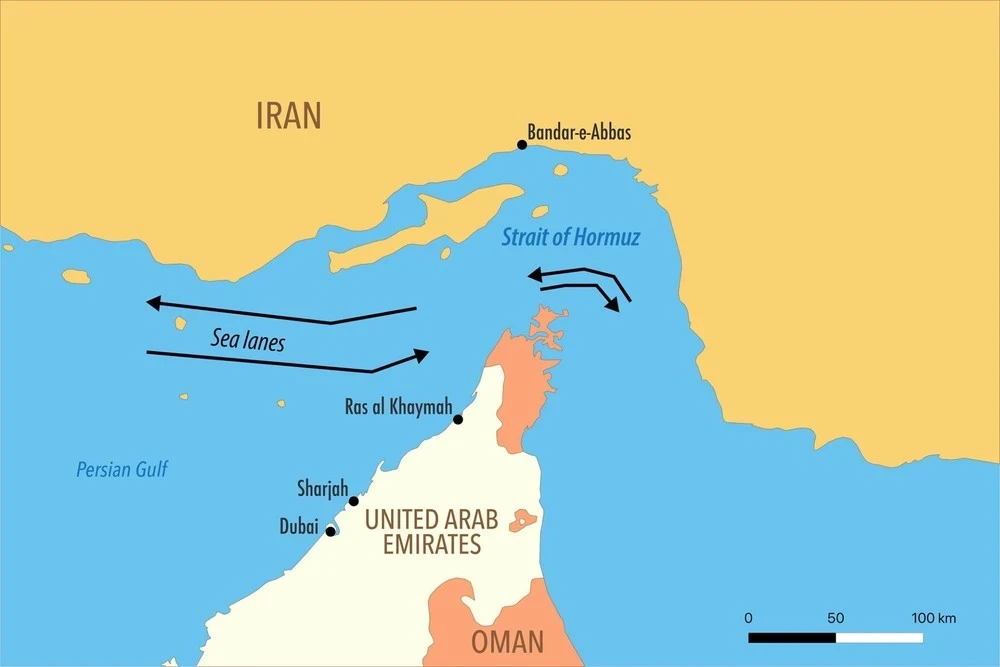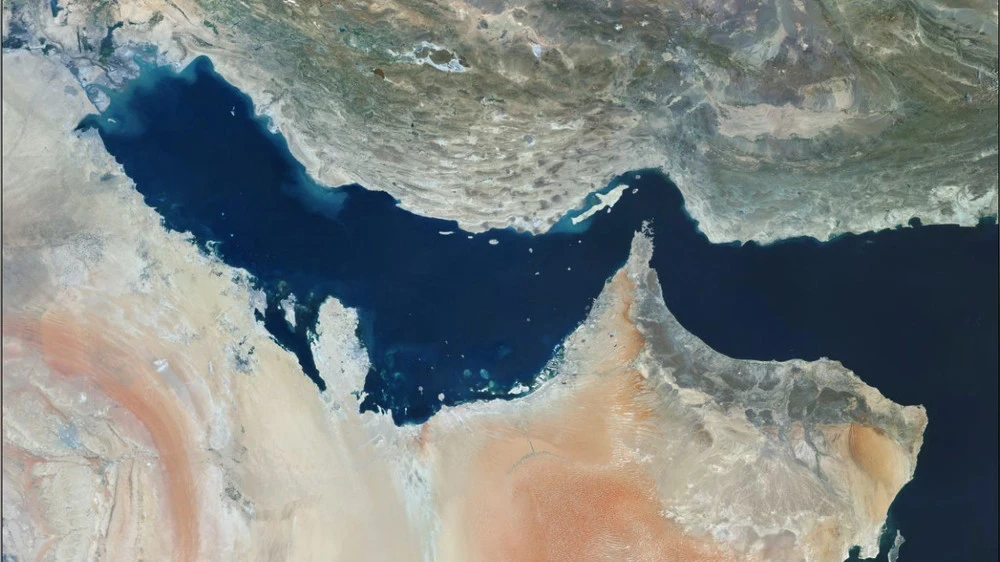
Despite the superiority of American armed forces, Washington is struggling to achieve the desired outcomes in the conflict with Iran. The main source of strategic difficulties requiring immediate response is the global energy and food crisis triggered by Iran's closure of the Strait of Hormuz. This route had provided a significant portion of global fuel and fertilizer consumption before the conflict began. To restore navigation, the Trump administration must choose one of the undesirable options: conduct a ground operation, deploy significant naval forces to the region, or agree to peace negotiations with the new Iranian authorities. Each of these options carries risks and does not guarantee success, especially considering the desire of American authorities to avoid increasing casualties. Details are outlined in the analysis by 'Meduza'.
What has happened in a month of hostilities?
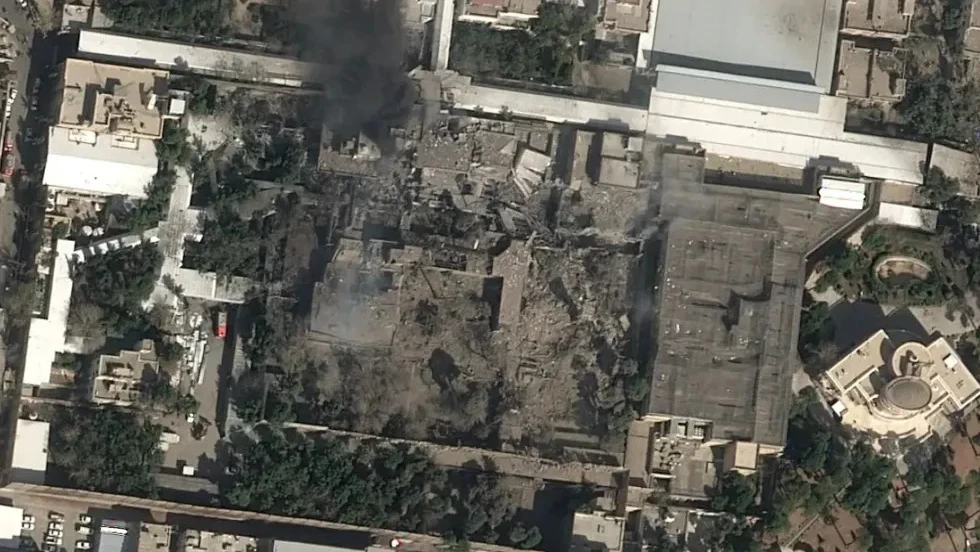
In the first weeks of the conflict, both sides demonstrated their strategic advantages. The US and Israel initiated a large-scale air campaign that included thousands of strikes on pre-determined targets. As a result, significant parts of the Iranian political and military leadership were destroyed, as well as missile bases and mobile launchers; the Iranian navy suffered serious losses. However, as targets became exhausted, the intensity of strikes from the US and Israel noticeably decreased, although officials claim otherwise. As Trump noted, "there's literally nothing left to bomb." Meanwhile, the Iranian regime did not collapse, and the new authorities proved to be more prepared than expected, allowing the Islamic Republic to draw the US into a protracted war and begin developing alternative plans.
Unexpectedly, the Iranian side began launching missile and drone strikes against neighboring countries and Israel. The intensity of these attacks decreased compared to the first week of the conflict, but they still deplete the interceptor missile stocks of American air and missile defense systems. Although the number of attacks has reduced, the effectiveness of defense is declining, and it is unclear whether this is due to the depletion of Iranian stocks or part of Iran's strategy to continue a war of attrition.
The US administration is also facing pressure from Arab countries in the Persian Gulf, which have become unwilling participants in the conflict, although many of them sought to rid themselves of the Iranian threat.
The most acute problem has become the blockade of the Strait of Hormuz, which was expected after the onset of the full-scale attack. The US anticipated this threat and designated forces to destroy the Iranian navy capable of closing the strait.
In practice, Iran did not need a fleet or mining to block navigation — a formal announcement of the closure of the strait, reinforced by drone strikes on tankers, was sufficient. This deprived the world of about one-fifth of its oil and a quarter of its gas, which could lead not only to a spike in prices but also to a severe shortage of fertilizers, threatening famine and unrest in poor countries.
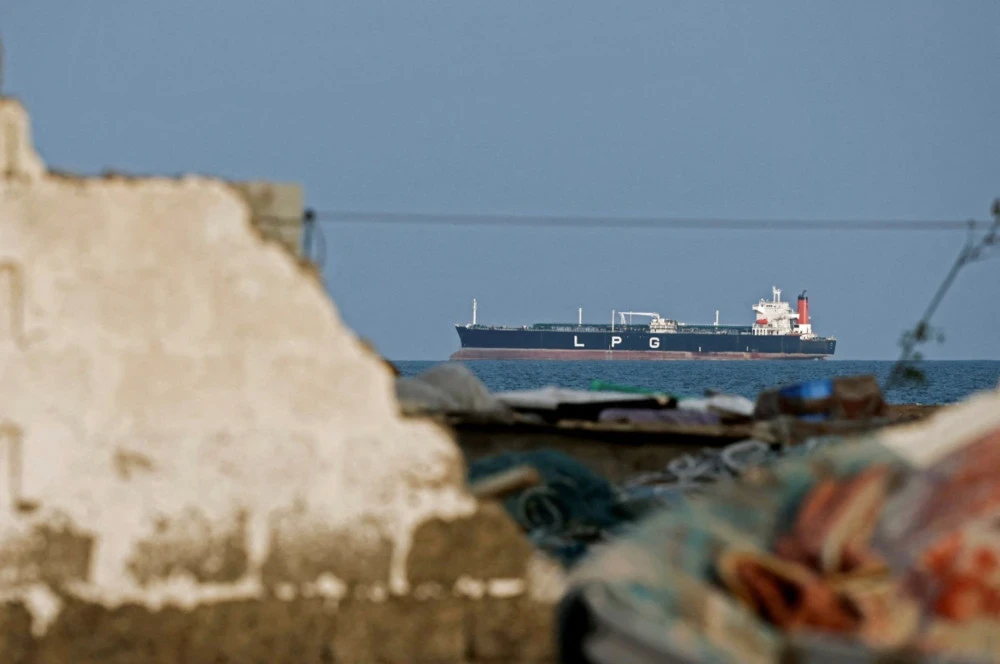
Trump is likely most concerned about rising fuel prices in the US, caused by global instability ahead of the midterm elections in Congress in November. Therefore, in recent weeks, the administration has been actively seeking solutions to the problem with the Strait of Hormuz.
How can the problem with the Strait of Hormuz be resolved?
First option: compromise with Tehran
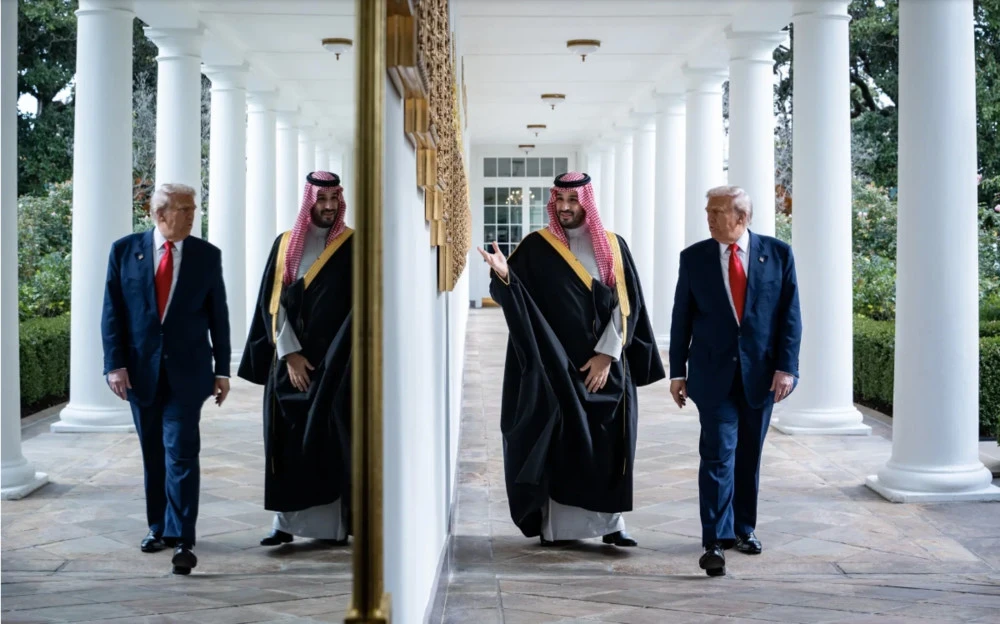
In recent days, Trump has stated that he is close to an agreement with some Iranian representatives, with whom negotiations are being conducted through intermediaries. Israeli and Western media have received information about drafts of the parties' demands. If these documents are accurate, an agreement is unlikely to be reached.
The positions of the parties have not changed since the negotiations in Switzerland stalled before the war began. The US continues to insist on Iran's complete abandonment of its nuclear and missile programs, while Iran is willing to make concessions on the nuclear issue but categorically rejects any limitations on missile production. A new aspect has emerged regarding the Strait of Hormuz:
- Iran wants to gain control over the strait and the right to charge shipowners.
- The US proposes to confirm the pre-war status of the strait with a guarantee of free navigation.
Iran has already begun charging fees for passage from ships belonging to neutral states, giving Tehran the ability to manipulate shipowners if the US attempts to use force. Shipowners have a choice: pay Iran and pass peacefully or risk their vessel by trying to pass with a US military convoy.
Second option: creating naval convoys
According to leaked information, the creation of convoys is the basis of the US command's "Plan B." This operation is feasible for the US fleet, but it carries significant risks. In the 1980s, American forces escorted tankers when Iran attempted to disrupt navigation in the Persian Gulf during its war with Iraq. However, at that time, Iran did not seek conflict with the US and did not possess modern military capabilities. Although Iran's military potential has likely decreased after recent strikes by Israeli and American forces, this remains in question.
- Iran's conventional fleet was mostly destroyed in the first weeks of the air campaign, but they still have small boats capable of attacking both civilian and military vessels.
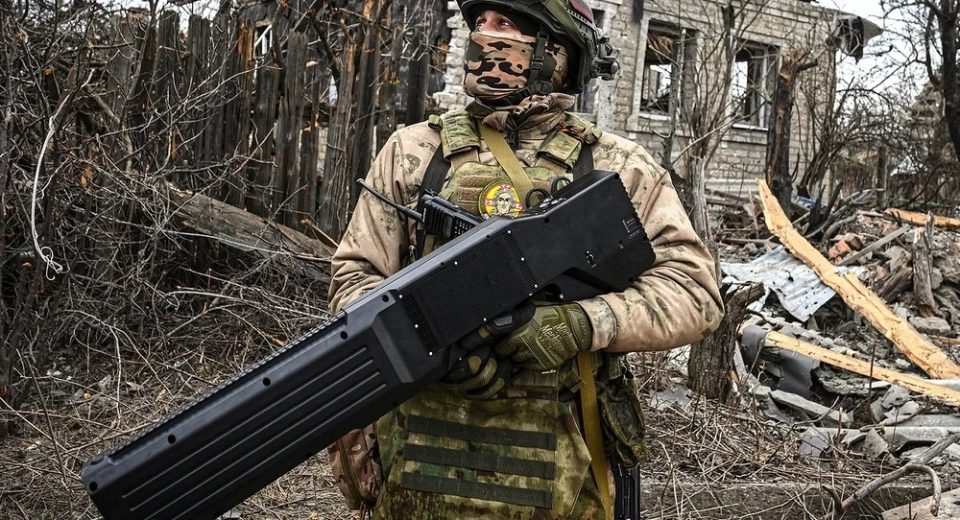
- Iran uses drones, complicating the task for military ships, especially if they are used against civilian vessels.
- Iran also has large stocks of naval mines, although many mine-layers have been destroyed. Nevertheless, mine installations can even be carried out from civilian vessels.
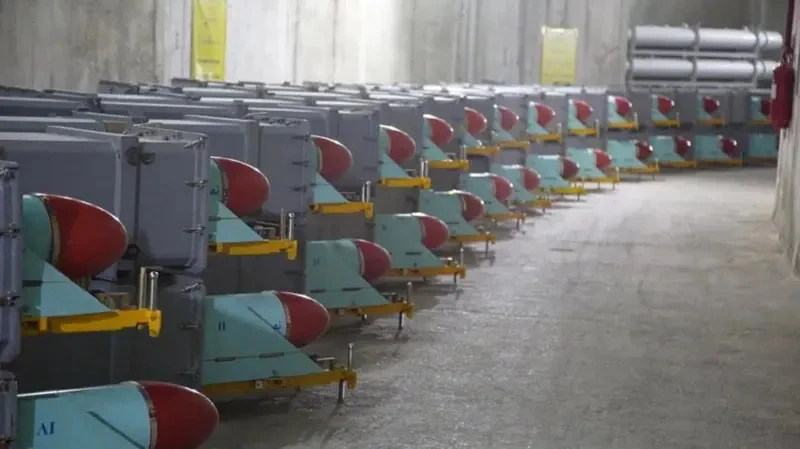
- To combat military ships, Iran has created an arsenal of anti-ship missiles, the launchers of which are located along the coast.
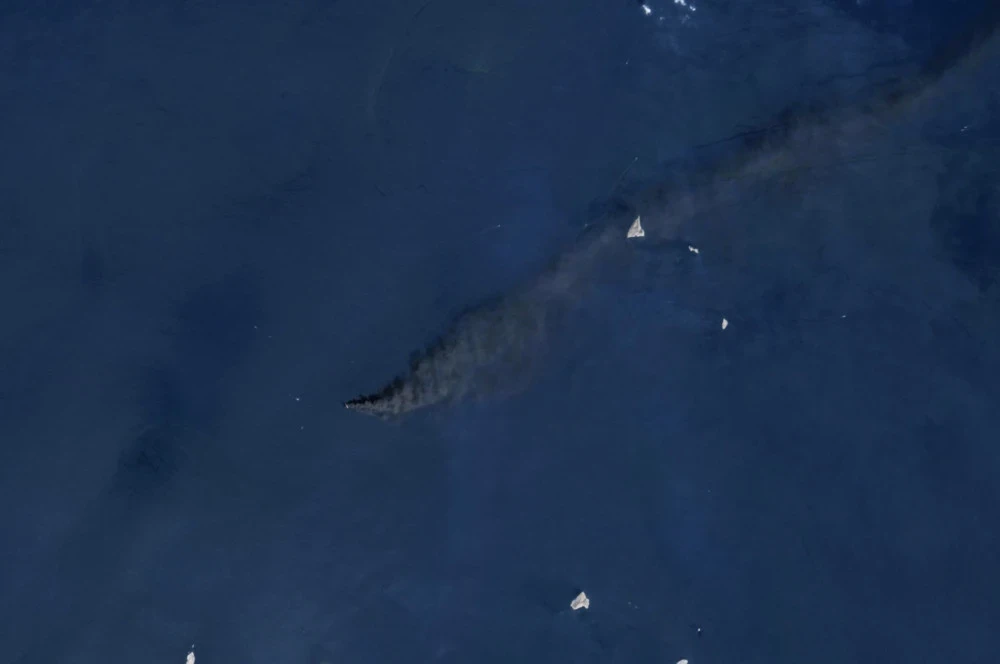
The American fleet is capable of countering these threats. In an interview, retired US Navy Rear Admiral Mark Montgomery explained how this might look:
- Before starting the escort of convoys, it is necessary to destroy as many dangerous targets on the shores of the Strait of Hormuz as possible. This will take at least two weeks with active use of aviation.
- Destroyers with guided missiles must arrive in the strait to provide protection for the convoys.
- They will be joined by coastal ships equipped with modules for mine clearance.
- The first convoy should be protected by two destroyers, and aviation will protect it from drones.
- If the first passages are successful, the number of vessels in the convoy can be gradually increased.
- Tankers need to be protected not only in the strait itself but also up to 100 kilometers away from it, which will require a significant number of destroyers.
However, such operations carry high risks. If Iran is able to strike even a few tankers, shipowners may prefer to pay Iran for safe passage.
There are also risks of American military ships being hit, which could create serious political problems for Trump. In the narrow strait, the air defense of destroyers will have difficulty responding to high-speed missiles, creating additional challenges.
It is well known that the Trump administration initially sought to avoid such risks. A day before the war began, the remaining destroyers left their base in Bahrain, and their current location is unknown.
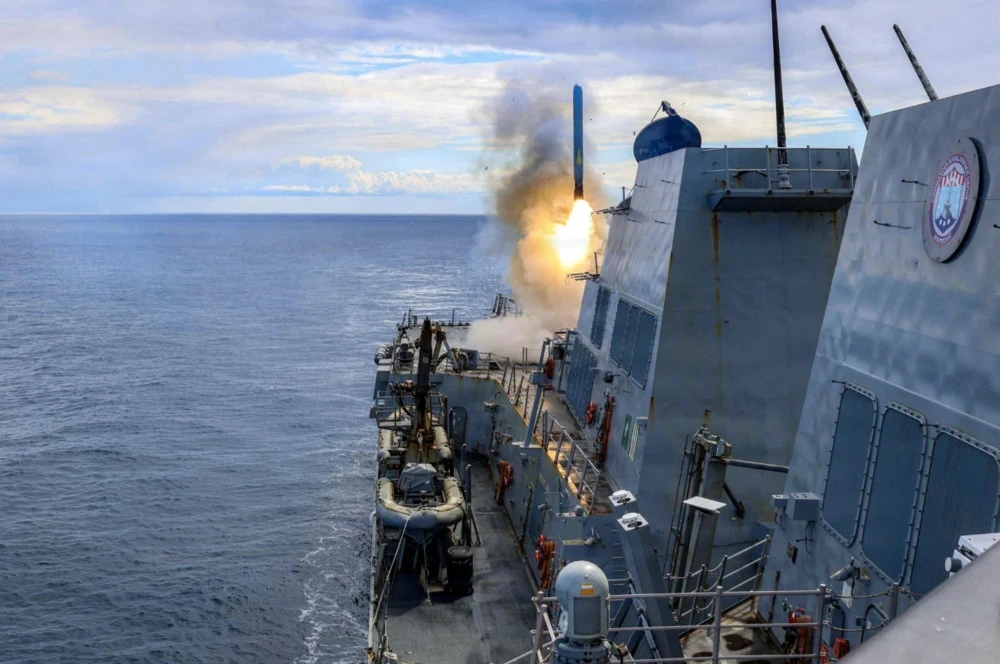
Currently, there is no information that a large group of destroyers and coastal ships is heading to the region. One of the aircraft carriers has relocated to Crete after the fire incident, while the other has left the eastern part of the Gulf of Oman.
Third option: ground operation
Although a landing of marines or special forces in Iran will not be able to unblock navigation, the American command has sent two Marine Expeditionary Units to the region, each consisting of 2,000-2,500 Marines. The first group is expected to arrive in the Gulf of Oman by the end of the week. A brigade combat team from the 82nd Airborne Division is also expected to be deployed.
The paratroopers may be used to seize strategic positions, allowing for the identification and destruction of Iranian strike capabilities. However, such a landing would face serious risks and could incur significant casualties.
The idea of landing on Kharg Island also appears risky, as capturing this object would not provide any benefit for unblocking the Strait of Hormuz. Options for capturing Iranian terminals for oil shipment seem unreasonable and more dangerous than symmetrically closing the passage for Iranian tankers.
What awaits Trump in the future and how quickly can navigation be restored?
If Iran does not capitulate and accept US conditions, escalation of the conflict is inevitable. The Iranian leadership does not trust the US and demands guarantees of non-aggression in the future.
The US also cannot compromise, as this would undermine the authority of the Trump administration. It will not be possible to end the war "the Trump way," and leaving the situation with the Strait of Hormuz as it is cannot be done due to its impact on energy prices.
If the operation to break the blockade is successful, it could be considered a "victory," however, restoring stability in the oil and gas market will be a challenging task, as evidenced by the experience with the Yemeni Houthis. Shipping volumes in the Suez Canal and Bab-el-Mandeb Strait have not recovered after conflicts.
Only a durable peace can eliminate the threat to navigation and the economies of Middle Eastern countries, but the conditions for achieving it remain uncertain.