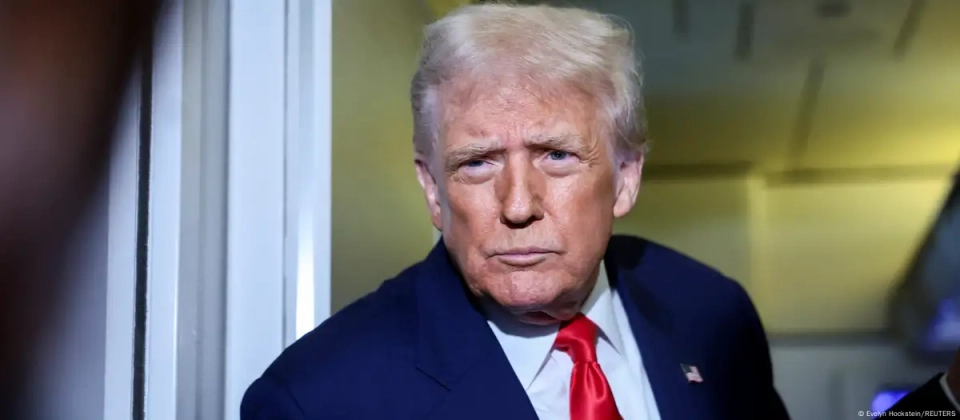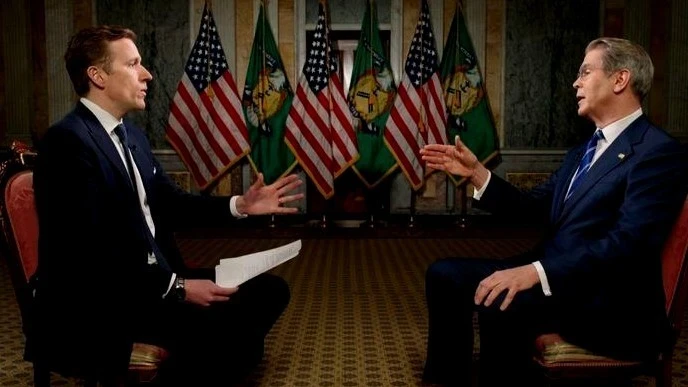
Bessent noted that tankers, including Iranian ones and those flying the Chinese flag, are already passing through this strategically important strait, indicating that there is currently no threat of mining.
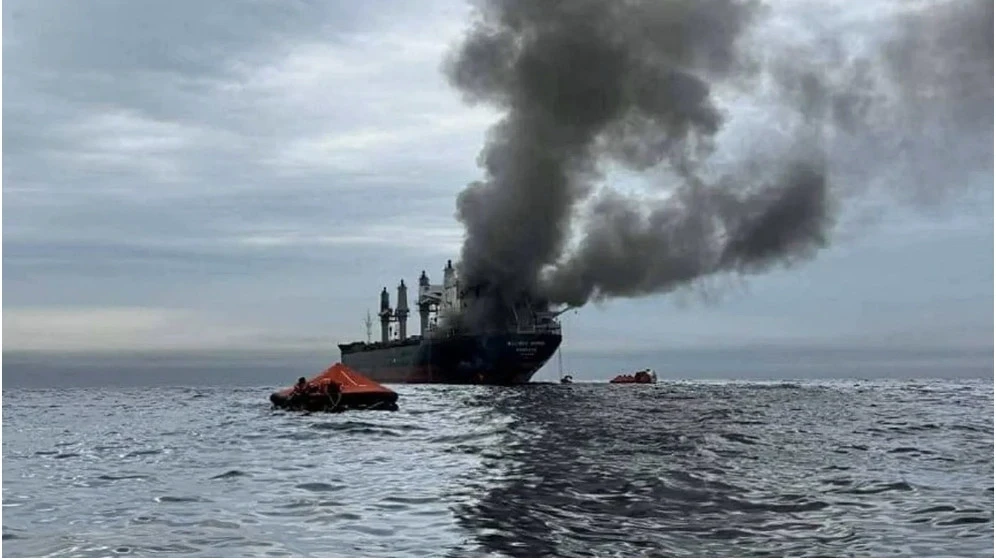
His statement was a response to recent threats from Iran's new Supreme Leader Mojtaba Khamenei regarding the closure of the Strait of Hormuz, which facilitates the transportation of about 20% of the world's oil. Iran's attacks on shipping and energy infrastructure in the Persian Gulf region have already led to a rise in oil prices above $100 per barrel. In response, developed countries announced the release of 400 million barrels from strategic reserves, nearly half of which came from the U.S., but this did not stop the price increase.
Meanwhile, on the same day, U.S. Energy Secretary Chris Wright told CNBC that escorting vessels is currently impossible: "We are simply not ready." Bessent also mentioned that the cost of the conflict for the U.S. has been about $11 billion, adding that he does not plan to oppose the president on this issue.
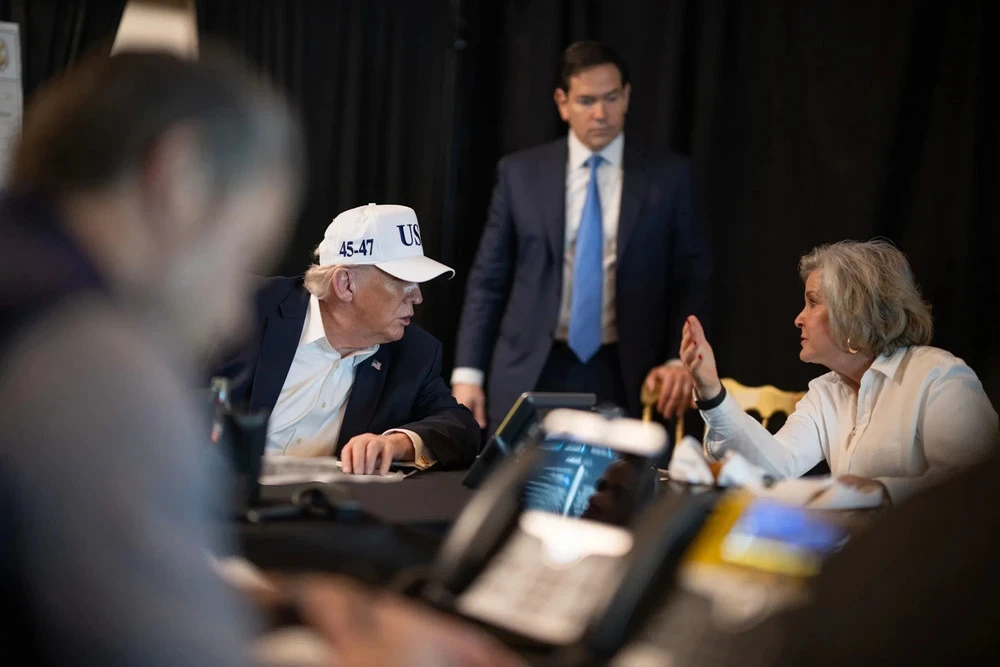
During the interview, Bessent had to leave the studio for a meeting at the White House Situation Room, where he spent about two hours. Discussing disagreements with the United Kingdom, the minister pointed out that the refusal to use British bases forces American B-2 bombers to undertake 37-hour flights instead of three-hour ones, which increases risks for the crew.