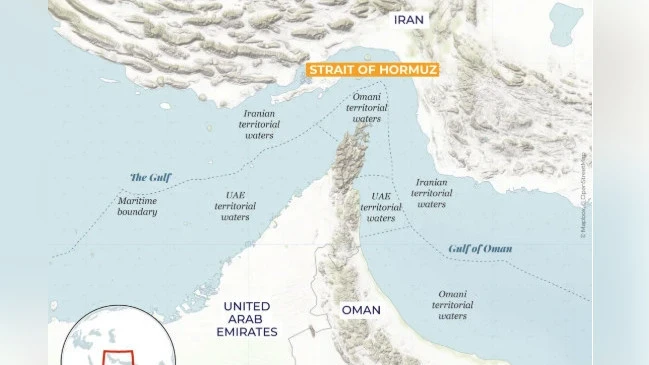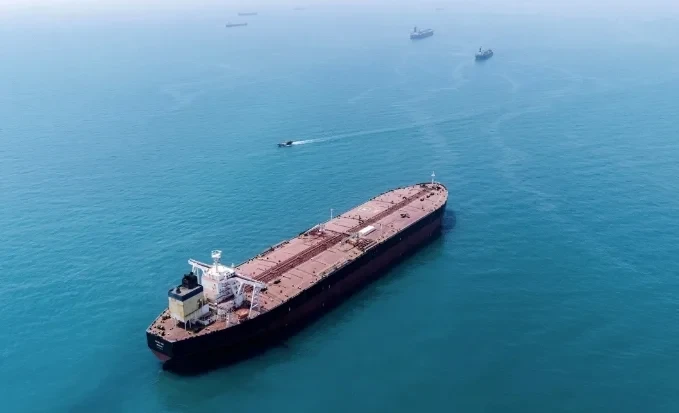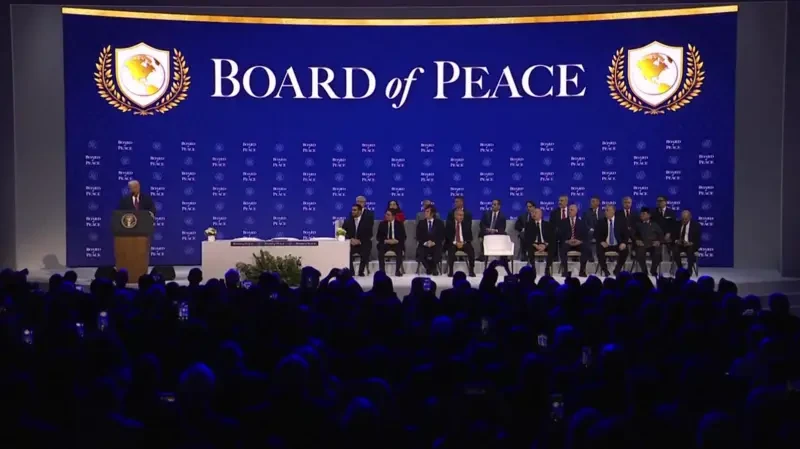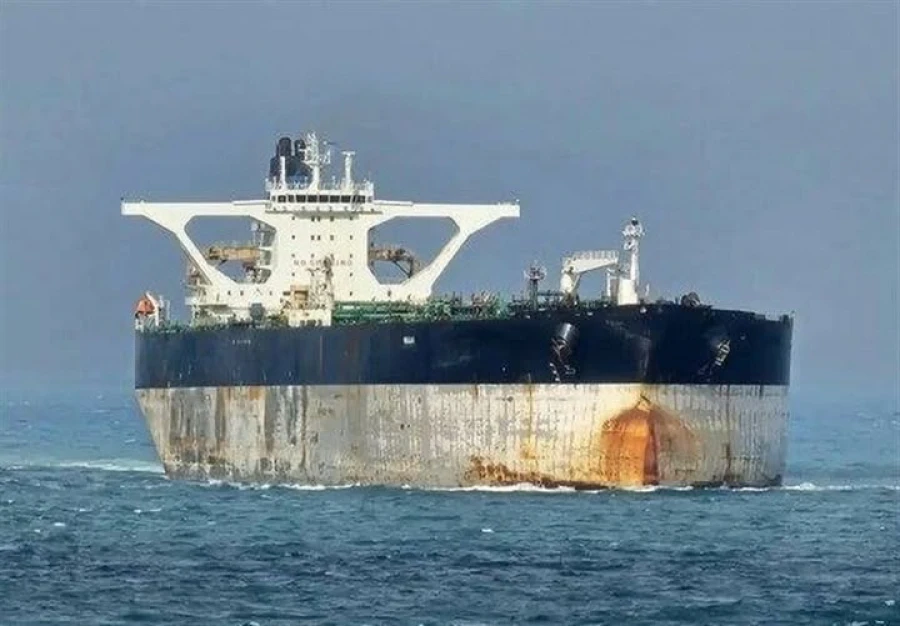
Last week, Donald Trump reaffirmed his intentions to ensure "unimpeded supplies of energy resources to the world," offering affordable insurance for vessels passing through the Strait of Hormuz. The President also stated that the U.S. Navy was ready to escort these vessels, protecting them from potential attacks by Iran. However, over time, Washington has not begun providing military escort services, and attempts to implement the insurance plan have faced serious difficulties.
As explained by representatives of the shipping industry and insurance brokers in interviews for The Wall Street Journal, the proposal for military risk insurance does not address the main issue hindering shipping in this region. Marcus Baker, head of marine and cargo insurance at the brokerage firm Marsh, noted that the Lloyd’s of London market, which specializes in marine insurance, is "open for business," yet insurance is not in demand. According to him, the issue of crew safety is much more pressing than insuring material damage, added Jerry Kalogiratos, CEO of Capital Clean Energy Carriers, who manages over 20 liquefied gas tankers.
Another problem is the absence of American companies engaged in specialized insurance, while Lloyd’s of London remains the main player in this market. To implement Trump's plan, the U.S. International Development Finance Corporation (DFC) allocated $20 billion, after which officials began reaching out to London insurers to understand the market specifics. They also requested confidential information that brokers were unwilling to provide.
David Smith, director of marine insurance at McGill and Partners, emphasized that there is a complex ecosystem surrounding military risk insurance, and American insurers rarely interact with it.
Realizing that organizing insurance would not be possible, U.S. authorities revised their plans, presenting $20 billion for reinsuring risks for insurers. A DFC representative stated that this offer would only apply to vessels meeting certain criteria, which have not yet been disclosed.
Smith expressed dissatisfaction with the lack of specific information regarding which vessels would fall under this program, noting the contradictory data available.
According to insurance brokers, the American initiative could help reduce insurance costs in the Persian Gulf, where it currently stands at 1-2% of the vessel's value, compared to 0.25% in peacetime. However, this does not resolve the issue of restoring shipping, which experts believe is impossible without organizing convoys under the protection of military ships. So far, there have been no updates from Washington regarding the prospects for such convoys.
In turn, French President Emmanuel Macron sent 12 ships to the Persian Gulf for a "purely defensive mission" to escort vessels in cooperation with European and other regional states. However, as Macron noted, this operation will only begin after the "most intense phase of the conflict" is over.
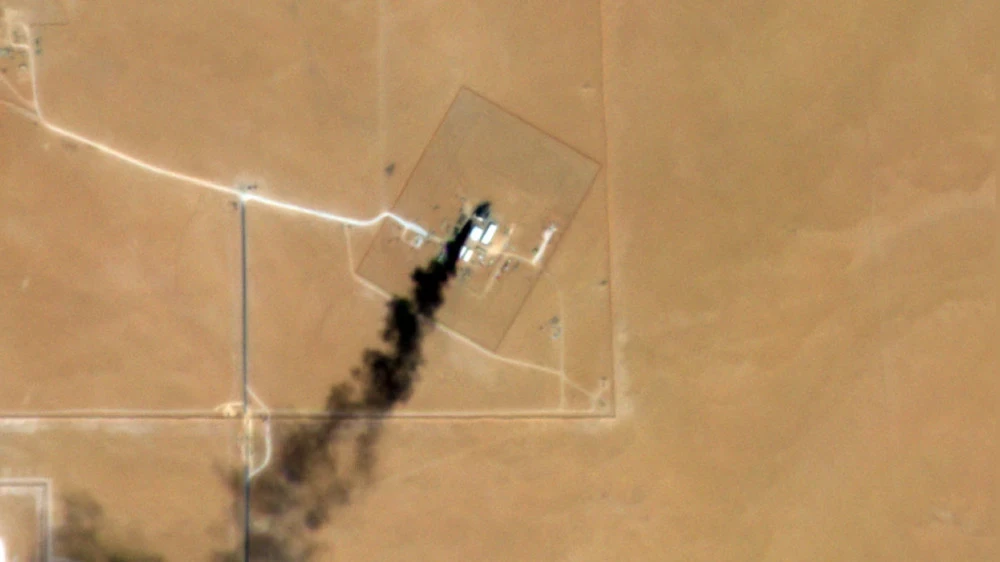
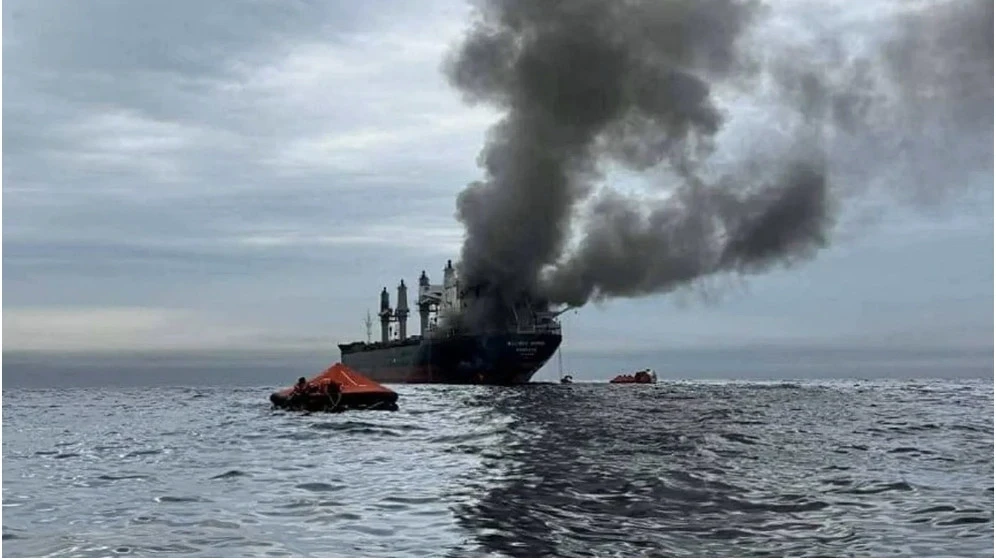
The conflict does not seem to be quieting down. Recently, Iran attacked two tankers off the coast of Iraq and a container ship near the UAE, resulting in Iraq closing all its oil terminals. Since the beginning of the conflict, the number of damaged vessels has already reached ten.
U.S. Energy Secretary Chris Wright stated in his post on X that the U.S. Navy "successfully escorted" an oil tanker through the Strait of Hormuz, which led to a drop in Brent crude prices to nearly $85 per barrel. However, two hours after the post was published, it was deleted.
White House Press Secretary Caroline Levitt denied the information about escorting the tanker, while Iranian Foreign Minister Abbas Araghchi accused American officials of spreading false information to manipulate the markets. As a result, oil prices rose again and exceeded $100 per barrel in morning trading on Thursday.
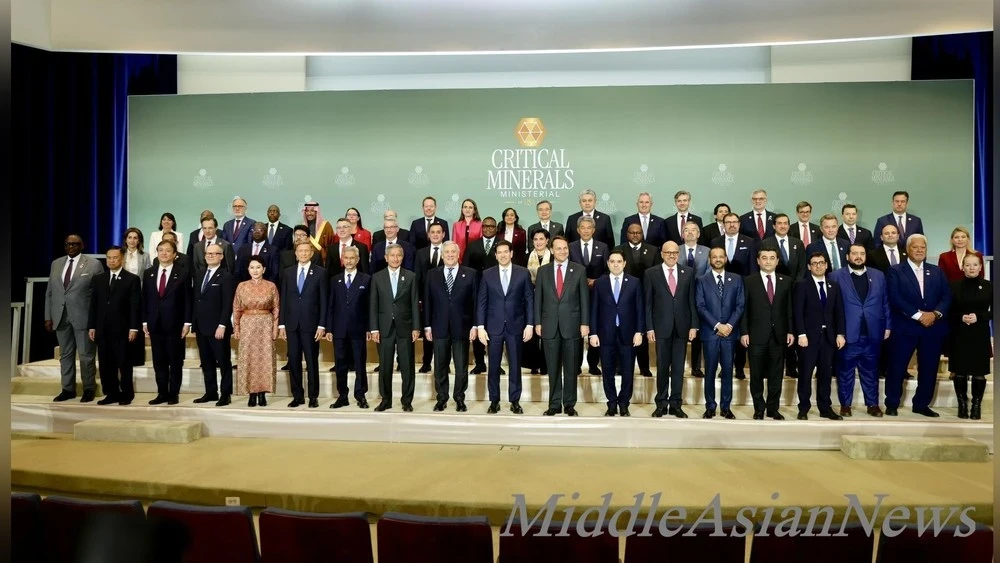
On Wednesday, 32 countries that are part of the International Energy Agency decided to release a record volume of oil from strategic reserves to the market — 400 million barrels, of which 172 million will come from the U.S. Arnab Datta, managing director of the Employ America analytical center, which advocates for more active use of reserves, expressed dissatisfaction with the lack of preparation from the Trump administration for the consequences of the conflict on the energy market, noting that "absolutely nothing has been done."