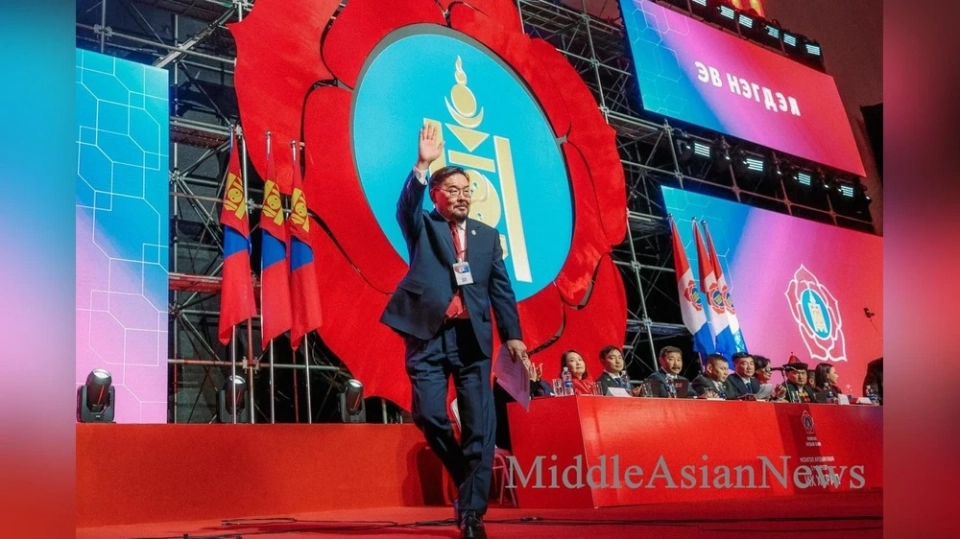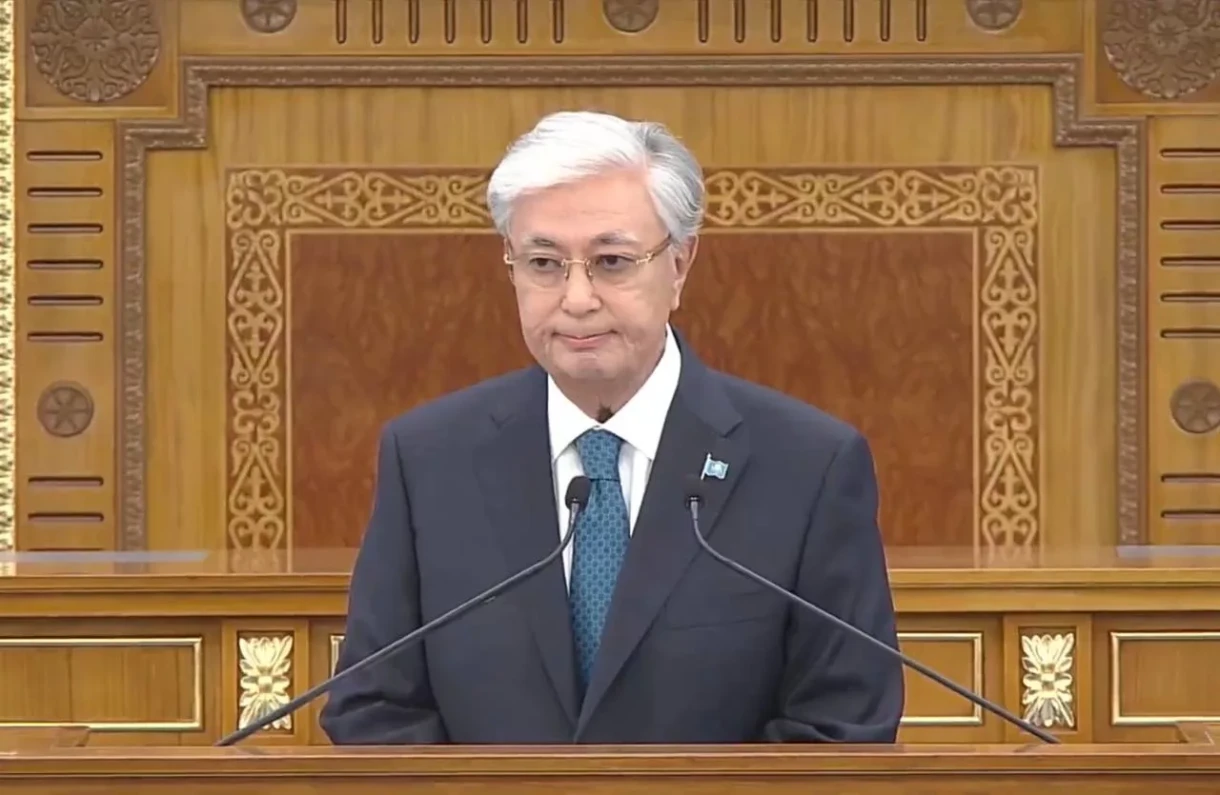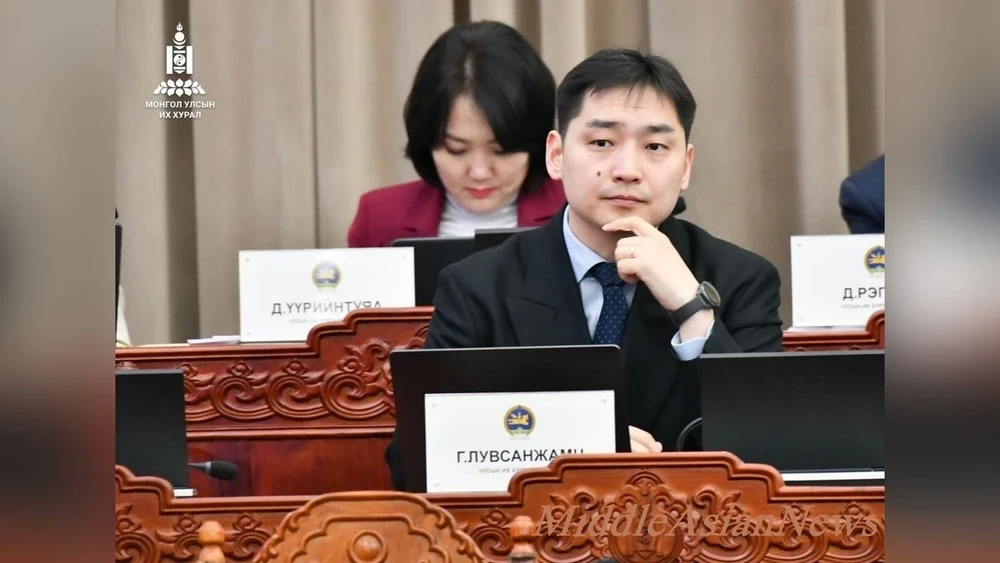
The young politician asserts that the air pollution problem in Ulaanbaatar is not related to poverty. He also discussed corruption, ways to eliminate it, and the concept of the new city of Kharkhorum, emphasizing its construction.
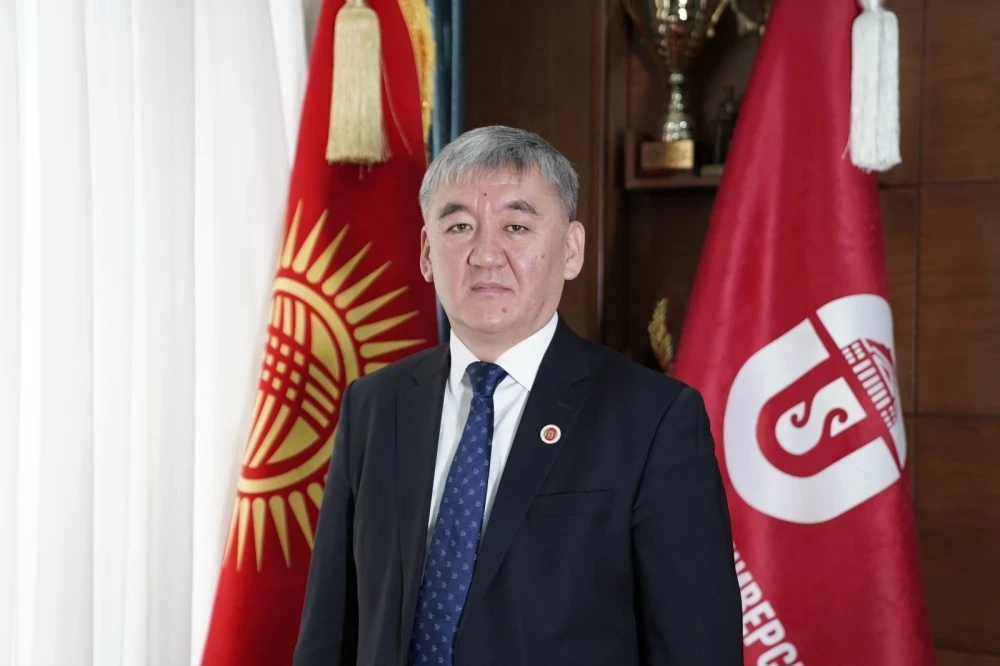
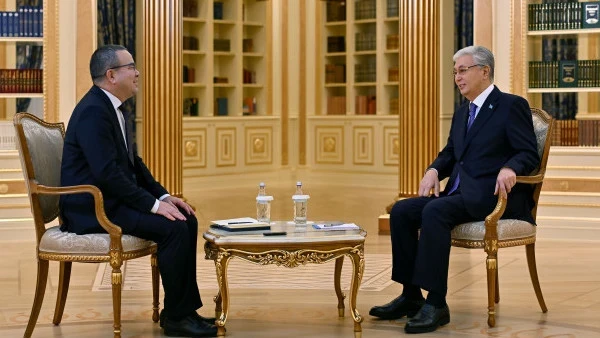
Dr. LUVSANJAMTS Ganzorig, recently elected to Parliament, actively raises issues of air pollution in Mongolia, corruption, political stability, and the need to relocate the capital. In an interview with a journalist from The Diplomat, he shared his thoughts on how the Mongolian government envisions solving these problems within the framework of expanded legislative power.
— Over the past ten years, Ulaanbaatar has ranked high in air pollution. As an initiator of addressing this issue, which has become crucial for public health, how do you see the root causes? What measures have been taken at the legislative and executive levels this year?
— Some researchers link air pollution to poverty, but I believe the real problem lies in the government's inability to clearly identify the root causes through policy and its failure to implement projects that yield real results.
During the spring session of Parliament last year, public hearings were organized on air pollution. During the discussions, it became clear that since 2009, the government has allocated ₮5.6 trillion to combat pollution, yet pollution levels have not decreased to desired levels. This indicates that the lack of financial resources is not the only issue; previous policies focused on supporting consumption, such as subsidizing coal and stoves, rather than on long-term solutions. As a result, the air pollution problem has not been addressed comprehensively.
Since my entry into Parliament, one of the three main tasks has been to tackle air pollution. We conducted extensive research with scientists and concluded that effective solutions require measures aimed at improving energy efficiency and resource conservation, rather than increasing consumption. Based on these findings, we developed a clear action plan and began improving the policies of state and local authorities in the areas of home insulation and renewable energy sources, which contributes to increased energy efficiency.
On June 19, 2025, Parliament adopted Resolution No. 57 following the work of the working group I chaired. This resolution mandates the government and the Central Bank of Mongolia to optimize the "green" financing system and improve the legal framework for reducing air pollution.
In December 2025, at the initiative of the Speaker of Parliament, an additional resolution was adopted to expedite the implementation of this policy. Under these resolutions, the executive branch began to implement environmentally friendly technologies, such as home insulation and electric heating, as well as expand the use of distributed renewable energy sources.
At the capital level, in 2025, a project is being implemented to insulate 5,000 households with active citizen participation. Additionally, under the guidance of the Chingeltei district administration, projects with the private sector and international organizations are being implemented to transition about 700 households and school buildings to environmentally friendly water supply systems. I am convinced that these initiatives are targeted and effective. It is important to expand such projects across the country, not just in Ulaanbaatar.
To significantly reduce air pollution levels, involvement is needed not only from the state but also from local authorities, the private sector, civil society, and the residents themselves. We must create an ecosystem for transitioning from traditional "brown" technologies to "green" solutions. In this context, we launched the "Dulaanbaatar" campaign (translated from Mongolian as "Warm Hero"). In 2025, we held a series of meetings, receiving professional consultations for more than 2,000 households in ger districts, and we plan to expand this campaign in the future.
— Considering your experience in architecture, what changes need to be made in Ulaanbaatar to reduce traffic congestion, address the problem of overcrowding in gers, and create a more comfortable environment for residents?
— The main cause of traffic congestion is the insufficient accessibility of social facilities such as schools, kindergartens, medical institutions, and green spaces. Additionally, the underdeveloped public transport system forces people to use personal vehicles, especially due to their reliability and convenience.
The key solution lies in expanding access to social infrastructure, creating a diverse public transport network, and forming a pedestrian- and cyclist-friendly urban environment. In this regard, I led a working group to develop the concept of a "20-minute city" and presented it to the relevant ministry.
From a professional standpoint, I also proposed several recommendations for municipal public transport management to improve service quality. Some of these proposals, such as the ability to pay by bank cards on buses and optimizing route schemes, have already begun to be implemented. Moreover, as reported by the capital administration, work is underway to optimize bus routes based on data and develop large public transport networks, such as subways and light rail transit.
This year, the launch of the first cable car line is also planned. As an urban planner, I support these projects.
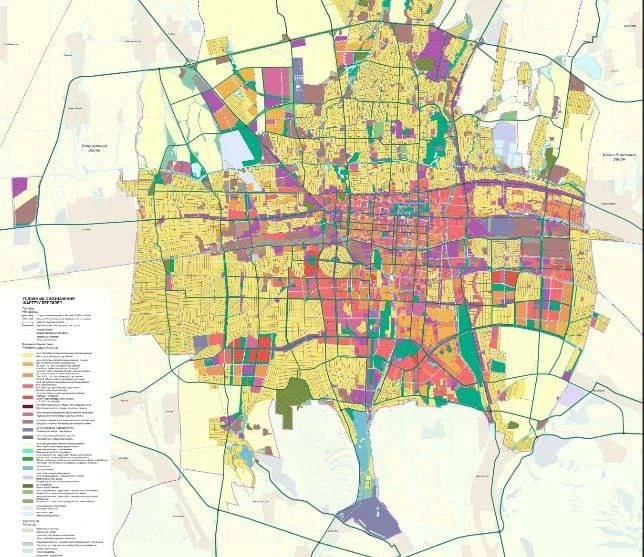
Finally, I am participating in a working group developing the "General Plan for the Development of Ulaanbaatar until 2040," which will be discussed in Parliament. We are working on implementing principles aimed at creating a city focused on people, not cars.
— In East Asia, several countries are deciding to relocate their capitals to historical cities. Mongolia is considering moving Ulaanbaatar to the historically significant city of Kharkhorum. What are the chances of this project being realized, and how will it improve the lives of the population and the economy of the country?
— Currently, Mongolia functions as a highly centralized state, with Ulaanbaatar being its only center. It is important to focus policy on improving living conditions in rural areas, ensuring access to social infrastructure, and creating jobs.
The government has already developed a regional development strategy that includes preparations for relocating the capital. From a political standpoint, this approach seems logical. Initially, it is wise to develop this area as a central city in the Khangaikhan region.
For the practical implementation of this project, the involvement of the private sector is crucial, as it creates jobs in the new capital. The state must create attractive infrastructure for investments. It is also necessary to identify centers for the other five regions as soon as possible and direct budget investments to these cities.
I am convinced that by 2030, if infrastructure projects are implemented with the aim of increasing the population of Darkhan and Erdenet to 200,000 each, and Choibalsan, Khovd, Ölgii, and Sainshand to 100,000, the regional development policy will begin to yield visible results.
Additionally, I previously worked in the parliamentary working group on the bill for the new city of Kharkhorum. I regularly receive updates on the process of developing the master plan and am confident that the principle of developing the new capital based on nomadic culture, environmental sustainability, and compactness is relevant and well thought out.
Today, traveling through cities around the world, one can notice many skyscrapers with glass facades and developments oriented towards cars. Urban planners emphasize that few cities truly reflect the history, culture, and way of life of their countries.
I hope that the new Kharkhorum will be able to avoid the mistakes of other countries and become a people-oriented city that represents the history of Mongolia and its nomadic culture.
— The year 2025 has been challenging for the political situation in Mongolia. We have witnessed a series of major protests, the ousting of the government of Oyun-Erdene Luvsannamsrai, and the restoration of the government of Zandanshatar Gombojav with an expanded composition. How do you assess the political stability in Mongolia at the moment, and what do you think is the cause of such an unstable situation? It seems that the new parliament is spending too much time dealing with political instability. What mechanisms could improve the situation?
— Instability in the executive branch has existed since the establishment of the democratic system in Mongolia, but this year it has manifested particularly sharply. I believe the main reason is the lack of clearly formulated ideological foundations and political orientations within the parties. It is necessary to strengthen intra-party democracy so that parties can actively participate in discussions, policy development, and open debates on governance issues.
When parties come to power, they must remain true to their policies and strive for their implementation, including the appropriate alignment of budgetary resources.
At the same time, citizen participation in politics is generally limited to voting and protests. Political parties must reflect the voices of citizens in state policy. Therefore, citizens, especially the youth, must actively participate in local assemblies, identify problems, and propose solutions that can subsequently be included in party programs. Only then can democracy be strengthened. However, this applies not only to Mongolia but to many other democratic countries.
When the public understands the roles of the executive, legislative, and judicial branches, consistently evaluates their achievements, and demands accountability, many systemic problems can be resolved.
— Mongolia attracts foreign investments from partner countries. However, some foreign assessments indicate that corruption has become a serious obstacle to attracting quality long-term investments. What needs to be done to improve the situation with corruption in Mongolia?
— Corruption exists in various forms in every country. Mongolia, including the government, parliament, judicial system, and independent anti-corruption bodies, is actively working to address this issue, although significant progress has not yet been achieved.
To attract stable long-term investments, it is important to ensure consistency in policy. It is necessary to clearly define short-term, medium-term, and long-term strategies and improve the legal framework for their implementation. The ruling party should set the direction of policy, while other political forces should align their actions with national interests.
For successful implementation of projects that positively impact the economy, transparency and clarity of information are crucial. Public trust is formed when information about projects, their conditions, and government policies is publicly accessible. In this regard, strategic documents such as five-year and annual development programs should clearly specify projects funded from internal and external sources. The Ministry of Economy and Development should pay special attention to their implementation.
I am also convinced that it is necessary to eliminate systems that require numerous approvals and agreements from officials. Decision-making dependent on specific individuals creates uncertainty for businesses and investors and increases the risk of corruption.
Instead, both the public and private sectors should implement systems based on clear plans and measurable results, rather than subjective decisions. I believe it is more effective to transition from a system based on obtaining permits to a system where activities begin after notification, provided that pre-established standards are met. Currently, we are working on creating a legal framework for this reform.
Finally, the need for transparency in political party financing is a clear reality. When political parties openly disclose their sources of funding, the level of corruption decreases.
Author: Bolor Lkhaajav — a researcher specializing in Mongolia, China, Russia, Japan, East Asia, and America. She holds a master's degree in Asia-Pacific Studies from the University of San Francisco.
Translation: Tatar S.Maidar
Source: The Diplomat