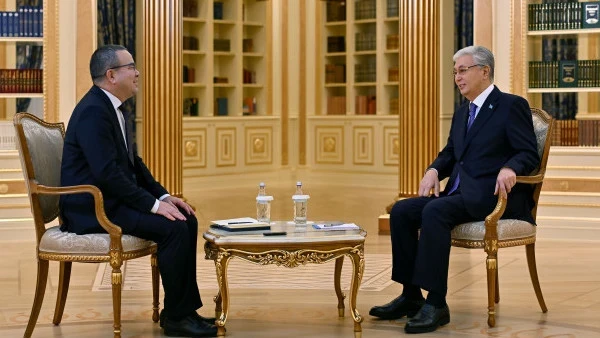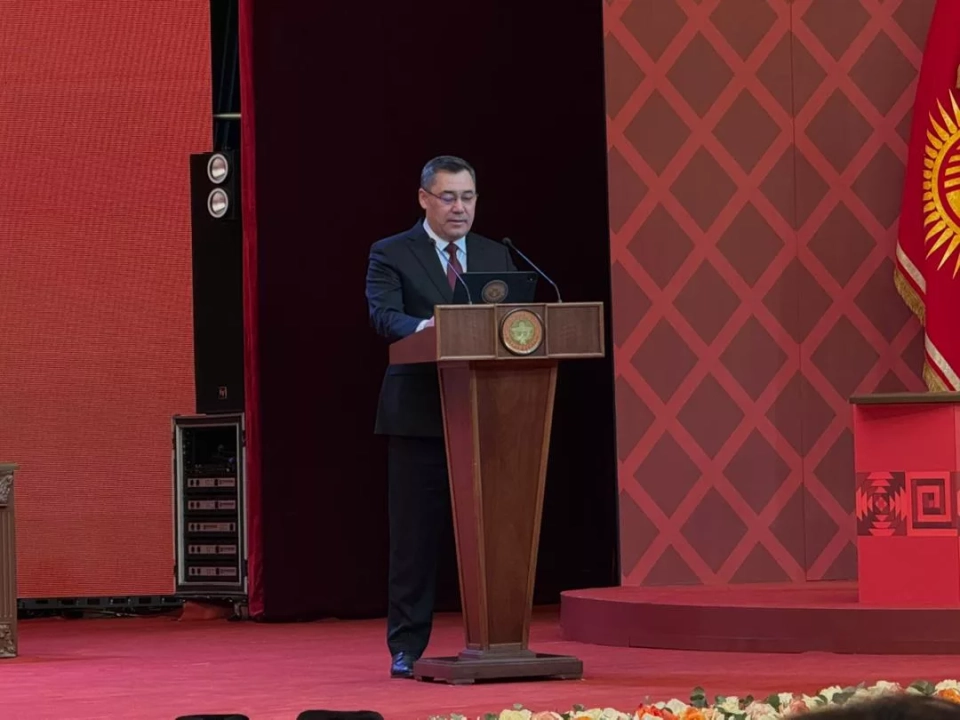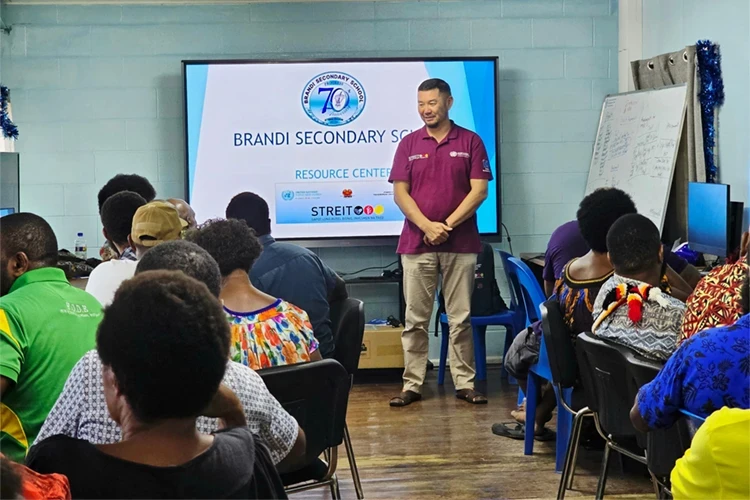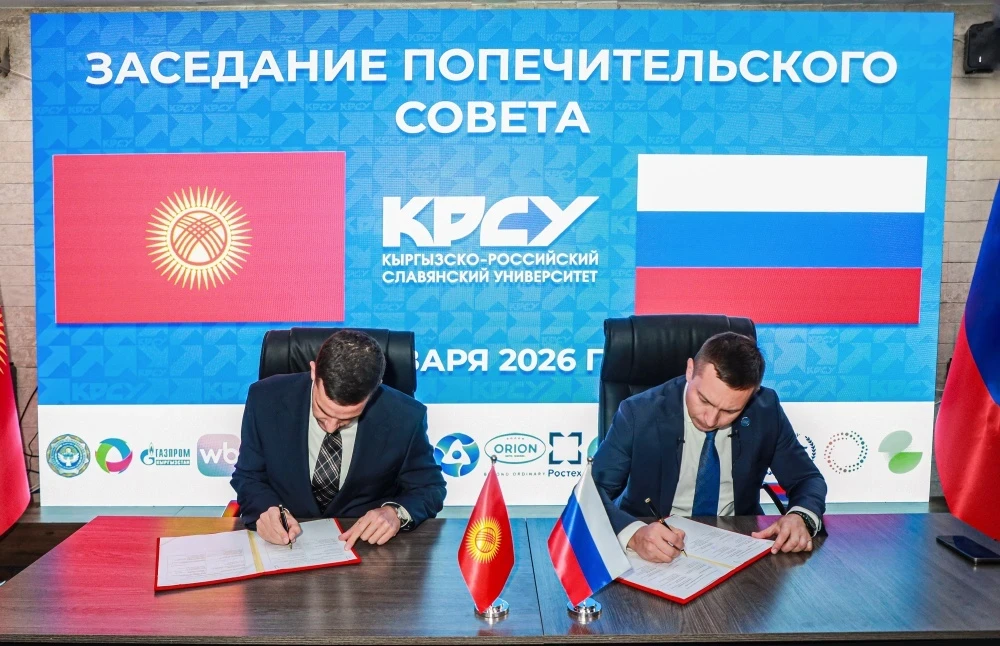
In an interview for "VES 24," Dremuchev spoke about the significant steps that "Rosatom" is taking in Central Asia, emphasizing the importance of nuclear energy for the economic growth and sustainable development of the region.
Uzbekistan: a unique contract for a small nuclear power plant
- The year 2025 has become an important milestone for "Rosatom" and its international projects. We have noticed how the attitude towards our company has changed among experts and the population of Central Asian countries. In Uzbekistan, for example, there is no need for additional persuasion regarding the advantages of Russian nuclear technologies, especially in terms of their safety. I would like to emphasize the uniqueness of Russian technologies, particularly in the context of small nuclear power plants. Russian President Vladimir Putin mentioned that by 2030, the first nuclear energy system with a closed fuel cycle will be commissioned in the Tomsk region. Does this mean that such reactors, which are not used anywhere else, will appear at new "Rosatom" facilities in Central Asia?
- You are absolutely right; 2025 has become a landmark year for our company: last year we celebrated the 80th anniversary of the Russian nuclear industry. We honored veterans whose achievements inspire us for new accomplishments.
One such accomplishment is the project for the construction of a small nuclear power plant in Uzbekistan - this is the world's first export contract for the creation of a small modular reactor (SMR).
In May, our engineering division began producing reactor equipment, casting a 205-ton ingot of alloyed steel, which will serve as the basis for the RITM-200N reactor vessel. In October, excavation began for the SMR power unit in the Jizzakh region, where we will need to excavate about 1.5 million cubic meters of soil to a depth of up to 13 meters.
The RITM-200N reactor, on which the plant will be built, is unique. It is not just a small nuclear power plant, although such projects have existed for a long time. The uniqueness of the Uzbek project lies in the use of a reactor with an integral design, where the active zone and steam generator are combined in one vessel, which in Western terminology is called a small modular reactor (SMR). Many countries are now striving to implement similar projects, but currently, such reference SMRs are only available from "Rosatom" and China, while others remain at the conceptual stage.
The station based on the RITM-200N stands out for its compactness and faster construction time compared to large nuclear power plants. It is important to note that the reactor belongs to generation 3+, which meets modern safety requirements, including the ability to maintain cooling without human intervention for 72 hours.
As for the closed fuel cycle, "Rosatom" is a world leader in the development of this fourth-generation technology, which ensures more efficient use of uranium, enhanced safety standards, and a reduction in the volume of nuclear waste. The "Breakthrough" project includes the BREST-300 reactor, which operates on fast neutrons, and we have significant experience in its operation.
The Uzbek nuclear power plant projects involve the installation of VVER reactors, which have proven to be safe and efficient over the years of operation. This is a completely different project.
Safety is central to our work, and "Rosatom" offers foreign partners proven technologies with successful examples in Russia. All necessary licenses for the "Breakthrough" project have already been obtained, and we are confident in its effectiveness. Perhaps in the future, a decision will be made to implement it abroad, but it is too early to talk about that.
- In the summer of 2025, "Uzatom" and "Rosatom" signed an agreement for the construction of a large-capacity nuclear power plant in Uzbekistan. What makes this project unique, and when will construction begin?
- On September 26, at the "World Nuclear Week," we signed an additional agreement for the implementation of the integrated nuclear power plant project in Uzbekistan, which involves a contract for a new configuration. We agreed to create two large units based on VVER-1000 and two units with RITM-200N reactors, each with a capacity of 55 MW. These documents clarify our preliminary agreements reached at the St. Petersburg International Economic Forum in June.
Currently, we are working on the contract, and I cannot specify the exact timelines for the start of construction, but we will inform you of our readiness when the time comes.
The integrated nuclear power plant is a unique solution that will provide base load power through large units and compensate for peak loads with smaller capacities. The overall infrastructure will be used jointly, creating resource savings during the construction and operation phases. Once fully operational, the nuclear power plant will be able to cover up to 14% of the country's energy consumption, producing about 17.2 billion kWh annually. Given that consumption in Uzbekistan is projected to grow by 1.7 times by 2030, such a station could become an important energy source for the country.
As for safety, I have already mentioned the RITM-200N, and the VVER-1000 is one of the most reliable reactors, also belonging to generation 3+. There are 13 such power units operating in Russia, and similar ones are in operation in China, India, and Iran.
The future of medicine with "Rosatom"
- Let's talk about medicine. "Rosatom," together with Kyrgyz partners, is implementing a project to use nuclear technologies in healthcare. A radiopharmaceutical pharmacy and a molecular imaging center will be established at the National Center for Oncology and Hematology. What will this bring to healthcare in Kyrgyzstan and to patients?
- Yes, "Rosatom" and the Ministry of Health of the Kyrgyz Republic have been actively collaborating in the field of nuclear medicine for several years. We have achieved significant successes, for example, the nuclear medicine department in Bishkek has been restored. We continue to supply technetium generators and reagents for radiopharmaceuticals, which are necessary for the uninterrupted operation of the department. A significant infrastructure facility for healthcare, science, and education - a full-fledged nuclear medicine center - is planned to be created on its basis. This project aims to address issues related to drug safety and import substitution, as well as to improve the demographic situation in the country. It aligns with sustainable development goals and strengthens the economic potential of Kyrgyzstan, making it important at all levels.
The main goal of this project is to ensure timely diagnosis and treatment of cardiovascular, oncological, and neurological diseases using modern radiopharmaceuticals and high technologies in nuclear medicine. This project will be beneficial not only for the citizens of Kyrgyzstan but also for residents of neighboring countries.
Green energy from "Rosatom"
- We cannot overlook another achievement of "Rosatom" in Kyrgyzstan - the construction of the first wind power station. How is the commissioning of this facility progressing, and what are the approaches of Russian companies to implementing projects in the field of "green" energy?
- "Rosatom" is consistently implementing a strategy for producing low-carbon energy, remaining a leader in "green" energy in Russia, providing 51% of all low-carbon generation in the country.
The total capacity of our wind energy projects in Russia is about 1.2 GW, and we are ready to apply this experience in friendly countries.
We have offered our partners solutions in the field of "green" energy, taking into account the geographical and ecological features of the country. Wind can become a primary source of energy for Kyrgyzstan. We are pleased that our Kyrgyz partners have entrusted us with the construction of a wind farm in the Issyk-Kul region with a capacity of 100 MW. The project is being implemented according to plan within the framework of an investment agreement, and key components for the wind installations, such as towers, generators, and blades of Russian production, have already been delivered. Next year, we plan to pour the first foundation for the wind installation.
- The project for the liquidation of "tailings storage" in Kyrgyzstan and Tajikistan... How are environmental issues being addressed in the context of the region's energy challenges?
- We are confident that nuclear energy is "green" energy. This was even recognized by skeptics when nuclear energy was included in the taxonomy of sustainable finance in 2022. Studies show that nuclear power plants produce the least amount of indirect CO2 emissions compared to other energy sources, including solar and wind.
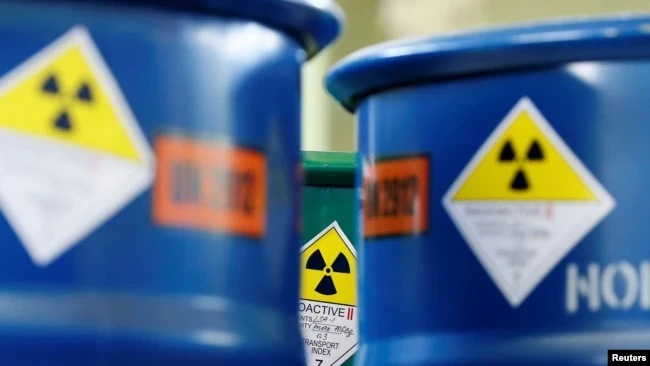
An operating nuclear power plant, unlike coal generation, does not produce CO2 emissions. When it comes to nuclear energy, people are often frightened by waste. This year, we organized screenings of Oliver Stone's film "Nuclear" for students from Uzbekistan and Kyrgyzstan. This film emphasizes that the nuclear industry is the only one that takes responsibility for its waste. All waste is stored in secure containers at special sites. Unlike other energy sources, no one in the world has been harmed by used nuclear fuel. If all waste from American nuclear power plants over 60 years were collected, it would fit in a regular supermarket. Questions about the disposal of solar panels remain open.
The projects for the liquidation of "tailings storage" in Tajikistan and Kyrgyzstan demonstrate "Rosatom's" responsible approach. We believe that the result of any project, whether it is uranium mining or plant construction, should be a "green lawn" that returns the site to its original state. We apply this approach in Russia, and the technologies for this are improving every year. I am confident that in 100 years, when the nuclear energy projects in Central Asia are completed, we will have all the means to restore the natural balance.
The path of the "Knowledge Icebreaker"
- What is "Rosatom's" strategy for training specialists to work with "peaceful nuclear energy," including its application in medicine?
- "Rosatom" pays special attention to personnel training, as highly qualified specialists ensure the reliable operation of reactors. As part of the collaboration with "Rosatom," the Ministry of Education and Science of Russia provides quotas for foreign students to study in Russian universities in nuclear and related specialties, as well as organizes internships at operating nuclear industry facilities. In 2019, a branch of the National Research Nuclear University MEPhI opened in Tashkent, which was recognized by the International Atomic Energy Agency as one of the best practices in Uzbekistan. The branch has already graduated 161 bachelors, many of whom continued their studies in master's programs or began working in Uzbekistan's energy system.
The MEPhI branch also operates in Kazakhstan. This year has been significant for our relations, as "Rosatom" has headed an international consortium for the construction of the first large-capacity nuclear power plant in Kazakhstan. In August, we began actual work at the site.
- What humanitarian projects is "Rosatom" implementing in Central Asia?
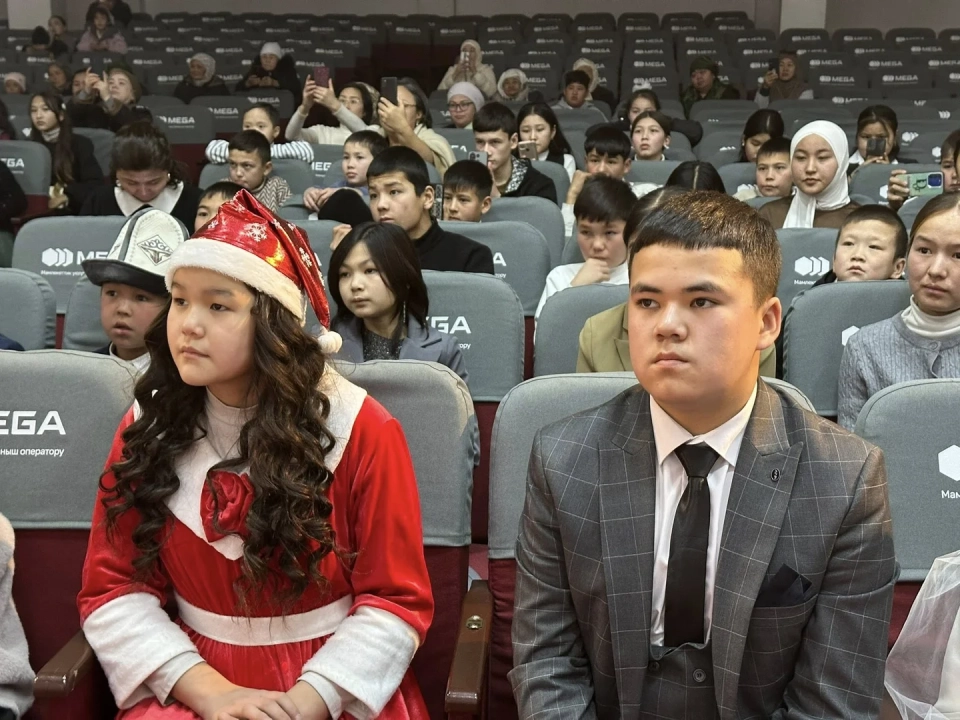
- First of all, we focus on students and schoolchildren, conducting scientific and educational activities. In Central Asia, we organize science and nuclear festivals where schoolchildren and students can get acquainted with the world of nuclear technologies. We also hold film screenings and select schoolchildren for International Smart Holidays - a program that allows children from abroad to visit Russian children's camps, including "Artek."
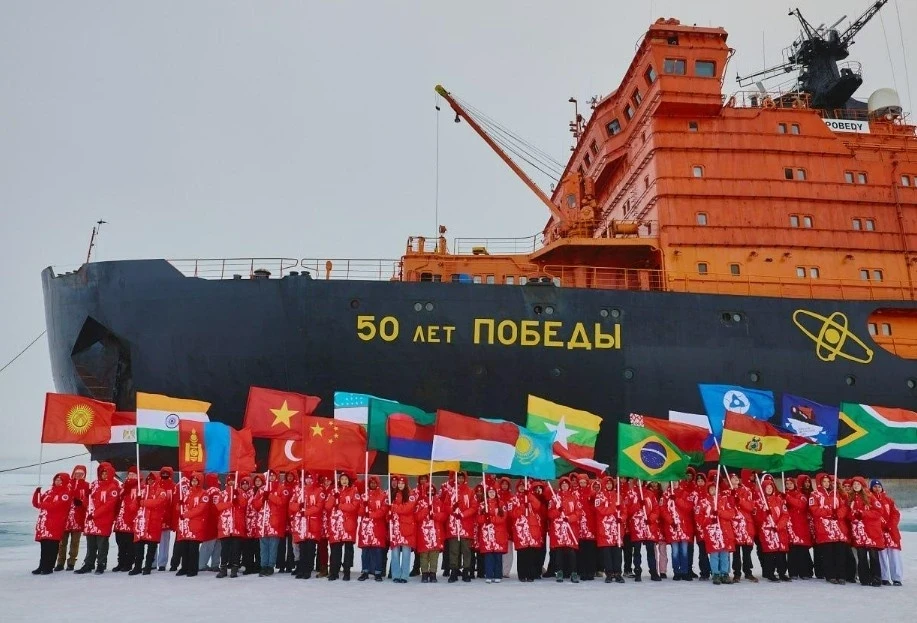
Additionally, we have the "Knowledge Icebreaker" project, in which schoolchildren from Kazakhstan, Uzbekistan, and Kyrgyzstan went on an international expedition on the nuclear icebreaker "50 Years of Victory," saw whales and polar bears, interacted with experts, and learned about nuclear energy, the world's oceans, and ecology, as well as made new friends and like-minded individuals.