Kazakhstan may impose prohibitive rates for recycling fees on imported cars from Russia and Belarus, increasing the payment amount by 40 times. A draft of such changes to the order of the Ministry of Ecology, Geology, and Natural Resources of the Republic has been published for discussion.
The authors of this document indicate its main goal is to level the playing field for Kazakh cars in the markets of the EAEU countries. Last year, Russian customs authorities began requiring owners of foreign cars assembled in Kazakhstan and imported into Russia in 2024-2025 to pay an additional recycling fee with consideration of additional coefficients, which was regarded as re-export. The additional payment averaged between 1 to 1.5 million rubles for cars costing 3-4 million rubles.
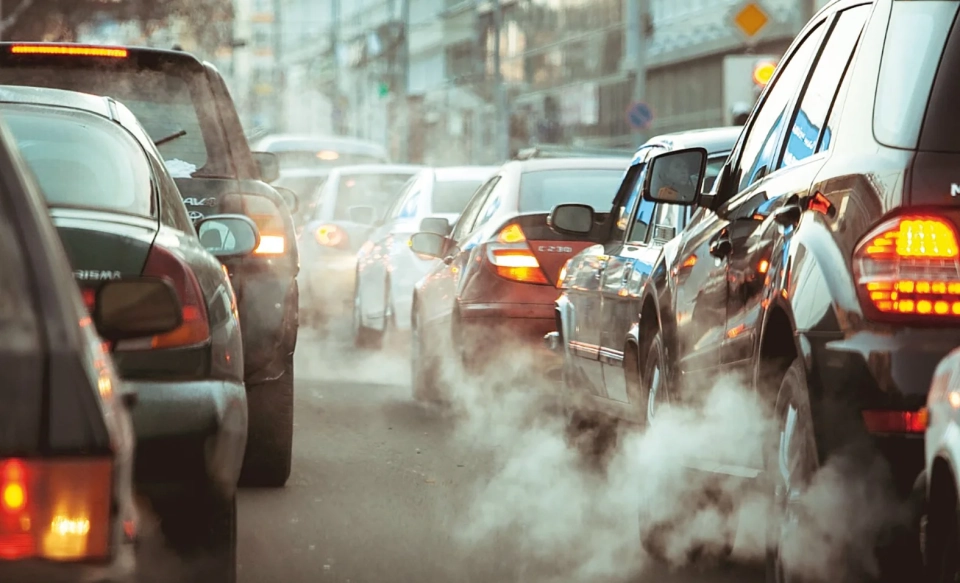
The draft implies the introduction of increasing coefficients for passenger and freight vehicles produced in Russia and Belarus. For other cars, the coefficients will remain the same—for example, for passenger cars, it will be from 1.5 to the base rate of 50 monthly calculation indicators (one MCI equals 4,325 tenge, which is less than 50 thousand rubles) for engine volumes up to 1 liter, and up to 11.5 for volumes over 3 liters. For passenger cars from Russia and Belarus, the coefficients are expected to increase to 22-246.
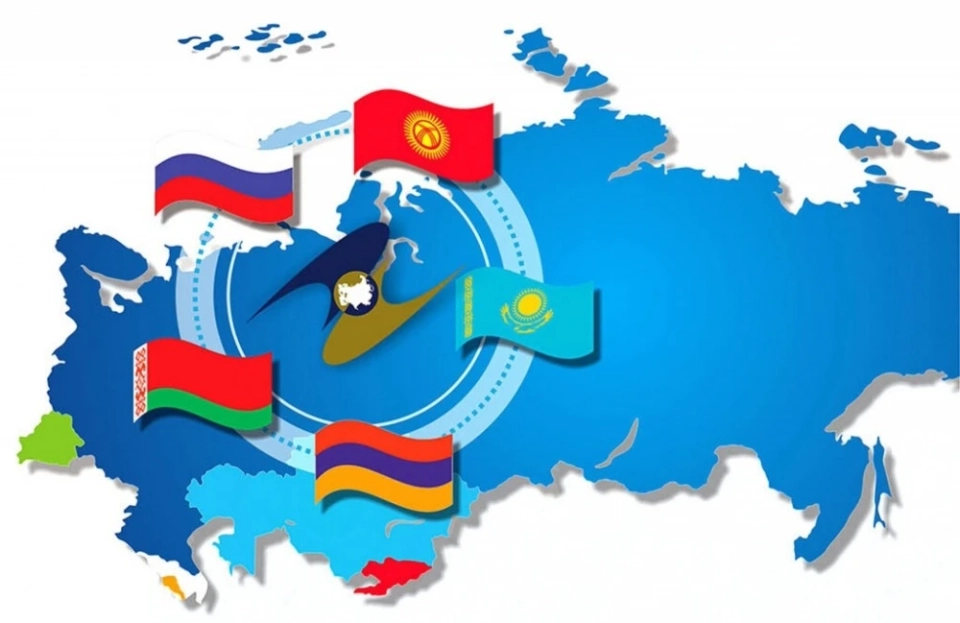
According to The Moscow Times, these measures are aimed at eliminating the imbalance in recycling fees between Kazakhstan, Russia, and Belarus. According to the Customs Code of the Eurasian Economic Union (EAEU), cars produced in Kazakhstan using foreign components are considered EAEU goods, but additional coefficients apply when supplying to Russia and Belarus.
Starting in 2024, when exporting cars from Kazakhstan to Russia and Belarus, the recycling fee will include differences in customs duties, VAT, and excise taxes already paid in Kazakhstan, which may increase the cost of the car for the end buyer by 25%. For example, VAT in Kazakhstan is 4 percentage points lower than in Russia, while the recycling fee itself is significantly lower. Thus, when importing a car with an engine from 1 to 2 liters into Kazakhstan, the recycling fee is about 114 thousand rubles, while in the reverse direction, it is approximately 900 thousand rubles.
If the ministry's proposals are adopted, importing a car of this category from Russia and Belarus to Kazakhstan will cost 4.4 million rubles, which is 38.5 times higher than current rates.
The increase in recycling fees affects not only passenger cars but also agricultural machinery, which is also aimed at limiting access for Russian and Belarusian equipment to the Kazakh market. There are assembly plants for Russian and Belarusian brands operating in the country, and the authorities aim to support local manufacturers, as noted by an analyst of the Russian automotive industry.
Kazakhstan has historically been an important export market for Russian cars. In 2020, Lada ranked second in sales in the country after Hyundai, but in 2021, the closure of the main assembly plant of "AvtoVAZ" in Kazakhstan due to local authorities' claims on the investment agreement led to a sharp reduction in the share of the Russian automotive industry. Lada assembly was resumed at the Allur plant ("Saryarkaavtoprom") in Kostanay, located 150 kilometers from the border with Russia, but the volumes turned out to be significantly lower than before.
Nevertheless, last year saw a sharp increase in sales of Russian cars in Kazakhstan. According to the Kazakhstan Automobile Union, 1,393 Lada cars were sold in the first half of 2025, significantly more compared to 427 in the same period of 2024. In July, the import of passenger cars from Russia amounted to $7.8 million, which is four times higher than the previous year's figure. However, the share of Russian cars in the new passenger car market did not exceed 3%, with Chinese cars leading the market at 53%.
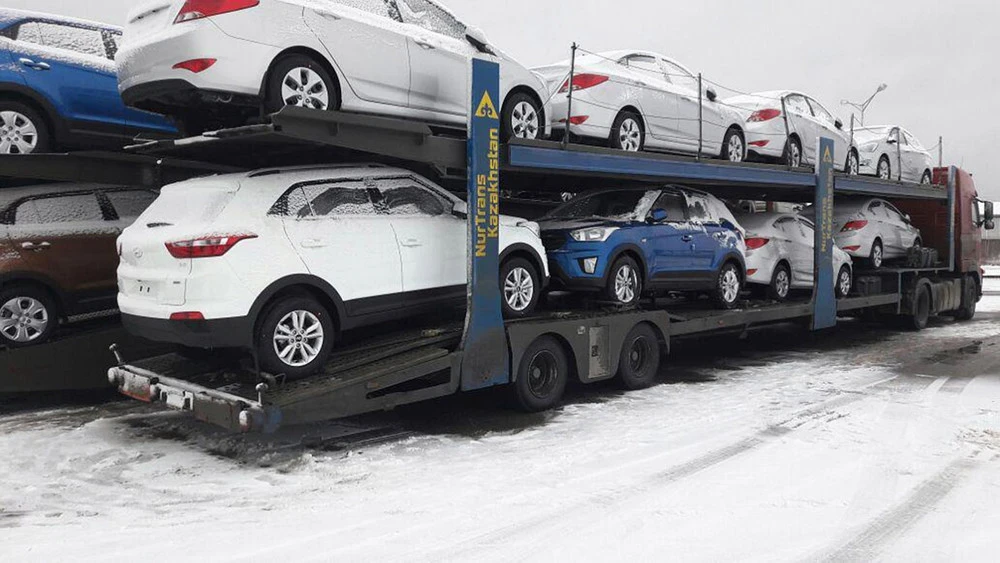
Kazakhstan is also among the leading exporters of cars to Russia: according to "Avtostat," 10,000 new passenger cars were exported from the republic in 2025.
“This is yet another internal measure: Kazakhstan seeks to protect its market from 'AvtoVAZ,' as Russia has closed its borders to everyone else,” noted Anton Shaparin, vice president of the National Automobile Union. “I fear that such practices may spread to other goods, and measures will be introduced to block Russian certificates and goods in the Kazakh market.” This, in essence, is another blow to the Eurasian Economic Union, he concludes.