The ministry clarified that the extended producer responsibility mechanism implies that producers and importers are responsible for the disposal of their products after use.
According to the Cabinet of Ministers' resolution No. 322 dated June 19, 2024, a list of 24 categories of goods subject to this system has been approved.
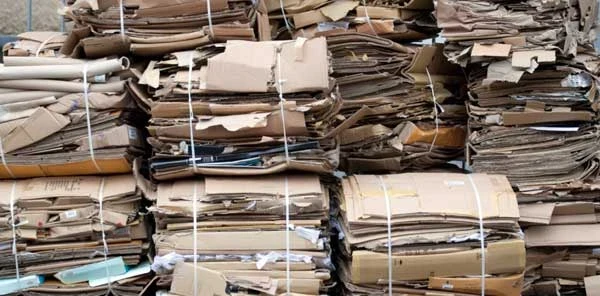
As reported in the press release from the Ministry of Natural Resources, the list includes items such as batteries, tires, lubricating oils, packaging made of plastic, cardboard, and composite materials, as well as household appliances and other products.
“If your company produces or imports the specified goods, you become a payer of the EPR. Importers must pay the recycling fee within 15 days from the date of importation of goods into Kyrgyzstan,” the ministry added.
“Producers, in turn, are required to pay the fee quarterly, by the 15th of the month following the reporting quarter. The implementation of the EPR system will be carried out by the state enterprise 'Ekooperator',” the message specifies.
All funds collected from the recycling fee will be directed to the state budget for the development of waste recycling infrastructure and the implementation of environmentally friendly technologies.
Historical Context
In 2024, the press service of the Ministry of Natural Resources, Ecology, and Technical Supervision announced the introduction of a recycling fee on cars, electronics, and other goods.
The recycling fee is calculated by multiplying the weight of the product and (or packaging) by the recycling fee rate and the waste recycling standard.
The list of goods subject to the recycling fee was established by a decision of the Cabinet of Ministers and includes:
- batteries (including lead-acid and those for electric vehicles);
- cars;
- household appliances;
- filters for vehicles;
- plastic products;
- lubricating oils;
- packaging made of composite materials, such as cardboard and polymers;
- electronics;
The recycling fee rate is based on the average costs of collection, transportation, and recycling of specific products.
The amount of the recycling fee varies depending on the complexity of recycling different categories of goods and their packaging. The procedure for paying the recycling fee is being developed by the Ministry of Natural Resources and is expected to be adopted by the end of the current year.
The ministry has designated this mechanism as the "EPR principle," which introduces responsibility for producers and importers to pay the recycling fee for goods and packaging.
“The incoming funds will be directed towards the comprehensive development of the waste management system in the country, including collection, logistics, sorting, storage, implementation of zero-waste technologies, construction of recycling plants, and production of goods from secondary materials, as well as the extraction of thermal and electrical energy,” the ministry reported.