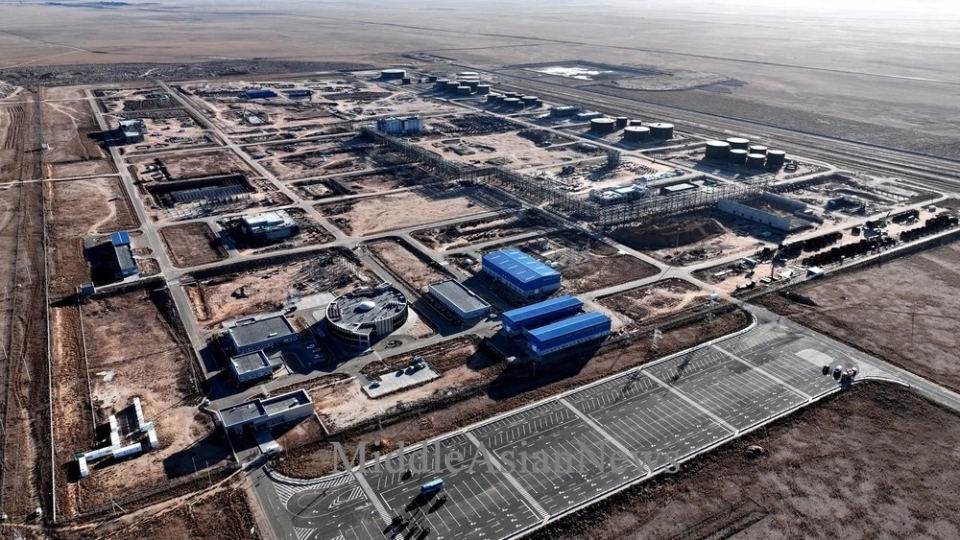
The eastern Chinese province of Jiangsu has become the site for the construction of the "Xuwei" nuclear power plant, which was officially announced on January 16. According to Global Times, this ambitious project will be the world's first nuclear power plant that will simultaneously generate electricity and supply steam for a large petrochemical cluster, thanks to a unique combination of different types of reactors. The ceremony for pouring the first concrete marks the start of the tasks set within the framework of China's 15th Five-Year Plan.
The "Xuwei" nuclear power plant will feature a technological symbiosis: a third-generation pressurized water reactor Hualong One and a fourth-generation high-temperature gas-cooled reactor will be located on the same site. The engineering concept has been developed with a high degree of detail: the heat generated by one reactor will be used to produce steam, which will then be superheated by the second reactor to the parameters required for industry. This will allow for an impressive production of 13,000 tons of steam per hour, meeting the needs of nearby chemical enterprises.
The project is large-scale. The first phase includes the launch of two Hualong One units and one gas-cooled reactor. Once at full capacity, the power plant will annually produce more than 11.5 billion kWh of electricity and supply over 32 million tons of steam. The environmental impact of introducing nuclear energy into industry will be comparable to a reduction of coal fuel by 7.26 million tons, leading to a decrease in carbon dioxide emissions of nearly 20 million tons per year. Modern technologies are being used in construction, including laser tracking and robotic welding.
Representatives of the China National Nuclear Corporation (CNNC) emphasize that "Xuwei" is not just a new power plant, but a symbol of changes in the energy sector. China is transitioning from traditional electricity generation to a more diversified model, offering the global market effective solutions for decarbonizing heavy industry. By April 2025, the country aims to take a leading position in the number of operational and under-construction nuclear power units, with a total exceeding one hundred.